Blown Away: The Aussie Magic of Body Blow

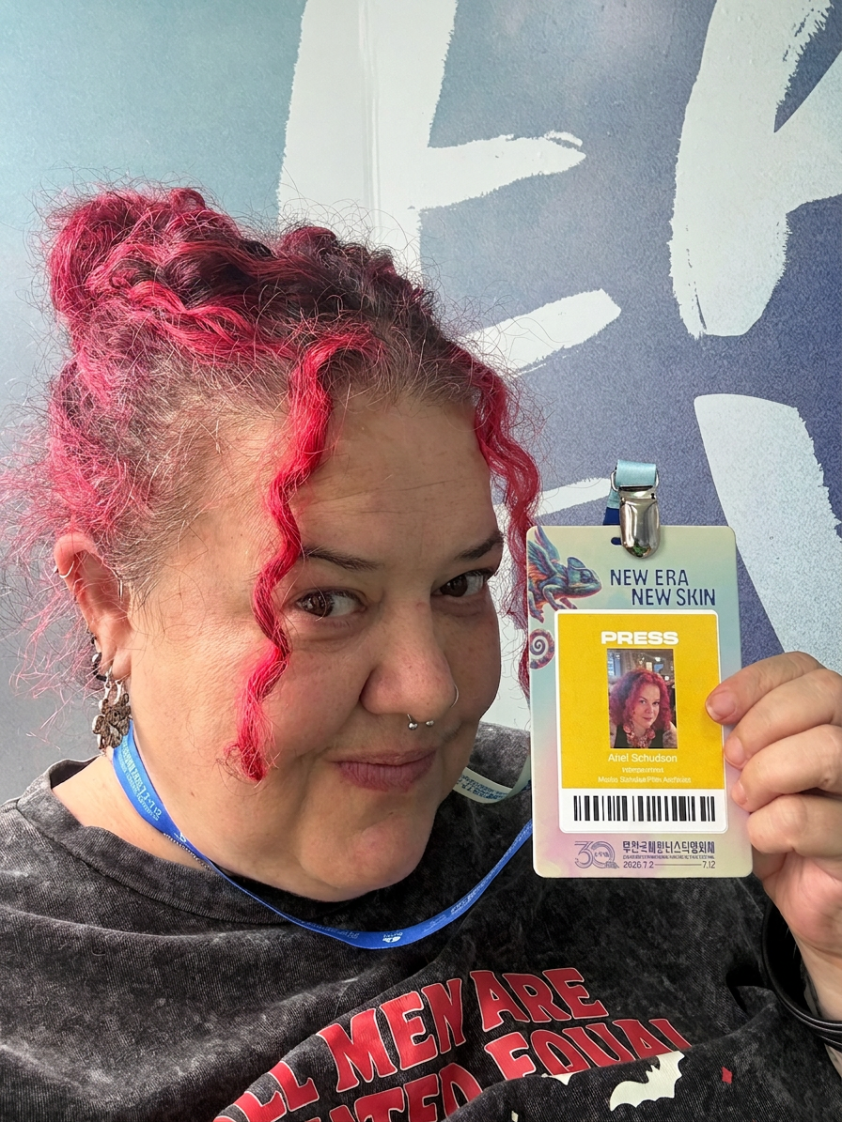
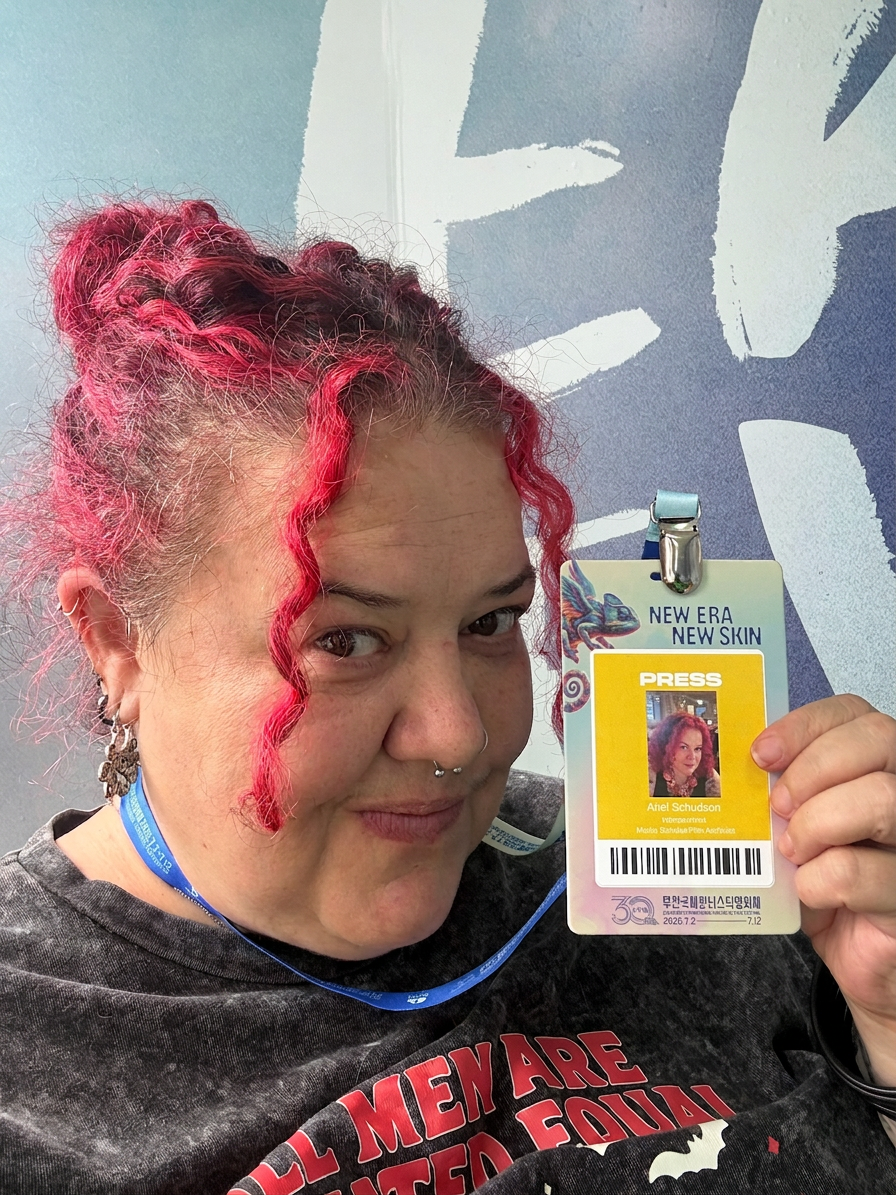
One of the main reasons that I love going to BIFAN every year is that, like clockwork, I meet One of My Kind. And if that sounds weird or like I’m some kind of alien being, so be it.

The bottom line is that when I’m at home (whether it was LA-home or my current Seoul-home), it’s very difficult to meet people who you click with. Especially when you’re a film addict like me.

I got REALLY lucky this year. I feel like I won the damn lottery. Not only did I meet several people who were Just My Type but they were also filmmakers! So OMG. EVEN BETTER. The people who I jammed with on these levels were creative and making things I could enjoy??? How did I get so lucky??

BIFAN is truly the epicenter of my happiness in Korea. As a genre film junkie, it gives me all the things I need in people, cinema and fun. And this year- the 30th Anniversary- was no different. Dinners full of laughter and film geek chatting, drinks until the late night/early morning, discussions about everything cinema and media culture…It’s really heaven on earth.

So one night I went to this party. And it was hot so I was just really happy about the air conditioning. But I also noticed this very stylish man with great hair and glittery long shorts who was truly holding court with everyone he met. I thought: “I would like to meet him at some point” but I also was ensconced in beer and conversation with the people at my table.

The night wore on and lo and behold…the amazing woman that I spent a great deal of my time with this year, Elizabeth, decided that he and I HAD TO MEET so she brought him over. And the rest (as they say) is history.

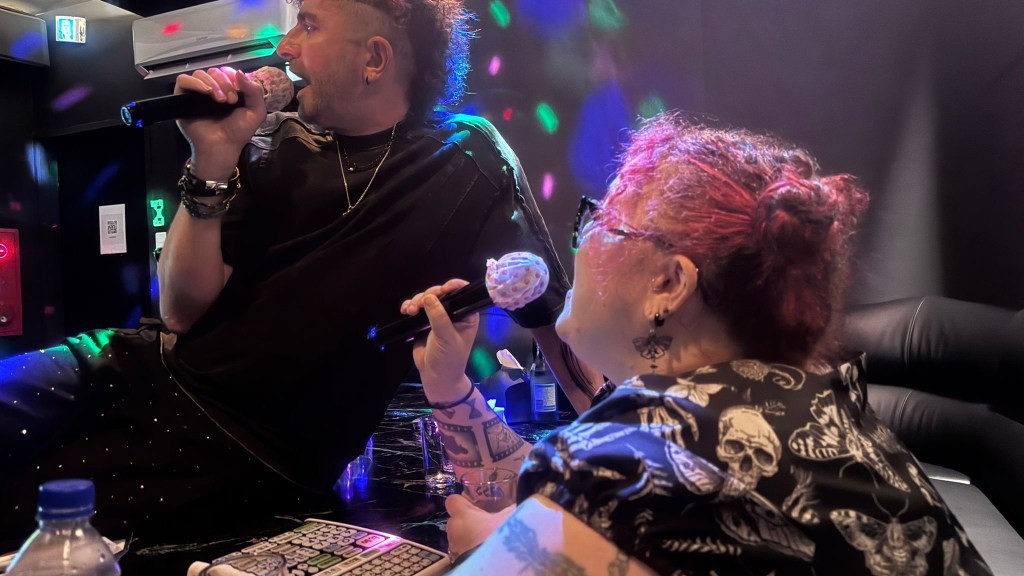
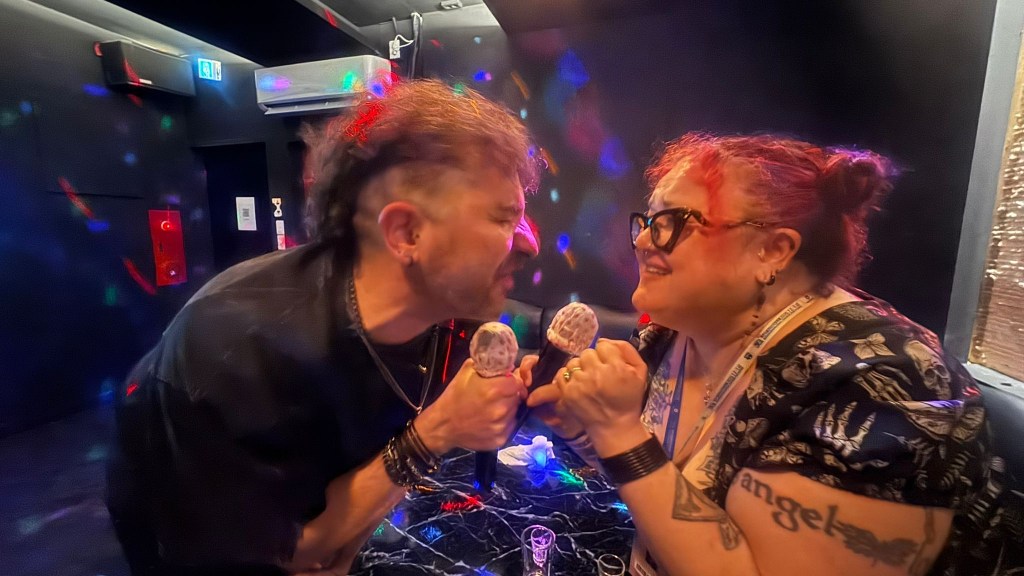
THERE WAS 노래방 / KARAOKE MADNESS until the sun came up. I loved his energy and his thoughts and attitude towards cinema and the world and I hadn’t even seen his film yet.

WHEN I SAW IT? I was floored. Welcome to the incredible Dean Francis, a brilliant queer Aussie filmmaker who truly knows what’s up. Our conversations were dynamic and political, funny and important. His outlook towards the world is unique and I adore it. He is 100% punk rock in the true meaning of Punk Rock.

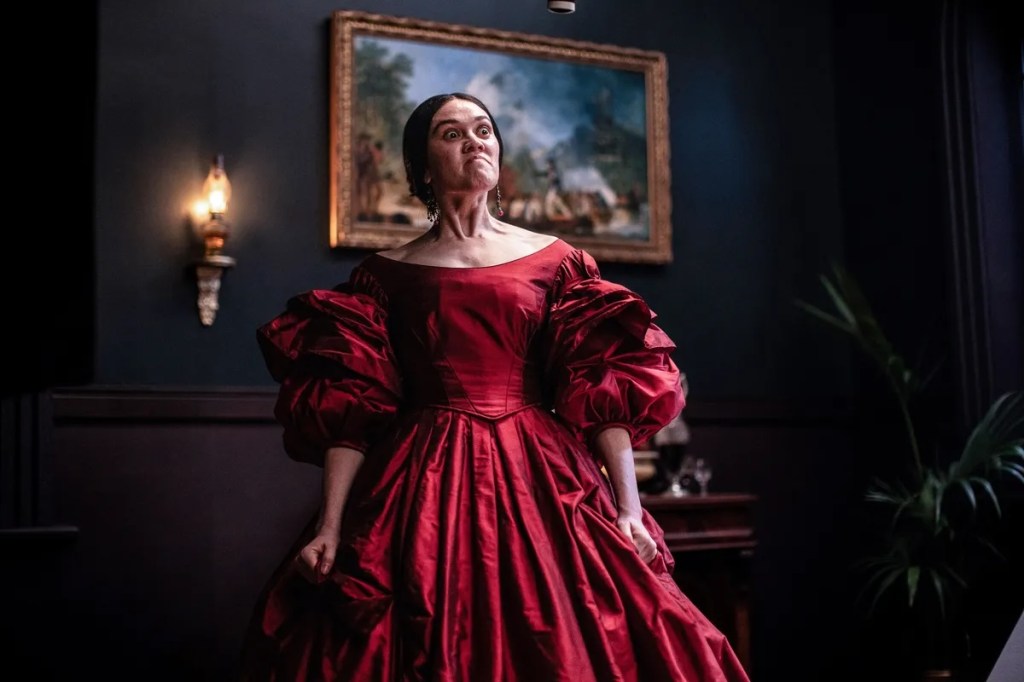
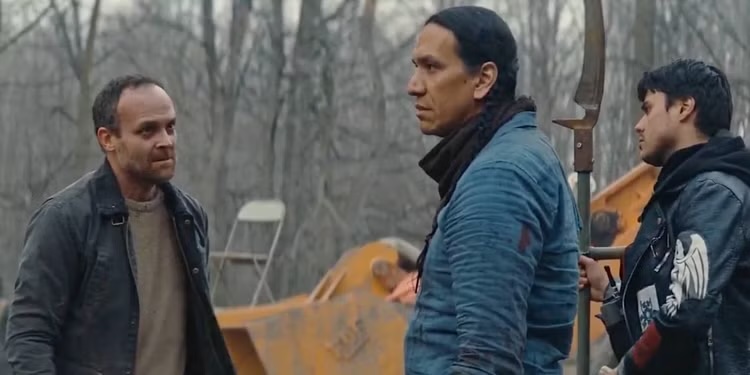
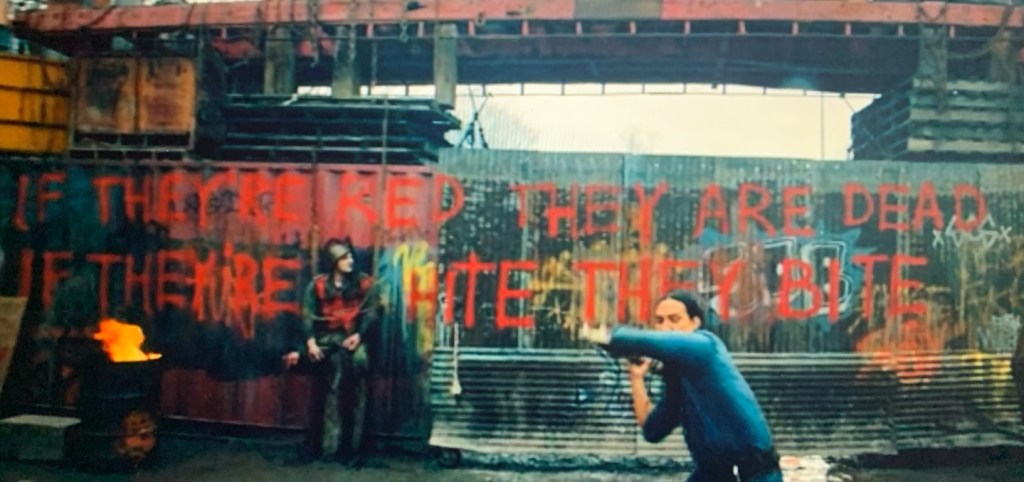
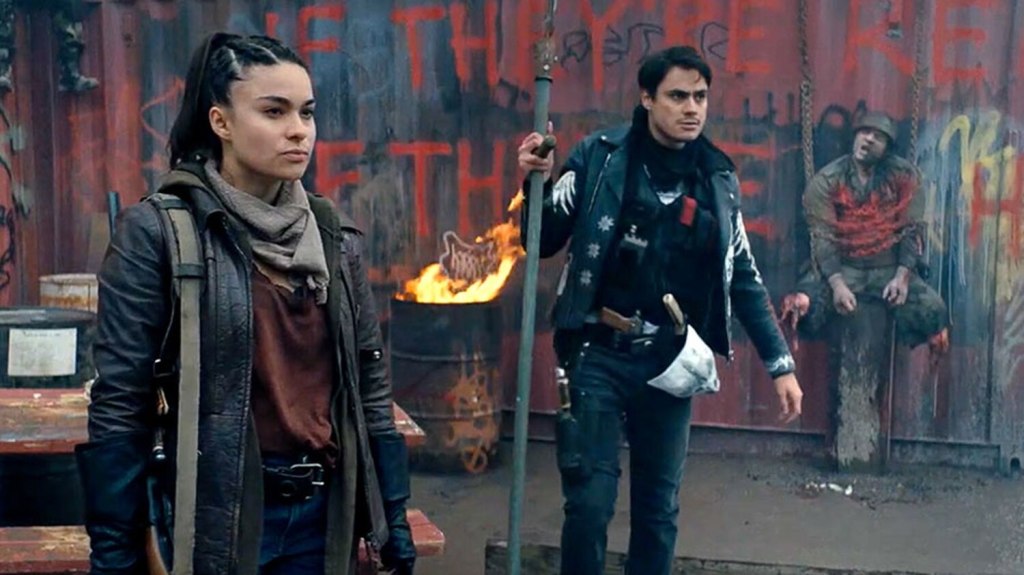
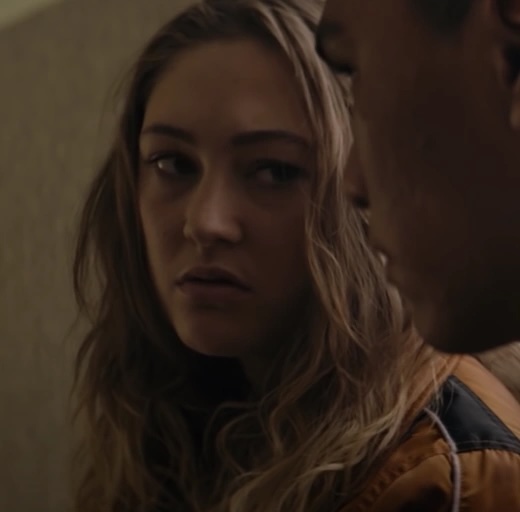
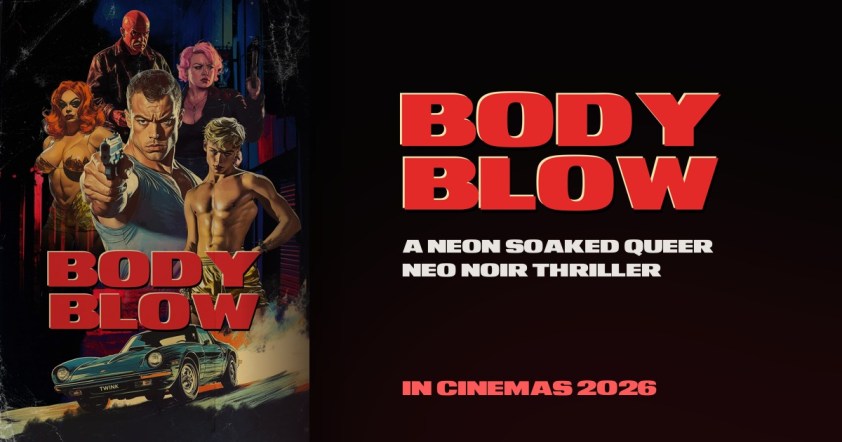
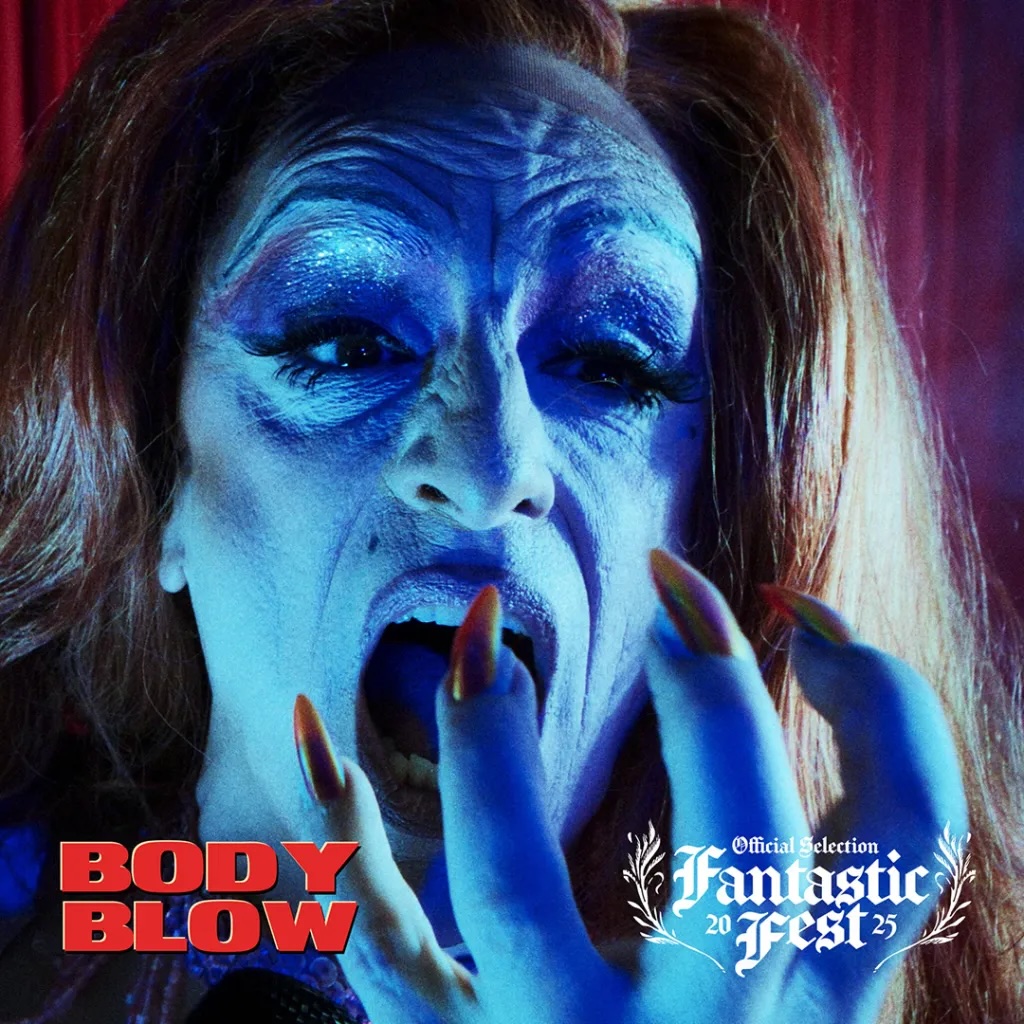
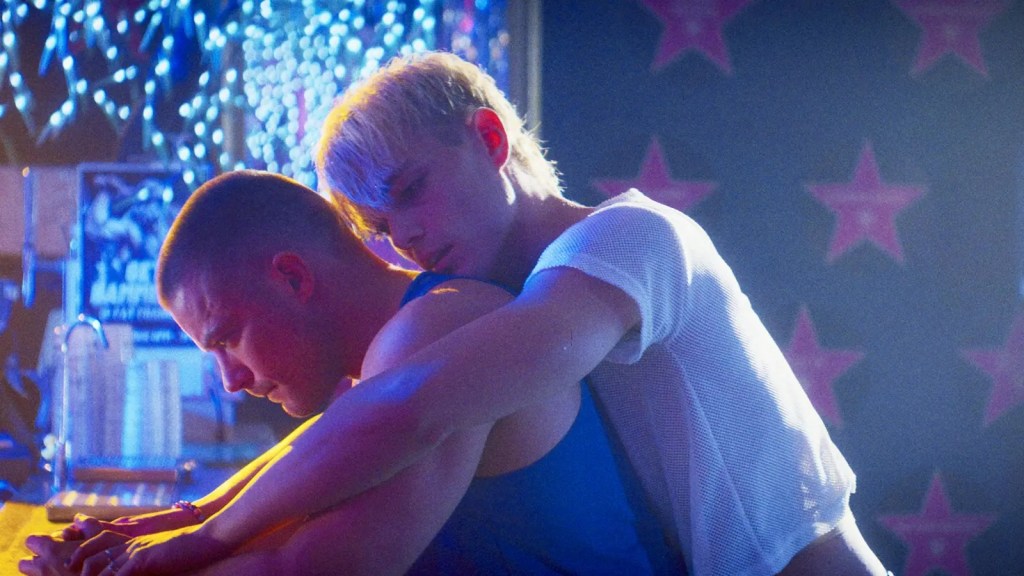
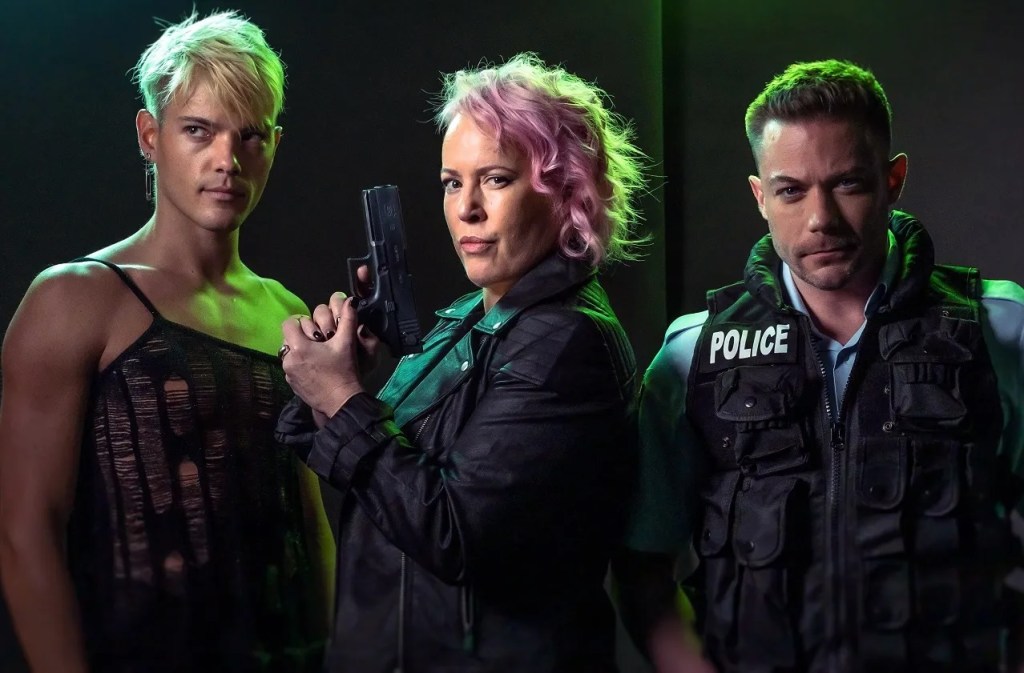
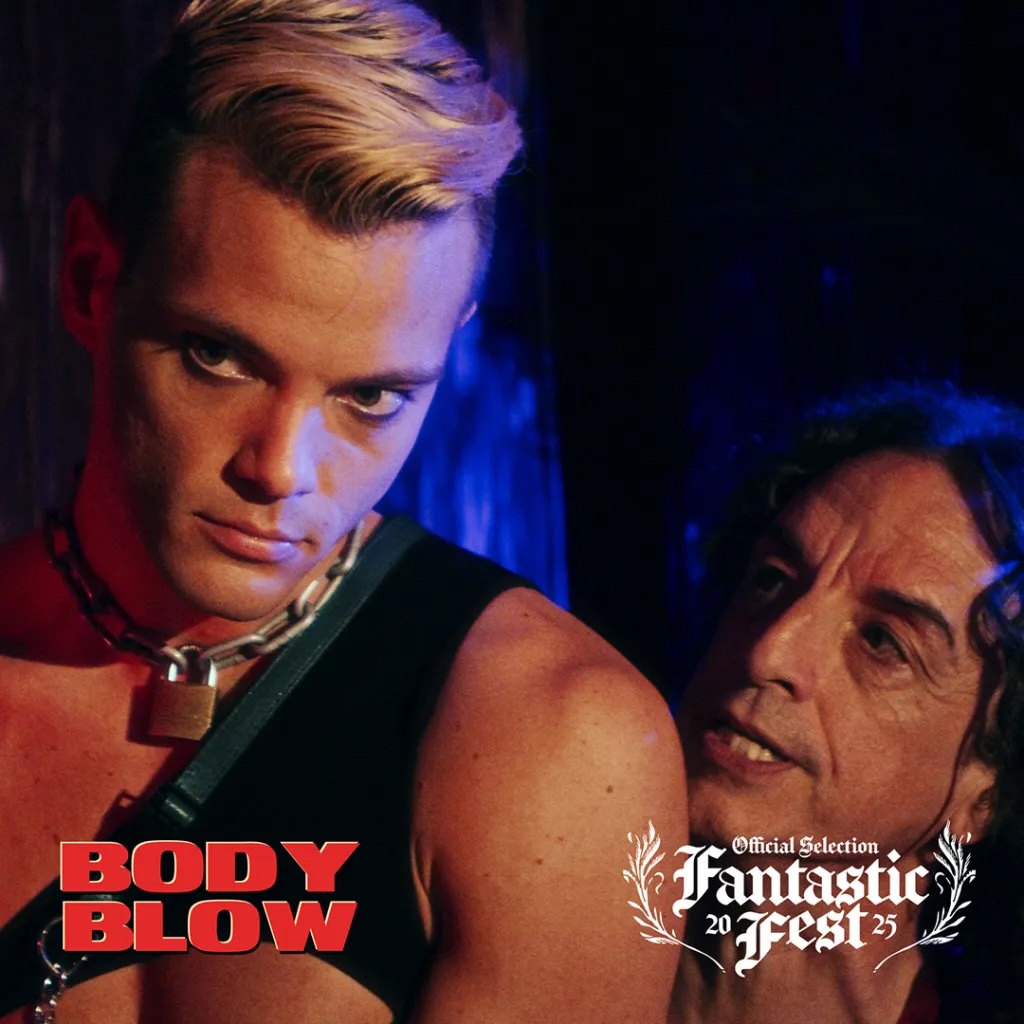
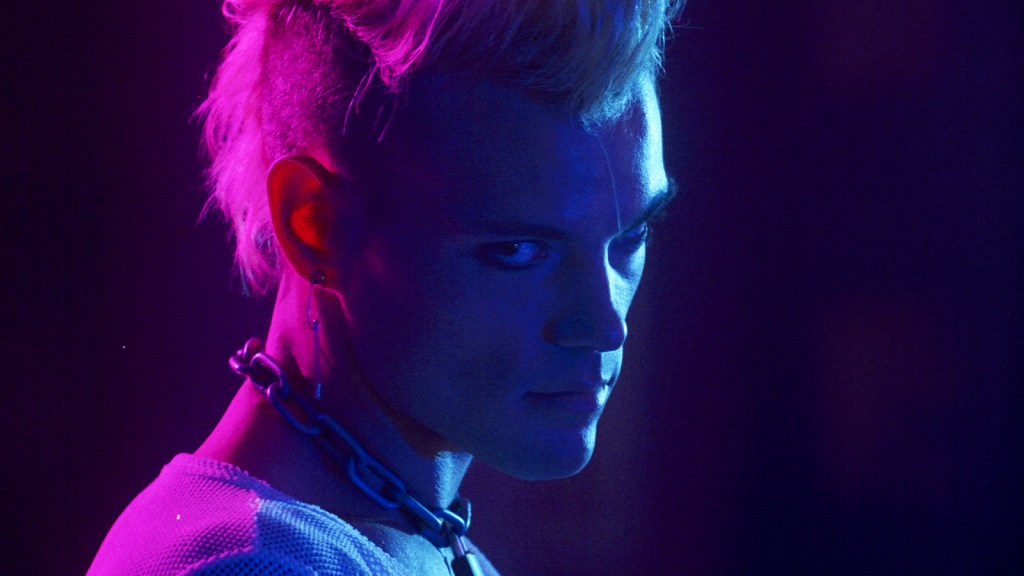
So what is this incredibly enticing piece of film that Dean has created? Let me just show you a picture first. The thing about his film is that it is SO VISUAL and beautifully stylized that it’s practically impossible to just tell you about. I just want everyone to see it. It’s worth watching for a cadre of reasons. To start with, its pictorial elegance, while stylized and opulent, also edges towards the deliciously sleazy and sordid. It drips with both vice and victory in its depictions of sex and violence. So obviously it was MY kind of film. Rarely do I get the privilege of watching a film that so effortlessly slides in and out of seediness simply through optics. It was SO FUN.

Its director, Dean Francis, who I will continue to celebrate and praise, had this to say about the way the film was shot:

Visually, I wanted to speak in the language of De Palma’s moving camera and
strong colours, Billy Wilder’s noir shadows, John Waters’ camp, and Greg
Araki’s nihilistic danger. I wanted to keep the seams of the film showing —
grainy textures, front-projection car scenes, under-lit rooms — like a film
forgotten in someone’s closet.

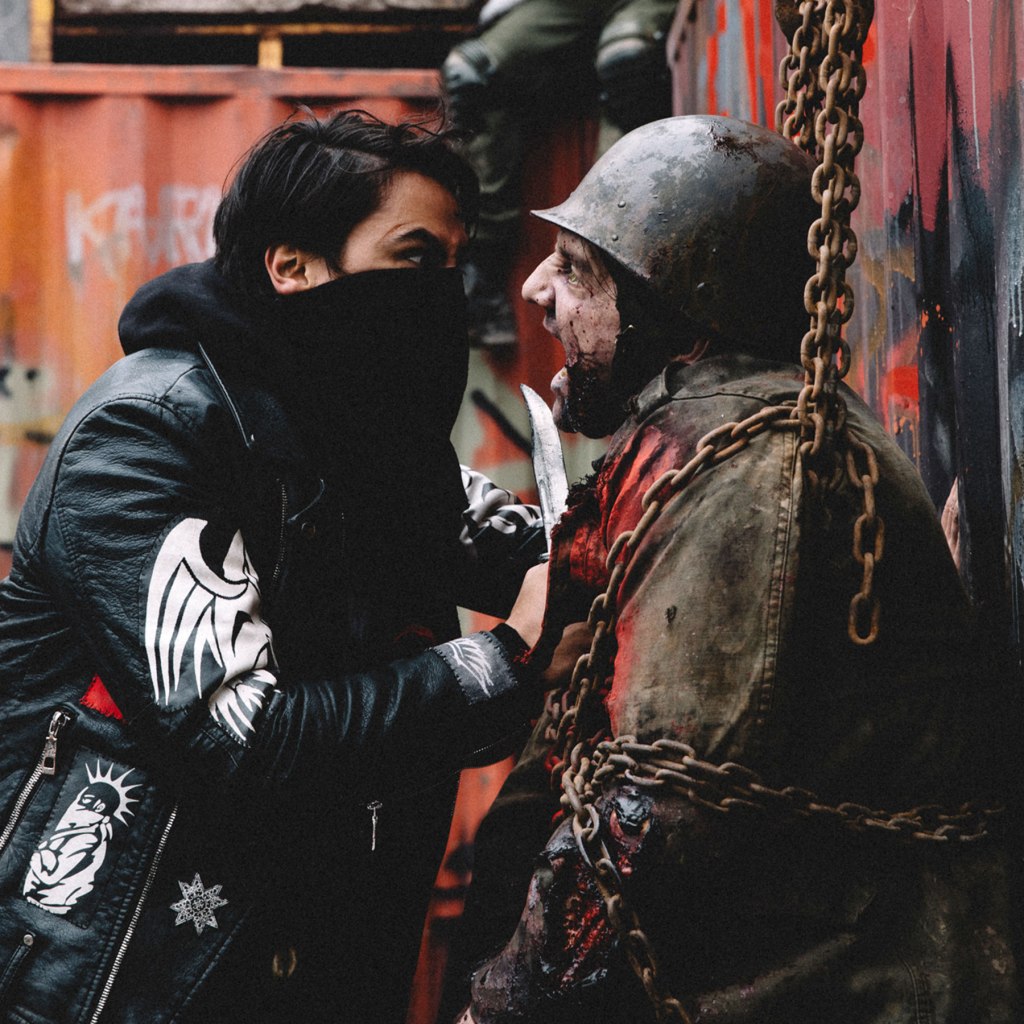
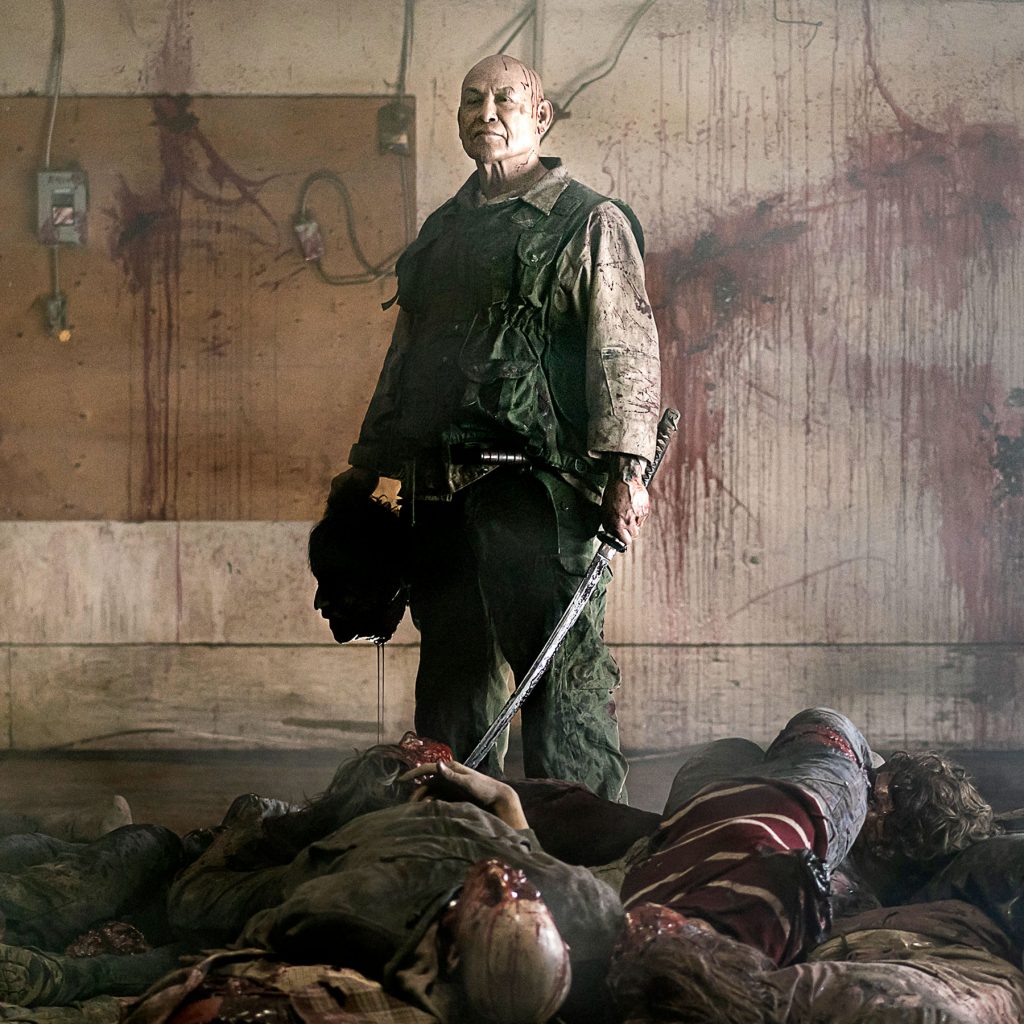
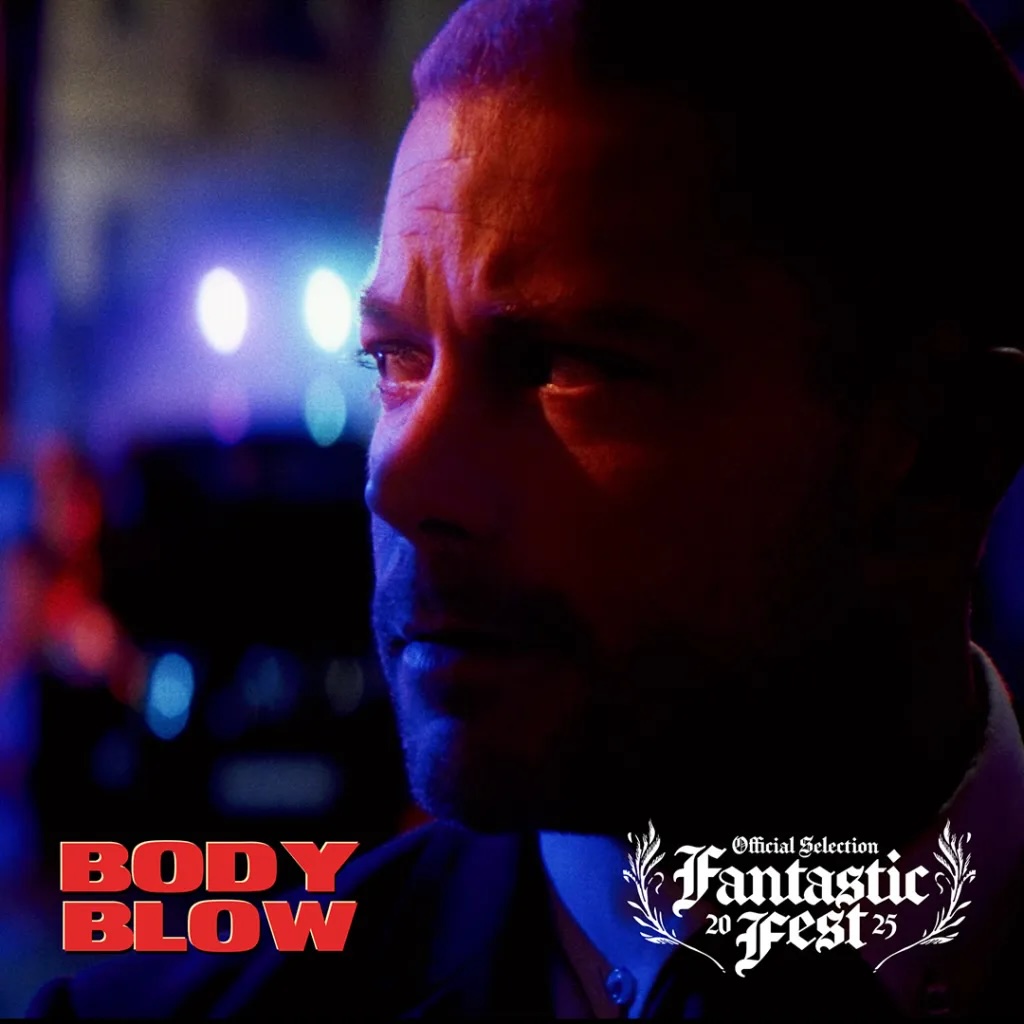
Just look at one of these shots….

It would be disingenuous of me to pretend that this film was a simple crime film or just a neo-noir. Because that’s just not how Body Blow works. It’s so much smarter than that. When Dean and I met, he told me it was an homage to 90s erotic thrillers. Which…if you don’t have an appreciation for, why are you reading my blog? They have such a great love for the complexity of women and y’all know that’s my jam!
So when I got the chance to see this film…OH HOLY SHIT DID I CRY WITH JOY! We really need more films like this. It’s all good and well to rewatch Sharon Stone and Glenn Close make that screen explode over and over with the classics, but I genuinely think it is possible to bring this genre into a new age and that Dean Francis has been able to do it. He does his film and the erotic thriller genre so much justice in his words. Check it:

I grew up in the ’90s, and it felt like movie characters defined how we
thought about ourselves and who we wanted to be. In those hyper-masculine
film worlds, the rules were the same: the man wins, the woman is the prize,
and their kiss is the final stamp of validation. As much as I loved
everything about those ’90s erotic thrillers, my growing awareness of my
gayness meant I always watched them as an outsider.
BODY BLOW was conceived as a way to explore these ideas and reclaim the
erotic thriller from a queer perspective. I craved the seductive, dangerous
pleasures of Body Heat, Basic Instinct, and Crimes of Passion, but wanted to
create gay anti-heroes we could all idolise and lust after.


To me, this film also reflects everything that I enjoy about a good crime or noir film- a heist, a “wrong man” scenario, a femme fatale (in this case a homme fatale), an deeply tortured/conflicted lead character and a deep questioning of authority and right/wrong… Body Blow blatantly revels in the glorious narrative textures and complex discussions that caused me to fall deeply and desperately in love with films like The Big Heat (Fritz Lang, 1953), Laura (Otto Preminger, 1944) and Where The Sidewalk Ends (Otto Preminger, 1950). Of course, this is not a classic noir by any means. Those three films I mentioned are certainly part of Body Blow‘s cinematic cloth, but the film is far more than that. I hate being this hyperbolic about something, but after my conversations with Dean about the queer scene in Australia and the birth of this piece, I was so struck by the revolutionary-ness of Body Blow.

What’s unfortunate is that people don’t seem to know a whole lot about Australia, Australian film or what’s going on in Australia. Sure, loads of people have seen Muriel’s Wedding or Pricilla, Queen of the Desert (both great) but Australia has this wild and fascinating genre-bound film history and many of those films center on being an outsider or being isolated, much like Body Blow. Even the non-genre films tell stories of ostracism. A few of my favorite examples are Angel Baby (Michael Rymer, 1995), Stone (Sandy Harbutt, 1974), and Picnic at Hanging Rock (Peter Weir, 1975)- still one of the most terrifying films I have EVER SEEN. But I think the most relevant films are films like Sweet Country (Warwick Thornton, 2017) or The Sum of Us (Geoff Burton and Kevin Dowling, 1994), two films that truly focus on the trauma that exists (and builds) as a member of an oppressed community- one aboriginal, one queer.

Queer films are, and always have been, revolutionary…Body Blow is “an act of resistance” as Dean has written of his film. That is their nature. But the background on this is exceptionally important and while going into it without prior knowledge is fine (I’m one of those people who likes to go in that way), I think knowing the history and continued issues going on in Australia are not only important but rather shocking.

When I met Dean, we spoke of many things regarding the film but one of the things we focused on was the police angle and what that meant within the queer world, the Australian queer world and larger concepts of force and authority. Being from Los Angeles, I obviously have my own feelings about the police, their presence at Pride, and more. But apparently the current situation in Australia is not very progressive. There are bar raids, hate crimes and more. By the police. So using the police to question positions of power and flipping the situation completely, making it a queer police squad…is so smart and so very brutal at the same time.

It would be a dire mistake to see Body Blow as a film that supports or is somehow “pro” police. That is so far from the truth it’s not even funny. If that is what you see, I beg you to examine this work further. It’s a really goddamn smart film. It would be sooooo easy to make a good guy/bad guy movie where the police (who are *supposed* to work for good) are your “winners.” And sure- Francis made a point of not killing the queer heroes. But THAT’S a choice too. Go into Body Blow understanding that it’s not only a meticulously created piece, but complex and smart. Don’t take everything at face value. That would undervalue this piece.

Context is essential when it comes to Body Blow and I want to place this film in the correct context so that you, my reader, can understand how critical the narratives of power, authority and “official conduct” are when it comes to this brilliantly layered neo-noir queer film.

When I spoke to Dean, we talked about his formative years and what it was like to be gay in Australia. This is a very personal film for him, and I think that needs to appreciated. We look at genre films in a way that separates them from the author because they are “genre” but the truth is that many genre works are deeply personal. Body Blow is no exception.

In a recent conversation, Dean had this to say:

Body Blow is an important film. It is important for a number of reasons. It’s critical that it’s Australian. That it’s queer. That it’s celebrating erotic thriller culture. It’s important that it literally asks the audience to critically examine power structures and authority figures. This is a different and wonderful film. I see it as a crime/noir cousin to Female Trouble (John Waters, 1974), subverting every socially acceptable norm and not just subverting them but rejecting them and undoing them for significant reasons. Female Trouble fiercely attacked heteronormativity using camp tactics. Body Blow actually goes a bit further (not to undermine Saint John of the Waters) and utilizes anger, frustration and cinema passion to underscore revolutionary statements.

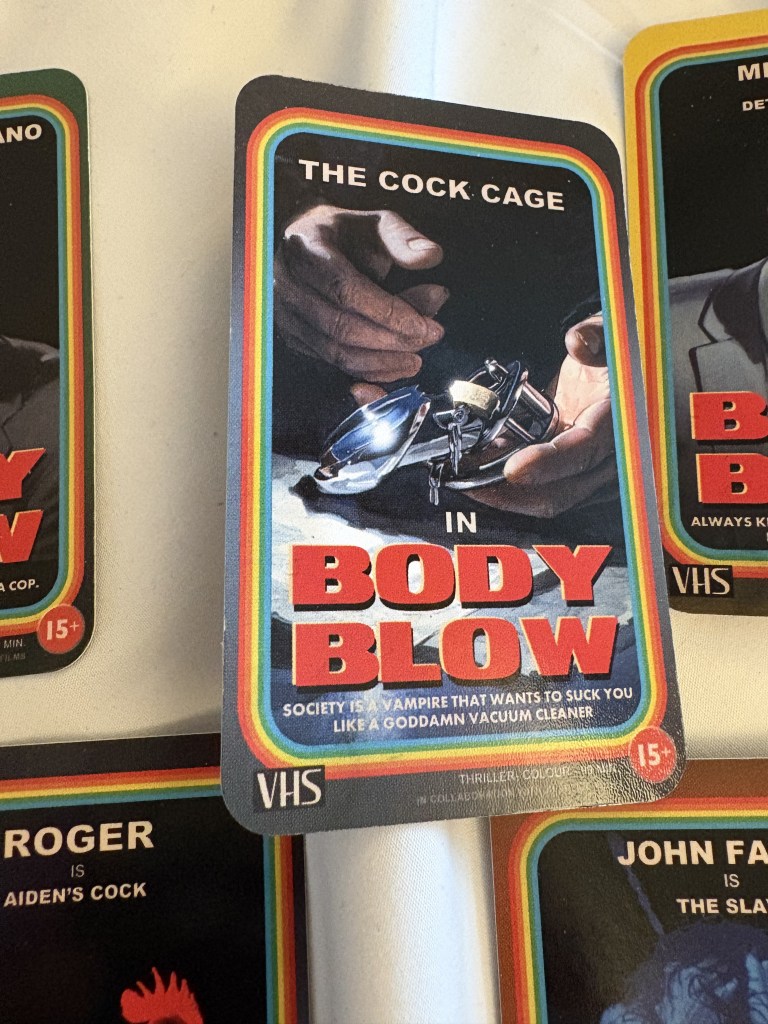
If I have filled your head with too much serious shit, please let me release you from that bond. You are free from that cock cage (in Body Blow terminology). While I am always someone who wants to investigate ideas of gender, sexuality and subversion (my holy trinity), let me reassure you that this film is easy to just enjoy.
The story is good, the performances are hot, and it’s a solid piece of queer neo-noir.
I was stunned by the way it held up and didn’t rely on its stylization (because it’s highly stylized).

And while it certainly bears the Stamp of Camp (not a detractor), it gives space for so much exploration. And that’s what a proper crime film will do.

This film makes you think. This film is layered. And, most importantly, this film is enjoyable.

The characters are well developed and unusual. The story is well-constructed and the experience of Body Blow is like nothing else you will ever have.

Go see it or rent it. You won’t have any regrets.

For a viewing near you (or one that you SHOULD travel to) go here.

For AWESOME merchandise? Same link, but I’ll link it again….here

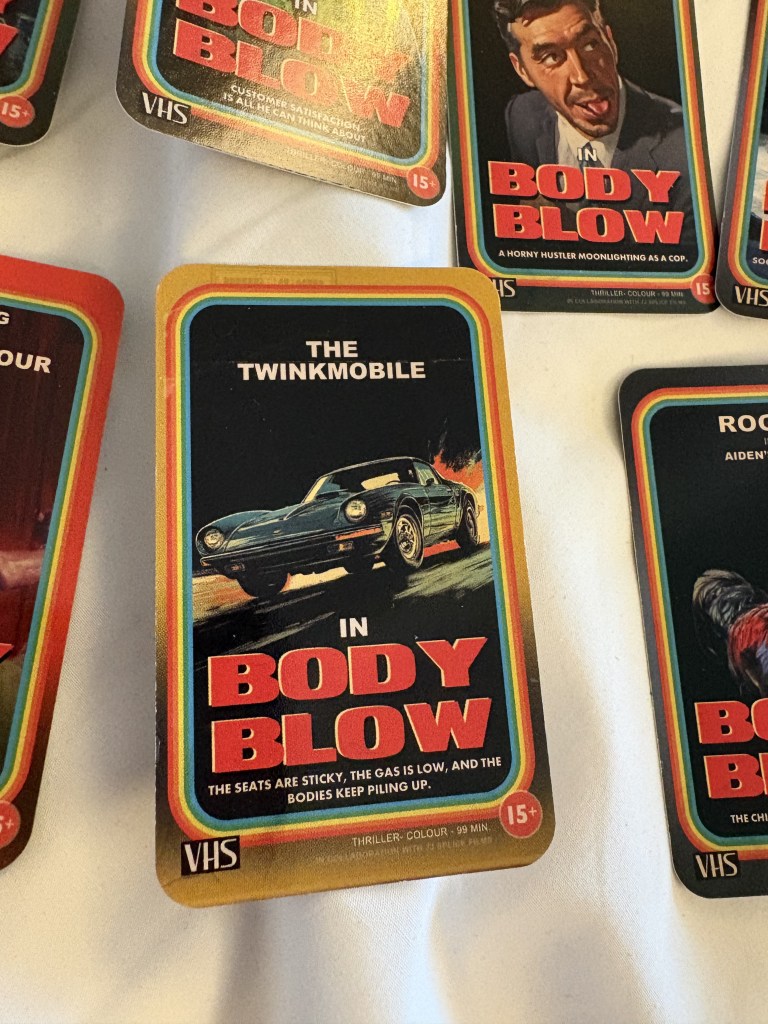
Also, please let me show you some of the merch designed for this amazing piece of cinema. I feel so lucky to have gotten these cards!!!

BIFAN 2026, part 2: Let’s Talk Cinema

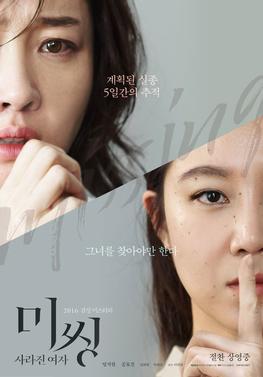
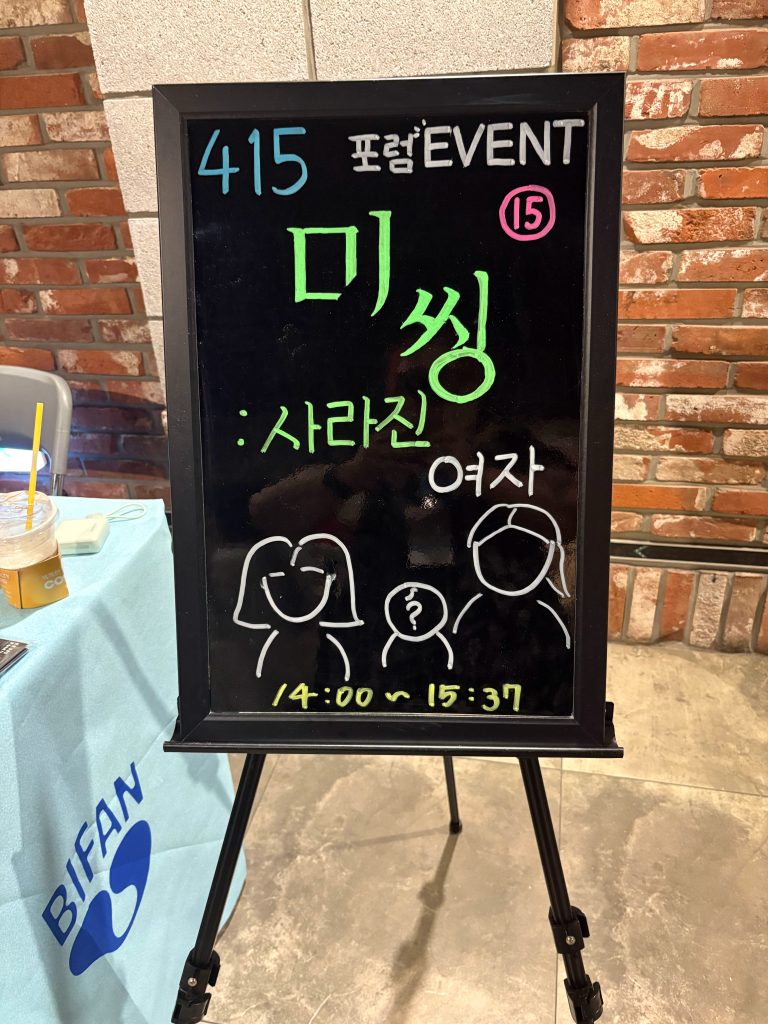
So the first film I went to see at BIFAN 2026 was a suspense thriller in their women-fronted section called Missing (Lee Eon-hee, 2016).

I think part of me knew what to expect, but I was pleasantly surprised. I was really happy to have made that choice. While not flawless, it was really enjoyable, especially on a big screen (as all good cinema is).

The film centers on a workaholic mother dealing with a nasty divorce and custody battle whose child is suddenly abducted by her nanny. Although this narrative seems relatively basic, the film does investigate a lot of women’s issues that don’t always get worked through in Korean media (or elsewhere).

[some spoilers ahead]

Missing is an older film (2016) so I knew that it was going to have some things to contend with, time and culture-wise. Older films always do. But (in my opinion) that’s usually the easiest part to acknowledge and get past. My issue is always with the body and soul of the film. If a movie is missing the meat- if the story is as solid as Swiss cheese- then it usually misses the mark for me. I feel like this film held up, especially as a film for women’s issues and as a women’s thriller. I enjoyed the ride and it gave me plenty to think about. It was suspenseful and action-packed and the challenges for the primary character were real.

I did have concerns at first…One of my first concerns was the nationality discourse. There was a cultural conflict between the Chineseness of the nanny and the Koreanness of the mother. As a woman living in Korea, I am quite aware of the racist feelings that are present between Korean and Chinese cultures. So in a situation that has a very clear class and socio-economic differential (a mother and a nanny), I was more than a little worried as to where this story might go, especially when the mother was on the search for her daughter in brothels and other desperate locations.

However, I was pleasantly surprised to see the film flip this uncomfortable environment and relationship text over and make it go into a different direction than I thought it would. That was probably my favorite part of the film.

But I also saw that it was definitely a film made by a woman who felt the need to pack too many unnecessary elements into the film which is (sadly) not unusual for a woman’s film. Men get a lot of chances to make movies. Even if their first film doesn’t kill it, they have historically gotten more opportunities at second films than women. And I felt that there was a certain amount of “overstuffing” going on within the narrative.

I wasn’t opposed to the items that were included, by any means, as I think they were all very important…but I think they made the film too busy. A mother who never gets to see her child due to the work-or-die culture in Korea, a virulently bitter and angry Mother-in-Law, a man from the criminal element who tries to help the main character on her journey to find her baby, several other things that don’t necessarily pan out. A few of those things worked in the films favor but…other things made it messy and too full.

Sometimes (especially in older films- and 2016 is technically a bit older now) when a film IS a bit packed…if it’s woman-directed/headed up, I give it a little more leeway. I think Missing qualifies. I had a good time watching it and it is worth checking out.

**In between this film and the next one I’m going to write about, I met people, I went to parties, I had 100% one of the best Karaoke 노래방 nights of my life with a few of the most excellent people who I will mention again later and I continued to celebrate cinema…again, BIFAN is a non-stop festival of film love and joy and I just love it so much!!! Now…back to the movies**


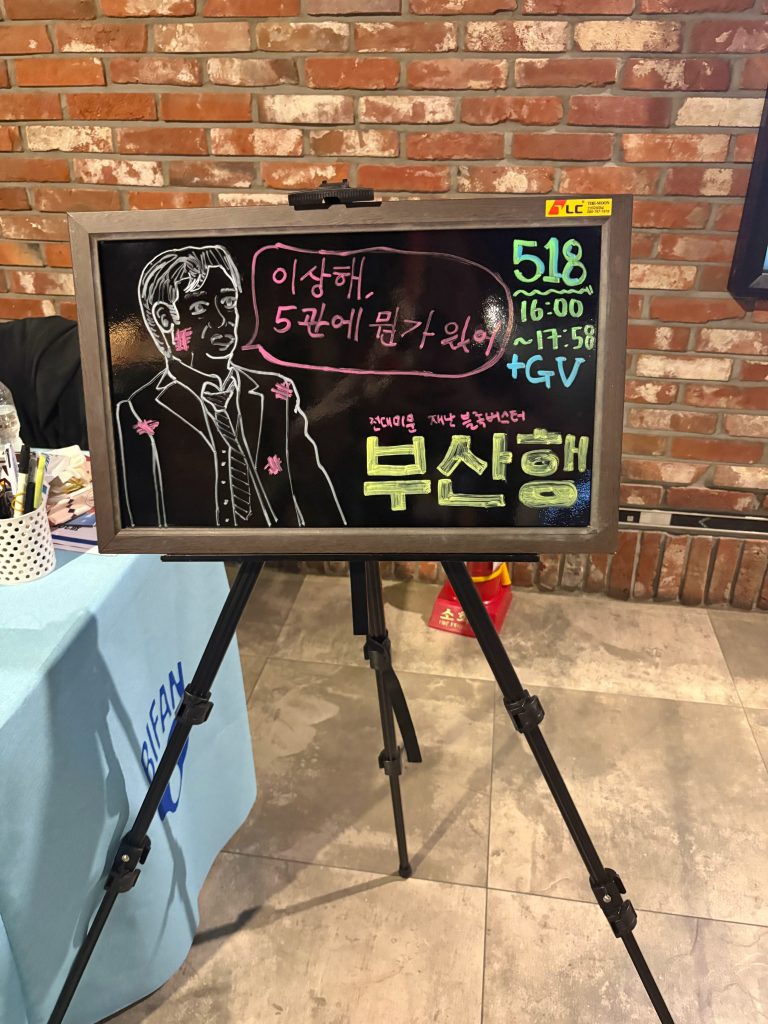
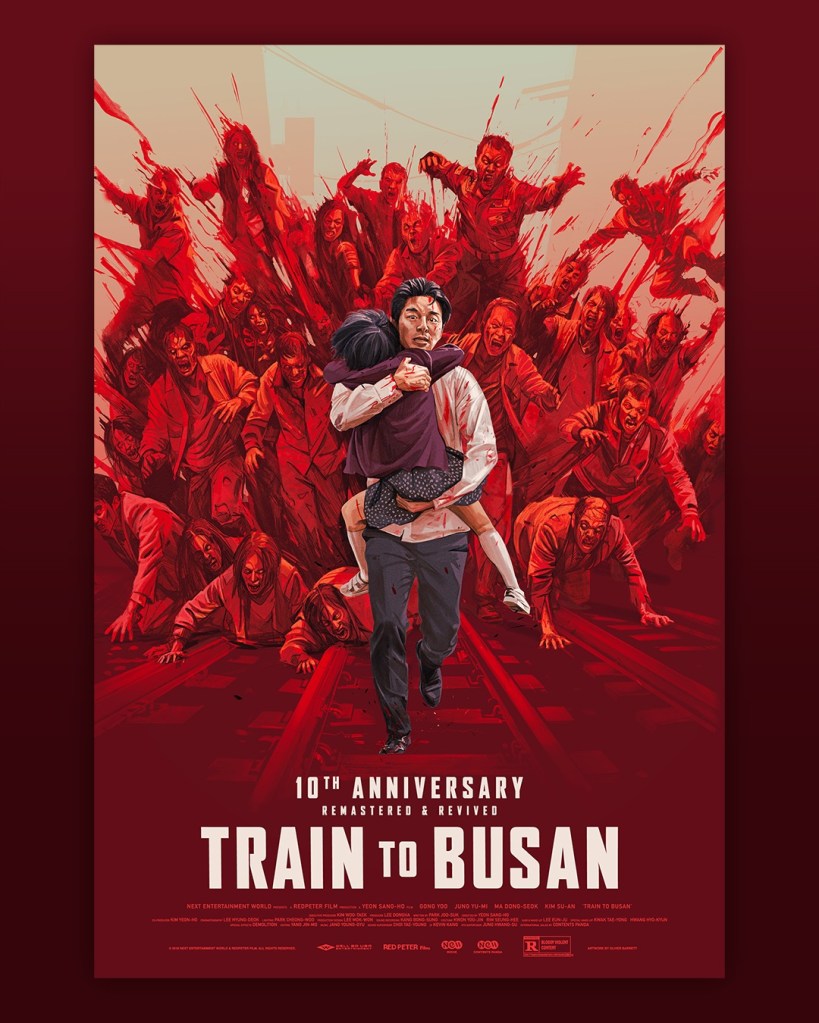
My next film was a re-watch, so I was initially only medium excited about it. But I WAS SO WRONG!!!!! Watching this on the big screen in Korea, not to mention a 4K restoration was just….a GIFT. I wish I could properly describe all the feelings running through my body as I watched this amazing work of cinema on the big screen, but it would be absolutely impossible. BUT I WILL TRY.

I moved to Korea in 2019, so I have had to really really think if I have seen Yeon Sang-ho’s absolute masterwork, Train to Busan a) in the theaters or b) since I moved here.

The conclusion I came to was that I **may** have seen it in a theater in LA, but I have never watched it in Korea. Like, never ever. And considering how long I have been here…my comprehension of the film has changed 360 degrees. This is a brilliant film from all perspectives but its absolute Koreanness and ties to Korean culture were missed by the non-Korea-living-Ariel.

That all changed with this mind-blowing, ear-blessing (the sound is sooooooooo good! Massive kudos to those who restored the sound!!!!), restoration. I’m not going to say that I was Korea-stupid when I lived in LA- I wasn’t. Obviously not. That’s part of why I picked up and left my life there and moved here. But, that said, the critical nature of this film was not as clear to me when I saw it previously (although it should have been- it’s a fucking zombie movie- THE horror genre of “social commentary”, amirite??). That said…let’s get on with it, as they say.

As a film archivist, this is a killer restoration. It really is like seeing the film for the first time, even if you’ve seen it. It’s crisp, clear, and visually perfect. The colors are stunning and it’s not overly digitized. It’s very clear that the people who worked on it cared about what they were doing and didn’t “go for the gold” as far as excessive motion work or FX as far as what is available. There is a lot of new technology that has become available in the restoration world in the last 10 years and we are dealing with fast zombies, not Romero’s classics. Could’ve been so bad. And it wasn’t. It was truly lovely.
The film was cleaned up the way it should have been, meticulously cared for and not excessively worked over. No one looked like they’d had plastic surgery (no one’s skin was too smooth), all the materials (clothing, train seats, environments, etc) kept their original “skins” and the color tones were time-appropriate (year and time-of-day). I know these things sound nerdy as hell (or weird) but they are important to someone like me who spent a lot of my life working in the preservation and restoration world.

But restoration and preservation was not the only thing I was watching for. Train to Busan is one hell of a motion picture.

I had THE best time watching it and got a whole new experience out of it.
Now that I live here, I have a deeper and fuller appreciation for the film. There is so much meaning in these characters. From the baseball team and the little girl with the separated parents to the salaryman who was a social zombie in his life before he was a dead flesh-eating zombie (very Romero) these characters all really got under my skin in a different and amazing way. Sure, I love zombie films and this one has always been top-notch. But the massive differential in when I saw it near its release in the US and now, upon restoration, living in the country its from is real.

Anyways, whether you live in Korea or elsewhere, do not miss this restoration. It is the real deal.

More BIFAN updates to come….

Happy 30th, BIFAN!: Film Adventures, Part 1

So I was back at BIFAN for what was my 7th year and it was amazing as usual. I’m writing this post-mortem, after a few days back at work, somewhat recovered. But…generally I don’t recover from my BIFAN experiences for quite a while afterwards. They’re too extraordinary.

Seeing all the people I am so grateful to know in the global film community and having the rare and beautiful chance to reconnect and chat about film, the state of the industry and random nonsense over great food and drinks until far too late at night/early in the morning.

Then there’s the added bonus of meeting NEW people and learning about new projects and films being made and pitched which is also so inspiring! As an academic and career film fan, I am someone who is (likely) the intended audience for these works. Therefore, it always gives me hope when I sit down for dinner with people at BIFAN from a host of countries and cities (some I’ve been to, some I’ve never even heard of!) and get a chance to experience the passion, enthusiasm and creativity that is alive and well in the genre film world. This year was no different.

It’s not easy out there. I had a lot of conversations during the festival with people who I would call genuine film warriors. Money is tight (if there at all), offers for purchase and distribution are unfair (understatement) and it’s just rough. But these people are working their asses off to keep genre film not simply alive but growing and thriving. This makes me incredibly happy and grateful.

I’m still mulling over all the films that I saw in my head and those write-ups are coming! But what I wanted to do first was just get a feel for my experience written out. And…what was my experience? As usual, I loved it. For 10 days I was so happy, relaxed and at ease. I was immersed in cinema and cinema people. Of so many different kinds…restorations, Korean cinema, women-made films, extreme horror, queer media…it’s just a joy to exist there for that brief moment of my summer.

Honestly, when I’m at home here in Seoul, it can get a little hard and lonely. The cinema spaces are very different and the community is not the same. BIFAN gives me this glorious gift every year. Great conversations, great films, great theaters to watch movies in…and I never take it for granted.

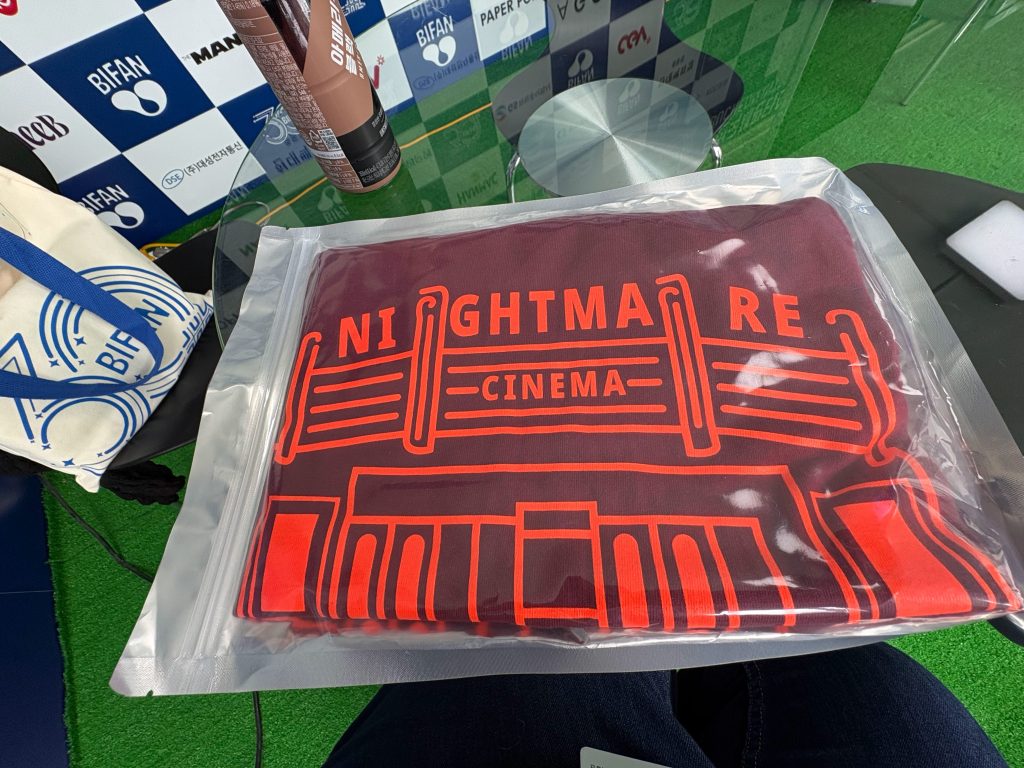
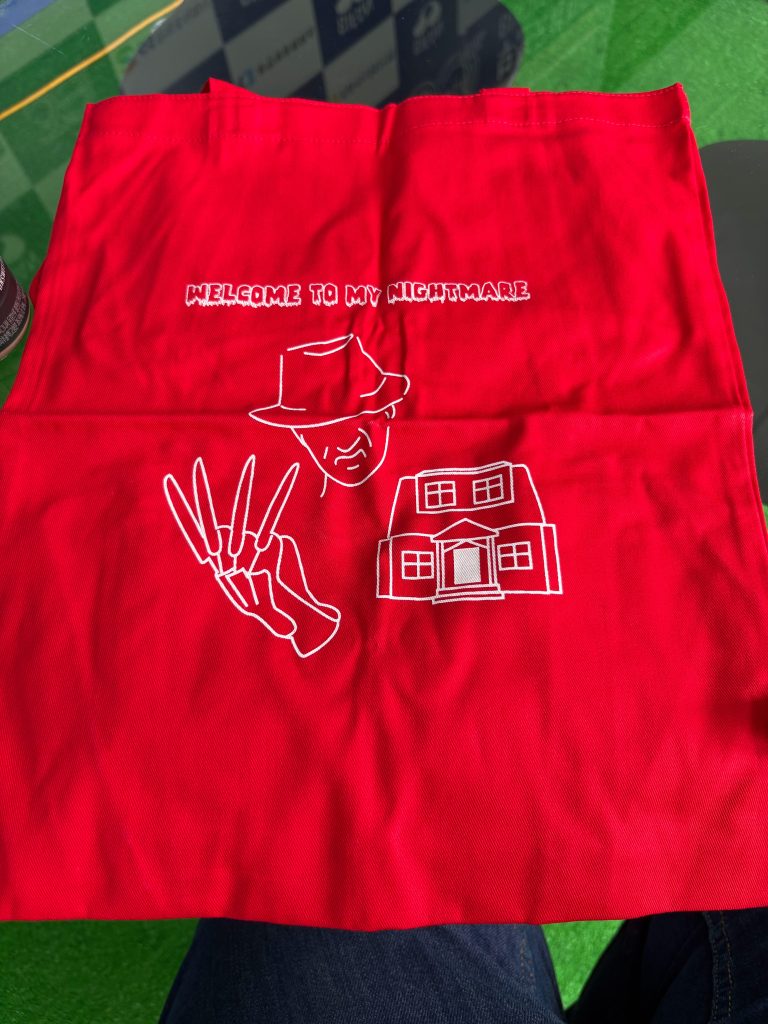
This year was also super cool as they had a tent full of swag from past BIFANs so I got some super cool stuff that I will be rocking for ages! A great Nightmare on Elm Street-themed bag and tee. Sooooo into it!!!

This piece is just a basic initial update to be effusive about how much I enjoyed myself and say that I’m still alive after 10 days of insane living with my beautiful brilliant friends in Bucheon that I see annually.

Sooooooo….watch this space for subsequent discussions of really interesting work such as the 4K Restorations of Train to Busan (Yeon Sang-ho, 2016) and Save the Green Planet (Jang Joon-Hwan, 2003), as well as a Bollywood restoration, a 70s Korean horror restoration, a Korean woman-directed thriller, and a GENUINE queer banger homage to 90s erotic thrillers called Body Blow (Dean Francis, 2025) amongst others!

Thanks BIFAN for the opportunity to get to do this yet again!

interior of a spooky broken down house

Home is Anywhere You Hang Your Head: Oddity

Last night I watched Damian McCarthy’s 2024 film, Oddity. Needless to say, I absolutely loved it. As a horror film (it gave me a jump scare! SO rare for me!!), as a women-in-horror-film and as what I saw as this violent bridge between toxic masculinity and domesticity in cinema.

Obviously domesticity has played a massive role in film over the years, but with this series I want to examine how there is a preponderance of films that align men’s need for power and their ownership for a home/house. I will take this and weigh it up against women’s safety issues and delve into a variance of thoughts that I have on heteronormativity and domestic lives, class, and what consists of “home,” “safety,” and “power.”

Generally, I hate spoilers and I don’t do them. But since this is more of an academic project (and they don’t care a whit about spoilers) I’ll just give you the upfront right now: There will be spoilers. So if you care about those things, see the film before you read each of these pieces.

On to Oddity and my need to start exploring this topic, especially now.

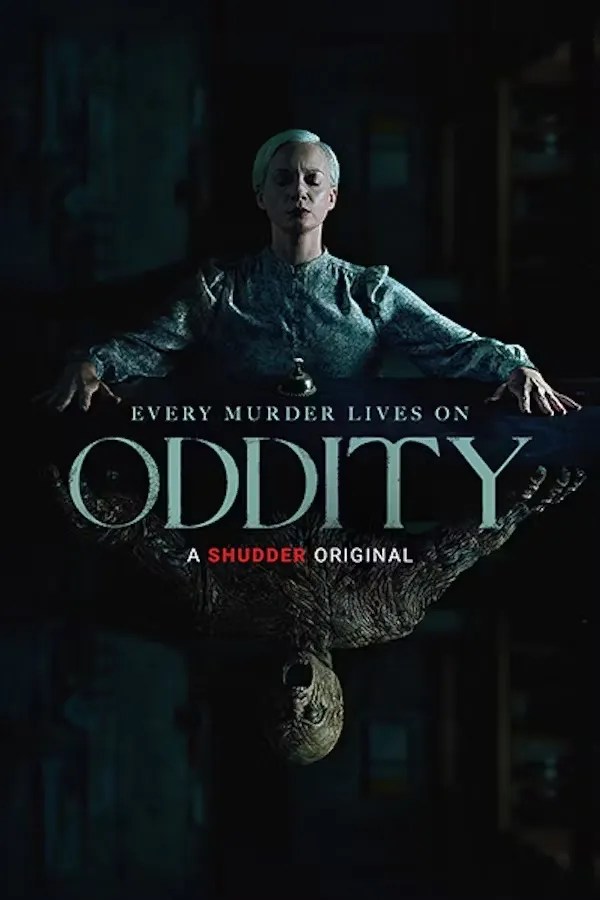
Oddity film poster from 2024

I’ve been trying to watch more films recently and this one was on my list for a while. I have also been thinking about concepts of “home” a lot so it was pretty odd that they ended up integrating these things within one work. But that happens sometimes. Ah, film, you therapeutic bitch! You know exactly what I need sometimes!

Anyway, all that aside, the story isn’t overly preoccupied with the theme that I’m preoccupied with. It’s primarily centered on connections- familial, supernatural, and the toxicity shared between two supposedly “sane” men who work in a clinic for the mentally ill.

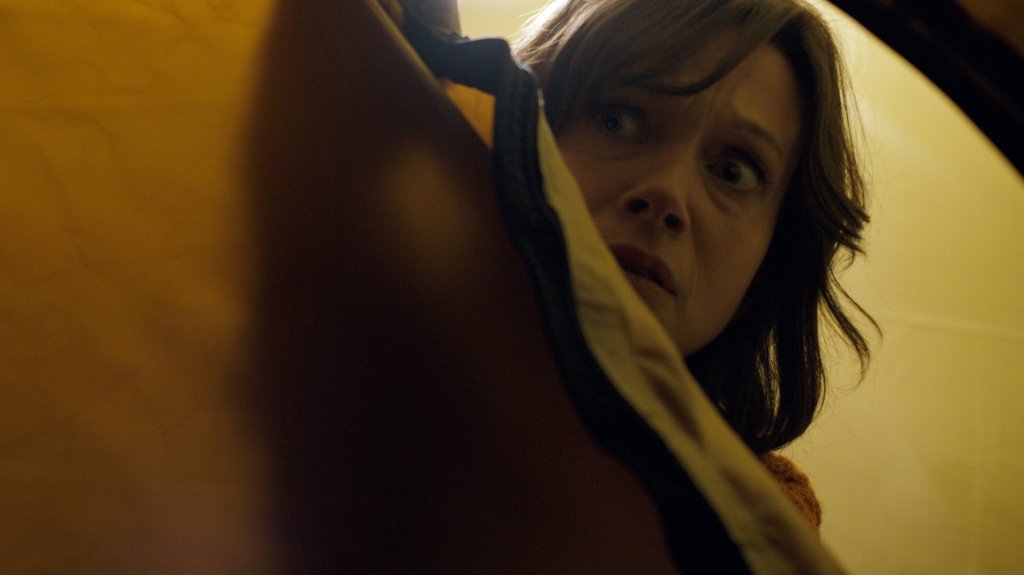
Dani and Darcy are twin sisters (both played by the remarkable Carolyn Bracken). Dani, married to psychiatrist Ted Timmis (Gwilym Lee), has just moved out to the countryside to the couple’s new home which (because Horror Movie Rules Say So) has very little cell phone service. This is, however, completely acceptable in the film. It’s that good. We learn from a short exposition by Timmis to his clearly slimy coworker Ivan (Steve Wall), that he’s quite into his new home.

Then Dani dies. But the film does not exactly tell us how. Which is excellent. It hints at it through a thoroughly terrifying scene starring one of Dr. Timmis’ recently-released mental patients, Olin Boole (Tadgh Murphy), but it does what truly great films do- gives breadcrumbs of information, not entire slices.

In a film like this, you really don’t want a sandwich. You just want continual tastes. And that’s what McCarthy does. He builds it like a delicate dollhouse; you’re almost afraid to take a breath with each new scene revelation. It doesn’t unravel, it builds. Even up until the very conclusion. What a film.

Darcy, who is blind, travels to the remote countryside house around the time of Dani’s birthday for various reasons, such as her now former brother-in-law suddenly has a new girlfriend living at the house less than a year after Dani’s murder. So Darcy’s more than a little curious. Unfortunately for Darcy, this doesn’t work out well.

I don’t want to spill the precise details. I want you to see the film.

What I DO want to talk about is ideas of home, domesticity and safety within the context of Oddity.

Concepts of mental balance are of prime significance in the film as are the strength or veracity of relationships.

Dani’s last call to Darcy literally states, “We are connected.” While that is meant to refer to cell phone status, it means far more. Not only are they twins, they are both women. In addition, Darcy is a psychic and medium, maintaining supernatural alliances as well. There are a plethora of connections reflected through this one sentence relayed over voice message. Played multiple times within the film, it is done so in order to emphasize that this is one of the only true and reliable relationships that exists.

*major spoilers start here*

Our poor murder victim is unable to see the reliable relationships in her life. This is a direct result of the primary unreliable one: her husband. As we come to find out later, he is the cause of her death. But she has been warned- again, through someone who she sees as an unreliable source: Olin Boole. Dani does not think Darcy is well, as she confers to her husband in the beginning of the film, asking him to see if she is willing to see a doctor. He agrees. If Dani doesn’t trust her own sister’s state of mind, why would she trust the warning of one of her husband’s former patients?

She doesn’t, of course, until it is too late and horror, literally, enters her newly purchased home.

Dr. Timmis is more than a little consumed with this house. He keeps it after Dani’s murder, going so far as to move his “new” girlfriend Yana (Caroline Menton) into it. She complains how uncomfortable it is and tells him she cannot/will not reside there. Begrudgingly, her boyfriend tells her that he will return to her apartment in the city with her, but it is clear that he is dragging his heels more than a little on this statement.

In a conversation he has with his colleague Ivan, he discusses the meaning behind the house, how much he adores it and how it holds a great deal of value for him. To be fair to the doctor, he’s telling the absolute truth. He values the hell out of that house. Enough, apparently, to order multiple women to be murdered in the confines of the structure and wish to continue to reside there.

What is the power and/or the strength of this house? What is the draw for him? While it might be argued otherwise, I propose that Oddity is not a haunted house film. While horror films around homes generally aggregate around ghosts/hauntings, House Fights Back, or some variation of these themes, Damian McCarthy’s work is something else entirely.

This film is a deep gaze into what happens when a man pours the poison of domestic violence and toxic masculinity into a building to live in. Instead of allowing the space “house” to grow into the warm creation of “home,” this hand-built environment has devolved into a supernatural reflection of Dr. Timmis’ own brutality. He is left alone with the trappings of his kills and a cold dark vehicle for existence. But, McCarthy does inquire in that lovely final scene, for how long?

There are a variety of other things to examine within this work- its references to the Jewish Golum, different ghost stories, etc. But I find ideas of reliability, mental stability, domesticity and connectivity most interesting.

The male “sane” characters- Timmis and Ivan- are remarkably unbalanced and figures of white male normalcy. The released “insane” patient, Olin Boole, is terrifying and appears disfigured and monstrous. Yet he is one of the most balanced characters in the narrative. Oddity is truly a film that is about the idea that perhaps not everything is as it seems. Domestic bliss is, perhaps, not as blissful. The charming ideal husband? Perhaps not so charming and ideal after all. But, of course, as in all heteronormative plots, the wife is generally the very last to know.

The bloodshed that transpires due to Timmis’ house obsession is very much about male-domination. While domesticity and concepts of “home and hearth” are attributed regularly to the feminine, ownership and spatial control are traditionally male concepts. Timmis wants the house to be HIS, he rejects the feminine- all the feminine. Dani, Darcy…even Yana in the end. That kind of control is the paradigm of traditional toxic masculinity and it is explored brilliantly within this film. It is also undermined and shown to be dangerous and horrifying by the finale (which I will not spoil for you).

While Dani is clearly preparing a home at the beginning, Timmis doesn’t give a shit. He just likes that he has this new house. It’s just a thing to him, not a larger way of life or an evolving connection with a partner. Obviously, the domestic violence (exacted through someone else’s hands) proves that. He wants to clear the way so he can Have What Belongs to Him

Oddity is a solid film with brilliant performances and really creative work. The women in it are unique, showing a realness that is ultra-rare. But the underlying fear that the men show of losing their manhood is a great touch, especially when underscored (and ultimately outdone) by strong women who are almost all characterized as disabled. Darcy has had cancer and is now blind and it is intimated that Yana was actually a patient in the mental institution. But my question at the end of the film is…what is the real disability?

I have named this series after the Elvis Costello song, “Home is Anywhere You Hang Your Head,” so I will leave you with that. Until next time….