I have always loved the gothic subgenre. Its dark and twisted nature has held me in a chokehold since I was a kid. Horror, romance, whatever larger genre the word “gothic” attached itself to…I’ve always been 100% here for it. That said, through the years I have certainly asked myself whether or not my attraction to this subgenre was…healthy. While the Magic 8 Ball in my brain occasionally responded with a rather impolite “outlook not so good,” I never quit being interested in the gothic media landscape. Healthy or not, I was transfixed.
In fairness to gothic”ness”, it is a subgenre that shamelessly displays its dysfunctionality on its voluminous pitch black taffeta sleeves. It doesn’t pretend to be anything it’s not. I find that to be quite respectable.
Indeed, gothic horror, gothic romance, gothic “insert the larger genre here” doesn’t even attempt to hide the fact that its basic premise will always lie within stories about fucked up people with fucked up problems and a severe lack of control over their situations. To make matters worse, the viewer/reader will almost always end up hideously heartbroken for one or more characters due to the dramatic beauty and sadness that are par for the course within a gothic narrative.
Perfect examples of this can be seen in just about every iteration of Frankenstein that has ever been made, from literature to screen, every iteration of Rebecca that has ever been made, from literature to screen, and every iteration of The Haunting of Hill House that has ever been made, from literature to screen. Obviously, the quality of some versions are better than others and some exude more camp than others but the skeleton of gothic”ness” remains the same. And I love it all.
Dysfunction be damned.
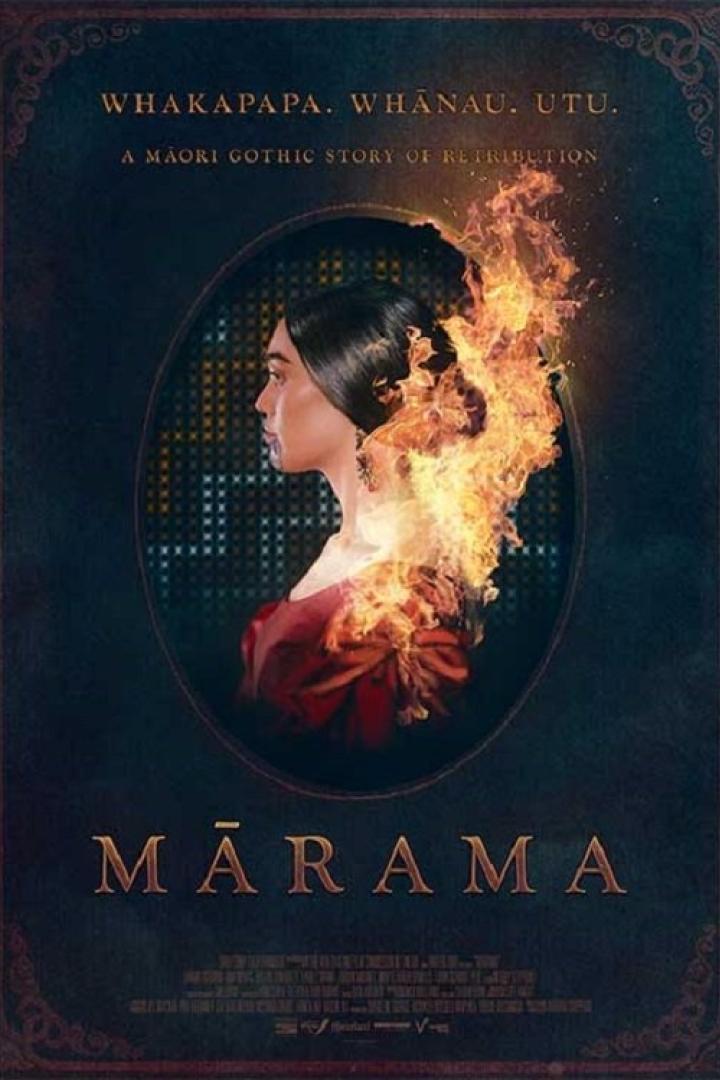
But then I saw a film a few weeks ago that turned my world around and upended my conception of what was possible with gothic horror. This film took all my previously held concepts of gothic storytelling as a slightly damaging or damaged storytelling device and threw them out the window. I saw a film that was so genuinely important that it couldn’t be ignored or denied. This film was the New Zealand film, Mārama (2025).
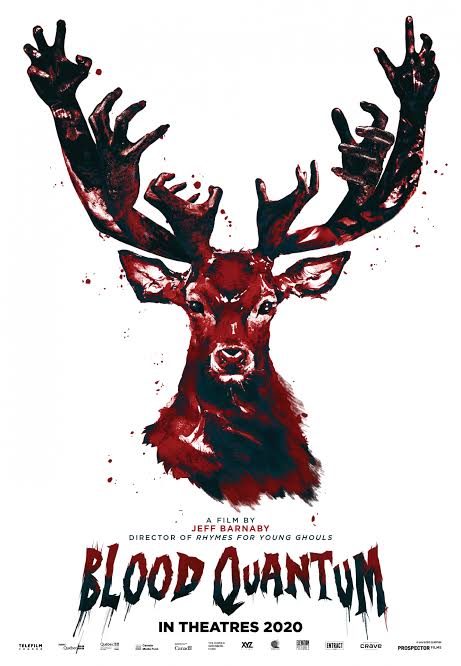
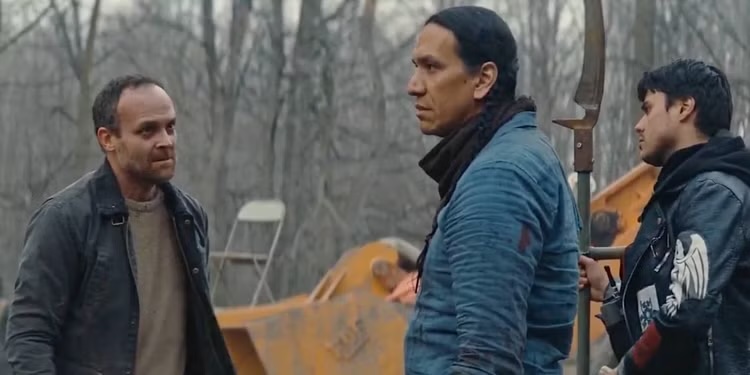
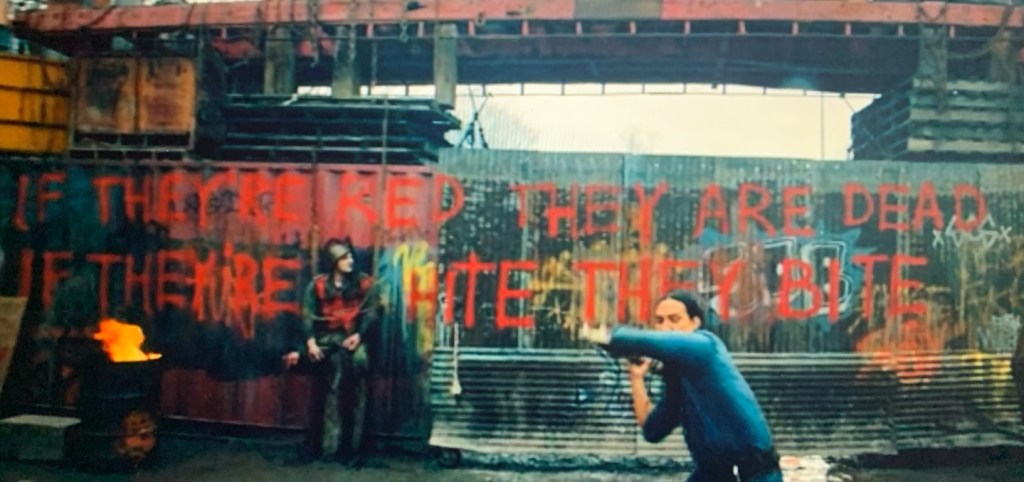
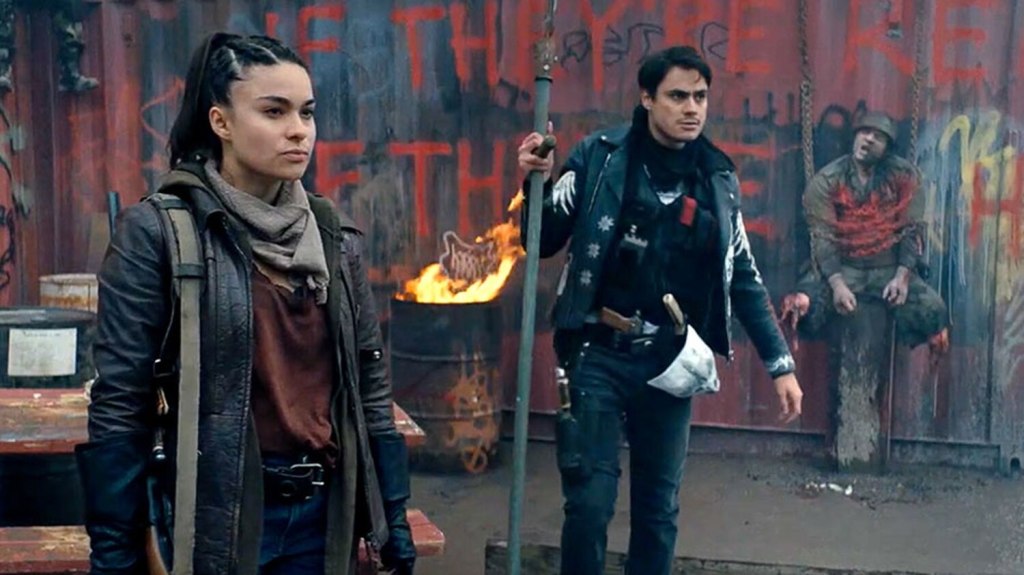
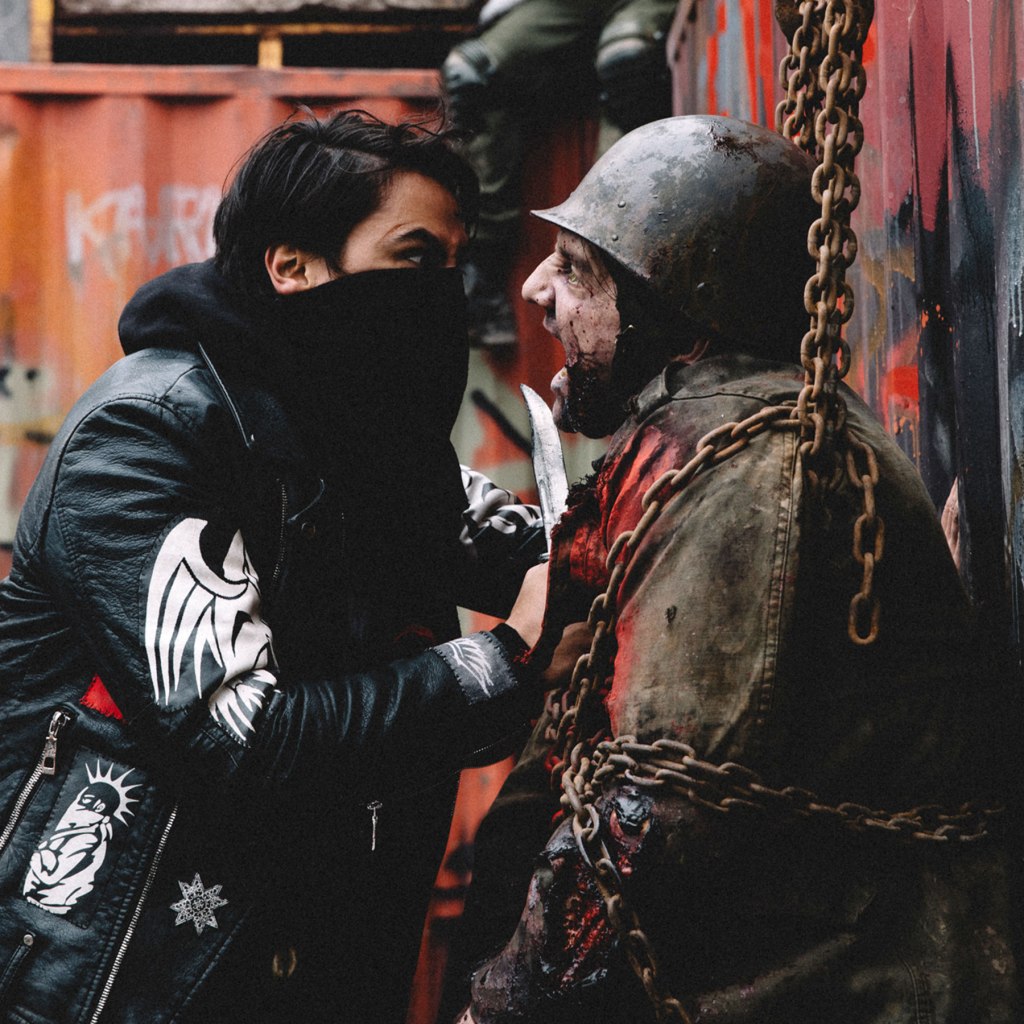
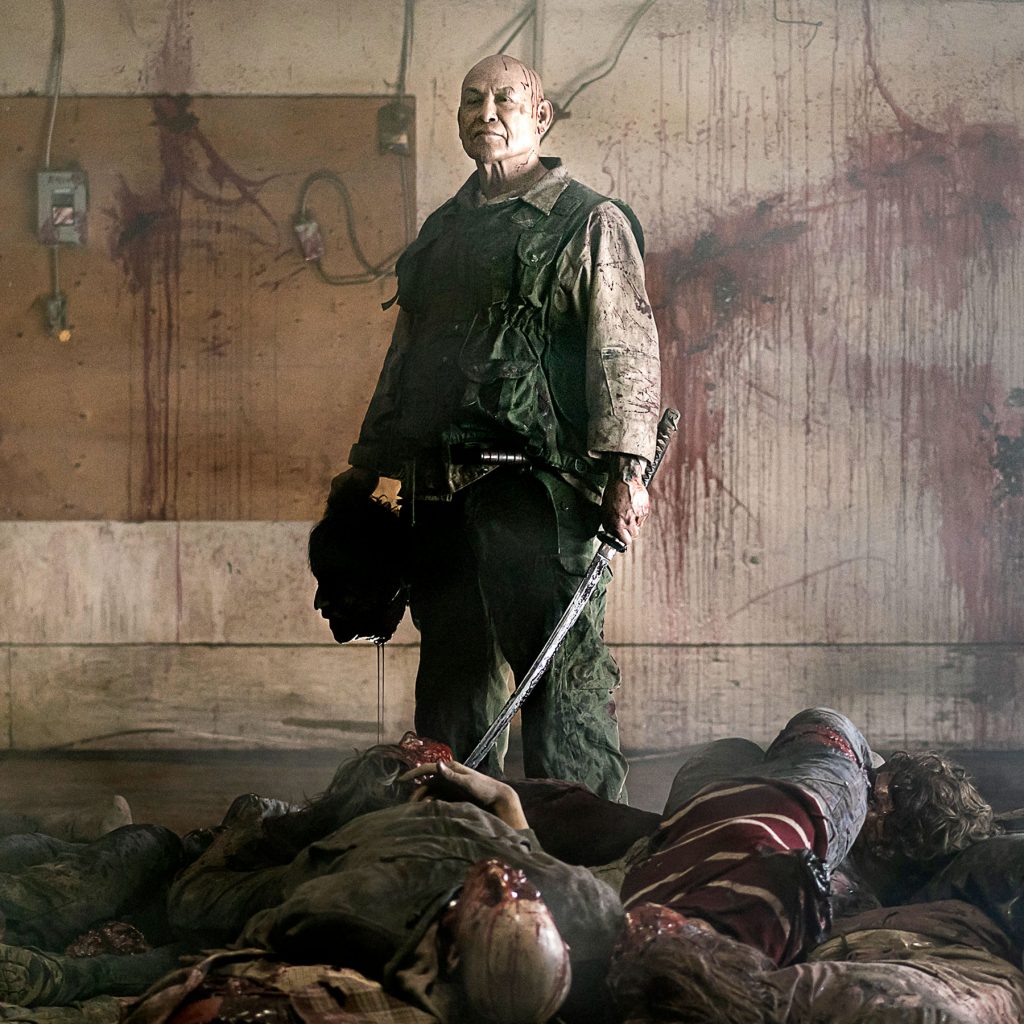
Much like what I wrote about Blood Quantum, this movie takes horror genre tropes and clichés (specifically gothic horror in this case) and flips them in order to make bold and vital statements about cultural identity and the terror of colonialism.
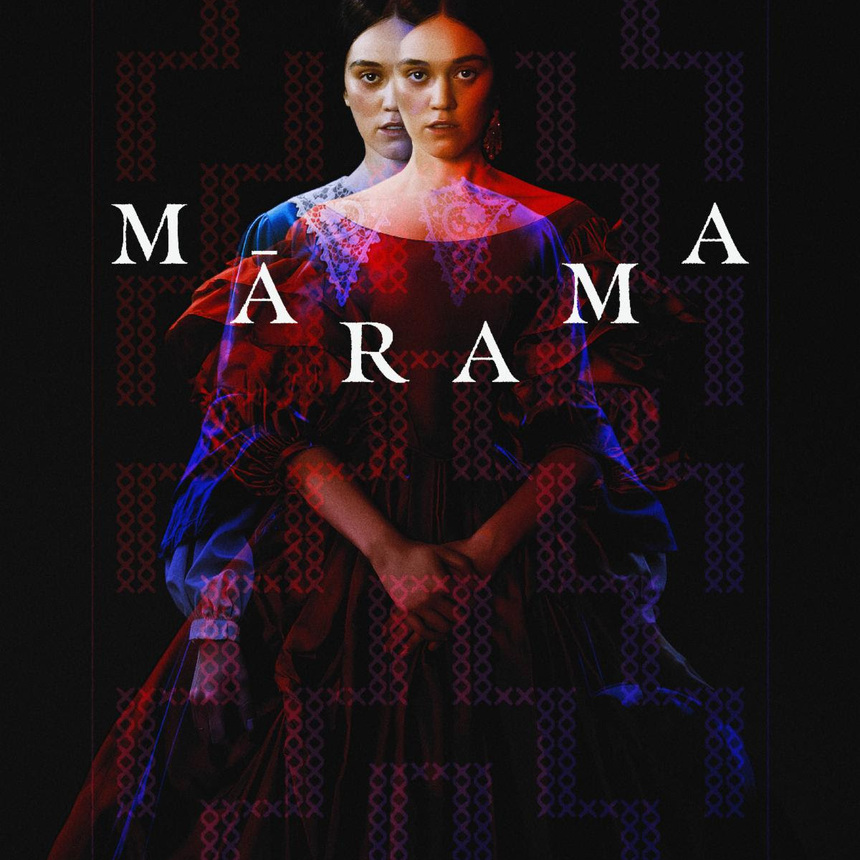
Mārama (2025) was written and directed by Taratoa Stappard. A filmmaker of Māori descent, he noted that he made this film to honor and remember the women in his family. He has also spoken of plans to make more films on this theme, which delights me to no end. At the time of this post, Mārama is available to stream on Shudder, and I firmly recommend viewing it. Multiple times. Not only is it visually stunning, but the performances are phenomenal and the story itself is remarkable.
I’ve never seen a movie like this and doubt I ever will again (unless Stappard fulfills his movie-making promise).
It is horrifying, heartbreaking and infuriating. It is other level in its high caliber filmmaking and brutal honesty.
It does the British no favors. The manner in which it portrays their sheer indifference to cultural heritage destruction is wild. And completely on point. The best and worst thing about Mārama is how realistic it feels and comes across.
This film is challenging and a true horror film in every sense of the word.
Brief Synopsis:
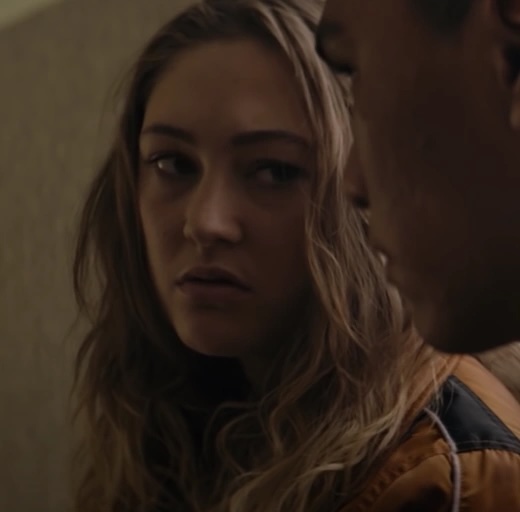
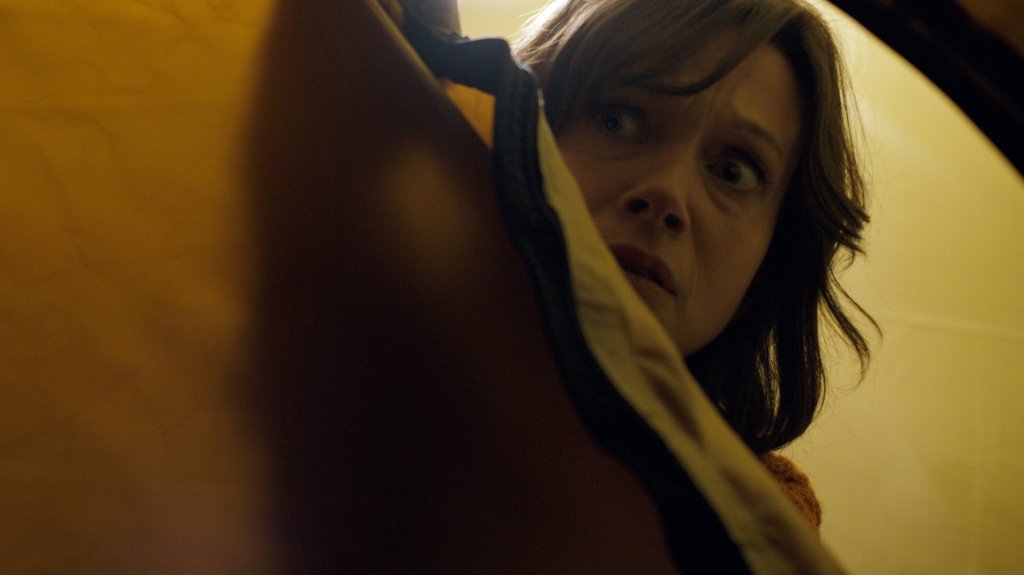
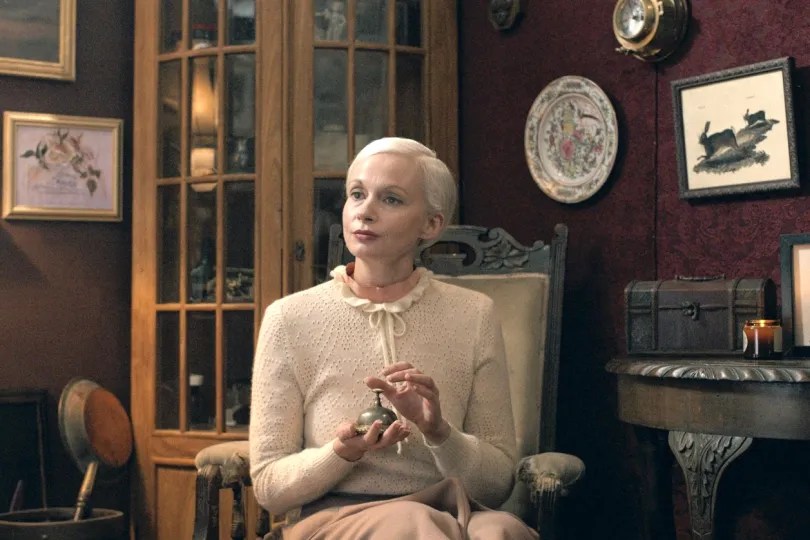
A Māori woman named Mary Stevens receives a letter from a man in Yorkshire, England who claims to know something about her family. In true gothic fashion, once the lady arrives at said location, she is told by Nathaniel Cole, the master of the house, that the man who wrote the letter is now dead. She reluctantly accepts a position at Cole’s estate as a governess for a young girl living there, mostly based on the fact that this girl speaks te reo Māori, Mary’s native language. However…strangely…so does Nathaniel Cole. Mary soon discovers that this mysterious house is festooned with Māori cultural artifacts, including a wharenui (traditional Māori communal meeting house) that has been shipped all the way from New Zealand to Yorkshire and is simply sitting in the backyard.
It is by this building that Mary reveals her real (Māori) name to her young charge as Mārama.
While their relationship building is quite positive, the brightness of that moment darkens quickly and the story gets bad from there and a lot more bloody.
I hesitate to include too many spoilers as this is a film that needs to be seen and experienced.
The opulence of the gothic aesthetic plays monumental havoc with the savage flashbacks and psychic visions that Mārama experiences throughout the film. These images, seen only by Mārama and the viewers, lay bare the damage that British colonialism has caused the Māori people in no uncertain terms.
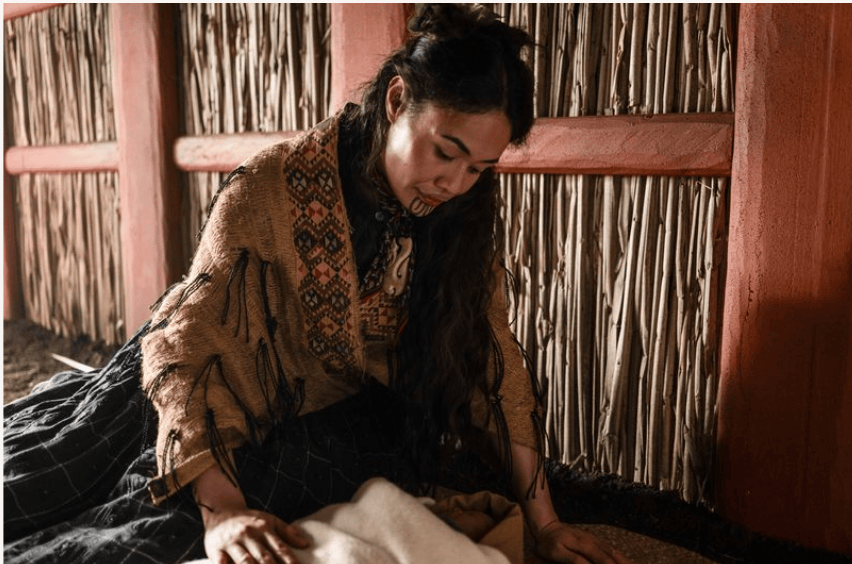
Traumatic and unquestioningly cruel, what we see through Mārama’s visions leave us no room to wonder what the relationship between the British and the Māori ever was but it does leave many questions about why this mysterious house has so many Māori treasures in it, including the wharenui and the little girl who fluently speaks te reo Māori.
Then, as if things couldn’t get any worse…they do. And when I say they get worse? THEY GET SO MUCH WORSE.
This will be the only scene that I will spoil. But it’s a big scene to me and I sobbed and cheered and gasped. I’ve never had a scene in a horror film produce so many sounds from me in such a short span of time. To call it brilliant would belittle its sheer power. It might well be one of the most important scenes in modern horror cinema.
Up until this point the film had a slightly supernatural edge with Mārama’s various flashbacks and psychic visions (although most were clearly trauma-induced so not supernatural at all), but this scene introduced the stone-cold reality and barbarous nature of colonialism. Every shot, every line of dialogue was real as fuck, and as such…it hit HARD.
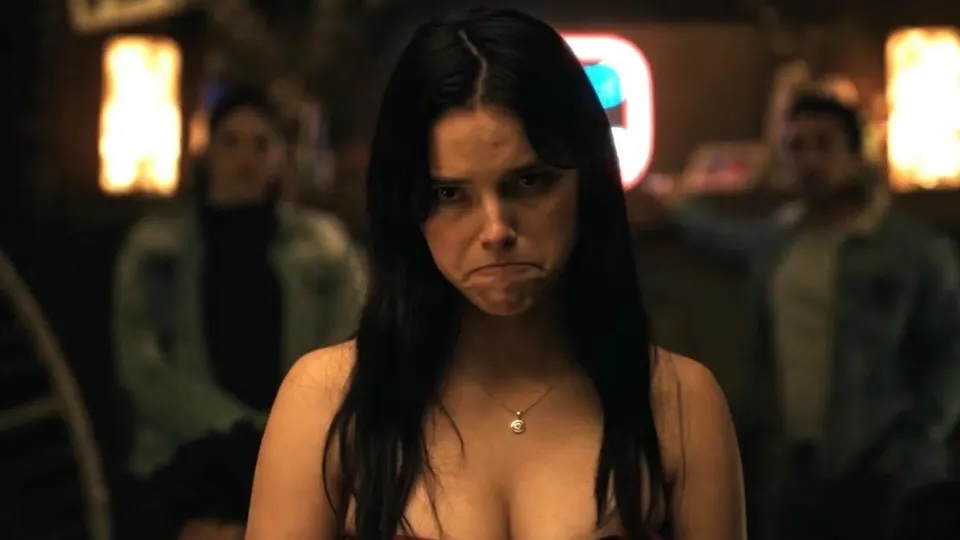
It is a party scene- the birthday party for Nathaniel Cole, the master of the house, Mārama’s employer- and her presence has been requested. She has even been told what to wear. When she comes down to the celebration she sees a friend of Cole’s, another British man named Jack Fenton. She is shocked at the meeting. Not only does he, like Cole, speak her language, but he has tā moko tattoos, traditional Māori facial tattoos.
At first she thinks he’s a just a drunk creep, but then he does the unthinkable and the absolutely unforgivable.
Jack stands up in front of the whole party and puts on a dancing and singing performance parodying the Māori people. He sings a song that begins by celebrating Captain Cook (without whom British colonialism of Indigenous peoples would have been impossible) and concludes by belting out lyrics centering on the rape of Māori women, all while wearing what appears to be a cartoonish version of Māori dress. It’s one of the most horrifying displays of misogyny and colonialism I have ever witnessed cinematically.
The crowd, all white mid-Victorian folk, laugh gregariously, enjoying the presentation immensely and cheering Jack on with drinks and huge applause.
But the tension in the room is real.
Mārama is standing in the corner, burning with emotion. She has fully divested herself of the Mary Stevens identity that she arrived to England with and it is clear that she now sees herself as the free and proud Māori woman she is. Not only is she disgusted with what she has just witnessed from this fetishizing exploitative white man, she is furious.
And so she does exactly what any proud Māori woman would do in that circumstance: she challenges him to fight by performing a haka, a Māori ceremonial dance. It is beautiful and arresting and I’ve never seen it matched in horror cinema. The closest thing I could think of that held that kind of vibe was the build-up to and unleashed fury from Sissy Spacek as Carrie White in the prom scene of Brian DePalma’s Carrie (1976). And while this scene is certainly connected to that kind of energy it is also layered differently as it is not just coming from being a woman who has been done wrong systemically, it’s coming from being a colonized woman, who has been done wrong culturally and historically which brings in entirely different traumas and experiences of oppression.
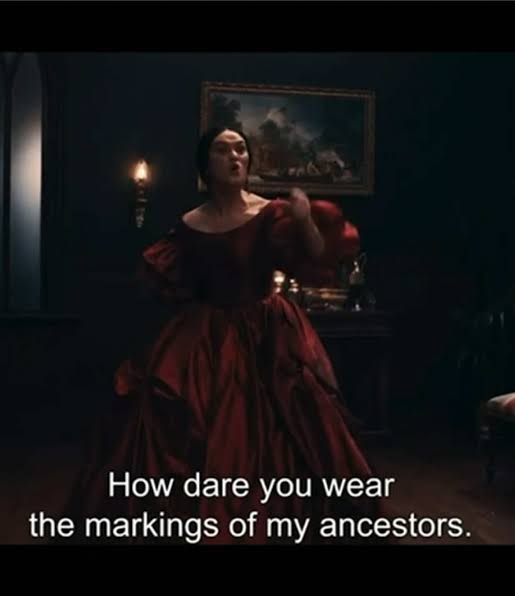
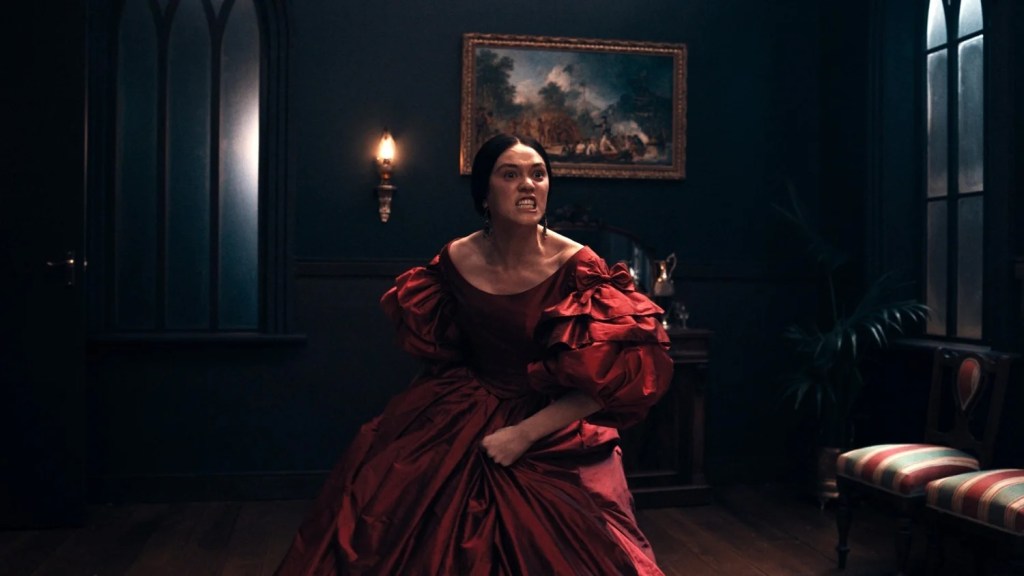
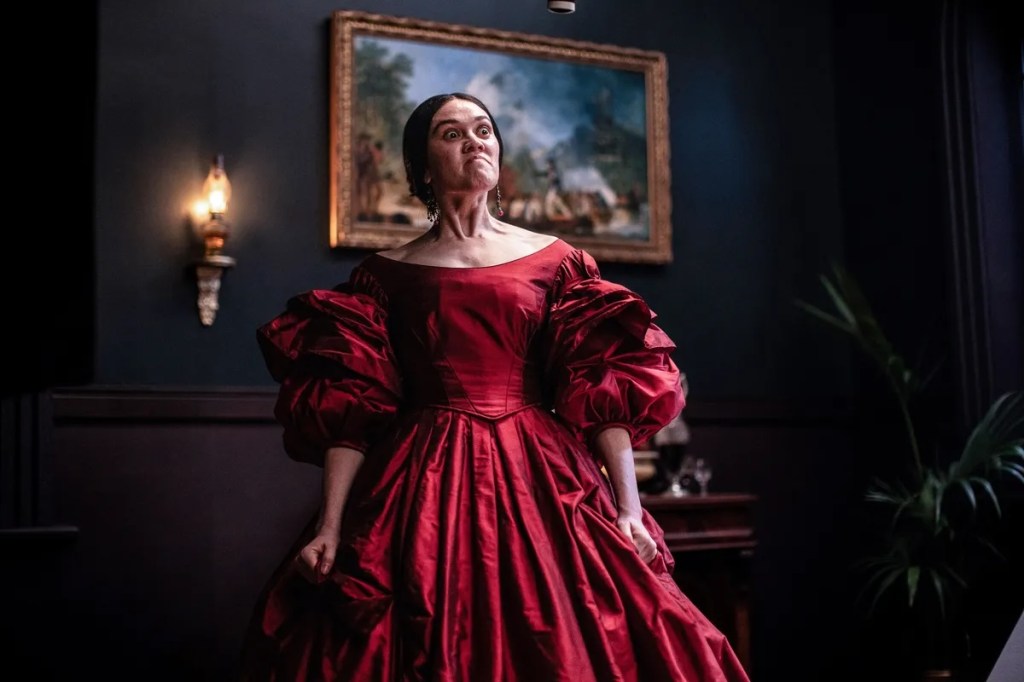
As Mārama is concluding her haka, Jack understands what she is doing, as he has some cultural comprehension. So he looks terrified. But the rest of the partygoers think that her reaction, her haka, is simply “part of the performance” and they laugh even harder. At her. At her challenge to Jack. She has told him exactly what she wants to do to him in no uncertain terms but the white audience doesn’t understand as they speak only English.
Again, since watching Mārama, De Palma’s Carrie has been on my mind. The whole transition between Margaret White telling Carrie, “They’re all going to laugh at you” to the shots of the whole auditorium of teens laughing at Carrie…that humiliation. That pain. It’s so very real. And Mārama’s humiliation and pain after that racist performance and the laughter? That’s about as real as you can get. While I don’t see many analogies narratively between these two films, there are certain threads that run parallel. Certainly no one laughs at Carrie White as a result of her cultural expressions or her being an Indigenous person, but they do laugh at her because they don’t understand her, which is essentially what happens to Mārama in that room, both culturally and linguistically.
Thankfully, both movies end with (what I feel) is proper catharsis for our heroines.
I’m not going to expand upon the way Mārama concludes as I REALLY REALLY want you to watch it for yourself.
But I will say that it’s bloody and glorious and it’s a hellova revenge film.
What I love about Mārama (besides everything) is that it pays significant attention to colonial history, cultural detail and it doesn’t play around or make things soft. It’s a genuine horror film and stays true to it’s gothic horror roots. But it complicates gothic horror! It troubles the genre perfectly because gothic anything is historically a very white area and this film is very much not. I love that. We desperately need more films like this.
Finally, much like Blood Quantum, Mārama is yet another horror film that makes the wholly cogent point that English is actually the foreign language. It is pure historical fact. Just like Mic’maq in Blood Quantum, te reo Māori was being spoken in New Zealand far before English was. This may seem like a small detail, but it is huge.
Until next time…enjoy Spooky Season!