Elevated to the Gallows pt 3: Colonialism and New Zealand: Mārama (2025)

I have always loved the gothic subgenre. Its dark and twisted nature has held me in a chokehold since I was a kid. Horror, romance, whatever larger genre the word “gothic” attached itself to…I’ve always been 100% here for it. That said, through the years I have certainly asked myself whether or not my attraction to this subgenre was…healthy. While the Magic 8 Ball in my brain occasionally responded with a rather impolite “outlook not so good,” I never quit being interested in the gothic media landscape. Healthy or not, I was transfixed.
In fairness to gothic”ness”, it is a subgenre that shamelessly displays its dysfunctionality on its voluminous pitch black taffeta sleeves. It doesn’t pretend to be anything it’s not. I find that to be quite respectable.

Indeed, gothic horror, gothic romance, gothic “insert the larger genre here” doesn’t even attempt to hide the fact that its basic premise will always lie within stories about fucked up people with fucked up problems and a severe lack of control over their situations. To make matters worse, the viewer/reader will almost always end up hideously heartbroken for one or more characters due to the dramatic beauty and sadness that are par for the course within a gothic narrative.

Perfect examples of this can be seen in just about every iteration of Frankenstein that has ever been made, from literature to screen, every iteration of Rebecca that has ever been made, from literature to screen, and every iteration of The Haunting of Hill House that has ever been made, from literature to screen. Obviously, the quality of some versions are better than others and some exude more camp than others but the skeleton of gothic”ness” remains the same. And I love it all.
Dysfunction be damned.

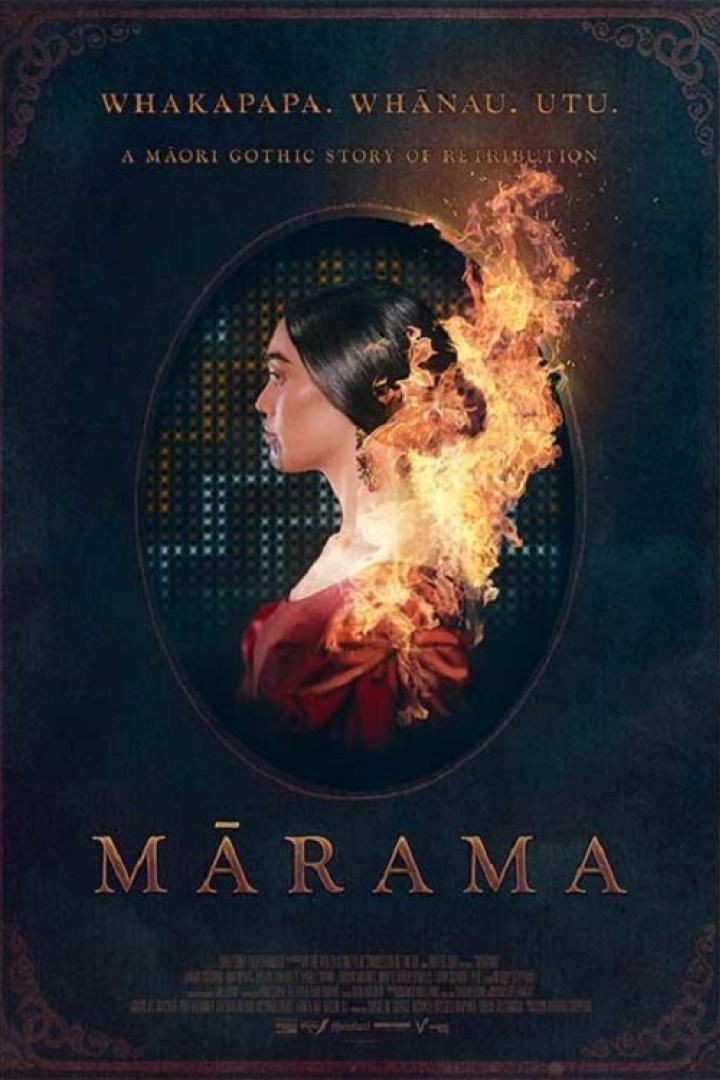
But then I saw a film a few weeks ago that turned my world around and upended my conception of what was possible with gothic horror. This film took all my previously held concepts of gothic storytelling as a slightly damaging or damaged storytelling device and threw them out the window. I saw a film that was so genuinely important that it couldn’t be ignored or denied. This film was the New Zealand film, Mārama (2025).

Much like what I wrote about Blood Quantum, this movie takes horror genre tropes and clichés (specifically gothic horror in this case) and flips them in order to make bold and vital statements about cultural identity and the terror of colonialism.
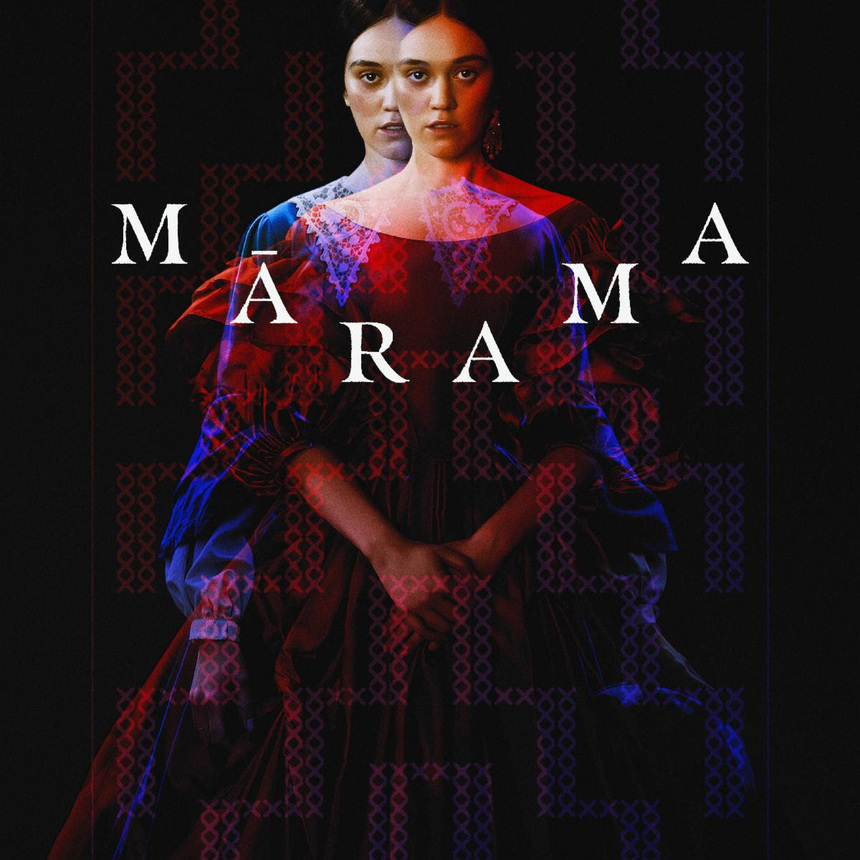
Mārama (2025) was written and directed by Taratoa Stappard. A filmmaker of Māori descent, he noted that he made this film to honor and remember the women in his family. He has also spoken of plans to make more films on this theme, which delights me to no end. At the time of this post, Mārama is available to stream on Shudder, and I firmly recommend viewing it. Multiple times. Not only is it visually stunning, but the performances are phenomenal and the story itself is remarkable.
I’ve never seen a movie like this and doubt I ever will again (unless Stappard fulfills his movie-making promise).
It is horrifying, heartbreaking and infuriating. It is other level in its high caliber filmmaking and brutal honesty.

It does the British no favors. The manner in which it portrays their sheer indifference to cultural heritage destruction is wild. And completely on point. The best and worst thing about Mārama is how realistic it feels and comes across.

This film is challenging and a true horror film in every sense of the word.

Brief Synopsis:

A Māori woman named Mary Stevens receives a letter from a man in Yorkshire, England who claims to know something about her family. In true gothic fashion, once the lady arrives at said location, she is told by Nathaniel Cole, the master of the house, that the man who wrote the letter is now dead. She reluctantly accepts a position at Cole’s estate as a governess for a young girl living there, mostly based on the fact that this girl speaks te reo Māori, Mary’s native language. However…strangely…so does Nathaniel Cole. Mary soon discovers that this mysterious house is festooned with Māori cultural artifacts, including a wharenui (traditional Māori communal meeting house) that has been shipped all the way from New Zealand to Yorkshire and is simply sitting in the backyard.
It is by this building that Mary reveals her real (Māori) name to her young charge as Mārama.
While their relationship building is quite positive, the brightness of that moment darkens quickly and the story gets bad from there and a lot more bloody.

I hesitate to include too many spoilers as this is a film that needs to be seen and experienced.
The opulence of the gothic aesthetic plays monumental havoc with the savage flashbacks and psychic visions that Mārama experiences throughout the film. These images, seen only by Mārama and the viewers, lay bare the damage that British colonialism has caused the Māori people in no uncertain terms.
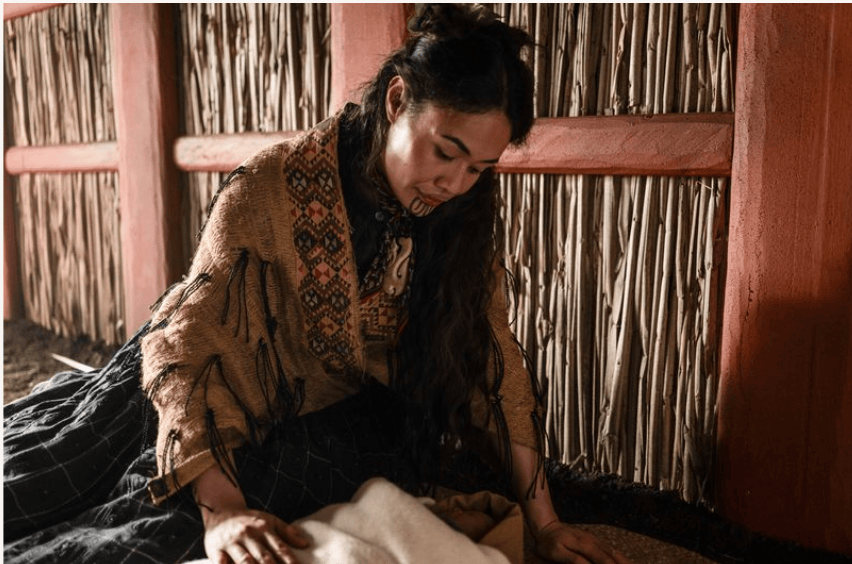

Traumatic and unquestioningly cruel, what we see through Mārama’s visions leave us no room to wonder what the relationship between the British and the Māori ever was but it does leave many questions about why this mysterious house has so many Māori treasures in it, including the wharenui and the little girl who fluently speaks te reo Māori.

Then, as if things couldn’t get any worse…they do. And when I say they get worse? THEY GET SO MUCH WORSE.

This will be the only scene that I will spoil. But it’s a big scene to me and I sobbed and cheered and gasped. I’ve never had a scene in a horror film produce so many sounds from me in such a short span of time. To call it brilliant would belittle its sheer power. It might well be one of the most important scenes in modern horror cinema.

Up until this point the film had a slightly supernatural edge with Mārama’s various flashbacks and psychic visions (although most were clearly trauma-induced so not supernatural at all), but this scene introduced the stone-cold reality and barbarous nature of colonialism. Every shot, every line of dialogue was real as fuck, and as such…it hit HARD.

It is a party scene- the birthday party for Nathaniel Cole, the master of the house, Mārama’s employer- and her presence has been requested. She has even been told what to wear. When she comes down to the celebration she sees a friend of Cole’s, another British man named Jack Fenton. She is shocked at the meeting. Not only does he, like Cole, speak her language, but he has tā moko tattoos, traditional Māori facial tattoos.
At first she thinks he’s a just a drunk creep, but then he does the unthinkable and the absolutely unforgivable.

Jack stands up in front of the whole party and puts on a dancing and singing performance parodying the Māori people. He sings a song that begins by celebrating Captain Cook (without whom British colonialism of Indigenous peoples would have been impossible) and concludes by belting out lyrics centering on the rape of Māori women, all while wearing what appears to be a cartoonish version of Māori dress. It’s one of the most horrifying displays of misogyny and colonialism I have ever witnessed cinematically.
The crowd, all white mid-Victorian folk, laugh gregariously, enjoying the presentation immensely and cheering Jack on with drinks and huge applause.

But the tension in the room is real.
Mārama is standing in the corner, burning with emotion. She has fully divested herself of the Mary Stevens identity that she arrived to England with and it is clear that she now sees herself as the free and proud Māori woman she is. Not only is she disgusted with what she has just witnessed from this fetishizing exploitative white man, she is furious.

And so she does exactly what any proud Māori woman would do in that circumstance: she challenges him to fight by performing a haka, a Māori ceremonial dance. It is beautiful and arresting and I’ve never seen it matched in horror cinema. The closest thing I could think of that held that kind of vibe was the build-up to and unleashed fury from Sissy Spacek as Carrie White in the prom scene of Brian DePalma’s Carrie (1976). And while this scene is certainly connected to that kind of energy it is also layered differently as it is not just coming from being a woman who has been done wrong systemically, it’s coming from being a colonized woman, who has been done wrong culturally and historically which brings in entirely different traumas and experiences of oppression.
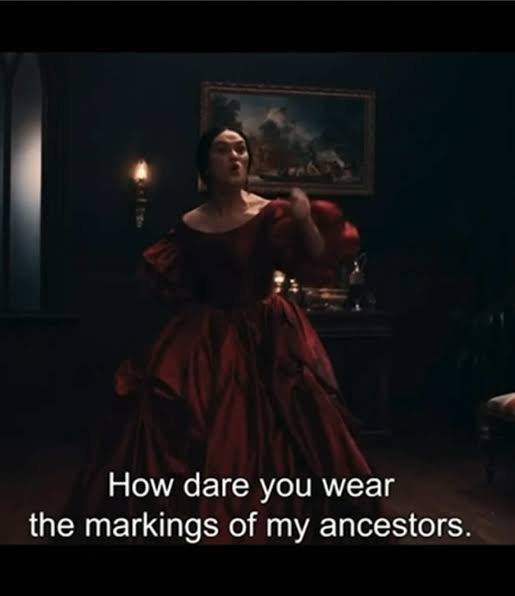
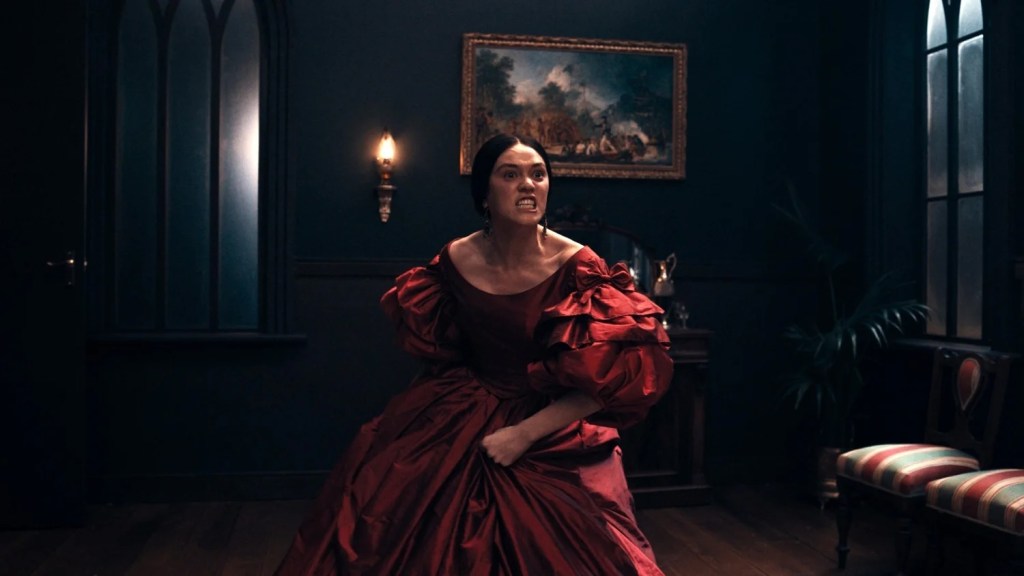
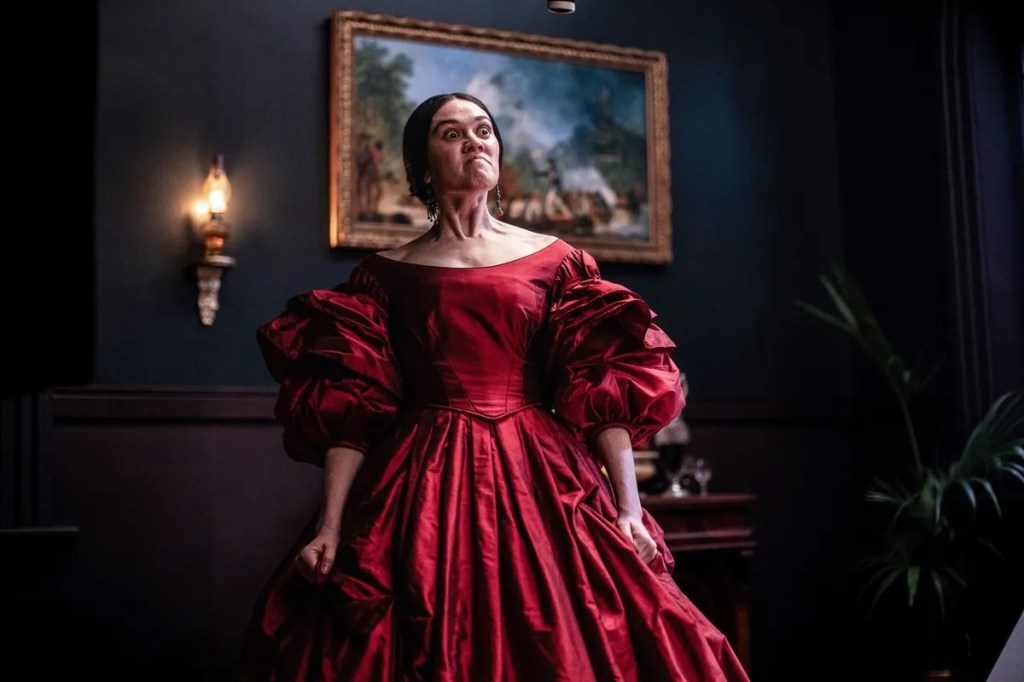

As Mārama is concluding her haka, Jack understands what she is doing, as he has some cultural comprehension. So he looks terrified. But the rest of the partygoers think that her reaction, her haka, is simply “part of the performance” and they laugh even harder. At her. At her challenge to Jack. She has told him exactly what she wants to do to him in no uncertain terms but the white audience doesn’t understand as they speak only English.

Again, since watching Mārama, De Palma’s Carrie has been on my mind. The whole transition between Margaret White telling Carrie, “They’re all going to laugh at you” to the shots of the whole auditorium of teens laughing at Carrie…that humiliation. That pain. It’s so very real. And Mārama’s humiliation and pain after that racist performance and the laughter? That’s about as real as you can get. While I don’t see many analogies narratively between these two films, there are certain threads that run parallel. Certainly no one laughs at Carrie White as a result of her cultural expressions or her being an Indigenous person, but they do laugh at her because they don’t understand her, which is essentially what happens to Mārama in that room, both culturally and linguistically.

Thankfully, both movies end with (what I feel) is proper catharsis for our heroines.

I’m not going to expand upon the way Mārama concludes as I REALLY REALLY want you to watch it for yourself.
But I will say that it’s bloody and glorious and it’s a hellova revenge film.

What I love about Mārama (besides everything) is that it pays significant attention to colonial history, cultural detail and it doesn’t play around or make things soft. It’s a genuine horror film and stays true to it’s gothic horror roots. But it complicates gothic horror! It troubles the genre perfectly because gothic anything is historically a very white area and this film is very much not. I love that. We desperately need more films like this.

Finally, much like Blood Quantum, Mārama is yet another horror film that makes the wholly cogent point that English is actually the foreign language. It is pure historical fact. Just like Mic’maq in Blood Quantum, te reo Māori was being spoken in New Zealand far before English was. This may seem like a small detail, but it is huge.

Until next time…enjoy Spooky Season!


Blown Away: The Aussie Magic of Body Blow

One of the main reasons that I love going to BIFAN every year is that, like clockwork, I meet One of My Kind. And if that sounds weird or like I’m some kind of alien being, so be it.

The bottom line is that when I’m at home (whether it was LA-home or my current Seoul-home), it’s very difficult to meet people who you click with. Especially when you’re a film addict like me.

I got REALLY lucky this year. I feel like I won the damn lottery. Not only did I meet several people who were Just My Type but they were also filmmakers! So OMG. EVEN BETTER. The people who I jammed with on these levels were creative and making things I could enjoy??? How did I get so lucky??

BIFAN is truly the epicenter of my happiness in Korea. As a genre film junkie, it gives me all the things I need in people, cinema and fun. And this year- the 30th Anniversary- was no different. Dinners full of laughter and film geek chatting, drinks until the late night/early morning, discussions about everything cinema and media culture…It’s really heaven on earth.

So one night I went to this party. And it was hot so I was just really happy about the air conditioning. But I also noticed this very stylish man with great hair and glittery long shorts who was truly holding court with everyone he met. I thought: “I would like to meet him at some point” but I also was ensconced in beer and conversation with the people at my table.

The night wore on and lo and behold…the amazing woman that I spent a great deal of my time with this year, Elizabeth, decided that he and I HAD TO MEET so she brought him over. And the rest (as they say) is history.

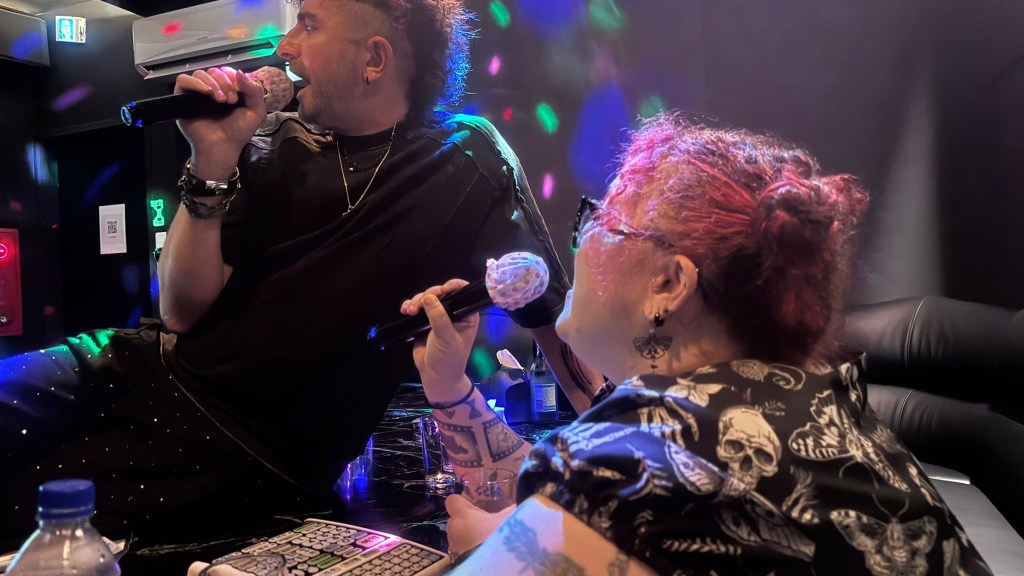
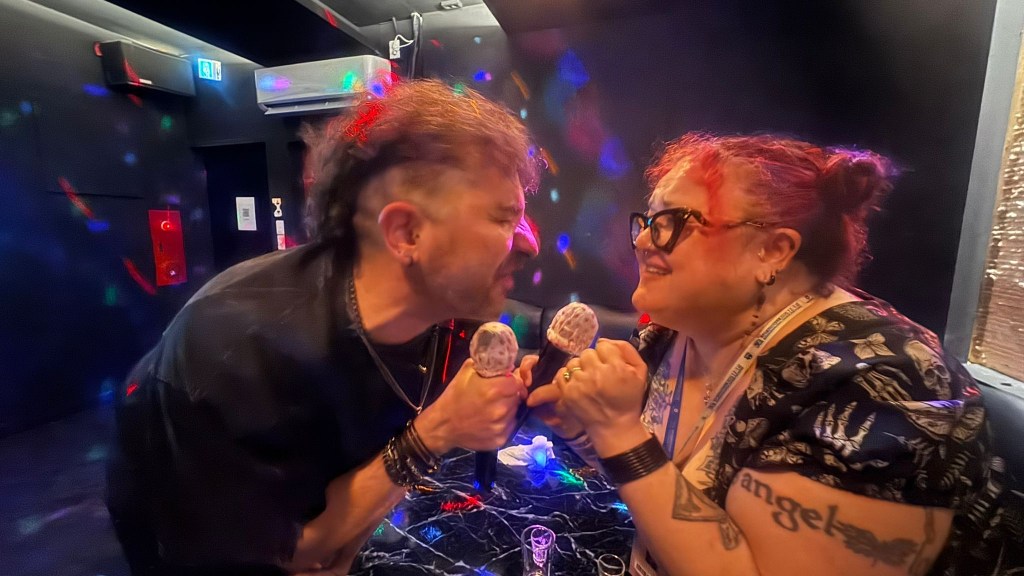
THERE WAS 노래방 / KARAOKE MADNESS until the sun came up. I loved his energy and his thoughts and attitude towards cinema and the world and I hadn’t even seen his film yet.

WHEN I SAW IT? I was floored. Welcome to the incredible Dean Francis, a brilliant queer Aussie filmmaker who truly knows what’s up. Our conversations were dynamic and political, funny and important. His outlook towards the world is unique and I adore it. He is 100% punk rock in the true meaning of Punk Rock.

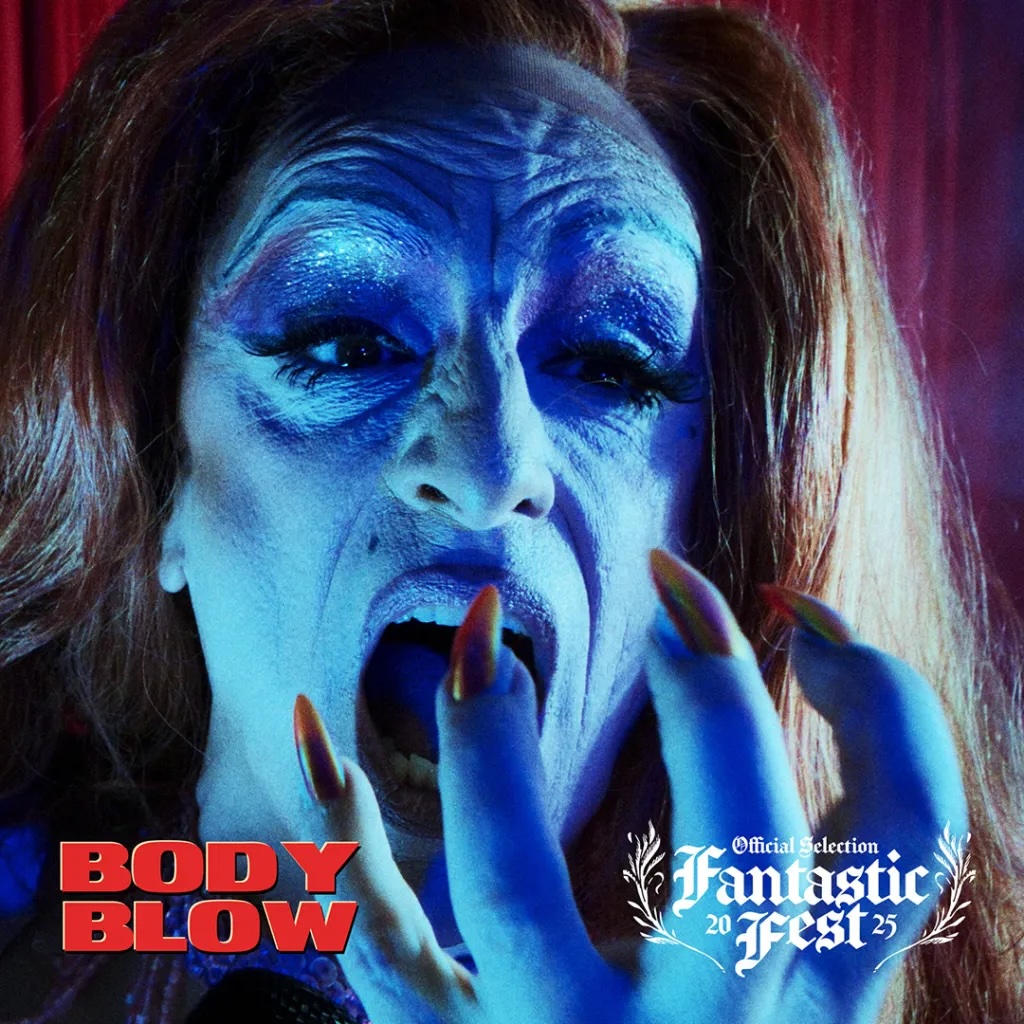
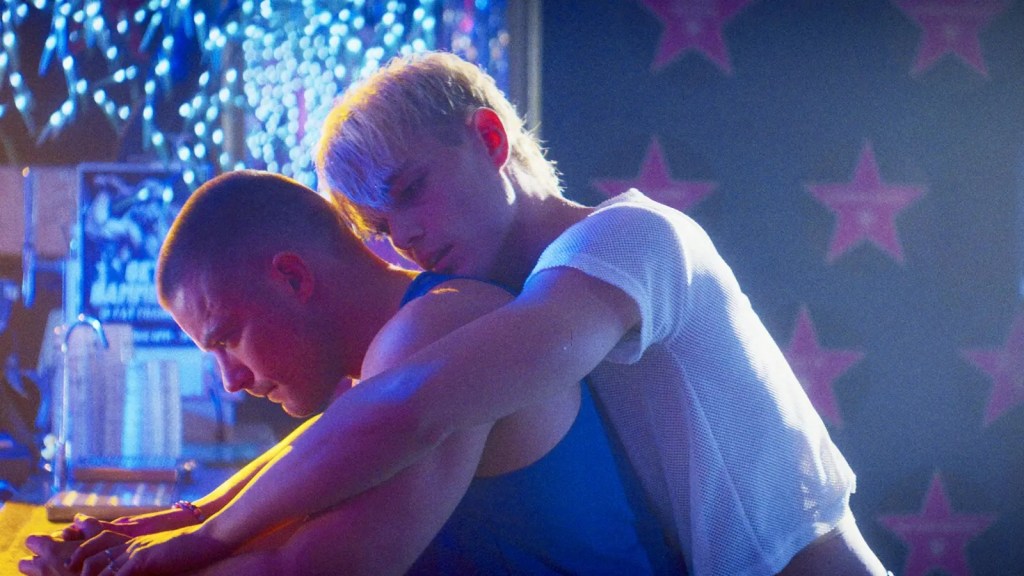
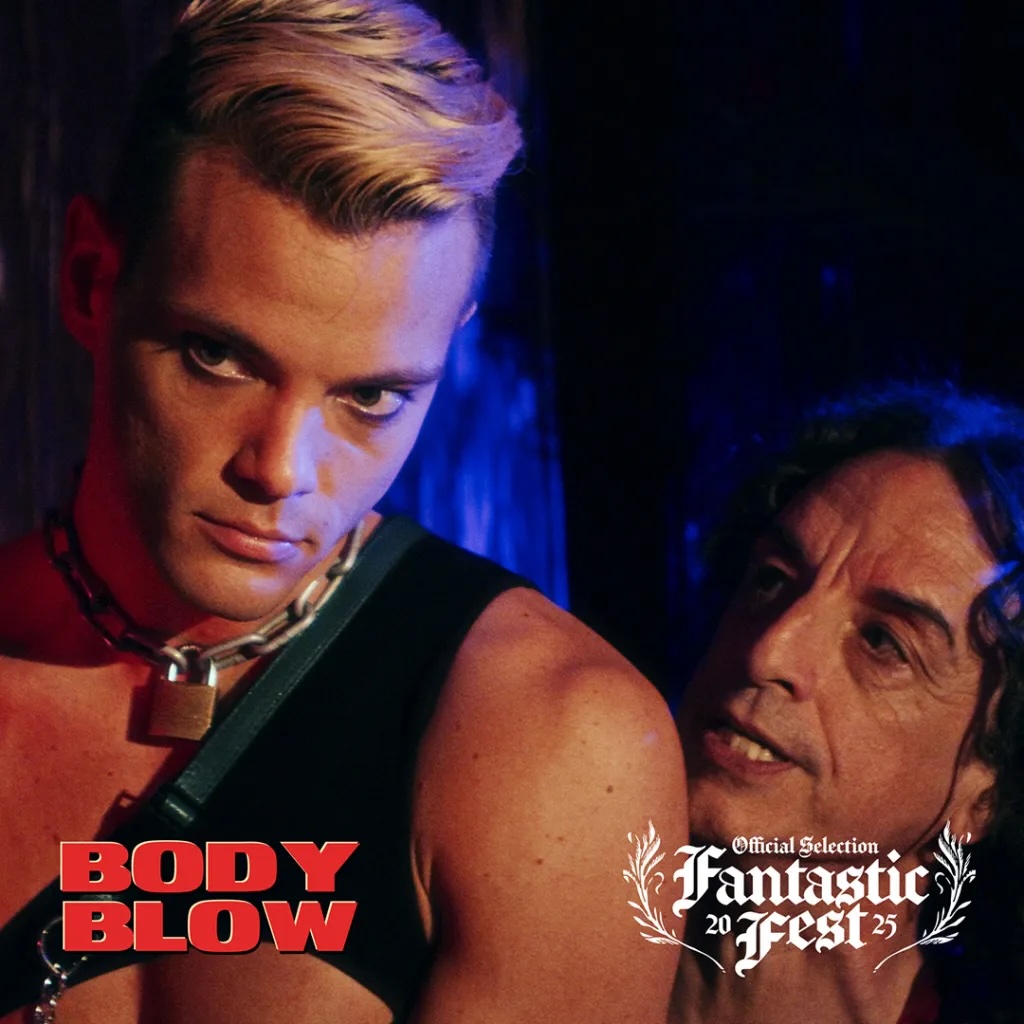
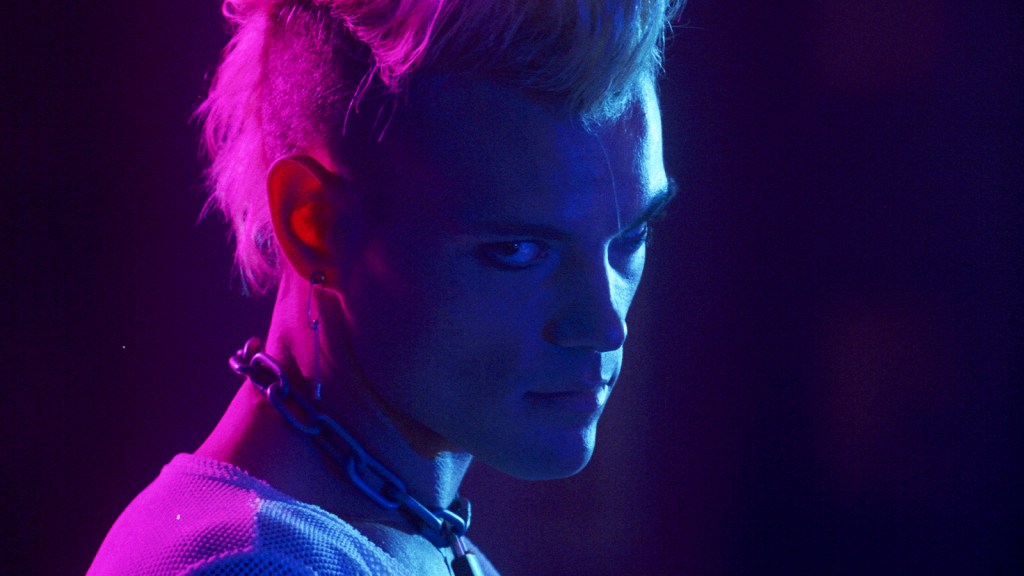
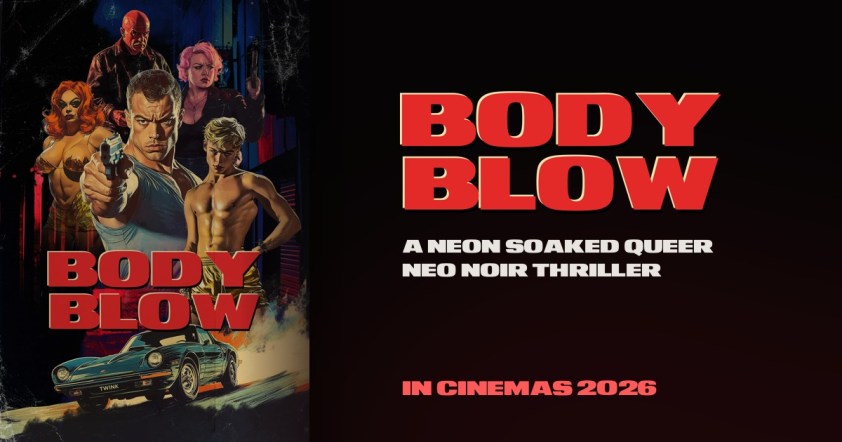
So what is this incredibly enticing piece of film that Dean has created? Let me just show you a picture first. The thing about his film is that it is SO VISUAL and beautifully stylized that it’s practically impossible to just tell you about. I just want everyone to see it. It’s worth watching for a cadre of reasons. To start with, its pictorial elegance, while stylized and opulent, also edges towards the deliciously sleazy and sordid. It drips with both vice and victory in its depictions of sex and violence. So obviously it was MY kind of film. Rarely do I get the privilege of watching a film that so effortlessly slides in and out of seediness simply through optics. It was SO FUN.

Its director, Dean Francis, who I will continue to celebrate and praise, had this to say about the way the film was shot:

Visually, I wanted to speak in the language of De Palma’s moving camera and
strong colours, Billy Wilder’s noir shadows, John Waters’ camp, and Greg
Araki’s nihilistic danger. I wanted to keep the seams of the film showing —
grainy textures, front-projection car scenes, under-lit rooms — like a film
forgotten in someone’s closet.

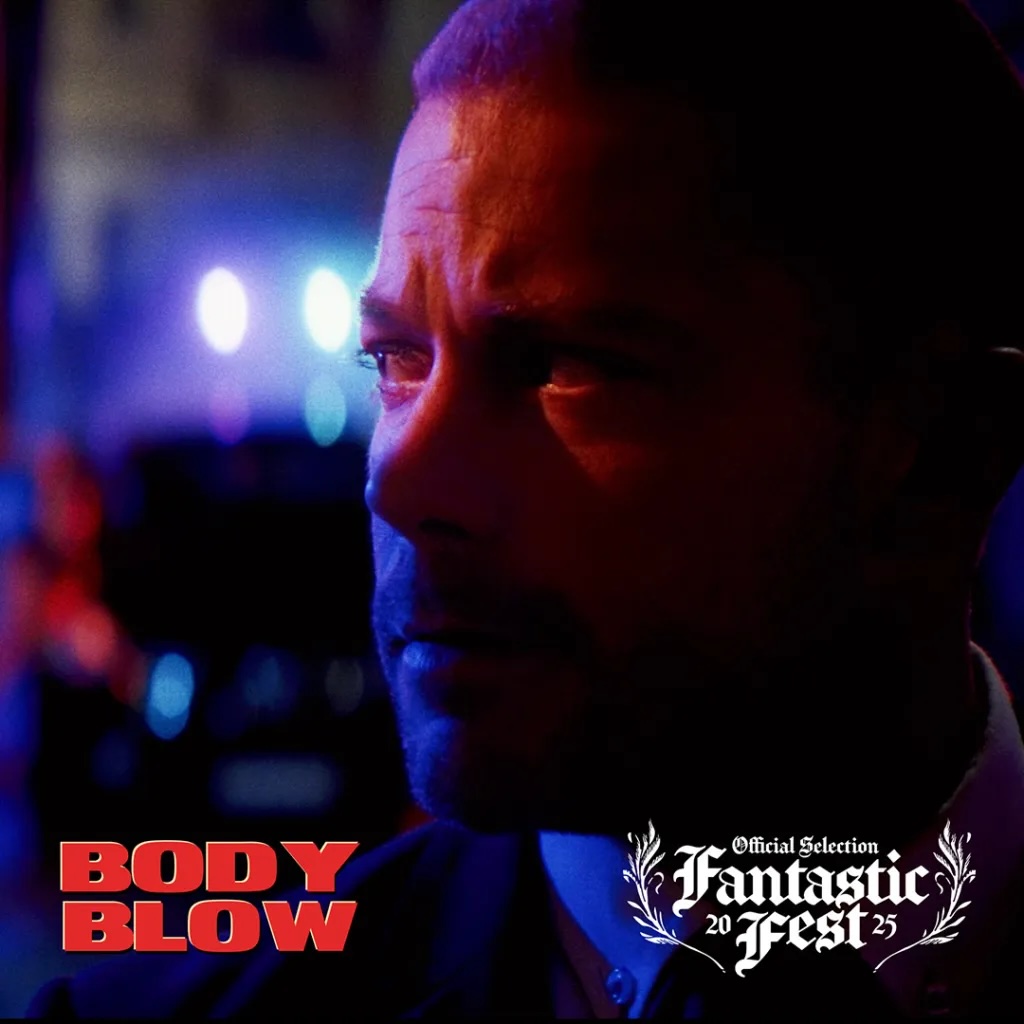
Just look at one of these shots….

It would be disingenuous of me to pretend that this film was a simple crime film or just a neo-noir. Because that’s just not how Body Blow works. It’s so much smarter than that. When Dean and I met, he told me it was an homage to 90s erotic thrillers. Which…if you don’t have an appreciation for, why are you reading my blog? They have such a great love for the complexity of women and y’all know that’s my jam!
So when I got the chance to see this film…OH HOLY SHIT DID I CRY WITH JOY! We really need more films like this. It’s all good and well to rewatch Sharon Stone and Glenn Close make that screen explode over and over with the classics, but I genuinely think it is possible to bring this genre into a new age and that Dean Francis has been able to do it. He does his film and the erotic thriller genre so much justice in his words. Check it:

I grew up in the ’90s, and it felt like movie characters defined how we
thought about ourselves and who we wanted to be. In those hyper-masculine
film worlds, the rules were the same: the man wins, the woman is the prize,
and their kiss is the final stamp of validation. As much as I loved
everything about those ’90s erotic thrillers, my growing awareness of my
gayness meant I always watched them as an outsider.
BODY BLOW was conceived as a way to explore these ideas and reclaim the
erotic thriller from a queer perspective. I craved the seductive, dangerous
pleasures of Body Heat, Basic Instinct, and Crimes of Passion, but wanted to
create gay anti-heroes we could all idolise and lust after.


To me, this film also reflects everything that I enjoy about a good crime or noir film- a heist, a “wrong man” scenario, a femme fatale (in this case a homme fatale), an deeply tortured/conflicted lead character and a deep questioning of authority and right/wrong… Body Blow blatantly revels in the glorious narrative textures and complex discussions that caused me to fall deeply and desperately in love with films like The Big Heat (Fritz Lang, 1953), Laura (Otto Preminger, 1944) and Where The Sidewalk Ends (Otto Preminger, 1950). Of course, this is not a classic noir by any means. Those three films I mentioned are certainly part of Body Blow‘s cinematic cloth, but the film is far more than that. I hate being this hyperbolic about something, but after my conversations with Dean about the queer scene in Australia and the birth of this piece, I was so struck by the revolutionary-ness of Body Blow.

What’s unfortunate is that people don’t seem to know a whole lot about Australia, Australian film or what’s going on in Australia. Sure, loads of people have seen Muriel’s Wedding or Pricilla, Queen of the Desert (both great) but Australia has this wild and fascinating genre-bound film history and many of those films center on being an outsider or being isolated, much like Body Blow. Even the non-genre films tell stories of ostracism. A few of my favorite examples are Angel Baby (Michael Rymer, 1995), Stone (Sandy Harbutt, 1974), and Picnic at Hanging Rock (Peter Weir, 1975)- still one of the most terrifying films I have EVER SEEN. But I think the most relevant films are films like Sweet Country (Warwick Thornton, 2017) or The Sum of Us (Geoff Burton and Kevin Dowling, 1994), two films that truly focus on the trauma that exists (and builds) as a member of an oppressed community- one aboriginal, one queer.

Queer films are, and always have been, revolutionary…Body Blow is “an act of resistance” as Dean has written of his film. That is their nature. But the background on this is exceptionally important and while going into it without prior knowledge is fine (I’m one of those people who likes to go in that way), I think knowing the history and continued issues going on in Australia are not only important but rather shocking.

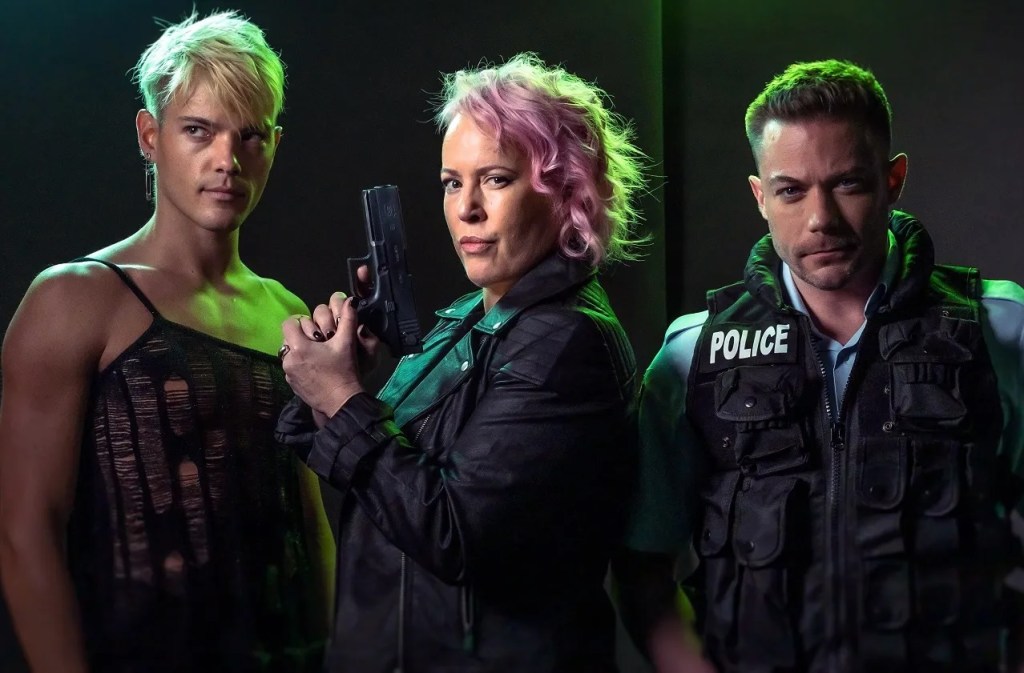
When I met Dean, we spoke of many things regarding the film but one of the things we focused on was the police angle and what that meant within the queer world, the Australian queer world and larger concepts of force and authority. Being from Los Angeles, I obviously have my own feelings about the police, their presence at Pride, and more. But apparently the current situation in Australia is not very progressive. There are bar raids, hate crimes and more. By the police. So using the police to question positions of power and flipping the situation completely, making it a queer police squad…is so smart and so very brutal at the same time.

It would be a dire mistake to see Body Blow as a film that supports or is somehow “pro” police. That is so far from the truth it’s not even funny. If that is what you see, I beg you to examine this work further. It’s a really goddamn smart film. It would be sooooo easy to make a good guy/bad guy movie where the police (who are *supposed* to work for good) are your “winners.” And sure- Francis made a point of not killing the queer heroes. But THAT’S a choice too. Go into Body Blow understanding that it’s not only a meticulously created piece, but complex and smart. Don’t take everything at face value. That would undervalue this piece.

Context is essential when it comes to Body Blow and I want to place this film in the correct context so that you, my reader, can understand how critical the narratives of power, authority and “official conduct” are when it comes to this brilliantly layered neo-noir queer film.

When I spoke to Dean, we talked about his formative years and what it was like to be gay in Australia. This is a very personal film for him, and I think that needs to appreciated. We look at genre films in a way that separates them from the author because they are “genre” but the truth is that many genre works are deeply personal. Body Blow is no exception.

In a recent conversation, Dean had this to say:

Body Blow is an important film. It is important for a number of reasons. It’s critical that it’s Australian. That it’s queer. That it’s celebrating erotic thriller culture. It’s important that it literally asks the audience to critically examine power structures and authority figures. This is a different and wonderful film. I see it as a crime/noir cousin to Female Trouble (John Waters, 1974), subverting every socially acceptable norm and not just subverting them but rejecting them and undoing them for significant reasons. Female Trouble fiercely attacked heteronormativity using camp tactics. Body Blow actually goes a bit further (not to undermine Saint John of the Waters) and utilizes anger, frustration and cinema passion to underscore revolutionary statements.

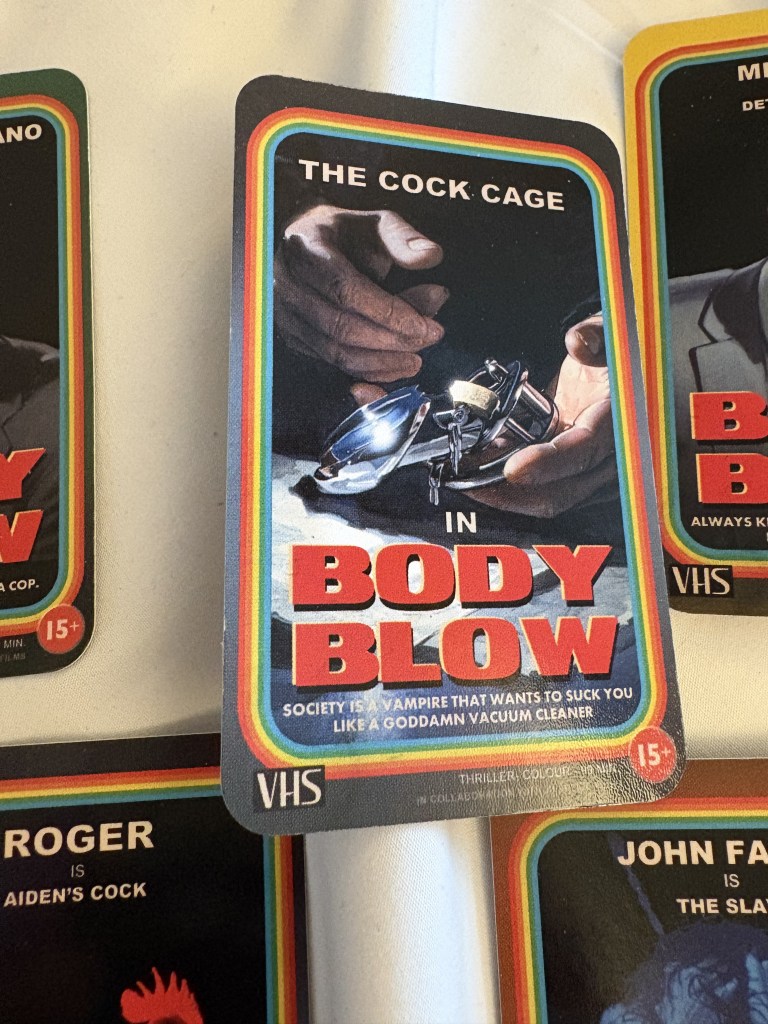
If I have filled your head with too much serious shit, please let me release you from that bond. You are free from that cock cage (in Body Blow terminology). While I am always someone who wants to investigate ideas of gender, sexuality and subversion (my holy trinity), let me reassure you that this film is easy to just enjoy.
The story is good, the performances are hot, and it’s a solid piece of queer neo-noir.
I was stunned by the way it held up and didn’t rely on its stylization (because it’s highly stylized).

And while it certainly bears the Stamp of Camp (not a detractor), it gives space for so much exploration. And that’s what a proper crime film will do.

This film makes you think. This film is layered. And, most importantly, this film is enjoyable.

The characters are well developed and unusual. The story is well-constructed and the experience of Body Blow is like nothing else you will ever have.

Go see it or rent it. You won’t have any regrets.

For a viewing near you (or one that you SHOULD travel to) go here.

For AWESOME merchandise? Same link, but I’ll link it again….here

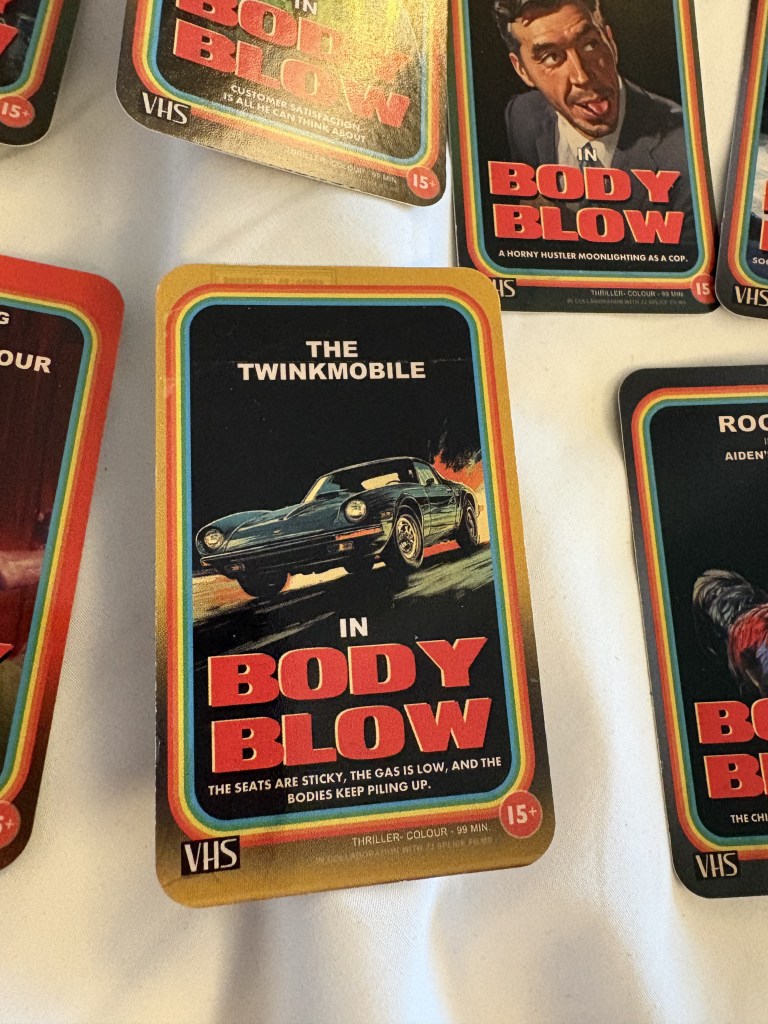
Also, please let me show you some of the merch designed for this amazing piece of cinema. I feel so lucky to have gotten these cards!!!

BIFAN 2026, part 2: Let’s Talk Cinema

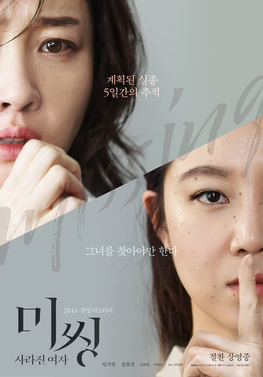
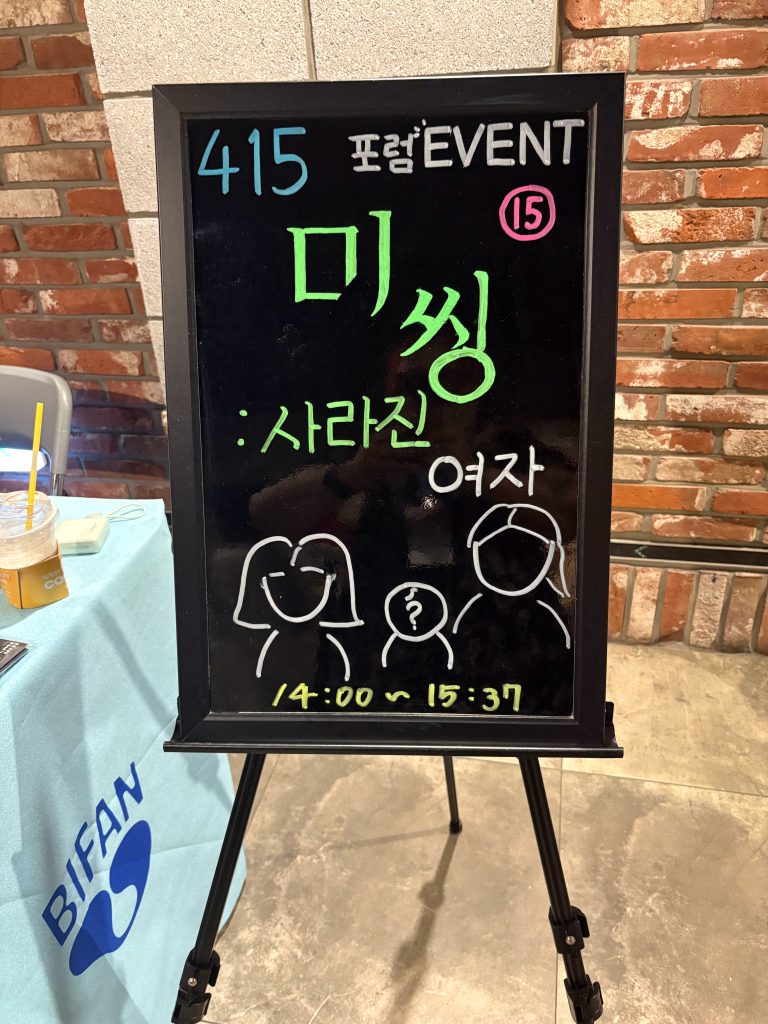
So the first film I went to see at BIFAN 2026 was a suspense thriller in their women-fronted section called Missing (Lee Eon-hee, 2016).

I think part of me knew what to expect, but I was pleasantly surprised. I was really happy to have made that choice. While not flawless, it was really enjoyable, especially on a big screen (as all good cinema is).

The film centers on a workaholic mother dealing with a nasty divorce and custody battle whose child is suddenly abducted by her nanny. Although this narrative seems relatively basic, the film does investigate a lot of women’s issues that don’t always get worked through in Korean media (or elsewhere).

[some spoilers ahead]

Missing is an older film (2016) so I knew that it was going to have some things to contend with, time and culture-wise. Older films always do. But (in my opinion) that’s usually the easiest part to acknowledge and get past. My issue is always with the body and soul of the film. If a movie is missing the meat- if the story is as solid as Swiss cheese- then it usually misses the mark for me. I feel like this film held up, especially as a film for women’s issues and as a women’s thriller. I enjoyed the ride and it gave me plenty to think about. It was suspenseful and action-packed and the challenges for the primary character were real.

I did have concerns at first…One of my first concerns was the nationality discourse. There was a cultural conflict between the Chineseness of the nanny and the Koreanness of the mother. As a woman living in Korea, I am quite aware of the racist feelings that are present between Korean and Chinese cultures. So in a situation that has a very clear class and socio-economic differential (a mother and a nanny), I was more than a little worried as to where this story might go, especially when the mother was on the search for her daughter in brothels and other desperate locations.

However, I was pleasantly surprised to see the film flip this uncomfortable environment and relationship text over and make it go into a different direction than I thought it would. That was probably my favorite part of the film.

But I also saw that it was definitely a film made by a woman who felt the need to pack too many unnecessary elements into the film which is (sadly) not unusual for a woman’s film. Men get a lot of chances to make movies. Even if their first film doesn’t kill it, they have historically gotten more opportunities at second films than women. And I felt that there was a certain amount of “overstuffing” going on within the narrative.

I wasn’t opposed to the items that were included, by any means, as I think they were all very important…but I think they made the film too busy. A mother who never gets to see her child due to the work-or-die culture in Korea, a virulently bitter and angry Mother-in-Law, a man from the criminal element who tries to help the main character on her journey to find her baby, several other things that don’t necessarily pan out. A few of those things worked in the films favor but…other things made it messy and too full.

Sometimes (especially in older films- and 2016 is technically a bit older now) when a film IS a bit packed…if it’s woman-directed/headed up, I give it a little more leeway. I think Missing qualifies. I had a good time watching it and it is worth checking out.

**In between this film and the next one I’m going to write about, I met people, I went to parties, I had 100% one of the best Karaoke 노래방 nights of my life with a few of the most excellent people who I will mention again later and I continued to celebrate cinema…again, BIFAN is a non-stop festival of film love and joy and I just love it so much!!! Now…back to the movies**


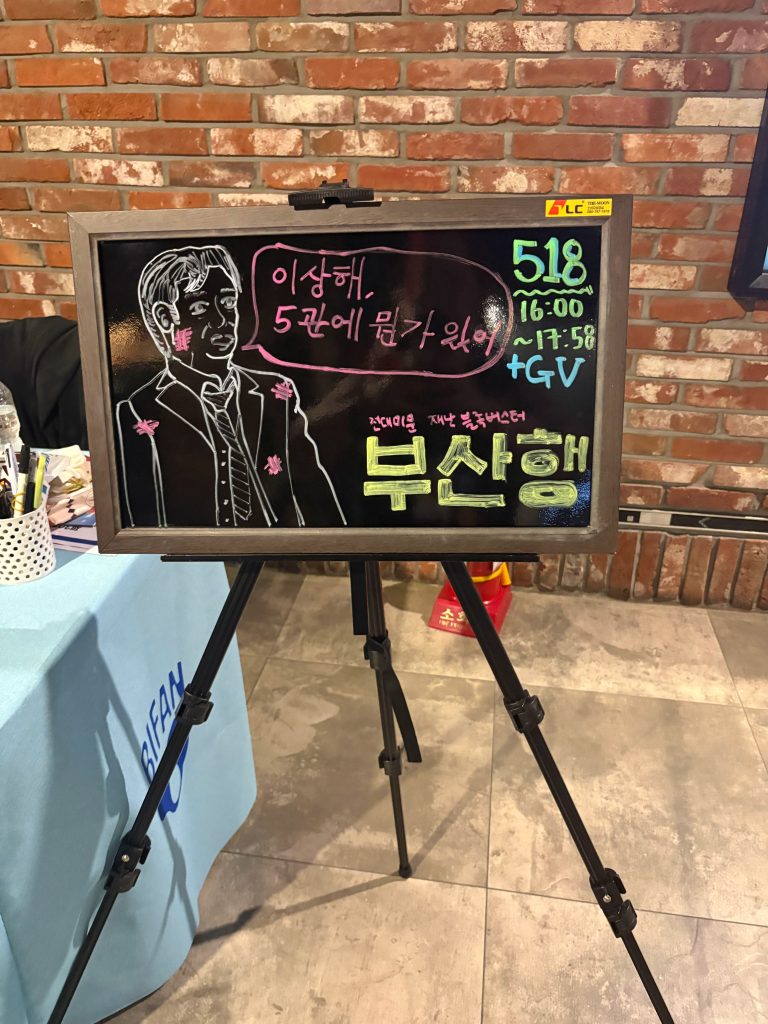
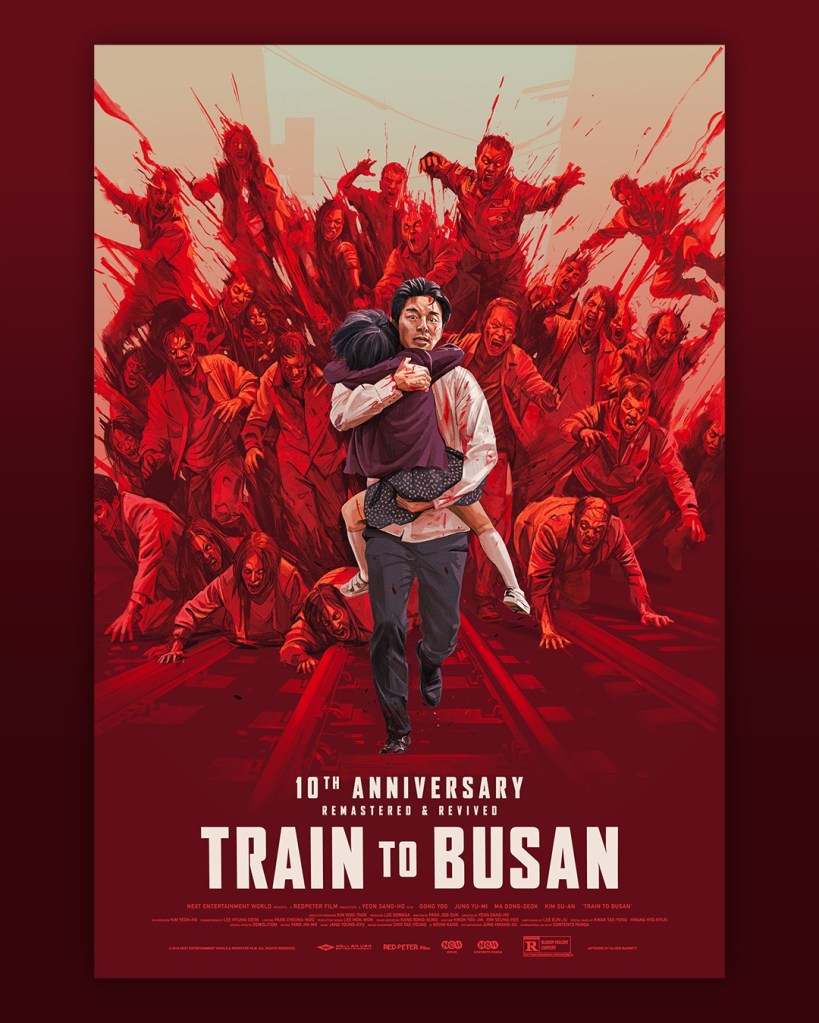
My next film was a re-watch, so I was initially only medium excited about it. But I WAS SO WRONG!!!!! Watching this on the big screen in Korea, not to mention a 4K restoration was just….a GIFT. I wish I could properly describe all the feelings running through my body as I watched this amazing work of cinema on the big screen, but it would be absolutely impossible. BUT I WILL TRY.

I moved to Korea in 2019, so I have had to really really think if I have seen Yeon Sang-ho’s absolute masterwork, Train to Busan a) in the theaters or b) since I moved here.

The conclusion I came to was that I **may** have seen it in a theater in LA, but I have never watched it in Korea. Like, never ever. And considering how long I have been here…my comprehension of the film has changed 360 degrees. This is a brilliant film from all perspectives but its absolute Koreanness and ties to Korean culture were missed by the non-Korea-living-Ariel.

That all changed with this mind-blowing, ear-blessing (the sound is sooooooooo good! Massive kudos to those who restored the sound!!!!), restoration. I’m not going to say that I was Korea-stupid when I lived in LA- I wasn’t. Obviously not. That’s part of why I picked up and left my life there and moved here. But, that said, the critical nature of this film was not as clear to me when I saw it previously (although it should have been- it’s a fucking zombie movie- THE horror genre of “social commentary”, amirite??). That said…let’s get on with it, as they say.

As a film archivist, this is a killer restoration. It really is like seeing the film for the first time, even if you’ve seen it. It’s crisp, clear, and visually perfect. The colors are stunning and it’s not overly digitized. It’s very clear that the people who worked on it cared about what they were doing and didn’t “go for the gold” as far as excessive motion work or FX as far as what is available. There is a lot of new technology that has become available in the restoration world in the last 10 years and we are dealing with fast zombies, not Romero’s classics. Could’ve been so bad. And it wasn’t. It was truly lovely.
The film was cleaned up the way it should have been, meticulously cared for and not excessively worked over. No one looked like they’d had plastic surgery (no one’s skin was too smooth), all the materials (clothing, train seats, environments, etc) kept their original “skins” and the color tones were time-appropriate (year and time-of-day). I know these things sound nerdy as hell (or weird) but they are important to someone like me who spent a lot of my life working in the preservation and restoration world.

But restoration and preservation was not the only thing I was watching for. Train to Busan is one hell of a motion picture.

I had THE best time watching it and got a whole new experience out of it.
Now that I live here, I have a deeper and fuller appreciation for the film. There is so much meaning in these characters. From the baseball team and the little girl with the separated parents to the salaryman who was a social zombie in his life before he was a dead flesh-eating zombie (very Romero) these characters all really got under my skin in a different and amazing way. Sure, I love zombie films and this one has always been top-notch. But the massive differential in when I saw it near its release in the US and now, upon restoration, living in the country its from is real.

Anyways, whether you live in Korea or elsewhere, do not miss this restoration. It is the real deal.

More BIFAN updates to come….

Gaffs, Gazoonies, and Geeks

Let’s talk about carnivals, shall we?

I Love Them. Everything about them. The games, the sounds, the feel, the taste, the smells….well- maybe not *all* the smells, but hey- cotton candy fresh outta the machine? Who can resist THAT smell? In any case, I love carnivals.

The reason I bring this up, has to do primarily with my previous entry, which you may recall, about The Neverending Story. See, I read this book. And it was about carnival life, and joining the circus, and…..I just didn’t want it to end.

No, it wasn’t Geek Love, although I have read that book as well. No, it was much, much better.

Many months ago, my mother handed me this book called Water For Elephants, and she insisted I read it, saying (as my mother usually does when she finds something that is off-beat, wacky and just “out there” enough) “This is just your speed.” While this sometimes that makes me feel like I am driving the short bus, I have come to realize that this particular vehicle happens to be chock full of incredibly intelligent, quirky, sometimes misanthropic but always engaging humans, and I don’t really *mind* going that “speed.” So I keep driving.

So I read Water For Elephants. And, as usual, my mother was spot-on. This book was BRILLIANT.  It really isn’t often that I add things to my favorite books list. In fact, I think the last time I did, I got a line from it tattooed on my arm and I was 19 or 20 years old.  I’m adding this to the list.  Maybe someday I’ll post that list here.  Books are one of the only areas I am very confident and have an incredibly limited scale of favorites. When you get into other media….forget it. At any rate, I digress. Back to Water For Elephants.

In my living room, on one of my many bookcases, I have an entire shelf that is overflowing with “carnival content.” From fact to fiction, photography to posters, I have collected books and studies on freakshows, canivals and circus life in general. While I am most certainly no expert, as I have not yet memorized the entirety of carny lingo, I have most certainly tried my best and am still trying to know as much about the midway, ten-in-one’s, and the rest, as I can.

As a fan/lover/carnival aficionado, I can tell you the historicity on this book was…exquisite. There were a few areas where the language was a bit clunky, but the protagonist himself was clunky at those times, so I think that perhaps I was just being a bit too nitpicky at the characters being “overexplanatory” in ways  and things that I already knew. Of course, one must always recognize things like this to be a hazard of the trade, I suppose, when you do school yourself/specialize  in a subject like that. But in any case, unlike Keanu Reeves’ attempt at a British accent in Bram Stoker’s Dracula, this little point did not prove to be very distracting or obnoxious.

Gruen did her homework. That much is for sure. Even moreso, she was able to write a believable male character…in several stages of his life. I believe that one of the most striking things about this piece of literature, beyond centering, quite literally, on the more animalistic arenas of circus life, was that it didn’t just cover, didn’t just delve, but it bathed in the muddy process of aging, and what that might entail.

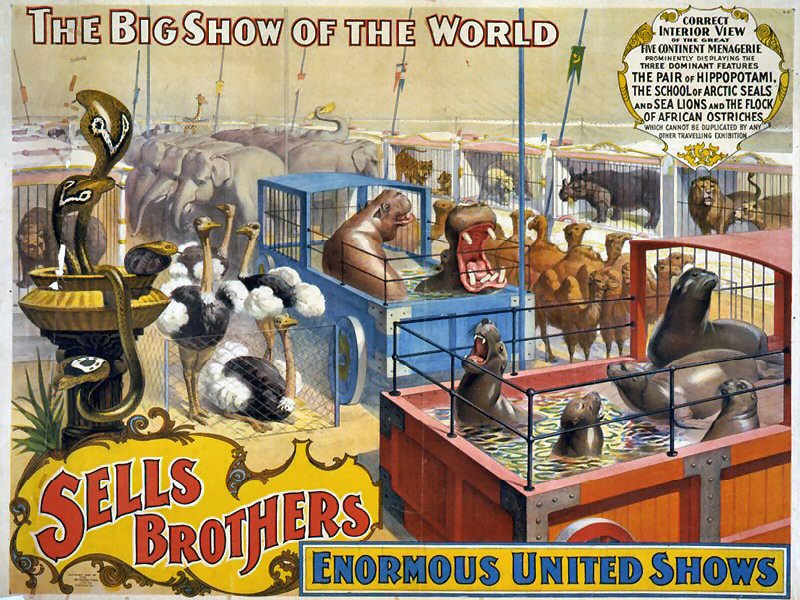
circus-sells1This isn’t an easy book. And it doesn’t have the kitsch or the camp of some of the more popular carnival fare (pun intended), like She-Freak or Freaks. In fact it bares a more consistent thematic to something like Nightmare Alley, and yet even that is an unfair comparison. No, this book is unlike any story I have seen or read before. Thus…I have to read it again. I haven’t said THAT about a book since……well, probably that same one I got the line tattooed on my arm!

If you decide to read any piece of fiction in the near future, might I recommend that you give Water for Elephants a try? It too might be just your speed, too…..

Top 5 Films of 2008…

All right cats & kittens, here we are- end of the year- and I know that AT LEAST one of you would like to know what my top 5 films of 2008 (that I have SEEN) are.

Well, y’know what?
Not only am I going to tell you, but I’m going to SHOW you.

I will post a trailer for each one of my favorite films of this year, with a brief description of why I adore it and think it rocked my socks more than the, well, um, embarrassingly large amount of other films I have seen within the year. Although, that said, truth be told…the large amount of films wasn’t always recent films so I guess that doesn’t really count. BUT THESE DO!!

And these films are EXCELLENT. Seriously. Really really really good. This is the first year I have gone to see new films multiple times in the theater in a VERY long time (many many years…perhaps since Lost Highway or American Beauty) and it is with great passion and cinematic drive that I urge you to partake in these pieces of celluloid. It’s been a shitty shitty year for me in my personal life, but good GOD it’s been a great year for me with movies!

So here’s the way it’s gonna work. I’m gonna post my top 5, but they will NOT, I repeat NOT be in any kind of qualitative order. In other words, there’s just simply no way that I could like one of these over another over another. They are all so different and so amazing in their own ways, and I cannot put one above the other. So, think of ’em on the same scale of Cinema Love, and enjoy.

Lemme know whatcha think, k?

Celluloid kisses and Reel-y big hugs,

Ariel

I don’t play favorites very often, if at all, but if pressed…this was my very favorite film of 2008. The first 45 seconds left me thrilled, stunned, and shocked. This is not your average film. More than anything, this is absolutely nothing at ALL like Waking Life. Don’t even *think* about comparing the two. This film is brutal, gorgeous, and relentless. I think I probably cried through 70% of the film, half because of the sheer magnificence of the art and splendor of the cinematic story before me and half because of content. The animation and the process (of which Folman has several articles/interviews available) are beyond compare.
I can truly truly truly say that I have never seen anything like it.
This film is out now. You will be doing yourself a complete disservice if you do not SEE THIS FILM. The soundtrack, the visuals, the EVERYTHING…perfection. Waltz With Bashir. AMAZING.

If nothing else gets you, the performances ALONE are enough to warrant the ridiculous amount of money theaters are charging for admission these days. However, it’s not just that. This film virtually *drips* with quality. To me, it was like watching the most sensationally intense boxing match I had ever seen in my life. So much so, that at times, it even seemed to be photographed in slightly that manner. Alongside the obviously interesting historical issues and the simply fascinating discussion on the media (including media figures), this film also focuses on the viewer’s own emotional positionality, toying with it a bit, based on the magnificent performances and incredible story in tandem. I dug that part A LOT. Well played, Mr. Howard, one of the best you’ve done!

OK, so aside from my fascination with (read: massive crush on) Robert Downey Jr.for the last 20 years, my absolute adoration for Jeff Bridges and my newfound interest in Terrance Howard (after Hustle & Flow), this movie rocked me. It is a solid and striking film, and I say that not just because I’m a comic book geek, not just because it was fun and exciting, and not just because it was well-written and structured (although it was all of those things and more). What is truly arresting about Iron Man is Favreau’s choice to lay bare the multitude of issues surrounding war as a business and an economic industry, and what that really means, in such an updated, contemporary fashion. Anyone who says that comic book movies are just fluff pieces with no transitive value, needs to experience Iron Man in all its glory. Seriously.

Yeah, I’ve been raving about this left, right & center. FINE. See, I love wrestling. I do. I wouldn’t have written a 35-pg paper about wrestling (that I eventually presented at a international conference) if I didn’t love it. But that’s not the only reason I love this movie. I love this film because it’s accurate as HELL and grips your heart in a choke-hold, refusing to let go. The balls-out emotional intensity is matched only by the wrestling itself, which, I might add, was great. But you DON’T HAVE TO LOVE WRESTLING TO LOVE THE MOVIE. My only criticism was Evan Rachel Wood. She was not good. At all. But the rest of the film was graphic, brutal, and painful in all the right ways. I cried. A lot. Great performances, great characters, and WOW, um, Marisa Tomei? HOT!
On a more personal level, I *finally* feel like a film has been made that will help dispel the myth that wrestling is easy and “fake,” and without any real consequence, something I appreciated beyond measure.

At first, I was just ecstatic about the choice to replace Mrs. Scientologist herself, Katie Holmes, from the first film with…well, anyone. Little did I know it was only going to skyrocket in OMFG HOW AMAZING CAN THIS BE-ness from there. Suffice to say that 2008 was a damn fine year to be a comic book geek who also happens to spend many of her waking hours ‘neath the silvery screen. It’s incredibly difficult to enunciate (at least in a professional or eloquent sense) my feelings about Chris Nolan’s work on The Batman, other than…IT RULES. I kinda turn into a 14-year-old boy. My academic side would like to tell you, however, that this is probably one of the most (if not THE most) faithful comic-to-film adaptations that has been done thus far, both thematically and content-wise. Not only that, but the performances were startlingly good, and the skillful direction and the only-when-needed use of digital effects was gratefully noted and appreciated.