Los Angeles, California: the landscape for a criminally high number of films noir and the premiere setting for an unwieldy number of hardboiled novels and crime fiction. Of this urban environment, Aldous Huxley once remarked, “Thought is barred in this City of Dreadful Joy, and conversation is unknown.”
As a native Angelena, I quite like that my home has been labeled a “City of Dreadful Joy” and that any kind of exchange of words is somewhat mysterious. These elements (and other similarly toned descriptors) have always deeply connected me to crime fiction and its cinematic equivalent. Los Angeles has a long history with noir cinema. This film-based city and its highly urban-centered film genre/film cycle practically share genetic material. In other words, one thing would not be the same without the other.
Thusly, for a local such as me, it makes it even more exciting and appropriate when, once a year, Eddie Muller and the Film Noir Foundation bring NOIR CITY to the City of the Angels and spend some time with us at the American Cinémathèque!
I’ve been going to this festival for YEARS. Some of my dearest and greatest film memories were created here. It was here where I decided that I wanted to be a film archivist. NOIR CITY Los Angeles is the location where I have seen the vast majority of the films that knocked me out to the point of me chatting about them for the remainder of the year, until the next fest came along! My genuine joy with the quality of the prints, the acting and the stories just overflows every year. And it has been a social/film community thing, too- NOIR CITY allows me to spend a healthy amount of time in one of my favorite LA theaters, getting to see people that only come out for this festival. The Film Noir Foundation has provided quite a bit up until this point in this manner- for me and all my friends and colleagues.
I’m also in a unique position this year. As many of you may be aware, I was honored by the Film Noir Foundation in January with an award that really only happens in a noir fan’s (and recently graduated archivist’s), greatest dreams: I became the first participant in the Nancy Mysel Legacy Project, meaning that I will be working with the FNF on their next restoration project. I don’t think I have to tell you how thrilled I am. It’s all I’ve ever wanted and more.
This brings a new layer to attending this year’s NOIR CITY Los Angeles for me. It’s my home festival! For those of you in Los Angeles who may have not had the chance to go to NOIR CITY before, or may not have considered it, I would ask you to join me. Not just because it truly is one of the best film festivals, but also so that you may see what it is that I am completely and totally head-over-heels in love with, and have dedicated my life to preserving. These are incredibly special and wonderful pieces of cinema. I would love to spend some time with you experiencing these films and reveling in the dark. Shall we do so?
Last thing I will say before I go into the films themselves: since I have been to the festival quite a bit before- I have to say that this year in particular is pretty spectacular. GREAT 35mm prints, wonderful international work, exquisite restorations. And these are all things that I would say even if I were not involved somehow with the FNF. Seriously, the line-up is truly mind-blowing, and I am so excited! Hope to see you there! Oh and one last thing- I would highly suggest buying tickets for the shows ahead of time. They have been known to sell out. Your link to buy said tickets to get you into the marvelous dark mayhem of NOIR CITY can be found right here and if you want other info about the Egyptian theater itself (parking, etc), that may be found here.
NOW, AS THEY SAY, ON WITH THE SHOW!!!!
Friday – March 21, 7:30 pm
Introductions by Eddie Muller and Alan K. Rode of the Film Noir Foundation!
Too Late For Tears
TOO LATE FOR TEARS – 1949, 99 min, USA, Dir: Byron Haskin – 35mm
Restored by the Film Noir Foundation and UCLA Film & Television Archive, featuring Lizabeth Scott and Dan Duryea, this film is the film noir you didn’t know you were missing and the restoration you didn’t know could look this great! Unbelievably thrilling LA-footage and unforgettable characters!
LARCENY – 1948, Universal, 89 min, USA, Dir: George Sherman – 35mm
More Dan Duryea, and there’s nothing wrong with that! A rare one with Shelley Winters and the first film work of John Payne, the title may seem dishonest but the quality is straightforward good stuff!
Larceny
Saturday – March 22, 7:30pm
Introduction by Eddie Muller of the Film Noir Foundation
Born to Be Bad
BORN TO BE BAD – 1950, Warner Bros., 94 min, USA, Dir: Nicholas Ray – 35mm (print from the George Eastman House collection)
Two words: Nicholas Ray. Two more words: Joan Fontaine. If those things mixed with a healthy slap of Robert Ryan doesn’t throw ya, I couldn’t imagine what would. This one’s going to be a doozie!
IVY– 1947, Universal, 99 min, USA, Dir: Sam Wood- 35mm
The second in this “Joan Fontaine double feature,” this film is not available on DVD so this is definitely not to be missed. Additional factoid: the role that Fontaine plays in this was originally supposed to go to her sister Olivia de Havilland! Oops!
Ivy
Sunday – March 23, 7:30pm
Introduction by Eddie Muller of the Film Noir Foundation
Two Men In Manhattan
TWO MEN IN MANHATTAN (DEUX HOMMES DANS MANHATTAN) – 1959, Cohen Film, 84 min, France, Dir: Jean-Pierre Melville – DCP
Part of the monthly Cohen Film collection series, this Melville film is also part of NOIR CITY’s new focus this year on international noir works. This film is in French and English with English subtitles, and promises to be a real treasure!
A French heist picture directed by an American noir professional, this is globally considered to be one of the classics in crime cinema. French with English subtitles.
Rififi
Wednesday – March 26, 7:30pm
It Always Rains on Sunday
IT ALWAYS RAINS ON SUNDAY – 1947, Rialto, 92 min, UK, Dir: Robert Hamer – 35mm
Somewhere between kitchen sink drama and noir is this film. Googie Withers really brings it in this exciting British entry to NOIR CITY!
BRIGHTON ROCK – 1947, Rialto, 92 min, UK, Dir: John Boulting – 35mm
The baby-faced and ultra-young Richard Attenborough plays one of the most sinister and blood-curdling characters in all of film noir in this film: Pinkie. Every bit of this film is fulfilling in a way that is, once again, wholly British, reminding us of this year’s international theme.
Brighton Rock
Thursday – March 27, 7:30pm
Caged
CAGED – 1950, Warner Bros., 96 min, USA, Dir: John Cromwell – 35mm
If ever there was a film that depicted women in prison, CAGED is one of the most star-studded and powerful. The first entry in the Eleanor Parker double feature, this film also showcases Agnes Moorehead, Jan Sterling and many others. Will not disappoint!
DETECTIVE STORY – 1951, Paramount, 103 min, USA, Dir: William Wyler- DCP
Another great performance from Eleanor Parker, matched only by the presence of one, Kirk Douglas, and directed by William Wyler. This film was nominated for several awards. Come and see why!
Detective Story
Friday – March 28, 7:30pm
Introduced by Alan K. Rode of the Film Noir Foundation
Jenny LaMour
JENNY LAMOUR (QUAI DES ORFÈVRES) – 1947, Rialto Pictures, 102 min, France, Dir: Henri-Georges Clouzot- 35mm
A fantastic police procedural by the director of such gems as Diabolique and The Wages of Fear, this film is another look into how film noir was explored in the country of the term’s birth. In French with English subtitles.
ANGELS OVER BROADWAY – 1940, Sony Repertory, 79 min, USA, Dir: Ben Hecht, Lee Garmes- 35mm
This incomparable Ben Hecht-penned & directed film features Rita Hayworth & Douglas Fairbanks, Jr in a film about cons, gambling and moral devastation. You know- noir standards! Hecht was nominated for this screenplay- come and see why!
Angels Over Broadway
Saturday- March 29, panel at 6:30pm, film at 7:30pm
6:30pm – Southern CA Chapter of the Mystery Writers of America meet for a discussion on Los Angeles in noir and literature. Featured panelists: novelists Eric Beetner (Dig Two Graves), P.G. Sturges (the Shortcut Man series), and Steph Cha (Follow Her Home). Book signing will occur in lobby, shortly after the panel.
Introduced by Alan K. Rode of the Film Noir Foundation
Southside 1-1000
SOUTHSIDE 1-1000 – 1950, Warner Bros., 73 min, USA, Dir: Boris Ingster- 35mm
Watch a brand-new 35mm print that highlights the dangers of counterfeiting and criminality within many fantastic Los Angeles locations, from downtown to Hollywood itself! Exciting!
ROADBLOCK – 1951, Warner Bros., 73 min, USA, Dir: Harold Daniels- 35mm
In the world of noir tough guys, there is only one Charles McGraw and this film says that with a vengeance. Come see McGraw in a rare leading role, playing an insurance investigator, doing what he does best- steal that screen!
Roadblock
Sunday – March 30, 7:30pm
Introduced by Alan K. Rode of the Film Noir Foundation
Tension
TENSION – 1949, Warner Bros., 95 min, USA, Dir: John Berry- 35mm
We lost a real gem when we lost Audrey Totter last year. This first film in the Audrey Totter double feature shows how smoldering hot and delicious this woman could be and just what an incredible medium noir could be for women and the expression of female sexuality at the time, regardless of the…outcome.
ALIAS NICK BEAL – 1949, Universal, 93 min, USA, Dir: John Farrow- 35mm
More Audrey Totter. That should just be a slogan in life. And in a Faustian work with Ray Milland in tow? HOW can you go wrong?? You just can’t. DO NOT miss this on the big screen. You will truly regret it. This is a great film with everything in its right place and everyONE in their right role.
The Italian version of James M. Cain’s The Postman Always Rings Twice. Need any further coaxing? If so, let’s put it this way- this is a VERY hot film. So hot that it was banned by Italy’s fascist government and MGM confiscated and destroyed all the prints it could possibly find. This is a must-see. Italian with English subtitles.
Thursday- April 3, 7:30pm
Hardly A Criminal
HARDLY A CRIMINAL (APENAS UN DELINCUENTE) – 1949, Film Noir Foundation, 88 min, Argentina, Dir: Hugo Fregonese
Returning to our international theme, this is the first in our Hugo Fregonese double feature. A film that investigates Buenos Aires criminality, this Argentinian noir looks at prisons and “perfect crimes” in a very familiar manner, illustrating how film language may not change when it comes to noir- the darkness is universal.
ONE WAY STREET – 1950, Universal, 79 min, USA, Dir: Hugo Fregonese
More Fregonese. This time featuring the likes of James Mason and the illustrious Dan Duryea! See what these American noir figures are like in the hands of Argentinian direction.
One Way Street
Friday-April 4, 6:30pm for book signing, 7:30 for film
Philippe Garnier will sign copies of his NEWEST RELEASE, Goodis: A Life in Black and White*, at 6:30PM in the lobby.
* First American publication by Eddie Muller’s Black Pool Productions
Introduction by Eddie Muller of the Film Noir Foundation
Nightfall
NIGHTFALL – 1957, Sony Repertory, 79 min, USA, Dir: Jacques Tourneur
Rarely played and underappreciated, this Tourneur gem features the lovely Anne Bancroft and Aldo Ray gritting out every bit of the darkness of this Goodis-penned work. Considering the cinematography on this, you will definitely want to see this on a big screen!
AND HOPE TO DIE (LA COURSE DU LIÈVRE À TRAVERS LES CHAMPS) – 1972, CCFC, 99 min, France, Dir: René Clement
1970s France, direction by Rene Clement, Robert Ryan and a French-speaking Aldo Ray and a David Goodis story to boot? Just say YES. Master heists and criminal undercurrents at every turn, this film promises nothing but satisfaction. It is a NOIR CITY essential. In French with English subtitles.
And Hope to Die
Saturday – April 5, 7:00 intro and screening, 9:00 dinner and party!
This is the BIG NIGHT!!!! There is dinner (provided by The Kitchen for Exploring Foods) and dancing and a bar and all sorts of exciting entertainment after the show! So get those tickets now and get those fancy outfits together! It’s going to be a BLAST! Advance tix are highly recommended. This is going to be so much fun!
Detour
DETOUR – 1946, Wade Williams, 70 min, USA, Dir: Edgar G. Ulmer
If you are unfamiliar with this film, it is a MUST SEE, even more so in a theater and with an audience. It is the classic B-noir and illustrates the brilliance of cinematic economy and perfect storytelling, visually and otherwise. This is a tight picture on a tight budget and one that Hollywood could still learn a great deal from!
For complete details about the party and the ticket arrangements, please go here. It’s an event that, much like DETOUR, you will not want to miss!
Sunday – April 6, 7:30
Introduction by Eddie Muller of the Film Noir Foundation. Discussion between films with author Mary Ann Anderson (‘Ida Lupino: Beyond the Camera‘ and ‘The Making of The Hitch-Hiker‘) and Alan K. Rode.
M
M – 1951, Superior Pictures, 91 min, USA, Dir: Joseph Losey – 35mm
If the excitement of viewing a restored 35mm print wasn’t enough, the cast for this American version of Fritz Lang’s classic should make your hair stand on end. Norman Lloyd, Raymond Burr, Jim Backus, Howard DaSilva and more keep this piece loaded with brilliance, not to mention it’s done by one, Joseph Losey. Support restoration and great works! Check this piece out! Not on DVD!
THE HITCH-HIKER – 1953, RKO, 71 min, USA, Dir: Ida Lupino – 35mm
This breathtaking restoration by the Library of Congress will have you thinking that the film was printed yesterday. But that also could be due to the content, as well. Actress and filmmaker Ida Lupino was a stellar woman in filmmaking history and this is one of the most striking pieces in her oeuvre. Come see Mary Ann Anderson discuss her work and then see it large and in charge…and restored, care of NOIR CITY, and for the final film of NOIR CITY Los Angeles 2014!
Alright, ladies and gents, here’s the rumble: after the yearly successful spin on the silver screen in Seattle, NOIR CITY thought it was high time to take it on the heel and toe and make it down to Austin, Texas for the first time and the Alamo Drafthouse Ritz. So from February 28 to March 2, if you happen to be around that joint, I highlyrecommend you take a look-see. This is going to be a tremendous event!
As documented in my earlier pieces, the experience of attending NOIR CITY is like no other. Carefully curated and meticulously planned, this festival presents collections of films, some of which have not been played in a theatrical context in years. These remarkable cinematic works are not only receiving a new life by the onslaught of fans attending NOIR CITY but they are also receiving new treatment in many cases, as a portion of the funds collected by the Film Noir Foundation (the non-profit organization behind NOIR CITY) go to future film preservation/restoration projects.
All attendees of NOIR CITY assist in the preservation of the films no matter where it is- San Francisco, Seattle, Chicago, Portland, Washington, D.C., Los Angeles, and now, Austin! Becoming part of this “bitter little world,” whether it is through buying a ticket or a t-shirt, assures the future survival of these films that are being shown. As someone who works in the world of preservation and restoration, just getting the chance to see excited audiences enter the theater and hear their remarks about recent restorations being shown is enough to make me know that I chose the right occupation. Some people like the rewards of teaching, other people enjoy the satisfaction received from selling a house- I enjoy the knowledge that someone has gotten intense joy out of watching a motion picture that has been worked on and “saved” from its own kind of death.
Bringing NOIR CITY to Austin and the Alamo Drafthouse Ritz is something that everyone involved is very pleased to see finally come to fruition. Eddie Muller, founder and president of the Film Noir Foundation, notes, “I couldn’t be more thrilled that Austin is the latest addition to the NOIR CITY roadshow. I love the Alamo Drafthouse and am excited to be part of its mission: keeping creative and communal rep programming thriving. Since this is the first NOIR CITY at the Drafthouse, it’s a virtual ‘greatest hits’ of all the titles the Film Noir Foundation has restored or recovered from obscurity. It’ll be a fantastic weekend.”
With that, please enjoy the following posters and small bits of information about the films that will be shown over the next few days!
Friday, February 28
Too Late For Tears (Byron Haskin, 1949)
Too Late For Tears (Byron Haskin,1949) Restored by the Film Noir Foundation and UCLA Film & Television Archive, featuring Lizabeth Scott and Dan Duryea.
Try and Get Me (Cy Endfield, 1951)
Try and Get Me aka The Sound of Fury (Cy Endfield, 1951) Rare film by a blacklisted director & recent Film Noir Foundation restoration, featuring Lloyd Bridges and Frank Lovejoy.
Saturday, March 1
Larceny (George Sherman, 1948)
Larceny (George Sherman, 1948) rare not-on-DVD film featuring the great John Payne & Shelley Winters!
Crashout (Lewis R. Foster, 1955)
Crashout (Lewis R. Foster, 1955) Fantastically exciting prison escape film featuring some of the best of the best: William Bendix, Gene Evans, William Talman and more!
Cry Danger (Robert Parrish, 1951)
Cry Danger (Robert Parrish, 1951) breathtakingly beautiful restoration done by the Film Noir Foundation and the UCLA Film & Television Archive that makes you think this film came out or was shot YESTERDAY. Dick Powell just rips that screen apart.
The Breaking Point (Michael Curtiz, 1950)
The Breaking Point (Michael Curtiz, 1950) This picture has the swoon-worthy John Garfield alongside the truly great Patricia Neal in what is really one of the best Hemingway adaptations ever put to screen.
Sunday, March 2
Repeat Performance
Repeat Performance (Alfred Werker, 1947)
Repeat Performance – (Alfred Werker, 1947) This 2012 35mm restoration, funded by the Film Noir Foundation and the Packard Humanities Institute, is not to be missed! ATwilight Zone-esque tale with dynamic performances from Richard Basehart and Joan Leslie, this film will knock your socks off, leaving you hungry for more.
Three Strangers (Jean Negulesco, 1946)
Three Strangers – (Jean Negulesco, 1946) – Co-written by John Huston, this film stars three of the more persuasive figures in the film noir acting canon: Sydney Greenstreet, Peter Lorre and Geraldine Fitzgerald. While the plot may seem simple at first, the actuality is that this film is one of the darker and more unique pieces of noir cinema produced.
Alias Nick Beal (John Farrow, 1949)
Alias Nick Beal (John Farrow, 1949) – The chance to see this not-on-DVD film on a big screen is now yours! Experience the vibrant Audrey Totter and the oh-so-persuasive Ray Milland in a film noir that is like no other. Not to be missed!
The Chase (Arthur Ripley, 1946)
The Chase (Arthur Ripley, 1946) – End your visit to NOIR CITY Austin with one of the more unusual pieces put on film. Based on a Cornell Woolrich novel, this film has been called everything from “dreamy” to “expressionistic” and showcases Robert Cummings, Michele Morgan and Peter Lorre. The Chase is a great way to end a great weekend! Hope you enjoy!
Two films that left me reeling (literally and figuratively, since they were both shown in 35mm!) with the enormity of Akira Kurosawa’s cinematic greatness and Toshiro Mifune’s extreme handsomeness. Oh, I have a deep crush on that man!
But I will not lie: both DRUNKEN ANGEL (1948) and STRAY DOG (1949) were challenging to me in their pacing. I did find that exciting though. And it left me excited and allowed me to really soak in the visuals and the work that was being spread out before me. I found myself thinking that I wanted to see these films again on a big screen because the first time was much like that first coat of paint- it may work, but you need another one to make absolutely certain that the color “sticks.” Whatever the case, I LOVED THESE FILMS and even moreso? I loved the experience of seeing them in a theater full of people.
Truly, the Castro Theater and its audience is one of THEmost film-loving and interactive and genuine that I have ever experienced. It’s a real joy.
STRAY DOG (Akira Kurosawa, 1949)
DRUNKEN ANGEL (Akira Kurosawa, 1948)
I am particularly excited about tonight’s films, as I get to see my main noir homeboy Robert Ryan in BERLIN EXPRESS, directed by Jacques Tourneur, along with Merle Oberon and good ol’ Charles McGraw in there. But before that? A real treat in THE MURDERERS ARE AMONG US, by Wolfgang Staudte.
THE MURDERERS ARE AMONG US (1946)
BERLIN EXPRESS (1948)
As before, hope that you’ve escaped the shadows and darkness of the outer world and are able to join us in the gorgeousness of the Castro Theater!
Yesterday was a BIG day in a variety of ways. First of all, we started out in Mexico (cinematically, anyways), watching an absolutely gorgeous Anthony Mann film called BORDER INCIDENT (1949) that was shot by one of my very very favorite cinematographers, John Alton. It was amazing. So much so, that a woman behind me gasped and said, “This is rather gruesome, isn’t it?” Yes, a film from 1949 can be rather gruesome!
We then moved into a wonderfully unusual piece from Mexico called, IN THE PALM OF YOUR HAND – EN LA PALMA DE TU MANO (Dir. Roberto Gavaldón, 1951) which was truly extraordinary. I had never seen a Mexican noir before so that was great!
Then later on in the evening it was the restorations section.
One of the reasons I am up here (aside from my love/obsession for noir) is that I have been chosen to be the first recipient of the Nancy Mysel Legacy Grant, which is a huge honor and I am exceptionally thrilled and grateful. If you had told me, at the beginning of my film studies (approx. 15ish years ago) that I would be getting to the point where I would get to the point where I would get up on stage in front of a SOLD OUT audience of 1400+ people and tell them what Nancy Mysel meant to me and how important film restoration was and how very honored I felt receiving this award….WITH EDDIE MULLER??????
I would’ve laughed in your face and thought you were teasing me. I would’ve said “No way. Not me.” But that’s what happened last night. And I promise to uphold Nancy’s legacy in the best way possible because she was one of the most exceptional women in the film preservation community and inspired me to join and is one of the primary reasons that I chose this path, much like film noir is one of the reasons I fell in love with the cinema.
After the presentation, we watched two INCREDIBLE restorations that really were prime examples of what can be done if the right people, passions and resources are involved, even if you don’t have the original materials.
TOO LATE FOR TEARS(Byron Haskin, 1949) was just incredible looking. While Eddie said it was going to be a little rough going for a restoration due to the lack of original elements (great story about the retrieval, too!) it was nowhere near that! It looked fantastic- Liz Scott’s face, Dan Duryea’s suit, all the details were beautiful. My favorite thing about a noir restoration: make the desperation look gorgeous like cinema is supposed to. And TLFT certainly did. And…it was a wonderful film to boot with some really gritty real PURE noir lines. SO. MUCH. ENJOYMENT. Man, do I loooooove film noir.
“Don’t ever change, Tiger. I don’t think I’d like you with a heart. “
Afterwards, of course, was a film that I bought recently on Blu-ray but was waiting to see on big screen before watching at home: the incomparable Ida Lupino’s THE HITCH-HIKER (1953). All I know is that the folks at the LOC did a *smashing* job restoring this baby. The shine on the bumper on the car in the very beginning, the details of each separate leave and twig on the ground, each man’s five o’clock shadow…the details and the shadows were gorgeous!And this is all without losing any of the beauty of the film grain or the shadow and light of the film. What a movie.
Tonight we head to Japan and see the work of Akira Kurosawa! Pretty excited about that! Kurosawa does noir. Mmmmhmmm!
So I’m taking a 2 week hiatus from Common Careersdue to the fact that I am in San Francisco for the amazing and quite fantastic NOIR CITY…The 12th Annual Film Noir Film Festival! And really- if you knew what was good for ya- you’d be here too!
So each night I will either be posting the posters & links of the films I am going to see (just saw) so you can get a feel for what’s going on. While I’m not going to be here for the whole thing, I’m going to be here for a good chunk. Please stick around- these are some amazing flix!
The brilliant aspect of this year’s fest is that it’s INTERNATIONAL! As many people have discussed over the years, the Film Noir genre is a crucial part of American Cinema. However, it is not exclusive to the good old US of A. As this year’s trailer shows us, the temporal flexibility (from noir to neo-noir) that has been written about also extends to a multiplicity of countries:
With that in mind, I will invite you to see the wonderful films that we will be watching tonight. They are truly great features, and while American-tinged, they are certainly not entirely central to North American soil.
JOURNEY INTO FEAR (1943, Norman Foster, Orson Welles-uncred.)
JOURNEY INTO FEAR – 7:30 pm
THE THIRD MAN (1949, Carol Reed)
THE THIRD MAN – 9:00 PM
These films and the rest of the festival will be shown at the Castro Theater and all tickets for NOIR CITY 12 are available either at the box office the night (or day!) of or online via each individual event’s Brown Paper Ticket link!
Hope to see you there…in the dark…and the shadows….
I hope you enjoyed reading about Lois Weber last week as much as I enjoyed writing about her. One of the most enjoyable things about this series is that I get to exploit the blog medium as much as possible in the relaying of these women’s profiles. As much as I loved graduate school, I felt that there was a serious disconnect in the way in which we conveyed our academic work.
I believe that, in this day and age, when we have access to moving image elements that can make our arguments more dynamic than ever and give further validation to our academic research, we should enrich these pieces, not leave them dry. Using stills, clips and documents within a piece is a glorious way to make a piece more palatable and, indeed, more accessible to a larger audience. Multimedia academics is a delicate world but something that is fun and wonderful to explore and intelligently exploit as often as possible. I feel that it aids the consumption of materials as much as it does the production.
So now…………
Common Careers#2: Annie Winifred Ellerman aka Bryher
Bryher, 1894-1983
Bryher is one of the most fascinating women that you have likely never heard about but you will be absolutely floored by once you have. I know I was. Born Annie Winifred Ellerman in 1894 to John Ellerman who, at the time, was the richest Brit who had ever lived, little Winifred missed out on her complete inheritance due to the fact that she was technically illegitimate: she was born 15 years before her parents were legally wed. Not to say that she wasn’t well-off she did fine, apparently showing more business sense later in life than her brother who had inherited more of the family bankroll and mismanaged it entirely. Winifred Ellerman, born of shipping royalty, was not a woman who was going to go the way of most women of the day. In fact, she went with women of the day instead.
Although she got married twice, Winifred had no questions about her sexuality: she was an out lesbian (or as out as you could be in the early part of the twentieth century), and used her husbands as “beards.” She explored that aspect of her life to the fullest, having very extensive relationships with other women, most significantly with the poetess and writer, H.D. (Hilda Doolittle), who she maintained a strong relationship with from 1918 until H.D.’s death in 1961.
Photograph of Bryher, taken by Man Ray in 1923
According to the Cambridge Companion to Gay and Lesbian Writing, Winifred had her name legally changed by deed poll to Bryher in 1951. However, she began using it far before. The name itself was born from a fond experience of the Isles of Scilly during her youth and a desire to free herself from the bonds and obligations of what it meant to “be an Ellerman.” Thusly she renamed herself after a favored island. This would be the name she would be known by for the remainder of her writing career as well as everything else she participated in. Her solid financial status gave her the ability to back and publish a slew of different publications and fund the burgeoning psychoanalytic community in Vienna, including becoming friendly with Freud.
Not only that, but Bryher risked her very life by making her home in Switzerland a way station for Jewish refugees to escape from Germany into Switzerland, from 1933 to 1939. Indeed, without this “underground path,” one of the more notable philosophers of our time, Walter Benjamin, might have perished. Shortly after this dangerous mission, she and H.D. fled their Switzerland home to London, narrowly escaping.
Bryher married two men. She did this primarily in order to gain the freedoms that only a married woman had at the time: travel, personal independence, and complete separation from her family. Her first marriage, to Robert McAlmon, lasted from 1921-27, at which point Bryher divorced him. Mind you, she had met H.D. already, and was in a very deep relationship with her, so McAlmon also simply served as a marriage of convenience. A very short time after that first divorce, Bryher remarried Kenneth Macpherson, and they built a house in Switzerland that they called “KerWin” (after each of their names). Their marriage spanned from 1927-1947.
Neither of Bryher’s marriages was straight-up, so to speak. McAlmon was gay, thus Bryher was as much a “cover” for him as he for her. Macpherson on the other hand? Well, his relationship with Bryher was more complex and interesting. Macpherson too shared Bryher’s attraction towards the same-sex, but, on occasion, he took a female lover. At the time of his marriage to Bryher, that female lover happened to be H.D., Bryher’s lover as well. So, as you see, this was not exactly Leave it to Beaver.
Kenneth McPherson and H.D. in Switzerland, where they spent the majority of the 20s and 30s
Bryher’s confident lesbian identity never conflicted with H.D.’s bisexuality, as both women had laid claim to their sexuality early in life. Previously, H.D. even bore a daughter named Perdita (to a friend of D.H. Lawrence’s, Cecil Grey!) who Bryher ended up adopting a few years later. Contrary to the way that society at the time viewed the “homosexual impulse,” neither woman harbored any kind of negative feelings about the way that they lived their lives; these were revolutionary figures in the way that they constructed their creative and sexual identities in a world that was (and still is) very confused in the way women are allowed to do so. H.D. and Bryher had an open relationship with one another, a productive friendship and their academic/film/literary work made a significant difference in women’s history and cultural history in general.
During her marriage to McAlmon, Bryher strongly endorsed (and financially backed) his formation of the publishing company that distributed the works of authors such as Gertrude Stein, Ernest Hemingway, James Joyce, and Ezra Pound. After their marriage ended, she decided she did not wish to be out of the literary game and kept money flowing to Mr. Joyce and assisted American expatriate Sylvia Beach in her efforts to keep the Shakespeare and Company bookshop afloat. In 1927, shortly after getting married for the second time and beginning her cooperative relationship with Macpherson and H.D., she began to invest a great deal of time, money and energy in film-related projects. Bryher became a kind of film activist, highly involved in publishing for, creating and analyzing the cinematic world; her contributions creating a small but significant set of visual and written works that remain useful and groundbreaking even today. It was at this point that Bryher, H.D. and Macpherson began to call themselves “The POOL Group,” and proceeded to create a film company (POOL Productions), invent the first English-language journal dedicated entirely to film theory (Close-Up), and published a variety of books written by Macpherson and Bryher, as well as other film-related literature.
The POOL Group Logo
Before they began publishing or creating, POOL placed an announcement in various magazines and journals. It stated,
“POOL
is announced.
It has projects. It will mean, concerning books, new hope.
It has projects. It will mean, concerning cinematography, new beginning.
New always. Distinguished, and with a clear course.
BOOKS. FILMS.
…encouragement.
CLOSE UP a monthly magazine to begin battle for film art. Beginning July. The first periodical to approach films from any angle but the commonplace. To encourage experimental workers and amateurs. Will keep in touch with every country and watch everything. Contributions on Japanese, Negro viewpoints and problems, etc. Some of the most interesting personages of the day will write.” (p. 9, Close Up 1927-1933: Cinema and Modernism, Edited by James Donald, Anne Friedberg, & Laura Marcus)
Clearly they had quite lofty goals. Is it possible that they believed that they would keep in touch with every country and watch everything? Perhaps. The contributors to Close Upand the POOL Group themselves were very optimistic and extremely passionate as certain artists and film theorists have been known to be, (see: Cahiers du Cinema for further reference). As time wore on, however, it became very clear that the greatest accomplishment of The POOL Group was to be Close-Up,so they phased out or lessened other publications and projects and focused on that.
The film work done by the POOL Group is highly worth recognizing, however. Borderline, the experimental silent film that stars Paul Robeson and his wife as well as other POOL Group members was unavailable for years, locked away and unavailable for public consumption. But it is a masterpiece. This work not only tackles interracial romance in 1930 but was accomplished through Robeson donating much of his time almost voluntarily. Borderline ended up highly censored and controversial, as one might imagine, given the subject matter and time period. It was the POOL Group’s primary feature film, and although it was written and directed by Kenneth Macpherson, it certainly was a POOL Group production and involved all members. Much like the Lois Weber work, we must be grateful for Borderline’s recovery out of invisibility and restoration by George Eastman House, making this critically important piece of cinema once again viewable.
Bryher and H.D. filming Borderline (1930). Bryher played the Manageress & H.D. played Astrid
Author Susan McCabe writes of an unpublished interview from 1979 in which Bryher states that “Film was not my metiér,” and points to the heavy involvement of H.D. and Macpherson when it came to the establishment of The POOL Group and, especially, Close-Up.However, this statement seems to overlook her own intimate involvement with every part of the POOL Group and her own contributions. Whether she felt that her connection to film didn’t last (she became a fiction writer after this period and never delved into the film theory/critical world much after this) and thus it “didn’t count” or she was trying to give her partners more credit really that crucial when you look at her contribution in the end. Her relevance and value to the film community and to film history itself is unquestionable.
While she may not have seen film as the subject in which she excelled or found her “voice,” Close-Upappeared in 1927 and concluded its run in 1933, working its magic by deeply studying topics in film culture that had not been dealt with up to that point. It explored women in the film industry, film technology and technique, race, cinema and class consciousness and other socially relevant film subjects. Furthermore, due to the fact that there were poets, authors and film professionals contributing to the journal, Close-Upbenefited from those women and men who elaborated on the experienceof the cinema, politics of visual construction, technical aspects of film and simple film reviews. It also underscored the contributions of directors such as Pabst, Eisenstein and Dreyer and highlighted the critical value of Russian filmmaking to the cinematic world. Macpherson served as editor-in-chief, while Bryher was assistant editor. H.D. was a regular journalist/contributor, but all members of the POOL Group wrote for the magazine. Close-Up advertised itself as being the “official guide to better movies” and made demands on the cover, stating “WE WANT BETTER FILMS!!” Close-Upwas nothing if not versatile. Just to examine the content of the journal, these are a few of the articles that were published: The Negro Actor and the American Movies by Geraldyn Dismond, The Cinema in the Slums, The Front Rows, There’s No Place Like Home by Dorothy Richardson (another stunningly fascinating woman of the era who wrote these pieces for her regular column Continuous Performance, a feature focused on the experience of watching a film), The Sound Film: A Statement from U.S.S.R. by Sergei Eisenstein, W.I. Pudovkin, and The Independent Cinema Congress by Jean Lenauer. For Bryher, the journal became more a space to express politics and community coordination in the filmic world than one of critical review. The articles that Bryher wrote had titles like How I Would Start a Film Club (1928)or What Shall You Do in the War (1933). The latter of the two articles, written during the onset of WWII, contained the following quote:
Let us decide what we will have. If peace, let us fight for it. And fight for it especially with cinema. By refusing to see films that are merely propaganda for any unjust system. Remember that close co-operation with the United States is needed if we are to preserve peace, and that constant sneers at an unfamiliar way of speech or American slang will not help towards mutual understanding. And above all, in the choice of films to see, remember the many directors, actors and film architects who have been driven out of the German studios and scattered across Europe because they believed in peace and intellectual liberty. (p.309, Close Up 1927-1933: Cinema and Modernism, Edited by James Donald, Anne Friedberg, & Laura Marcus)
After working with Close-Up, Bryher moved on to other creative pursuits, writing several books and continuing to sponsor literary publications and financially support H.D., although their relationship altered considerably over the years and they lived apart from each other after 1946. Bryher died in 1983 in Switzerland, alone and almost forgotten. To this day, Bryher’s importance to the film world and as a woman in film history has remained buried in obscurity. Without Bryher, there would have been no POOL Group, no Close-Up, no Borderline. It is critical to note that it was not merely her finances that made these projects happen. While Bryher may have been the “money (wo)man,” she also backed them with her unending passion for action. Much like Lois Weber’s drive to depict that which she felt was genuinely important through the visual image, Bryher worked endlessly to make certain that the things that she believed in were published and distributed and accessible to readers and viewers in addition to giving the creative people she believed in a chance to produce their work.
Bryher’s contributions to film culture are vast and many. Some of the first examples of advanced critical film theory and discussions of film in its social application were brought up in the pages of POOL publications. Revisiting these articles, they are still relevant to today’s film world. There is something fresh and active and new about this voice that she helped create, a film voice that sang for experimental works and Russian cinema, the glory of sitting in a darkened theater with strangers and the disappointment of the most recent Hollywood fare over foreign works. Why are we not celebrating People of Color in cinema more? Why are women not having stronger roles? These topics that we speak about today in 2014 BEGANhere.
It is this voice that, even many decades later, points out how little some things have changed. It is my humble proposition that we make Bryher more of an important figure for women in cinema. After all, who doesn’t need how to form a film club? Bryher has more to teach, and I think that she always will.
I ask you all, because her question maintains the utmost relevance: What shall you do in the war?
Addendum: Once again, giving a shout-out where it’s due, I highly recommend that you read one of my very favorite professor’s work on this topic, Historical Predictions, Contemporary Predilections: Reading Feminist Theory Close Up by Amelie Hastie. It is AWESOME, and it will give you a much more full study on this fantastic subject. I would highly recommend it. Without Professor Hastie, I would know nothing about Close-Upand I am the better person for it. The book that I have is so marked up & full of notes…It’s well-loved. So I hope you dig this jaunt! The POOL Group and Close-Upare some fascinating stuff!
Welcome to Common Careers, the series about women who helped to create the moving image world and industry and make it the dynamic and vibrant world that it is today. As I noted in my initial introduction, this series has come about as a result of the fact that we have begun to talk about women’s invisibility on a larger scale again. Discussions on the Bechdel Test and statistics on how many women are hired on a regular basis in powerful roles have become part of the “daily share-ables” on our social media landscape (Facebook, Tumblr, Twitter). But what we are not making part of the new feminist media discourse is the fact that there was a previous set of women who set the stage and had their creative say and work ignored once the Big Boys with their Big Toys came around. These were the women who helped build what we have now and truly gave us a foundation for the way we look at actresses of today and women’s place in media. And they’ve been there since the very start. And with that, we will begin just there- at the very beginning of movie history, the silent era.
Lois “the Wizard” Weber (1879-1939), screenwriter, director, one of the highest paid professionals in the silent era, and highly focused on social reform and gender issues through her cinematic output
Lois Weber, author of “How I Became a Motion Picture Director” (1915), was, as Shelley Stamp writes, “one of the top talents in Hollywood. In 1916, she was the first and only woman elected to the Motion Picture Directors Association, a solitary honor she would retain for decades.” Not only that, Weber was one of the first individuals to use full frontal nudity in a film that was not intended for pornographic use.
While it may seem surprising that there were women in the the early days of film who were not only granted power within the industry but were also able to use their creative energies in order to further messages of female equality, it is essential to look at the social landscape at the time. Women’s suffrage had been growing and gaining speed and membership over the last 50+ years, so by the time Weber began her career as an actress and then as an apprentice under the guidance of the woman who is widely considered to be the first female motion picture director, Alice Guy-Blaché, the pursuit (and investigation) of subjects such as birth control, marriage, economics and freedom was not entirely verboten. At least not according to the standards that a modern female director of the time whose desire was to investigate these “social problems” through the filmic text and create a context for which more could be better understood and learned by a society that (more than likely) was not having much of it.
As we will see, looking at the early women in film, they may not always have aligned themselves with the women’s rights movement. While the content of their filmwork and their careers and, indeed, their very existence in the film community identified them as having a strongly advanced female position, many of these women didn’t identify with political structures and their personal lives reflected a different world than their professional ones. Women in early film, Lois Weber being a prime example, were not always “big hearty independent females who didn’t need a man.” As history has shown, a certain percentage of the hard luck stories of these amazing women came from their dedication to their marriages or relationships above their careers, and much of their work and careers failed when their relationships did. Lois Weber was extremely successful throughout much of her life, but had terrible luck with men (struck it rich with the alcoholic variety), and ended up dying penniless and practically forgotten at age 60. The only film community members who supported this legendary figure after death were other women in the community: celebrated screenwriter Frances Marion paid for her funeral and renowned gossip columnist Hedda Hopper gave her more than a few sentences in the newspaper as an obituary. And for a woman who changed the silver screen? That seems beyond heartbreaking. It’s just wrong.
Lois Weber and her first husband, Wendell Phillips Smalley, began making films together for Universal in the 1910s. Weber could do it all and did! She wrote, directed, acted, did subtitling, edited and apparently developed negatives as well. She started really getting attention when she started making films that made people a little upset due to the highly controversial content. The primary film talked about within this context is her 1914 feature film, Hypocrites, which she directed and wrote. Not only did this film feature full frontal nudity, but it dealt with issues of moral blindness, religious figures and being faced with the “Naked Truth” in the form of (literally) the naked form of a highly attractive (but uncredited) Margaret Edwards (who later plays a naked statue in the film as well).
Hypocrites was banned in Ohio, reportedly asked by James Michael Curley, the mayor of Boston at the time, to have the negatives be painted over so that the “Naked Truth” be a bit less revealing, and altogether scandalous. But it was popular and gained her confidence with the higher-ups at Universal who made her one of the top-paid filmmakers in Hollywood at that time. Weber went on to make other films like Where Are My Children? (1916) with her husband, which focused on illegal abortion, birth control and concepts of “obscenity” loosely based on Margaret Sanger.
Still from Lois Weber’s “Where Are My Children?” depicting the soul of a baby above a possible mother…
This film was very popular (although, again, not with the censors), included the “high-tech” use of trick photography and multiple exposures and inspired an unofficial sequel, Hand That Rocks the Cradle (1917) in which Smalley and Weber star as husband and wife sex education and family planning advocates. Tragically, Hand is considered a lost film, like many of the great silent works of the day, and unless it is located at some later date (never give up hope!), we may never know what that film held for us. Erik Bondurant writing on Where Are..states that “Lois Weber, one of the first and greatest directors in cinema history, provides a much-needed woman’s voice and eye on the topic.” While many things about abortion and family planning have changed since the days of Margaret Sanger getting slapped with obscenity charges for birth control pamphlets, I think it is safe to say that the films that Weber contributed within this genre of women’s social reform are no small matter in film history. Indeed, if one were to look at the films released in 2013/14, and consider what we can/can’t do and what is socially acceptable or what will make money and the fact that we are allowed R ratings and plenty of full frontal nudity (no negative painting required!), it could be said that the works being released in the teens were of a more strident and generous nature for women’s livelihoods.
Aside from issues of family planning, Lois Weber tackled poverty and its connection to a young woman’s moral breakdown (Shoes, 1916), drugs (Hop, the Devil’s Brew, 1916), antisemitism (A Jew’s Christmas, 1913) and many other issues with her films. The problem is that, much like Hand That Rocks the Cradle, most of these films are lost to us. As Anthony Slide so deftly notes, “The major problem in any attempt to rediscover America’s first female directors is that the films themselves are missing…Lois Weber directed some forty feature films but only a dozen can be found in film archives. It is not even the simple matter of the films being lost. An equal problem is that what films have survived are not always the best examples of the director’s work.”
Lois Weber was not only a striking figure by way of filmic subject matter or in the high amounts of money that she was being paid as a filmmaker, but when she left Universal in 1917, Weber formed her very own production company, establishing her place in history as the first female director to do so. Lois Weber Productions concentrated on films that were more focused on the female experience in domestic life: What Do Men Want (1921), a melodrama about male infidelity in marriage, and The Blot (1921), a story that centers on issues of poverty and wealth between the classes and how they experience one another and survive were examples of the kinds of works that were par for the course. However, unlike working for Universal, she was able to have a great deal more power in the manner in which the films were shot (on-location and in narrative sequence).
While Weber’s career went downhill in the 1920s, and some have attributed it to her failed marriage to Smalley (as he was her partner in many creative endeavors) it is more likely, according to Shelley Stamp, that things took a downturn due “to larger circumstances at play in Hollywood during the early 1920s, circumstances that compromised the fate of many independently run production companies, especially those headed by women. Plus, Weber’s focus on urban social problems, rather than amusement, and on the complexities of marriage, rather than romantic courtship, was increasingly perceived as outdated, overly didactic, and dower.” However, it is worth mentioning that during this same time, Weber solidified her relationships with the female community of Hollywood in a variety of ways and, although her career might have been heading south, she was maintaining her dedication to being a strong woman in the community and seeking out bonds with the rest of the women in Hollywood. She went to special women’s luncheons, did a national speaking tour on the subject of “Woman’s Influence in the Photoplay World.” “Alternating with her talks on ‘woman’s influence,’ ” As Shelley Stamp writes, “Weber also spoke about more controversial topics like ‘Moving Picture Censorship’ and ‘The Sunday Blue Laws’ to women’s clubs in Denver, Salt Lake City, Topeka, and Indianapolis. A staunch opponent of censorship, Weber addressed clubwomen at a time when they were stepping up calls for greater regulation of motion pictures. Following their successful campaigns for women’s suffrage and prohibition, both ratified in 1920, women’s groups were considered extremely influential and effective advocates for social change.” If Lois Weber couldn’t change the world through making the films, she was going to try to connect with the other powerful women in the country in order to create and point out the changes that needed to occur. Once a social reformer, always a social reformer.
Stamp’s initial summary of Weber’s career turnaround is highly probably. While Lois Weber eventually remarried and produced more films, she never again reached that same peak that she had back in the ‘teens. But judging from publications of the time, she may have not been alone in this. Circumstances changed for industry women in the 1920s and onward. The May, 1917 issue of Photoplay magazine describes the misogynistic landscape that women directors were dealing with to a T: “Another good omen is the subsidence of the ‘her-own-company’ epidemic. It seems to have been a winter disease, as the coming of spring brought with it a cessation of corporation founding activities.” Of course, this “news piece” is just above another item that discusses Ruth Ann Baldwin, another female director of the time, describing her in terms of belonging to the “so-called fairer sex” and having just married an actor that she had recently “bossed around” in a number of films for Universal. As time went on, opportunities for women to flourish a la Lois Weber, slowly collapsed and transitioned into very different opportunities and all new challenges. Although women maintained a certain amount of power and became highly in other areas, the so-called “her-own-company epidemic” was a very special period of film history and one that really created a space for films to be made that explored the female experience.
Finally, Lois Weber’s work, while we don’t have as much as we would like, has had some wonderful time spent on it recently and has renewed interest in this wonderful and tragically ignored figure in women’s film history. The EYE Film Institute in the Netherlands has done a remarkable job restoring her film Shoes (1916). I was lucky enough to see a presentation about it at an archivist’s conference a while back and the work and energy that they put forth on this piece is simply stunning. With that, I leave you with a clip showing the before/after of the restoration work, and hope that you have enjoyed this week’s Common Careers!
ADDENDUM: Huge shout out to Professor Shelley Stamp!! She was an amazing professor that I actually was lucky enough to have during my undergraduate years at UCSC, and without her copious writings on Lois Weber, I would not have been able to verify some of the information I had and thus complete this profile. I highly recommend that you read the entirety of this article if you are more interested in Lois Weber: http://www.frameworkonline.com/Issue52/521stamp.html and also REALLY recommend that you all visit the Lois Weber profile that Shelley Stamp also did on the INCREDIBLE AND AWESOMEWomen Film Pioneers Project.https://wfpp.cdrs.columbia.edu/pioneer/ccp-lois-weber/
So in the mid-2000s I was in graduate school for the first time and I wrote a paper that I REALLY loved on a subject that I REALLY loved (and still do) and made the wonderful choice to submit it to a highly esteemed international conference on feminism and television called CONSOLE-ING PASSIONSand they accepted it. I had just graduated at that point and I was high on academia like a 90s raver on Ecstacy. But, as Frank Sinatra said, I was going to do it MY WAY. That probably cost me the PhD stuff that I was applying for, but looking back on the whole thing, I’m not sure if I have any regrets. I love how my life has gone and I have produced some incredible things & work in my career so far. I’m blessed.
THAT SAID, this piece is my favorite piece that I did in my Critical Studies (now called Cinema and Media Studies) program at UCLA. I got me a nice MA sitting on my desk and I *loved* doing this paper. Every day was bliss. Talking to these women, getting to know them and their stories…I guess I shoulda known then that I would be some kind of oral history & documentation whore at that point, but this paper is still something that I hold with more pride than almost anything that I have ever done & the only thing that I regret is that I never submitted it for actual publication in a journal. Some of the details now are out-of-date so it is no longer a relevant paper (this is the way that wrestling goes…cie la vie!) but I submit to you that my theories- in particular the Discourse of Disgust and Viewing Transvestitism are as fresh and useful today as the time they were written back in 2005ish.
Of note:
1) This is an academic paper and not *technically* published in a journal but if you wish to use or quote ANYTHING AT ALL…ASK ME FIRST!!!!!!! It’s the nice thing to do. Don’t plagiarize. This is my baby. I worked really hard on this.
2) All interviewee names have been changed, with the exception of those who gave me explicit permission to use their real ones.
3) Enjoy the hell outta this. I love it & it fills me with happy feelings to know that I made it. It’s long, but I think it’s good. Ladies love the wrasslin’! It’s a true thing!!! ❤
4) Be somewhat kind…I wrote this a while ago…not sure if my work has gotten better or worse, but if it’s not entirely sound, I was in my 20s. Forgive?
In the early 1950’s in America, when the Cold War was in full effect, Joe McCarthy and company were running Hollywood, and everyone who was anyone had credit, a brand-new refrigerator, and a ranch-style home, Bess Truman was asked what she would miss the most about the White House, now that her husband was ending his term of office. Without missing a beat, the sharp former first-lady responded, “Wrestling on Thursday nights.”[1] While her response may seem extraordinary to the average, non-wrestling fan, Bess was not alone in her affinity for the events that took place within the “squared circle,”[2] and she is still not. In my experience as a wrestling fan and in my research for this project, I have found that there are (and have always been) female fans of professional wrestling, who are just as vocal and just as dedicated to it as the men. However, to my great disappointment, what I have also discovered is that there is far less coverage or attention paid to female wrestling fans. It is almost as if we don’t exist. As an academic scholar who aligns myself both with feminism and subcultural concerns in general, I found that this invisibility presented me with a perfect chance to give these women a voice, and therefore break the institutionalized silence.
First of all, I would like to define a few of my terms. For the purposes of this project I will be working with information regarding the World Wrestling Entertainment (WWE), and its two primary television shows RAW and Smackdown! As an aside, a small (but important) piece of background information is that the WWE was formerly known as the World Wrestling Federation (WWF). Occasionally, there might be references to Pay-Per-Views, as that is a huge element of the WWE organization (not to mention their revenue). There will be some discussion about live shows, as well as shows watched at home. Primarily, I will be concentrating on the televised text, but the live experience is also well worth noting. Because wrestling has a huge history, complete with its own terminology and main characters, I will be periodically defining terms within the footnotes. Much of the vocabulary used in wrestling has an even longer tradition within the carnival and circus world, and much of it was borne out of that tradition. For the sake of this piece, and aligning myself with the people I interviewed, the time period that will be discussed will be focusing mainly on professional wrestling from the last 20 years. Wrestling has an exceptionally long and involved history, of which many books have been written. However, for the scope of this paper, my concentration will lie with current trends and information as that maintains the most relevance to my area of investigation.
My methodology was quite simple: in order to achieve any information about why women would participate in a fandom organized around what is summarily a hyper-masculine and at times misogynistic display of events, I clearly had to speak to the women themselves. As a fan, I was aware of why I watched it, but why did other women? I knew a few women who liked wrestling personally, and I asked them if they would be willing to participate, and, without hesitation, they agreed. I then turned to a World Wrestling Entertainment online community that I am part of, and placed a small “advertisement.” I identified myself as a female and as a fan, and said that I was working on a project about female fans of professional wrestling, and asked if anyone would be interested in participating. I then left my email address and waited. It was crucial, in my book, to identify myself as a fan, in order to gain trust and access. As Henry Jenkins notes, regarding his own experience in studying fan culture, scholarly work surrounding fan culture has not always been kind, and professional wrestling is no stranger to heavy criticism. In order to demonstrate that the work that he was doing would be sensitive to fan concerns, Jenkins revealed his own personal affiliations with fan communities and identified himself as a fan, to the fans. In doing this, he was able to secure a better line of communication, as he had “reassured” them that he was not going to exploit them or denigrate their position.[3] I concur with Jenkins’ theories about self-identification for entry, thus I made certain that the people who would be participating in my study knew that I was an academic, but was also a fan. I feel that this revelation led to far more fertile results, as the fact that I, too, was a member of the marginalized group, gave the participants greater freedom to speak their minds.
I initially had approximately 25 women enthusiastically respond to my communiqué. Out of those, I was able to secure 13 solid interviews, which I conducted through email. While I recognize the problematic nature of this method, I feel that it was an amazingly successful way of getting information about this particular subject. Besides being an extremely international bunch, wrestling fans are very computer literate. Thus, the capacity that the Internet gives for communication over cities, states, and even oceans is quite positive. I was able to interview women from locations that ranged from California to Canada, Texas to New Jersey, Kansas to Australia. The age range and ethnicities that I came into contact with were just as diverse as the locations. These women placed anywhere from 16 to 32 years of age, and identified themselves as African-American, white, Vietnamese, and of Native American descent, as well as mixed ethnicity/race. Unfortunately, the Internet “problem” is still one to be recognized. Because of the impersonal nature of computer dialogue, I had no way of saying for certain (with the exception of the women I knew personally) whether any of the information that I received was true (i.e. responses could very well have come from men impersonating women, etc), and I also missed out on having the benefit of tangential information that one can acquire through personal inquiry. The questionnaires I received, however, were quite amazing, and the similarities in their responses were so prevalent that for the sake of this project (and in my own subjective opinion) I will defend their veracity.
Women are generally not expected to be fans of wrestling, let alone of sports. As one of my interviewees noted, the stereotypical view of women when it comes to watching sports is that they are usually “sitting around in the kitchen, annoyed at the boys for watching sports.” In an event that unabashedly presents misogynistic discourse and hyperbolic celebration of masculinity, it is no surprise that most people would figure that we would prefer the kitchen. But the simple fact is many of us don’t. Personally, I dig the living room couch. I have a better view. In this study, I will work through various issues in and around women and their experiences in being an otherwise neglected group in wrestling fan culture. Their deviation from the “standard sports fan” (read: male) creates their subcultural status, which gives them as much freedom as it introduces culturally imposed reminders of their supposed limitations.
Within this work, I will present issues in and around the pleasure of the wrestling text for women and why these women truly do find pleasure in it. I will also consider what I term the “Discourse of Disgust” that is present alongside the enjoyment of wrestling; a practice that I feel is singular to this particular subculture made of women. I will then account for their experiences as wrestling fans, and how others react to them, and how they deal with this interaction. Finally, I will conclude with talking about what I call “Viewing Transvestitism,” which I fell is one of the most salient aspects of professional wrestling spectatorship. Together, all these issues combine to form a community that is not only present, but also growing, and as such, deserves to be heard.
Several women at ringside, standing and reaching as if to catch something thrown by wrestler Gorgeous George who, though not visible in this image, was standing in the ring. Photographer: Stanley Kubrick Date: 1949 Call Number: LOOK – Job 49-O46, frame 12 [P&P] Repository: Library of Congress Prints and Photographs Division Washington, D.C. 20540 USA Image from Look photographic assignment with title: Chicago city of contrasts. Frame 12 of a contact sheet. Forms part of: LOOK Magazine Photograph Collection (Library of Congress).
The Whole Package
So why do women get so much joy out of watching guys beat each other up for hours at a time, anyway? In his highly attentive account of sports spectatorship, Allen Guttman notes that “not all spectators…are sports spectators…By this apparently paradoxical remark I mean to refer, for instance, to dandies of both sexes who strut and preen about the venue and never glance at the game…to spouses dragged by spouses to an afternoon of tedium, to parents who come because someone must…and to all others whose motives are extrinsic to sports, per se.”[4] While several of my interviewees noted this fact, the significant point in nearly all of their narratives was that they were not of this ilk and they actually enjoyed watching. The women that I interviewed genuinely love watching professional wrestling, and enjoy being part of the fan culture. One young woman stated that, “I had to get into it by myself. That is to say, I had no older brothers who were into it or anything. I saw RAW one night when I was 9 years old and I was hooked.”[5] In addition to this idea of self-motivated watching, many responses dealt with the evolution of their relationship with wrestling. Some may have started out as the kind of spectator that Guttman describes, but they quickly evolved into an avid fan. “My younger sister, who is 19, actually got me hooked on it,” one viewer related, “I used to catch the tail end of RAW when it was on USA because I used to watch The Highlander, which was on right after it. It would happen that way every week, and eventually I began picking up with whatever storyline was going on at the end of the show. My sister had a habit of taping both RAW and Smackdown! so I watched her tapes to get caught up and eventually started watching them on my own.”[6] What is particularly compelling about this woman’s story is that it was another female that got her “hooked.” A good number of other viewers spoke of boyfriends or uncles or fathers who they watched wrestling with, and, although not interested at first, they too became “addicted.”
But what is the actual draw? In his highly influential piece on wrestling, Roland Barthes discusses wrestling as the “spectacle of excess,” and likens it to what one might have seen in “ancient theaters.” He deconstructs the absolute pleasure (and expectation) of seeing what he calls “the great spectacle of Suffering, Defeat, and Justice,” and states “wrestling fans certainly experience a kind of intellectual pleasure in seeing the moral mechanism function so perfectly.”[7] While this is inarguably one of the central themes of enjoyment of professional wrestling, the women I spoke with, added more technical aspects to their enjoyment, beyond simply an intellectual satisfaction at seeing the good guy win, and justice served. One woman, Jessica, stated it quite simply as “the whole package…good in the ring, great with the mic[8] and not so bad to look at either.” Upon being asked about who their favorite wrestlers were, and why, most women cited this same “package,” and defined the pleasure that they got from watching these figures based on skill first, dramatic performance second, and aesthetic appeal third, if at all. Yet there was the feeling that Barthes’ concept of the theatrical playing out of good and evil applied. “The best thing about wrestling,” Catherine noted, “is the hero factor. You find a certain wrestler and they embody some hero complex in you…or your inner bad guy. It’s the classic story of bad vs. good.” One woman even referenced silent film iconography as one of the best things about wrestling. “I think [wrestling is] melodrama at its finest. Like those black & whites with the mustached [sic] bad guy that ties up the heroine.”[9]
Beyond the immense pleasure that these women find in the “real athleticism and grace” of wrestling, many of them described the enjoyment that they experience as being part of a kind of “vacation” mentality. Upon being asked if wrestling has impacted their lives, one woman responded, “Wrestling gives me a way to vent…If not I think I would go crazy from the pressure of [work]. There are so many things I have to keep my composure about at work or life. Wrestling (and sports watching in general) gives me “permission” and a forum to be out of control.”[10] Although Heather’s reasoning is slightly different, as she sees wrestling as a relaxing tool, not a cathartic one, the benefit she got from watching wrestling was “having a period of time each week where I sit down and watch TV instead of running around like a crazy person.” While other women noted that it gave them a kind of “stability” in their lives, knowing that they had a place to be on certain nights, and a program that they loved watching, others still maintained that watching it “is an escape. I work hard and I want to forget about work as fast as possible when I get home. Wrestling is perfect for that.”[11]
In David Morley’s work, Television, Audiences & Cultural Studies, he looks at issues of leisure time and families, discussing viewing habits of men versus those of women, and the power plays that occur within that dynamic. Although it is of note that his work represents quite a different population from my own, his discussion of Janice Radway is crucial. Concerning dynamics of power and gender relations within television viewing, Morley writes that
This issue raises the further problem of how difficult it is for most women to construct any leisure-time space for themselves within the home- any space, that is, in which they can feel free of the ongoing demands…[corresponding with this issue] Radway found that many of the women she interviewed connected their reading of romance fiction with their rare moments of privacy from the endless demands of family and work life. In effect, her respondents seemed to feel that romance reading was almost a ‘declaration of independence.’[12]
Spectators at wrestling match in Chicago. Photographer: Stanley Kubrick Year: 1949 Call Number: LOOK – Job 49-O46, frame 6 [P&P] Repository: Library of Congress Prints and Photographs Division Washington, D.C. 20540 USA Image from Look photographic assignment with title: Chicago city of contrasts. Frame 6 of a contact sheet.
Thus, even though the social set-up is different in most cases (in my study, those who had children seemed to be single parents, and those who had significant others had no children), the need for leisure time construction of their own creation was still present, thus giving support to the socially enforced idea of a woman’s work “never being done.”
Not unlike those with marriage and familial responsibilities, these women have a necessity to make their own time, and create their own space. Thus, we can at least partially read these women’s attraction to their wrestling as a catalytic agent, giving them space from the hustle-and-bustle, and serving as the key to unlock the handcuffs they feel constrained by on a daily basis. They are their own liberators.
The bottom line is that women do find exquisite pleasure in wrestling. Whether it is through brilliant physical display or whether it is because it provides a much-needed respite from daily responsibilities, it is clear that there is an attraction to the “whole package” for these women. They love watching the performances of physical skill, and love to participate in viewing what Barthes called the “intelligible representation of moral situations which are usually private.” Wrestling creates in these women a freedom that they do not have in their normal day-to-day lives. With wrestling, they have “permission” to scream at the television, or to relax with the stability of scheduled time/space for themselves, and a program they get pleasure from. As well, as female sports fans, they are given the ultimate freedom of participating in what is commonly accepted as a male viewing space, thus erasing gender role confines.
Pretty Girls In Spandex
It’s not all love and flowers and positive energy out there in the female fans of wrestling world, however. There’s plenty there that is actively denied, rejected and absolutely hated. Many of the women I interviewed had conflicting opinions about certain wrestlers (some loved Randy Orton, some thought that it was terrible that he was getting pushed [13] as much as he was, etc), and others still differed on which televised show they liked better (RAW or Smackdown!). However, the one thing that they all uniformly agreed on (with rare exception) was the dissatisfaction with the current status of the representation of women in the WWE.
These women seem to be operating with what I have termed the “Discourse of Disgust,” which centers upon three crucial features. The first feature is what I call the “T&A/Catfight Display,” which references the idea that almost all of the female wrestlers in use today are there solely for the purpose of titillating the males in the audience, and not to demonstrate any wrestling skill. The second feature is something that I term the “Humiliation/Degradation Game,” which involves the constant positioning of female wrestlers into positions of powerlessness or subjugation. The final feature of this discourse is the “Paucity of the Protagonist,” which deals with the oft-mentioned complaint about there being a lack of high-caliber female wrestlers available, and the strong desire to have somebody to pick from, instead of just making do with who is offered.
In their perceptive account of the mass media and its representation of female athletes, Mary Jo Kane and Susan L. Greendorfer write about the hyper-feminization and the hyper-sexualization of sportswomen. They discuss that, after struggling for so long just to get into this arena (sports), the images that the media uses of different female athletes
Represent a modernized attempt to reinforce traditional stereotypical images of femininity and female sexuality…these feminized and sexualized portrayals are simply new variations on very old themes: media images as a product or tool of patriarchal oppression of women-and their bodies-through an institutionalized socially constructed system of gender roles and values.[14]
The female imagery that the WWE has used in the last 10 to 15 years ideologically supports this theory. As noted in the book, Sex, Lies and Headlocks, the late ‘90’s was when sex in the WWE (then known as the WWF) became used as a crucial selling point in order to gain viewers away from station TBS who had a competing wrestling show. As the authors note, Vince McMahon (owner and boss of the WWE) has never been much for women’s lib. They cited that “the WWF had a brief flirtation with feminism in the Cyndi Lauper years, but Vince made his feelings toward that side of the business clear when Wendy Richter, Lauper’s confederate, pushed him to expand his ladies’ division. Irritated, he stripped her of her title.”[15] We all know that sex sells. But, in alignment with Kane and Greendorfer’s theories, it is not so much that sex sells, but that sexual representations of women sell especially well, as they reinforce hegemonic notions of male supremacy through the commodification of women’s bodies as sexual objects. Anything that might possibly disrupt the status quo is inherently dangerous, and must go. Thus Wendy Richter was stripped of her title.
Now *that* is a look that should come back into style! Putting some riot into grrl!
As for the sexual objectification of women in wrestling, Patrice Oppliger writes
Sexuality is used to exploit and subvert women…women are presented individually, as objects for consumption. Wrestling shows use many excuses to parade women around in next to nothing. Bikini contests are very popular anytime, but other events are used to get women in sexual outfits such as Halloween or Thanksgiving costume contests. Bra and panty matches were created to strip women within a wrestling competition.[16]
Watching any amount of wrestling, one notices that there is no equivalent of the “bra and panties” or “evening gown” match[17] for the men, nor has there been a significant change in the amount of clothing that the male wrestlers have worn over the years. Style might have changed, but the male uniform has stayed basically the same. Oppliger notes a definite change in the visual portrayal of female wrestlers over the years, stating that “many critics focus on the more recent exploitation phase, skipping over the early days of women in wrestling to a time when females began to wear fewer clothes and started getting breast implants.”[18]
Stripping female wrestlers of their clothing, dressing them in high heels and “strongly advising” (as Vince McMahon is rumored to do) that they get breast implants, are just more ways to disempower these potentially powerful figures, and place the focus on their sexuality and what they can do for the heterosexual male viewer, rather than what they can do in the ring. The hyper-feminization of these wrestlers only serves to uphold the idea that they are there for a “T&A” display, and their wrestling talent is negligible. This is a totally ridiculous practice, for many fans, as Oppliger notes. “Fans get tired of hair-pulling and ‘fake’ falls. In real life, men and women train together in wrestling schools, so they get similar skills.”[19]
This is a pic from a Tumblr called “Diva Dirt” of wrestler (aka WWE Diva) Torrie Wilson smacking her co-Diva Jackie with a crossbody blow at Wrestlemania 20 in a tag team Playboy Evening Gown match in 2011. One can only assume that the evening gowns were removed earlier due to being an annoyance and catching on bra straps and garter belts?
The women I interviewed felt very strongly on this issue. Due to their adoration of watching a good physical display, and feeling that the WWE was concentrating too much on this “T&A/Catfight Display,” they almost uniformly preferred to watch the men wrestle rather than the women. One viewer, Maggie, expressly stated, “I think the state of the women’s division is…pretty bad. They really have been demoted to just ‘pretty girls in spandex.’…Women [in wrestling] today also wear significantly less clothing than did the women of just 10 years ago. I don’t know how these things would impact younger viewers, but they certainly disgust me, even now.” Joy stated simply, “Not that I don’t like women, but so much of women’s wrestling is just T&A. They lack skill, but can flip their hair or swaggle their hips at the drop of a hat,” while still another took offense to this display, saying that she doesn’t “appreciate that some of the female wrestlers have no skill and are strictly used as eye candy. It’s a waste of time…”[20] One viewer even cited the “bra-and-panties/evening gown” matches as offensive, saying that having these women come up there “mostly to show off their tits and ass” in a match that generally involves them “stripping each other’s clothes off, and whatnot,” actually is direct incentive to watch the men wrestle.
The “Humiliation/Degradation Game” is also offensive to these women. One fan, upon being asked what the worst aspects of wrestling are to her, strongly responded, “some of the God awful storylines involving the girls on occasion. Things like Dawn Marie/Torrie Wilson and Torrie’s dad Vince McMahon making Trish Stratus bark like a dog, etc.” [21]. Yet another complained “these days, the WWE features women like Torrie Wilson and Lita, who cower in the presence of large angry men. It’s insulting…I hope the young fans don’t look up to these weak women, as I looked up to Madusa [older generation female wrestler], and I wish there were stronger female figures in wrestling.”[22]
Former female WWE Champ Madusa aka Madusa Miceli aka Alundra Blayze. Pictured here in her famed feud with Bull Nakano, circa mid-90s
In answer to my question about how watching wrestling impacts the female viewer, Jessica wrote, “I think its bad when they have storylines that degrade women. To me, that’s the biggest insult you can give a female viewer.”[23] These women’s rejection of the subjugation of women is a strong facet of their presence within the female wrestling fan subculture. In order to maintain their fanship, they must be able to watch and experience these segments, yet negotiate their own feelings of offense, in order to continue to participate in wrestling culture. To continue to watch a program that you find alternatively pleasing and insulting is to be placed in a continual location of ambivalence, and takes much dedication and desire to persevere.
Looking at the first two categories of the Discourse of Disgust, it is not a far leap to see the conclusion of this issue, the “Paucity of Protagonists.” While working through the T&A/Catfight Display and the Degradation/Humiliation Game, one can see the development of the third feature. By the WWE’s insistence upon women displaying their bodies over their talent, and performing roles of subordination to male wrestlers through humiliation and degradation, female fans are not left with much in the way of “favorite female wrestlers.” As a result of the first two categories, there is clearly a dearth in strong female iconography for the female consumer to a) identify with, and b) enjoy. The women in my study noticed this, and actively stated that they wanted this situation to change. One woman stated, frankly,
I prefer watching men wrestle, because there don’t seem to be all that many good female wrestlers around today…Too many of them are fitness-model-gone-wrestler…the women’s division was better [in the past]. Those women could really wrestle and they were entertaining to watch. Today, a woman’s wrestling match has been stripped down to a “Puppies!”[24] comment from Lawler [Jerry “the King” Lawler, wrestling announcer] every thirty seconds…Unfortunately, with such a small pool of talent, the women can’t consistently put on good matches.[25]
Her dissatisfaction was echoed by another woman’s sentiment. When this fan answered my question about whether or not viewing wrestling/being a wrestling fan can formulate a kind of feminism, she remarked that wrestling has “helped people see that women can get in there and mix it up just like the men, [but] when you have the Stacy Keiblers [female wrestler] getting in there who can’t wrestle, I think it takes it all back a step.”[26]
Her dislike of Stacy Keibler came from the fact that, in her opinion, Keibler was a participant in the T&A/Catfight Display, and had very little wrestling talent, and was there based upon looks alone. As a result of the compromised location that most female wrestlers occupy, there are very few available for women who appreciate the actual physical display of wrestling to choose from. Some fans noted that there are certain female wrestlers who they will watch, as they appreciate their wrestling ability, but unless those wrestlers are on, they choose to watch the men, as the men exhibit a more consistent display of entertainment and high wrestling caliber. As well, the low number of female matches also seems to play a part in this, as one woman criticized the WWE, saying that she would really “prefer if women’s matches got more air time, rather than RAW going to a commercial during the only women’s match of the night!”[27]
In the formulation of a female wrestling fan subculture, you clearly have the features that give them immediate pleasure and satisfaction in viewing, but I would argue that to a certain extent, the participatory nature of negotiating their displeasure, and their identity as players within the Discourse of Disgust, also formulates a large part of their pleasure as fans.
John Fiske writes, “the meanings found in the text shift towards the subject position of the reader more than the reader’s subjectivity is subjected to the ideological power of the text.”[28] Fiske’s conception of an active audience fits the population of female wrestling fans to a tee. These women, through their rejection of the ideologies that the WWE is putting forth, are tailoring the program to fit their own subject positions. Their choice and preference of watching men wrestle over women, is a dynamic location of spectatorship, where they are given the freedom to pursue their own pleasure in the program. The disgust that they show in their consideration of the representation of women wrestlers should not be taken lightly, as their protests are valid. However, they do not let these misogynist ideologies rule their personal viewing pleasure. In his deconstruction of Stuart Hall’s theory of preferred reading, Fiske notes that the “value of the theory lies in its freeing the text from complete ideological closure, and in its shift away from the text and towards the reader as the site of meaning.”[29] These women, therefore, have stripped the text of the offensive elements, freed wrestling from its “ideological closure,” and brought it back to their own site of subjective textual analysis.
Many of these women did re-read the texts given, placing them in an ideological space that was more pleasing and gratifying to their own subject positions. One woman wrote, of the aspects involved in the Degradation/Humiliation Game, “we’ve seen storylines where females are mishandled or emotionally abused by the males and they overcome it and get out of it. And while it may be just a storyline to some, to others it is reality and it gives them the courage to be like the wrestler and get out of that situation.”[30] Sara explains that her adoration of wrestler Stephanie McMahon has affected her life greatly. “Stephanie McMahon…has done wonders for my personality and self esteem. She’s shown me that, yes, a woman can succeed with men all around her…Everyday when I get up, I can turn over and say to myself, ‘It can’t be as bad as I think, because Stephanie Marie McMahon has been through worse.’” Fiske’s discussion of Turnbull’s work with female spectators of the television program, Prisoner, is exceptionally useful in this capacity. According to Fiske, Turnbull’s results related how he found that
Images of strong, active women fighting the system, gaining minor victories (although eventually succumbing to it) give them pleasure (in the resistance) and a means of articulating a discourse of resistance to the dominant ideology that paralleled the discourse (often called rebelliousness) that they used to make sense of their social existence. The contradictions and struggle between authority and resistance to it existed in both the program and their subjectivities, and the meanings that were activated and the pleasures that were gained were the ones that made social sense to the subordinate and powerless.[31]
These women expressed feelings of marginalization, periodically, whether it was as a result of being one of the very few female fans that they knew, as a result of working in a traditionally male field, or just as a woman in general. However, many of these women were able to combat those feelings through their reappropriation of female figures in wrestling. As Henry Jenkins has written in his seminal text on fan culture, “fans have chosen these media products from the total range of available texts precisely because they seem to hold special potential as vehicles for expressing the fans’ pre-existing social commitments and cultural interests.”[32] Although many of the same people who wrote about how they “now have people to look up to, i.e. Lita, Trish Stratus, rather than actresses,” exhibit all three features of the Discourse of Disgust, they occupy a wonderfully free and paradoxical space where, as an active reader, they can reclaim Trish Stratus as someone they look up to, and see as a strong woman. On the other hand, because of their subject positioning, they can also reject the T&A/Catfight Display, and regret the Paucity of Protagonists.
Surprises and Eyerolls
Another way in which female wrestling fans have formulated an active subculture is in the way that they “react to their reactions.” Although some fans, like Jacky, are “usually shy to mention it anyone, it’s like I am afraid, I don’t know why,” others will go ahead and tell people of their fan status. Upon being asked how other people act in response to the revelation that they are female and a fan of wrestling, many of these women have been met with pronounced derision. Sara states, “what surprises me most about being a ‘female fan’ is when people realize that I am one. Apparently, since I’ve gone away to college and have a good job and a normal social life, there’s no way I can be all of those things and a wrestling fan. Newsflash: I am, and that’s just the way it is.” Kelly stated that the typical response she receives is “’Oh my god! You know it’s fake don’t you?’ followed by hysterical laughter,” while Jennifer reported, “They think I’m crazy and ask if I know that it is fake. They usually are shocked…like I don’t fit the profile of a wrestling fan.” Heather deconstructed the reaction in three ways. She said that when she tells someone that she is a wrestling fan, she gets one of three responses:
a) Getting laughed at/made fun of- to this day, I still get the “hey ask Heather, she watches wrestling” whenever something comes up that might be categorized as “white trash” comes up (nascar, monster truck, etc)
b) I find kindred spirits- there is a fairly large group of people I work with who are wrestling fans- mainly male Hispanic. They are always pleasantly surprised to find I like wrestling because they didn’t expect a girl, and didn’t expect me, in particular, to enjoy it.
c) I get a generic “I used to watch that” with an undertone of “but I certainly wouldn’t watch that anymore” type of response. Wrestling gets tagged as being something you watch when you’re a kid.
Joy said that her general reaction “varies between surprise and eyerolls,” while Jessica actively marked the response up to gender. She said, “I usually get a ‘Really?’ and I think the reason is because I’m female.” All of these women exhibited similar conditions of reception to their fandom. While many of them accounted for the response as a result of gender deviance (girls aren’t supposed to like wrestling), academic/social status (“you’re too smart to like that!”), or underestimation of their intelligence (“you know it’s fake, right?”)others, like Heather, did report a positivity that they encountered, when they found “kindred spirits.” In fact, more than one of the women I interviewed said that they had met their significant others through their wrestling fanship, as well as many good friends.
These women seemed to encounter criticism from every section of people they told, except for the “in group”- other wrestling fans. Jessica said “some of the guys I know are actually impressed, especially when we start talking about wrestlers or shows. They like to have someone different to talk to about what’s going on in the world of wrestling,” while Maggie stated that her “liking of wrestling is met with a sense of wonder and awe by other wrestling fans [but] meeting other wrestling fans seems hard to do, these days.” Within this section of responses, it seems that women occupy an almost revered position, as unusual fans. Their narratives seem to account for a certain glory that they take in being a subculture within a subculture. As these women are straying from gender convention within the fan culture of wrestling, which is made up primarily of men, these women are given respect and admiration for their fanship. Their own personal gain is that they find other “kindred spirits,” which, as Maggie related, is not a simple task. Within other fans’ responses they are given support and recognition, while in mainstream society, their tastes are infantilized (wrestling is only watched as a child), their intellect devalued (don’t they know it’s not real?), or their academic accomplishments used as weapons (you’re too smart to watch wrestling).
Jenkins maintains, “sports fans (who are mostly male and who attach great significance to “real” events rather than fictions) enjoy very different status than media fans (who are mostly female and who attach great interest in debased forms of fiction).”[33] I would like to address the issue of the problematic nature of being a sports entertainment fan, and discuss the fact that wrestling (which many consider to be a sport) fans do not enjoy the same status as “regular” sports fans. While Jenkins’ point is, on the whole, probably an accurate one, the idea of sports entertainment brings out a whole new way of looking at that statement. While the matches are fixed, and there are writers and fictional storylines, wrestling is a conundrum in its sports identity. Not only do these women experience discrimination because of their pleasure in wrestling, but so do the men. Wrestling fan culture is not a far cry from any other fan culture, where the participants are continually mocked for their affiliation. What makes wrestling particularly fascinating, however, is its conflation of sports (real) and “media”(fiction). Lori brings up a crucial point when she says, “the worst thing about wrestling is mostly the general public’s attitude towards it (ESPN’s 2nd most hated sport, I believe the poll said). Just because there is an element of choreography doesn’t mean that all of it is ‘fake.’ You can’t exactly fake getting thrown through a table, can you?” The fact that ESPN, a major sports channel, classifies wrestling as a sport, yet everyone feels the undying need to remind wrestling fans that what they are watching is fictional, locates this program in a liminal space, haphazardly jumping between elements of reality and fiction, without a fixed identity, causing critics left and right continual frustration. Wrestling’s fiction/non-fiction identity causes its fans unending strife as well, because they must deal with having to defend their fanship, as well as the authenticity of their program. Sara says, about having to stand up for her love of wrestling, that she has learned to “take it with a grain of salt, people just ‘don’t get it,’ and I brush it off as much as I can.”
In Ien Ang’s study of Dallas watchers, she outlines the ideology of mass culture as a process where “some cultural forms- mostly very popular cultural products and practices cast in an American mould- are tout court labeled ‘bad mass culture.’ ‘Mass culture’ is a denigrating term, which arouses definitely negative associations. In opposition to ‘bad mass culture’ implicitly or explicitly something like ‘good culture’ is set up.”[34] Female fans of professional wrestling are subjected to the same tyrannical ideology of mass culture that Ang’s Dallas fans were. In my reading of their narratives (which, like Ang, I tried to do “symptomatically,” to try to find out what the viewing pleasure in wrestling meant to these women), I encountered multiple instances where the fans either maintained a silence about their viewing habits for fear of ridicule, or, more often than not, when they expressed their love for wrestling, they were laughed at or told that what they watched was, in some way, “bad culture.” However, like Ang’s participants, many of these women were able to express to me their own ideology of populism, developed as a result of being attacked for what they liked one too many times.
As Ang defines it, the ideology of populism is “first and foremost an anti-ideology: it supplies a subject position from which any attempt to pass judgment on people’s aesthetic preferences is a priori and by definition rejected, because it is regarded as an unjustified attack on freedom.”[35] I would like to suggest that the participants in my project have a special dualistic relationship to the ideology of populism, as they occupy a very distinct marginal space. First of all, they are already predisposed to this ideology, as they are breaking gender stereotypes by taking pleasure in a hyper-masculine product that is not generally marketed to women, and thus forming a subculture all their own. Hegemonic standards can be likened to the ideology of mass culture in their dominating structure. Thus, by breaking conventional ideas of gender propriety, these women already have a highly developed sense of the ideology of populism, requiring the freedom that conventional standards of femininity refuse to allow. Secondly, as participants of a subculture (wrestling fan culture, in general) that is consistently assailed as being exemplary of “bad culture” or “low class/bad taste,” they have had to counteract this as well, by formulating a strong sense of freedom of taste. So when I read about “taking things with a grain of salt,” or the ardent statement, “Newsflash: I am [a wrestling fan], and that’s just the way it is” I saw these responses as a strident inflection of the ideology of populism, and the “taste freedom” that it supports.
All The Soap Opera Without Any of the Stupid “I-Love-Yous”
While fan culture can be a difficult location to exist in, women and men who love wrestling are provided an opportunity at what I call “viewing transvestitism.” For men, this means participation in a genre that has historically been rendered “feminine,” while women have the chance to participate in one that has been labeled “masculine.” Through this participation, both sexes have the opportunity to shed the socially decreed gender taste conventions, and, in a sense, “see how the other half lives.”
Wrestling has repeatedly been described as a “male soap opera,” as it contains many, if not all, the essential elements that traditional soaps like Days of Our Lives, General Hospital or One Life to Live contain. First of all, it does involve a family, the McMahons. But wait- it gets better- not only is there a family, but it is the “most dysfunctional family in America,” as many of the WWE advertisements proclaimed, in the late 90’s.[36] While currently the family is not center-stage, it was a huge focus for many years. To this day, divorce, pregnancy, miscarriage, extra-marital affairs, and other “top soap” dramatic elements are still active parts of the storyline. Not only that, but there is never any conclusion. A match may end, Eddie Guerrero might have kept his title because of a disqualification, but that does not mean that the conflict between him and John Bradshaw Layfield is over, by any sense of the word. Professional wrestling works on the same principle that Tania Modleski wrote that soap operas do: “Tune in tomorrow, not in order to find out the answers, but to see what further complications will defer the resolutions and introduce new questions.”[37] Through wrestling’s connotation as a highly masculine form of entertainment, the feminine soap element becomes masked, and acceptable. Yet I find it utterly fascinating that this is the one instance where a male character, totally muscle-bound and alpha-male coded, can get up on stage and shed tears, as wrestler Kurt Angle did a few weeks ago, and the male spectators will not be called “weak” for feeling for the guy. I understand it however- through the diegetic narrative, men are allowed to cross that boundary, enter into the feminized world of the soap opera. In this context, because wrestling is soaked in the hyper-masculine costuming of sports, the soap opera becomes re-named a “male soap opera.”
Female spectators get a chance to break free from the mold as well. As Heather said, one of the great things for her about participating in the wrestling fan culture is, as a woman, you get to “have a ‘boys night’ of sitting around, eating BBQ, and drinking beer, while not being classified as one of the women who are sitting around in the kitchen annoyed at the boys for watching sports.” Lori notes that being a female wrestling fan is “no different than a girl knowing the rules, etc. behind any other sport, like football or basketball. She then becomes more like ‘one of the guys.’” In response to my question of how wrestling impacts the female viewer, Jacky said candidly, “I think it makes them feel like they watch it and it doesn’t matter that it’s a ‘male show.’ I guess it makes them feel like they’re equal and they are not seen as ‘the female watching the show’ but ‘the fan watching the show.’ All these women exhibited strong acknowledgement of the social conventions that gender-type wrestling as “male,” and yet all of them also talked about the pleasure that they get from crossing over into that realm, while still being firmly aware that they are female. The viewing transvestitism that takes place in their engagement with the wrestling text allows them access to what would commonly not be at their beck-and-call. As we saw in the easy acceptance of female wrestling fans by male wrestling fans, this is no surprise, as it is an aspect of the fan culture. However, the ability and freedom that is involved in breaking the strict “boys watch sports/girls don’t watch sports” code is one that gives these women enormous strength, both in their fanship, and in their personal lives.
Newsflash: I Am, and That’s Just the Way It Is
I get enormous pleasure out of watching wrestling. I have my favorite wrestlers, and my favorite storylines, and I have a date every Monday and Thursday night with the television to participate in a program that alternately offends me and gives me suspense, pleasure and excitement. When I turned the questions that I asked these women back upon myself, I found that many of my responses lay along the same lines. There were differences, but overall, I found that the pleasure I received from the wrestling text came from a series of negotiations with my desire to read wrestling according to my own subject position. Just as any of the fans I was in contact with, I am, what Fiske calls, an “active reader.”
I have tried to be as fair and partial about the representation of wrestling and female spectators as I can, but I’ll admit that I can only go so far. I am certain that there is much within these pages that female fans would disagree with me about, but there are just as many people out there who would subscribe to Ang’s ideology of mass culture, and put me down for spending so much “valuable” time on an “invaluable” subject.
On the whole, I think it is crucial to recognize these women’s voices, and their active formation of a subculture within a subculture. It is not easy for a woman to break free of the things that are deemed gender-acceptable or unacceptable. These women’s active participation and intelligent deconstruction of what they watch, and why they watch it, show that not only are they remarkable examples of strength in the face of socially enforced gender restrictions, but they are also engaging in a process by which they are taking the power back, and joyfully transgressing ideas of what a woman “should be watching” or what a woman “should be enjoying.” By joining forces with the rest of the wrestling fan community, they can be seen less as a female, and more as a fan, an experience they might not receive in other areas of their lives. Yet gender is not entirely erased, as shown by these women’s pronounced activity within the discourse of disgust. They are quite aware of the ideological misogyny that the WWE exhibits, yet they make the choice to either re-read it as something that they find positive and meaningful to them, or reject it entirely, concentrating on a different part of the text that does not seem hateful to them. The operative word in this equation, however, is choice. These women know that being part of this liminal group actually affords them choice, and having a choice makes all the difference.
[1] Truman, quoted in Sugar, Burt Randolph. “’Sports Scholar’ Analyzes Wrestling.” Solie’s Vintage Wrestling. 5.553. 18 March 2000. http://members.aol.com/solie3/svwn553.html. 1 June 2004.
[2] “squared circle” is commonly used slang within the wrestling community for the area of the wrestling mat
[3] Jenkins, Henry. Textual Poachers: Television Fans & Participatory Culture. New York: Routledge, 1992.
[4] Guttman, Allan. Sports Spectators. New York: Columbia University Press, 1986.
[5] I will be used pseudonyms for my participants, in order to protect their anonymity
[7] Barthes, Roland. Mythologies. New York: The Noonday Press, 1990.
[8] Being “good with the mic” implies the wrestler’s capacity to dramatically perform their “part” well, and display the given role’s personality in a powerful way. This may involve “cutting a good promo” which is a fictional segment designed to advance dramatic storyline.
[12] Morley, David. Television, Audiences & Cultural Studies. New York: Routledge, 1992.
[13] Giving a wrestler a “push” means that they are being given a good amount of wrestling time- many times a new wrestler will get a big “push” at the start, and if that doesn’t work out, the wrestler will either be left out until they figure out a new gimmick for them, or he’ll simply be sent packing
[14] Kane, Mary Jo and Susan L. Greendorfer. “The Media’s Role in Accommodating and Resisting Stereotyped Images of Women in Sport.” Women, Media and Sport. Ed. Pamela J. Creedon. Thousand Oaks: Sage Publications, 1994. 28-44.
[15] Assael, Shaun and Mike Mooneyham. Sex, Lies, and Headlocks: the Real Story of Vince McMahon and World Wrestling Entertainment. New York: Three Rivers Press, 2002.
[16] Oppliger, Patrice. Wrestling and Hypermasculinity. Jefferson: McFarland & Company, Inc., Publishers, 2003.
[17] These matches are similar, in the objective is to relieve your opponent of any clothing save the bra and panties. In the Evening Gown match, however, the wrestlers are dressed in evening gowns, whereas in the general Bra-and-Panties match, they might be dressed in other clothing.
[21] This storyline involved wrestler Dawn Marie making a romantic play for archrival Torrie Wilson’s father, then blackmailing Torrie into a sexual situation, saying she would call the wedding off. However, Dawn Marie tricked Torrie, and not only “took advantage” of Torrie sexually, but went ahead and “married” Torrie’s dad, anyway. The second storyline featured Vince as a performer in his own program, forcing wrestler Trish Stratus to bark like a dog, as punishment for her participation in a fictional relationship with Vince, when their “relationship” started to “go sour.”
[24] “Puppies”-a term used by one of the announcers meaning breasts; taken up by a wide population of male fans, who show up in the arena with signs saying things such as “Show us your puppies!”
Funny business, a woman’s career. The things you drop on your way up the ladder so you can move faster. You forget you’ll need them again when you get back to being a woman. That’s one career all females have in common, whether we like it or not, being a woman. Sooner or later, we’ve got to work at it, no matter how many other careers we’ve had or wanted. And in the last analysis, nothing’s any good unless you can look up just before dinner or turn around in bed, and there he is. Without that, you’re not a woman. You’re something with a French provincial office or a book full of clippings, but you’re not a woman. Slow curtain, the end. – Margo Channing, ALL ABOUT EVE
Margo Channing, the central figure of Joseph L. Mankiewicz’s Academy Award-winning film All About Eve, is undoubtedly one of the greatest female characters in cinema history. But Bette Davis, the woman who made her screen-famous, is the woman behind the woman, so to speak. Bette Davis’ dominance and desired control over her roles and career in real life bled over into the majority of the fictional characters that she played. From the 1930s onwards, Davis sought her independence from the studio contract system. Beginning with a court case that she ultimately lost (WARNER BROS v NELSON, 1936) her desire was to free herself of her current ties and open up more possibilities for her to play parts in whatever films she wished, seeing as the roles she was receiving from Warner were (in her eyes) limiting her career. This small set-back did not stop Davis, however. Although she continued under the aegis of Warner Brothers and became quite successful, she reached out in other ways. To Warner, Davis may have simply been viewed as one of their more financially attractive properties. To Davis, her heightened position in Hollywood gave her power and leverage. And she was quick to take notice of this. In 1941, she became the very first female president of the Academy of Motion Picture Arts and Sciences. However, she relinquished the position a few months later when her Academy cohorts refused to agree with her “radical” idea of supporting the troops and having a performance and nationwide broadcast for the war effort in lieu of the annual Academy Awards.
Bette was a smart woman. While most people are quite familiar with the unyielding and assertive figure she cut on-screen, the lesser-known facts about Davis are just as striking. When her contract with Warner Brothers was renewed in 1944 she made damn sure that she got something in return: she would be allowed to produce 5 films herself, in addition to starring in them. Out of the five, the only one that was ever actually made was A Stolen Life(Curtis Bernhardt, 1946), but she produced the hell outta that picture. Davis freed herself from the bonds of Warner Brothers in August of 1949, calling it her “professional divorce” and becoming a freelance actress for the remainder of her career. For a woman who existed and played within the “studio limits” she definitely pushed them, both within the films she made and through the life she led outside of the sound stage.
But let’s face facts here: the pure unadulterated truth is…there were a great deal more working women than Bette Davis in Hollywood at that time. Not only that, but many of them were women who had more control over their own careers, economic possibilities and personal situations than even Bette Davis. While not all of these women can say that they rocked the very foundations of the film industry by suggesting that they skip the Holy of Holies (the Academy Awards) in exchange for a war fundraiser, many of these women did other things in Hollywood that had a similar effect.
I engaged in a conversation a few weeks ago with a few people online about women’s roles in the film industry today versus what they used to be and when that changed. As a trained film scholar and media archivist who specializes in women in film culture/film history, I realized that we were missing some vital information. As a woman in the film community, I am thrilled that we have established a vital and dynamic interest in getting women the recognition, equality and positioning that we deserve. The heightened enthusiasm for positive female representation in media that certain groups like the Geena Davis Institute on Gender and Media and Amy Poehler’s Smart Girls at The Party have shown is nothing short of brilliant as far as I’m concerned.
But we have a problem. We seem to be reinventing the wheel in certain circumstances. There is a disconnect and it is a big one. That disconnect is called history. Didn’t we have women doing some pretty awesome stuff and being excellent role models a while back? Is our cultural memory that short?
Admittedly, back in the earlier days of cinema, women did not have certain advantages that we have now. For example, pants. In the film noir, Gun Crazy (Joseph H. Lewis, 1950) Peggy Cummins’ character, Annie Laurie Starr, is reprimanded for wearing pants to work. This is probably not a scene we would see in a film today. However, much like this sartorial issue, it is also sadly unlikely that we would see such an exciting and elegantly laid out character like Annie in a film of today.
I believe we have either forgotten where we come from or we did not know in the first place. Either way, it is important to be reminded. What I have noticed is that a certain percentage of the modern film community is just that: modern. And that is an unhealthy thing. If we are sitting around tweeting, blogging and posting about the place of women in film today but forget to mention that women in film have a very distinct timeline of their own, I can only think that there is a problem and it needs adjustment.
I don’t think one can think about the women who helped to create our moving image culture too much. Thus I have decided to write one profile a week about a woman in film culture who has significantly changed the face of moving images as you and I know them. Some of them you will be familiar with (like Bette Davis) and some of them you may have no clue about. But all of them are important. And all of them have had a hand in developing the world that is now woefully lacking in positive female representation and female employment.
I have decided to title this weekly column Common Careers based upon the quote from All AboutEve.I am doing this not simply because all of the individuals do, indeed, share that “common career” of being a woman, but they also share the problematic nature that that quote itself possesses. I cannot, by any stretch of the imagination, pretend that Margo Channing’s statement is one of perfection; it is not. But then again, sometimes the best way to explore our hero(ine)s is through their flaws. I find that quote as fascinating for its dependence on heteronormativity as I do for its search for identity.
So join me won’t you? Each week we will look at a different woman and explore the females of the past and their impact on the future.
Welcome to Common Careers. I look forward to your company and hope you enjoy!
I’m 35 years old and I’ve been a HIV/AIDS activist since I was old enough to walk the AIDS walk in Los Angeles in the late 1980s. I think my first AIDS walk was around 1986-1987.
We met at Paramount Studios, up the street from my house, and I walked a 10K with my godfather, his friends, my family and thousands of others. I did this every single year. Including the year where I made absolutely sure that I made enough money that I could go to Disneyland with the rest of the people who raised enough money to go to Disneyland. My friend Elana and I, both 9 or 10 years old at the time (if you think that I try to enlist people into my work NOW, you shoulda seen me as a chunky little kid!!) each raised at least $1000 dollars so that we could go to Disneyland. At night. By ourselves. With hundreds of awesome gay men. Buying up all of the princess costumes and fairy wands. And yes, that was REALLY what they were doing. Also? They were the most excellent babysitters you could ever ask for, by the way. We had more fun that night than…who knows. I remember that night so well. It was 25 years ago.
The adult me remembers the laughter. The adult me also wonders how many of those amazing men and women who asked us, “Who are you here with? NO ONE? By yourselves? Wow!” are still alive. HIV/AIDS became a much more serious thing in my life than something you walk for as I got older.
A few years after that fabulous (in every sense of the word) Disneyland night, I became a HIV/AIDS peer educator for Peer Education Program Los Angeles (P.E.P.L.A) and began spending time speaking at a variety of youth institutions, educating kids my own age about HIV/AIDS. I was about 13 years old. I went to all-girls-private schools where girls were given SUVs for their 16th birthdays. I went to places like Children of the Night where kids were pimped out by their parents from the age of 9. I went to homes for pregnant teens, drug rehab centers in east L.A., elementary schools (yes, we had to completely restructure our discussion for the under-10-years-old-set), and a school where they knew that we were bringing a HIV+ speaker with us, so parents came and sat in a special section, wearing latex gloves and medical masks. Because the disease is AIRBORNE.
My mother let me skip Real School sometimes to go to do P.E.P.L.A events. It was pretty amazing. I met some of the most amazing people there. Some friends that I still maintain today. The structure was an amazing one: a few teens to talk to other teens about how theyspecifically are at risk. Because, well, teenagers are well-known for that whole “we’re gonna live forever” thing. So condoms, protection, diseases? Yeah, none of that really comes in. And in the 1990s? Fuggetaboutit.
PEP/LA changed my life. Before that, I had one experience with AIDS. I grew up in a highly gay/queer family landscape. My godfather is gay, a HIGH population of our family friends are gay, so on and so forth. I think I had more queer people around me when I was little than straight people, come to think about it.
So while my father died in the early 80s from a car accident, we were still very close with his musical writing parter named Marc Trujillo, and his “friend” named Frank (this was my interpretation. I was so very young). I have two very specific memories of these important men in my life: Marc and Frank passed away, and they were the first men I knew who were taken due to HIV/AIDS. And my mom told me this. My mother never lied to me and she was always very honest with me. I don’t remember who passed first, how it went, it’s fuzzy. But I do remember having this knowledge. And I recall going to the memorial with my mom. Marc’s family owned a flower store on the corner of La Brea and Fountain. And I think that’s where it was. I have no idea how old I was. But I could also be mixing memories. What I am not mixing up is the fact that they were the first people I remember being close to me and being part of MY HIV/AIDS world.
Years later, I became such a heavy-duty advocate for HIV/AIDS education that I would start arguments with people (me? no, never!) in my all-girls-Catholic school after ACT-UP was handing out condoms outside one day about how great they were and so forth. I made sure that I always attended the PEP/LA events at Children of The Night.
This was always one of our most difficult events. Many of these kids didn’t stay there and protection on the streets isn’t always an option. Sometimes we would have to talk about how to “fool a trick” into using protection or things like that. WITH YOUNG KIDS. I was 13 and they were my age. And white. And privileged. With a supportive loving family. What right did I have? Except that I cared. Also, some of the kids were already positive. So did it matter at that point? YEAH, it did. We had the information to talk about how the hell to take care of yourself and that there is HOPE. The idea that AIDS is not a death sentence was pretty damn revolutionary in 1994.
I remember the weddings and the funerals. The weddings were amazing. The funerals were fucking crushing. I had more dead friends before I was 16 than any of my other friends in school. But why count? It’s not a competition. I’m just SO MASSIVELY lucky that I got to know them before they left. And for the record, they were not all gay. My first friend who died when I got to PEP/LA was Gary- a gorgeous guy that I had a huge crush on. He had a model-type girlfriend. I used to carry the picture of him & his girlfriend around for a long time. I think that in all my moves it may have gotten lost. But I think I still have the invite to the memorial. The church is in West L.A. He was great.
However, I am deeply grateful to have been a part of my friend John Scott’s life. I was there when he married his beautiful partner, way before legal gay marriage seemed a possibility in anyone’s mind. When he did so, I was a freshman in high school, and all I remember thinking was, “I’m going to an awesome wedding,” and….not even knowing that there were things about getting married THAT WERE ILLEGAL. My mom drove me all over town when he got sick. I visited him in the towers in Century City, at a few different other places, and at a hospice somewhere too.
But he kept coming out and speaking with us. And he was the “no-bullshit” artist. He would talk about what it was like to end up at the corner near a stoplight and not remember where you needed to go. He would talk about what it was like to always carry an extra pair of underwear with you in case you shit your pants without any warning. He would do this to little spoiled girls at Marlborough school or gangbangers in East L.A. With a smile on his face. Because he would also talk about the fact that these kidshad the power not to be in his shoes.
He spoke with us on a regular basis. I spent so much time with him. I remember his laugh. His smile. These things ring on my ears, my eyes. My John Scott. He was devoted. Until he got really sick. To give you an idea of who my beloved friend was, I need to tell you one more thing. One of the things that I loved the most about John Scott is the fact that he named his T-Cells. By the very end, he was going down from 7 to 5 to 4. He would say, “Oh, well! We’re down to Marlena, Joan, Bette and Judy, now! But they’re tough gals! They can handle it!” I may be a little off on the names, but I am 100% certain on Marlena and the idea that he chose tough film stars to name his T-cells after so they could fight for him. John Scott. I have yet to meet his equal in my lifetime. That was 20 years ago.
I left to go to Israel for high school in the spring of 1994, and that April I got a phone call from the head of my program, Wendy.
“John Scott died this morning, Ariel,” my body went cold. He was supposed to wait until I got back so we could talk about cute Israeli boys. I didn’t know what to do with this. I was a world away with people who I didn’t know and who didn’t know me, even if we had been climbing mountains together and traveling through deserts for months. “Hey Ariel, did you hear me?”
“Yeah, Wendy, I heard you.”
“I was there with him at the end and he wanted me to tell you goodbye. Specifically.”
“?”
“John wanted me to say goodbye to a few people. He said to say goodbye to Erin and to you. So I want you to know that. You were important to him.”
My 15-year-old-self was numb. My now-35-self still doesn’t know how to process that kind of statement. I mumbled thank you, that I would write (there was no email or cell phones…Imagine THAT, y’all!) we both knew how expensive the phone call was, and hung up.
So here we are, and I still feel a responsibility to my dear friend to remind the rest of the world that AIDS still exists. It may be a more manageable condition here in the US and North America, but it isn’t in many places in the world; places where sex education is a privilege not a right; places where protection isn’t even an option. There are many places in the world where masculinity, war landscapes and other ugliness takes precedence over health concerns. In addition, in any country (our own included), anal sex still leaves women “virgins” in many cultures and anal sex is the most at-risk sexual activity when conducted in an unprotected manner. Think on that. So this is most certainlynot a gay disease. It is blind to color, race, sexuality and age.
It doesn’t care. But I still do.
AIDS hasn’t gone away. And it’s not like migraines or a bad knee, either. This is still here and it still needs to be attended to. Because I spent most of my young adult life watching my pals die and speaking to kids about it and hoping that someone listened. Because I have friends who still are HIV+ for 20 or 30+ years. Because we want to stay happy and healthy and we don’t wantto be the last name on someone’s lips before they are really really really old. Because this is a subject that requires our continual attention- for our health and for the health of those we love. So that next year we will ALL be Still Here.

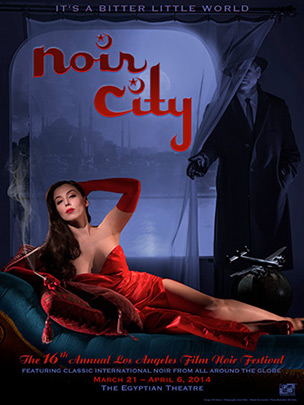
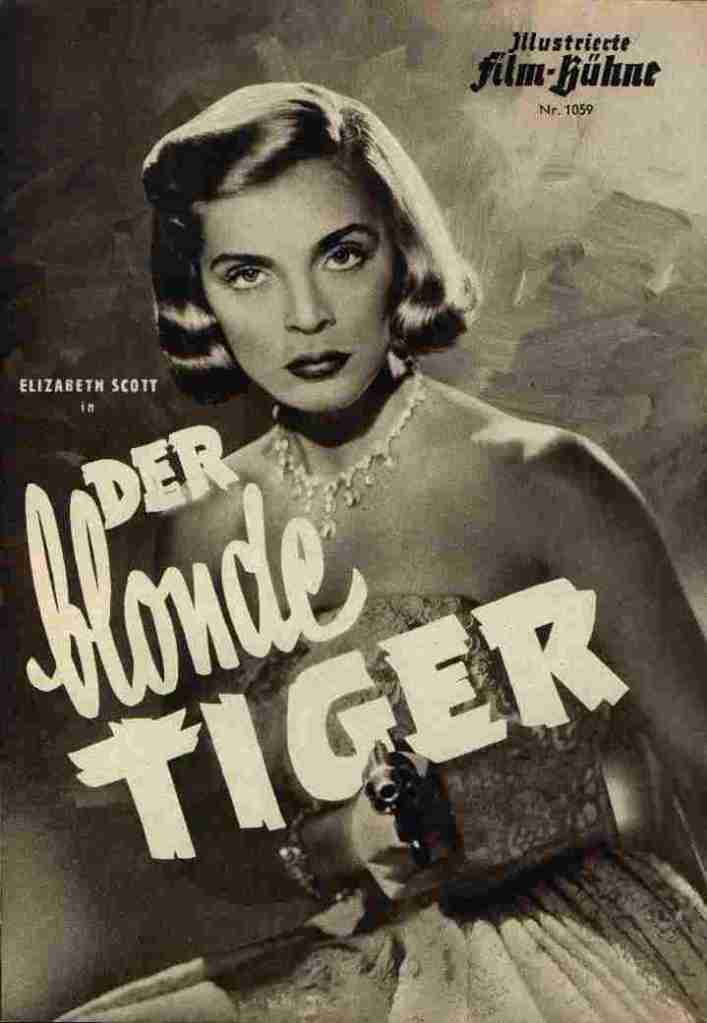
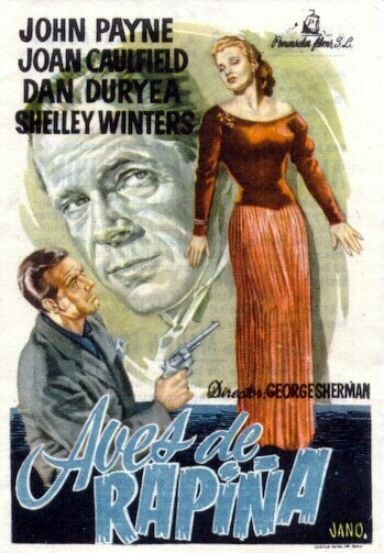

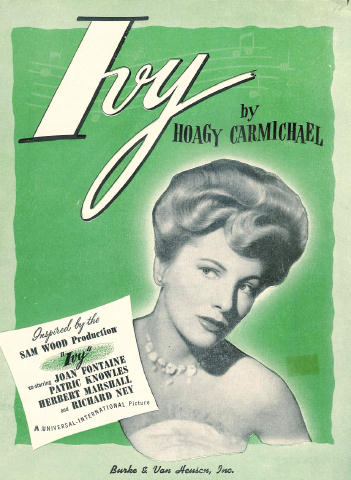
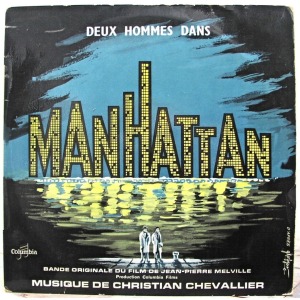
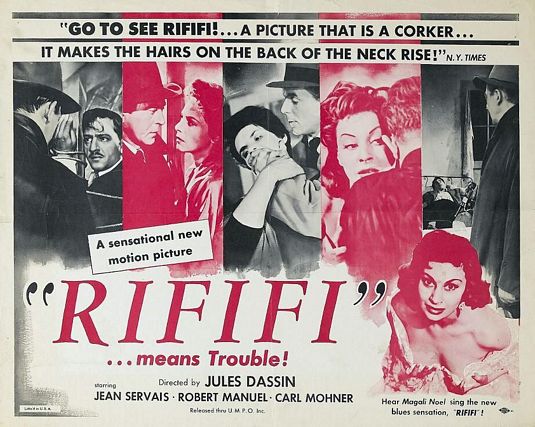

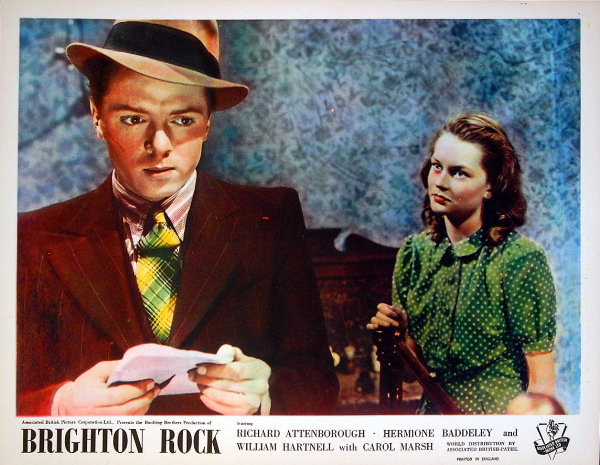
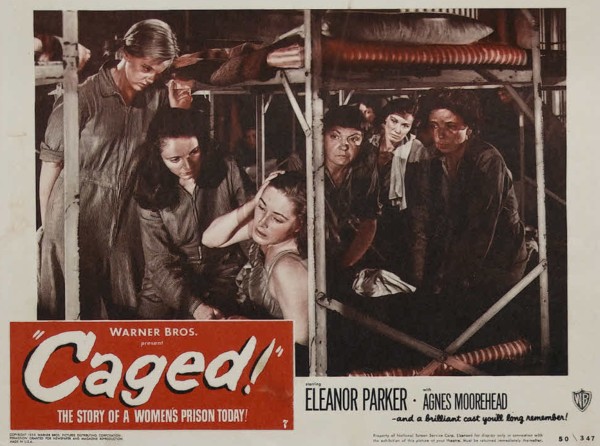
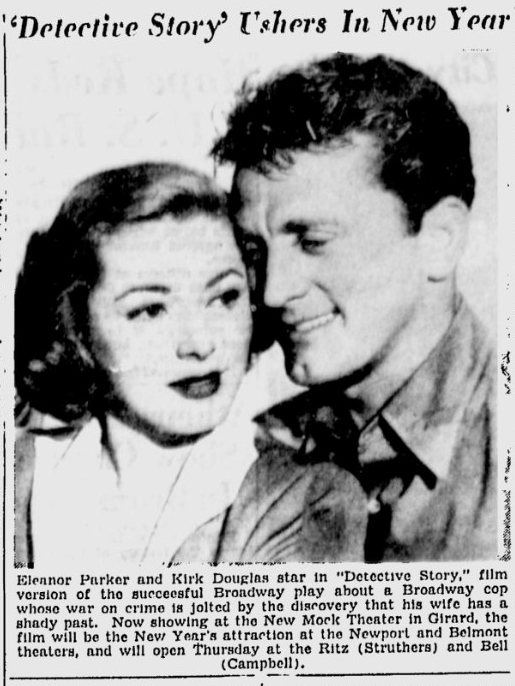


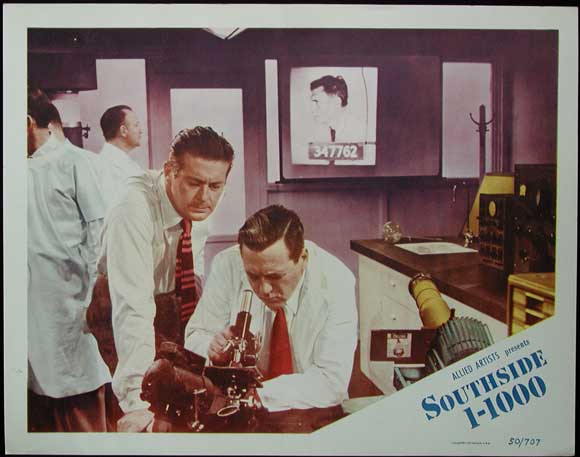
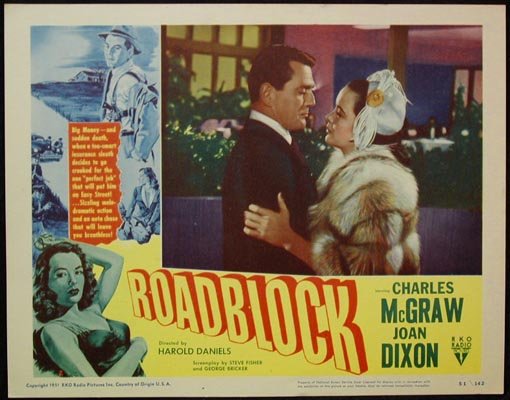

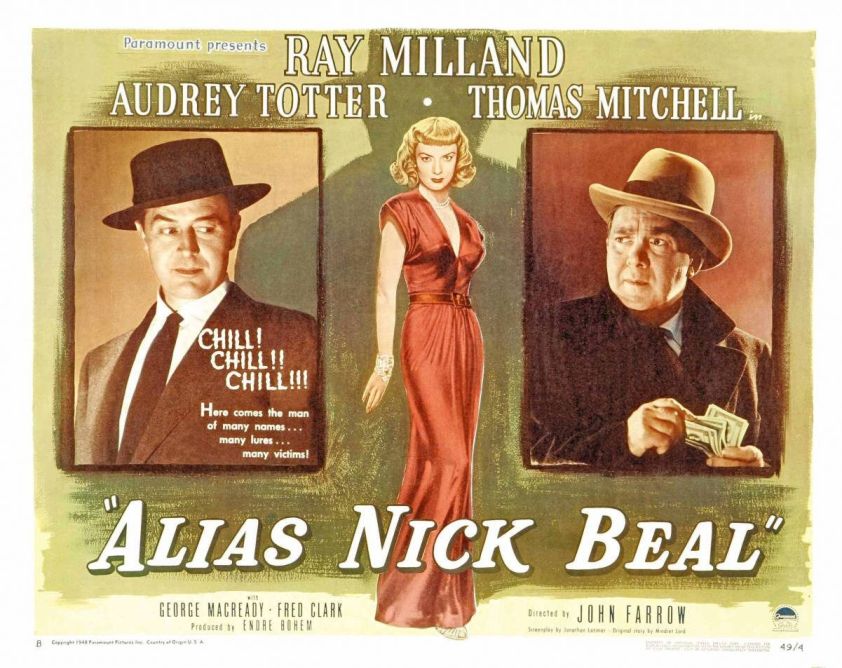

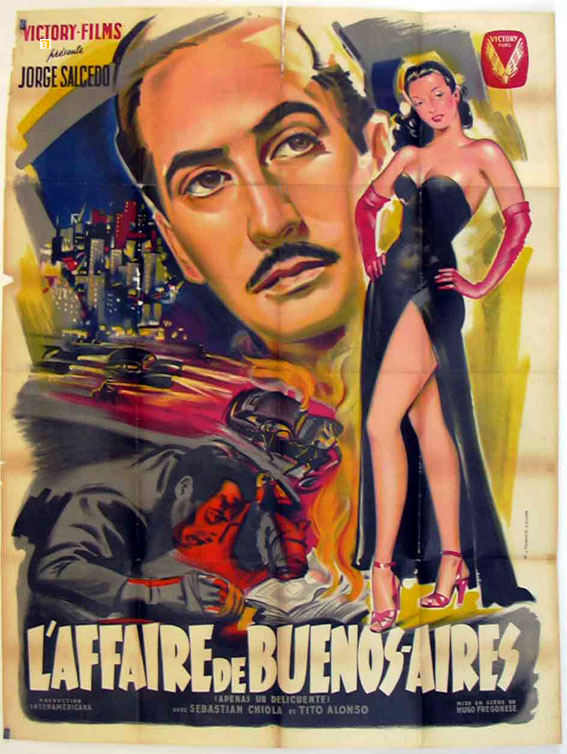

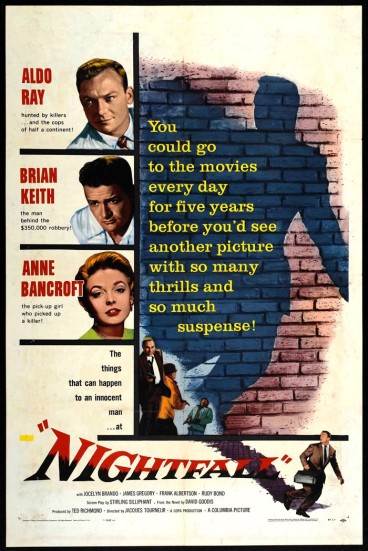

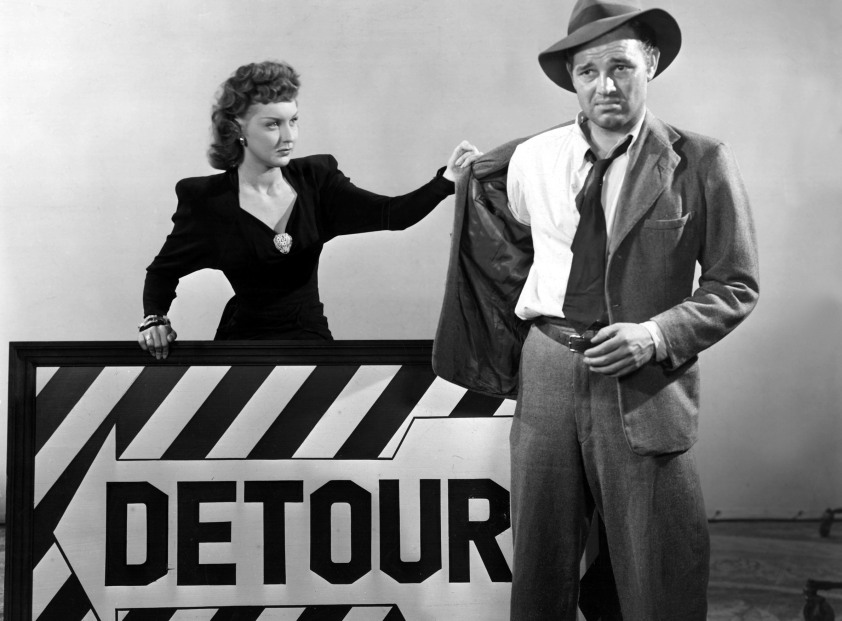
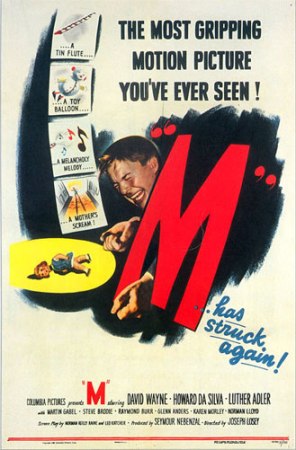
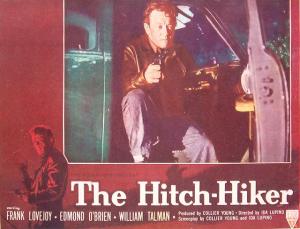
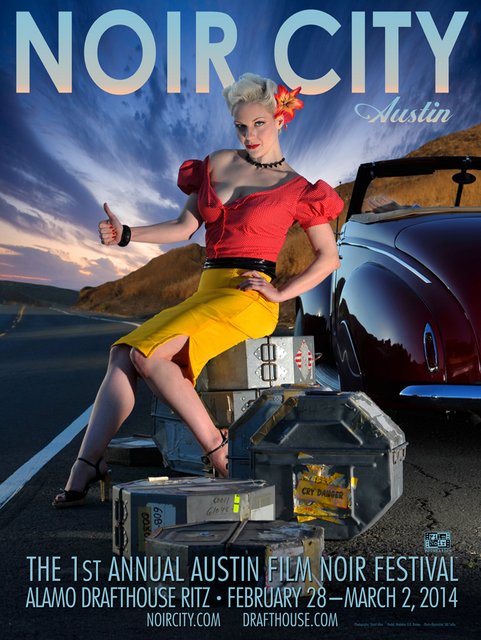
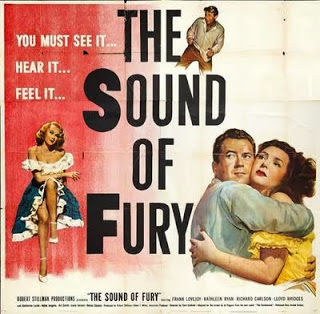
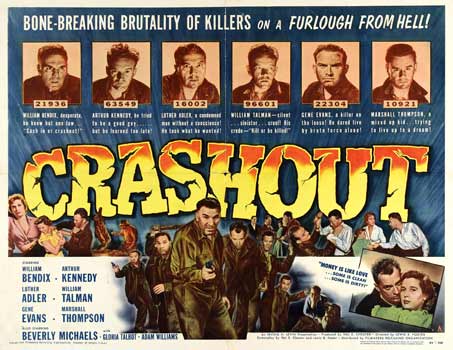
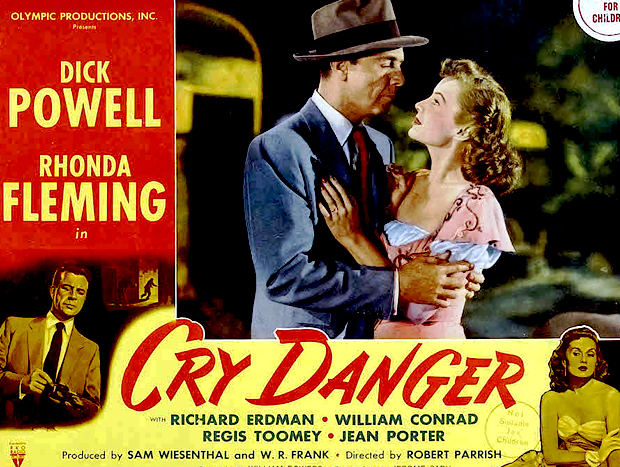
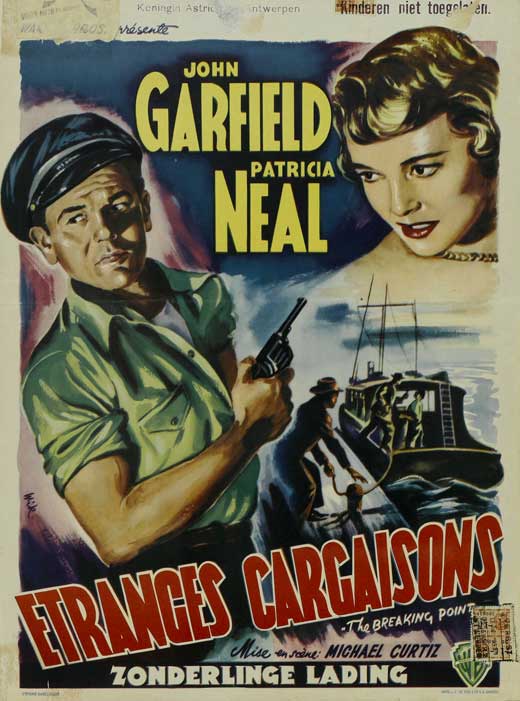
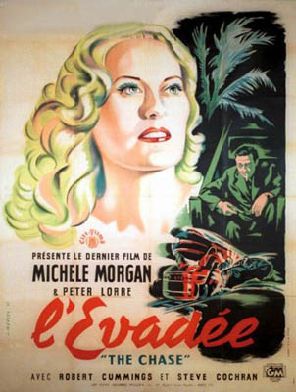
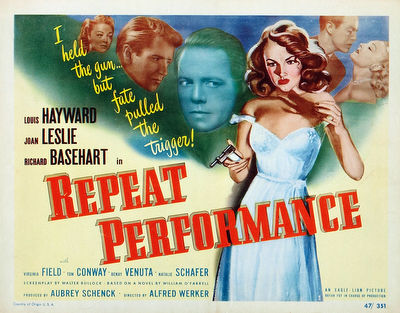
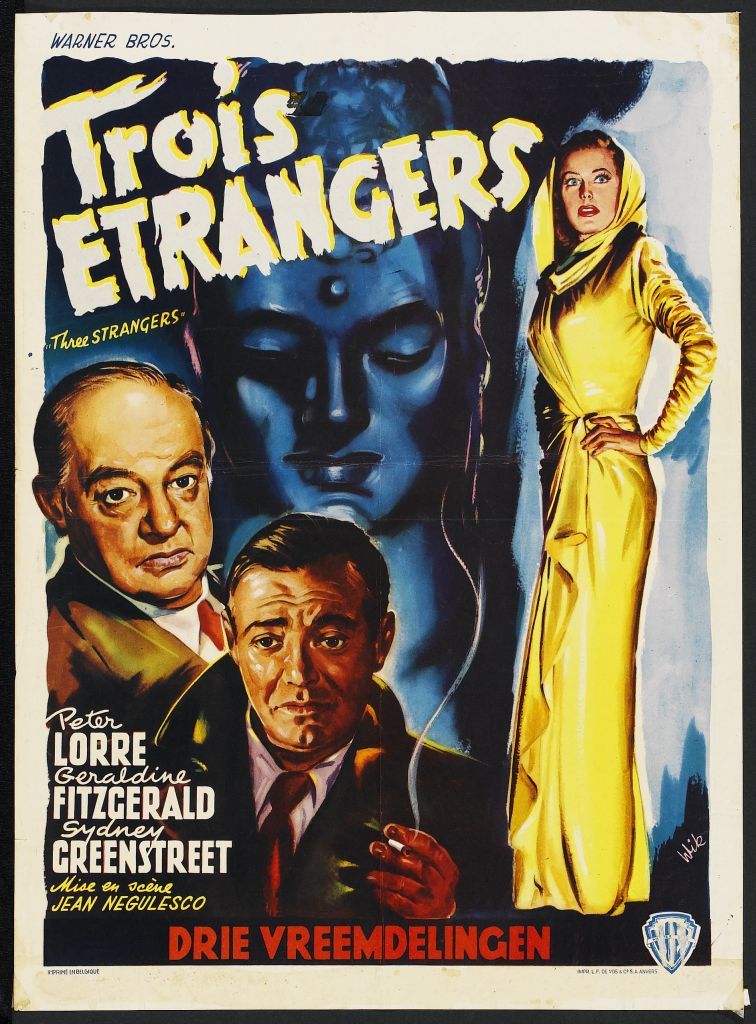
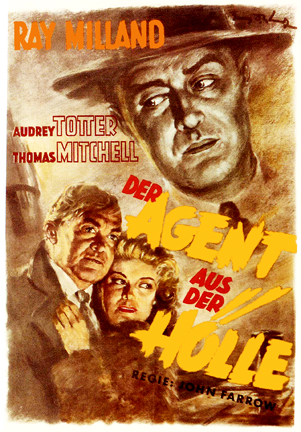


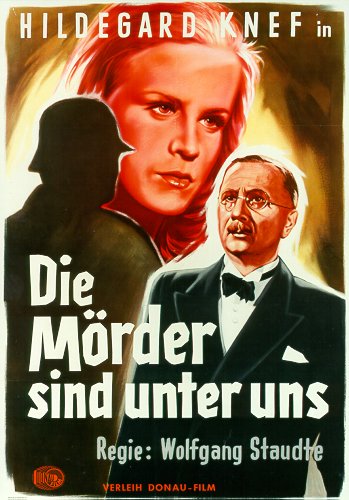
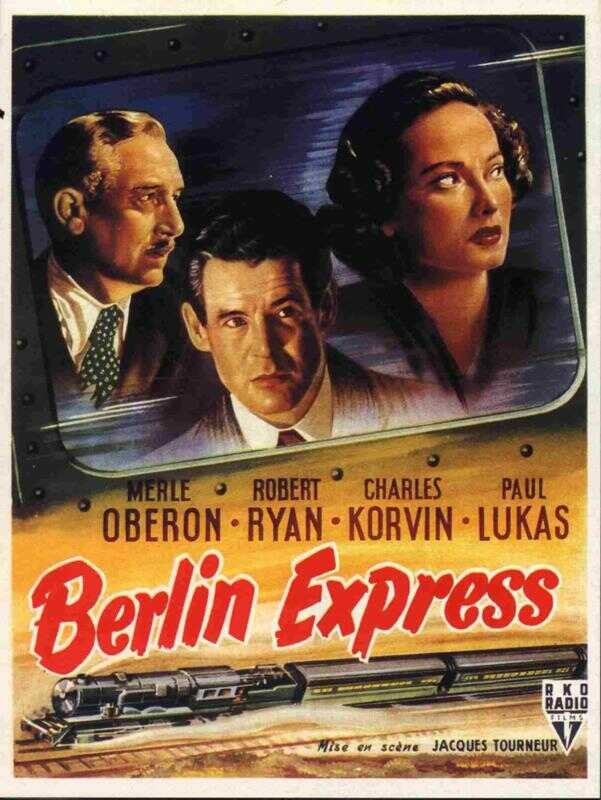
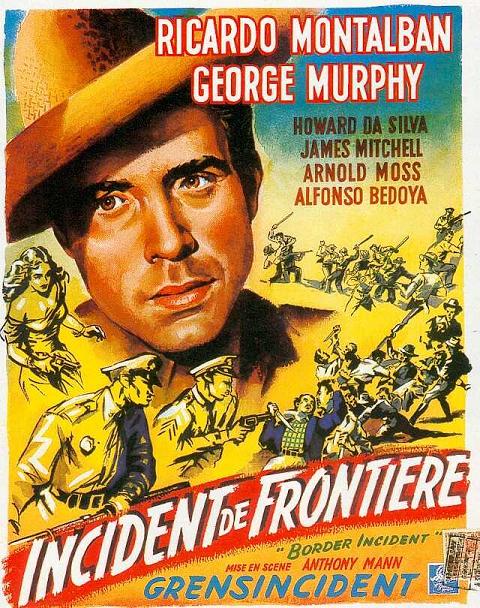
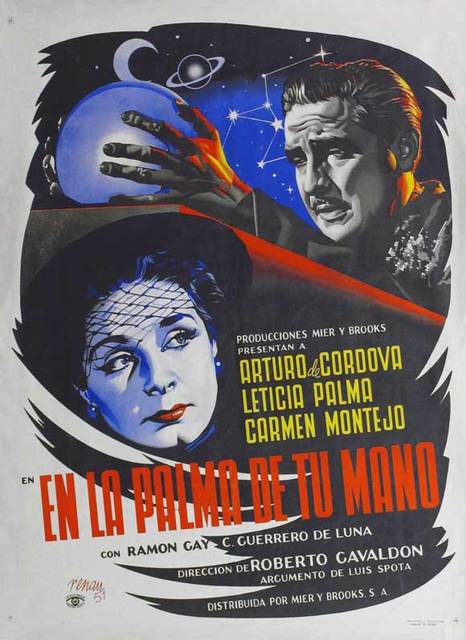
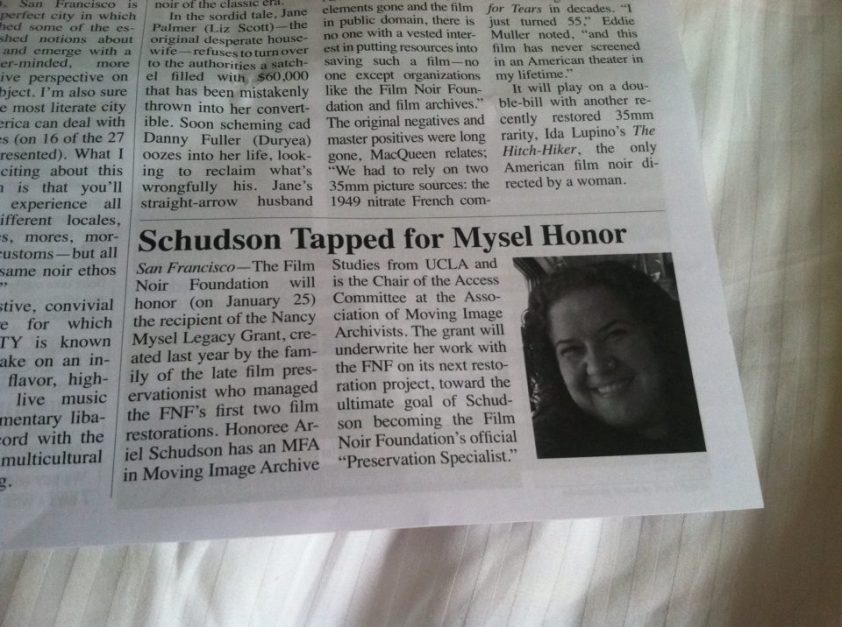
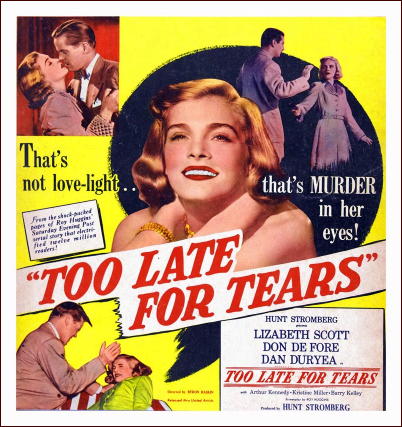
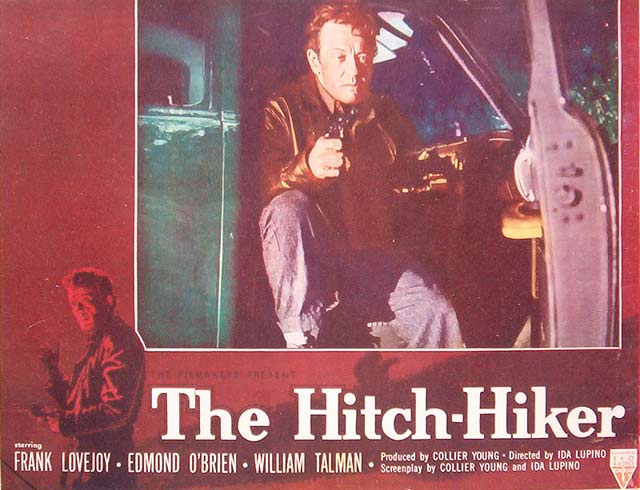
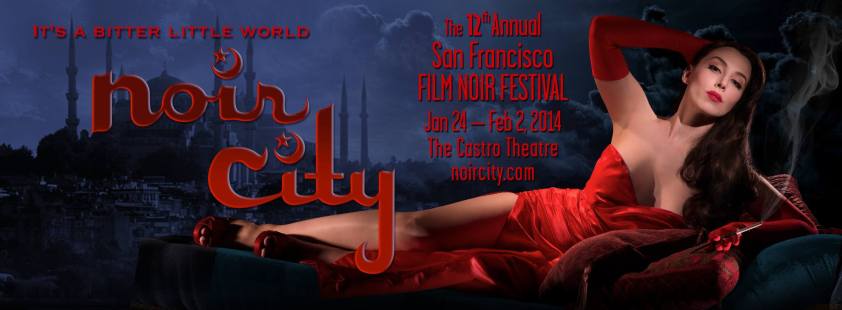


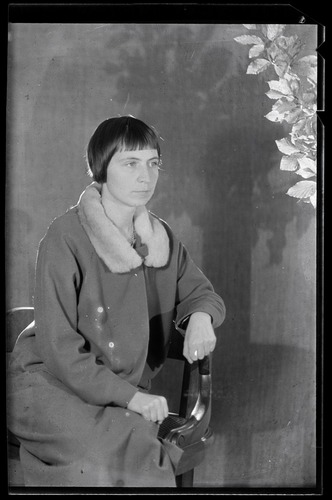

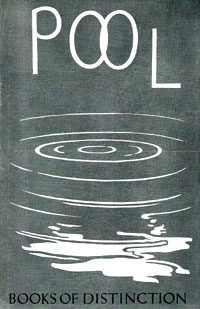

 Macpherson served as editor-in-chief, while Bryher was assistant editor. H.D. was a regular journalist/contributor, but all members of the POOL Group wrote for the magazine. Close-Up advertised itself as being the “official guide to better movies” and made demands on the cover, stating “WE WANT BETTER FILMS!!”
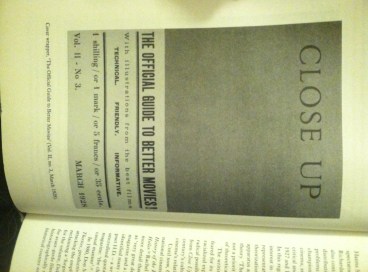


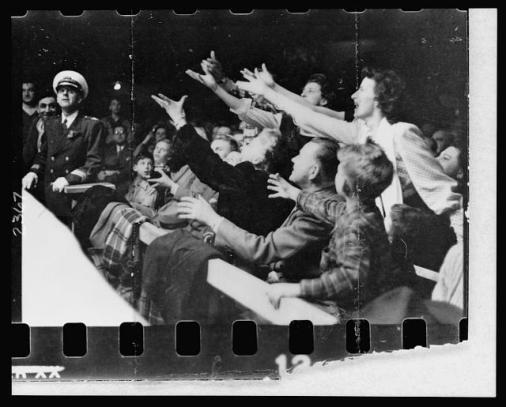



 spending time speaking at a variety of youth institutions, educating kids my own age about HIV/AIDS. I was about 13 years old. I went to all-girls-private schools where girls were given SUVs for their 16th birthdays. I went to places like Children of the Night where kids were pimped out by their parents from the age of 9. I went to homes for pregnant teens, drug rehab centers in east L.A., elementary schools (yes, we had to completely restructure our discussion for the under-10-years-old-set), and a school where they knew that we were bringing a HIV+ speaker with us, so parents came and sat in a special section, wearing latex gloves and medical masks. Because the disease is AIRBORNE.

 By the very end, he was going down from 7 to 5 to 4. He would say, “Oh, well! We’re down to Marlena, Joan, Bette and Judy, now! But they’re tough gals! They can handle it!” I may be a little off on the names, but I am 100% certain on Marlena and the idea that he chose tough film stars to name his T-cells after so they could fight for him. John Scott. I have yet to meet his equal in my lifetime. That was 20 years ago.
