As a moving image archivist and profound fan of VHS tapes, when I heard about the Found Footage FestivalI grew very excited.
For many, I think the comic factor is attractive. And that is understandable. But that’s not why I was thrilled. I didn’t get excited because the on-coming works to be shown seemed cheesy or ironically “awesome, dude.”
I wasn’t ready to support this show simply because it featured thousands of work-out tapes of the 80s that had been rediscovered in thrift-shops all over the United States, or because it was ready to seemingly exploit weird and wild home-made after-hours “Buy this! It’s only $99.99!” Mr. Popeil-style programs.
The Found Footage Festival, founded and curated by Joe Pickett and Nick Prueher got me because it was a film festival generated by the same confidence and love for visual media that San Francisco Guardian critic and Castro programmer Jesse Hawthorne Ficks has discussed at length when he has railed against the modern viewer’s concept of “neo-sincerity” and the damage that this has done to pure enjoyment of the visual text. It is what I mentioned when I talked about the uniquely new concept of non-ironically loving what others seem to consider “Bad” media. When I was asked to do a list for Rupert Pupkin Speaks on Bad Movies We Love, this is what I wrote:
I believe that the term “bad movie” requires a great deal of unpacking. Tragically, when I was first in film school, * mumblemumble * years ago, it did not. “Bad” simply meant the opposite of good. It meant that you did not like the film. It was a poor choice at the video store or the box office, you wouldn’t do it again, you had to go off and knock back a bunch of beers with pals to wash out that “bad movie taste” and that was that. No recommendations for that cinematic failure. The movie sucked.
Somehow, in the last 15 or so years, “bad” has taken on all sorts of different meanings to people. Now we all remember what Michael Jackson meant when he asked, “Who’s bad?” but that’s not exactly what I mean. Although, in a way, it is. When we go around to look at people’s collections at their houses and we agonize that they have the most “amazing VHS collection evAr” because it has a few dozen films starring your favorite wrestling stars, what does that mean? Does it mean those are good films or does it mean those are good films to you? Please note that I do not use the term “bad” here. I do not believe that it comes into play. I absolutely hate when people use the “so bad its good” descriptor. That, to me, is like saying “but he only hits me because he loves me.” IT MAKES NO SENSE ON A LOGICAL LEVEL.
So let’s get a few things clear right now:
1) There is no such thing as SO BAD IT’S GOOD.
2) Very few films are ever perfect. Sometimes, it is in their imperfections and in their relentless references to time, place and cultural objects that you can find absolute glory.
3) Polarizing terms applied to art (which, by its nature, exists in a gray area) are likely to change in time. How many films can you think of that were once completely shunned and are now considered “masterpieces”? Be careful of hyperbole. It’ll bite you in the ass.
All that said, when Jesse Hawthorne Ficks (of the MiDNiTES FOR MANiACS film series at the Castro Theater in San Francisco) came down to L.A. one night to present ROCKULA, he spoke about a thing called neo-sincerity, and that hit home. He said that we don’t watch these movies because we want to make fun of them, or because we think that they are stupid or so that we can, somehow, feel more superior by knowing that we dress “better” or some such. We watch these films because something in them actually appeals to us and we do actually dig them. So, with that, I give you a few films that other people may index underneath the genre of “bad movie” but I love the HELL out of.
As an archivist, I have learned that all media has a certain importance and this festival seemed like one that would not only be entertaining (being fronted by comedians and men who genuinely love both the VHS format and the comic craft) but also fascinating to my own work as a preservationist. It spoke to me on many levels since their approach mirrors the work of Rick Prelinger and Dan Streible in certain respects. Perhaps not the same tone, but like those respected archivists, these young men have taken the Home Movie Day approach with collections of old VHS works and they have most certainlybecome not only connoisseurs of the craft but experts in their field. To be frank, these men can reasonably do what any archivist does with a given set of elements: assess the collection, catalog the works, then provide access. In my eyes, the Found Footage Festival is a unique and new kind of traveling archive. Yes, they give humor alongside the visuals. But these works are also reflections of an era that (most likely) many audience members now were not alive for.
Most people in the audience never owned a VCR. I OWN THREE. YES, STILL.Also, these clips, much like home movies, are like time capsules and windows into another region or era that none of us ever were part of. I will argue that this Festival is an important one. And these guys can make you laugh while you ingest important things that you didn’t even realize were important. Because it just looks like a crazy lady with an unfortunately feathered hairstyle doing yoga.
I highly recommend that you attend one, two or all of their events, as listed here. The link to where you can ACTUALLY BUY the tickets is HERE
I WILL BE AT BOTH OF THE NEW BEVERLY SHOWS. LET’S DO THIS THING!!!!!!!!!
To a native Californian and Angeleno like myself, volleyball has always meant white guys and the beach. While I know that it is played professionally, and there are women’s teams, the concept of anything volleyball-esque brings up a Pavlovian response in me. Visions of blonde men with their tanned caucasian bodies appear in my imagination and I see these perfectly formed specimens, glistening with sunscreen, throwing themselves around in the sun and sand, as their bikini-clad-companions watch. While that may seem romantic and sexy, it’s always been an extreme turn-off to me.
These are precisely the kind of guys and just the kind of culture that I want nothing to do with. In fact, it is the kind of world that I spend an alarming amount of time railing against. They represent the worst of the worst to me. They are the frat-boy types who eat, sleep and breathe white privilege and couldn’t see the world any other way than monied and upper and of the higher-classes. They are blind to what is really going on and that pisses me off. I feel a little bad for the sport of volleyball, since it has suffered my associations, but I will recognize here and now that is my prejudice. Too many summers near Santa Monica watching people play, I guess.
With this in mind, I can only describe myself as insanely curious and awkwardly starving for Ursula Liang’s documentary, 9-MAN(Ursula Liang, 2014), which played at the Director’s Guild of America as part of the Los Angeles Asian Pacific Film Festival on Friday night, May 2nd. Co-presented by the Asian Youth Center in the San Gabriel Valley and the Chinese American Museum in Downtown LA (they’re currently running a whole exhibit on hot sauces called “LA HEAT”- it’s totally great! Check them out!), and introduced by the popular and highly entertaining Phil Yu, also known as Angry Asian Man, this documentary blew my mind. Completely unseen, Yu told the audience that he was putting 9-MAN on a list of films he would consider to be in his “Angry Asian Film Club.” “Unless it sucks.” he joked, “But I know it won’t suck!” And boy was he right. This belongs on that Film Club List with honors!
For what it’s worth, 9-MAN is a sports documentary. Technically, 9-man is a volley-ball-style sport that began in Chinatown communities in the 1930s but it is quite definitely not volleyball. In fact, that may be why I liked it. The terms “jungle ball” and “streetball” were thrown around quite a bit. Yeah, my ears perked up for sure. As a huge fan of brutal and hyper-masculine sports activities, the minute one of the athletes described 9-man as a game that commits itself fully to a “warrior mentality” I was IN.But it’s not simply a game. 9-man developed historically and has played a significant part in the way that Chinese men have been able to keep their culture alive and dynamic, especially between fathers and sons. As Liang documents so eloquently, this was one of the only outlets that many Chinese men had to express their masculinity during the 1930s/40s and onwards. The Chinese Immigration Acts that started in the late 1880s had seriously diminished roles for Chinese men to play in American culture, and the places that they were allowed to inhabit were exhaustively feminized at that time: laundry work, food service, etc. In order to regain a sense of masculinity and as a way to bond as a community, this game was created. It gave them a sense of dignity, fun and released the stress from these daily horrors.
Picture of 9-man team, 1946
But, as Liang stated in the Q&A after the film, she wanted to give a sense of this historical background while still keeping the modern storyline. And that is what she most certainly did. The core of the film and the “meat” focused on today’s teams and the journey towards the 2010 Boston Labor Day finals for several regional teams, and, like a truly great sports film, she makes you truly love and care for all the characters. If I thought that I cried in fictional films like Warrior or He Got Game, this film gutted me. I was at the edge of my seat, really WITH every character. Loving them, routing for them, on their journey. But what made it more interesting was each person’s discussion of the cultural ties and the fact that this was not just a game to them. This was part of their life. While Liang did pointedly say afterwards that her goal was to reimagine Asian men in the sports world and do some stereotype-busting through diverse portrayals (which was quite well-done, I might add) the sports/culture/ethnic connection was what really stood out. The media does not often investigate these issues for Asian men. The discussion of these 9-men player’s masculinity stories, whether done through tales of family connections, cultural struggles or sports dedication was really singular and revealing.
Credit: A player dunks over the net at a 9-man game in Philadelphia. (Andrew Huynh), published in LatitudeNews.com
The film does an excellent job in explaining the rules of the game with animated visuals- there is a difference between 6-man and 9-man games, for instance, and no women are allowed to play. There were wonderful illustrations to explain these things and the placement of the players as well. The intertitles were also quite helpful, as far as technical info was concerned. As of 1991, there was an “ethnic rule” that became part of the rule book- at least 6 men on the court had to be Chinese. The other 3 could be mixed. When asked about this in the Q&A afterwards, the responses were fascinating and reflected a very different 9-man than what had started so many years ago. Ursula was joined on-stage by two 9-man players, and each answered this question differently but with the same basic result. Both agreed (as did Ursula) that at this point it is really up to how good the player is. Many times, it comes down to that and not ethnicity. They will have the “how Chinese is he” arguments, but it will really boil down to “how good of a player is he.” They added that there are many mixed players now, and that will probably increase with time.
Credit: Andrew Choy, Flickr
I wondered if this was losing the spirit that been expressed by so many of the older interviewees in the film, especially certain men who had discussed playing 9-man in the 1970s, who had learned to have Chinese community and brotherhood through this activity, and had passed the tradition on to their children. It also made me think about something more serious. As someone who has studied sports that are familial and passed on in that manner (ie wrestling), this “more sports than culture” view being expressedmight end up deteriorating the 9-man community and a cultural history and important activity that goes beyond “sports.” But as the final interviewee in the film said about the game, sports or cultural expression, “There’s nothing like it and I’d never give it up.”
Producer Theresa Navarro, director Ursula Liang, and producer Bing Wang of 9-MAN, at Boston premiere
Ursula Liang has created a documentary that has inspired tears of triumph and heartbreak, nail-biting suspense and loud cheers of joy. This primarily female-produced film (as Liang discussed during the Q&A, most of the crew were women as well, something “you don’t see very often these days!”) combines historical fact with tough sportsmanship and really intelligent discussion about a highly marginalized and underrepresented community.
One of the most beautiful things about the screening was when Phil Yu asked the athletes during the Q&A what it was like to watch the film, and Lawrence, one of the athletes, replied, “I got to see people I know for once.” While it was clear that this referred to 9-man players he was pals with, it had a double-meaning: he got on-screen representation for once. Which is really what the Los Angeles Asian Pacific Film Festival is about, and I am glad for it.
FILM ARCHIVIST’S PLEA:One final note that I would have to make and this is more of a plea. I spoke to Ursula after the screening because, as a moving image archivist I was SINGULARLY IMPRESSED by the footage in the film. Not only is the subject INCREDIBLY unique and rare (she told me very few people she encountered had even heard of 9-man) but the stills and visual elements that are used have come almost entirely from personal collections. Museums and archives that specialized in Asian or Chinese historical works didn’t have anything on this, regional archives were empty, barely anything. I know that Prelinger Archives was on there, but they are amazing like that. Here’s the thing- THIS WAS ALOT OF HOME MOVIE STUFF, GUYS. This is not a surprise to me. PLEASE see this movie. I will tell you why:
1) It is THAT good. I’ll say it again. IT IS THAT DAMN GOOD.
2) The archival footage will show you that you need to go looking in your Nana’s house for all the cultural 16mm/8mm/etc stuff. It can be really important. LIKE NOW. GO.
3) If you are a POC, your works are EXTRA important and MUST BE SEEN. This film is a FABULOUS WATERSHED EXAMPLE of what can be done if you have a good subject and are a great researcher & can get some help. Liang went the extra mile on this because she taught herself how to be a filmmaker as she was making this film.
4) If you know of anyone who might have any other footage like this, let’s make sure it’s all out there. Seeing this was so great. As an archivist & as someone in preservation, this is *exactly* what we strive to do- restore history to its rightful viewers: us and everyone in the future. Make goodness happen with film. It can be magic. I BELIEVE THIS.
5) Female filmmaker. Need another reason?????
DID YOU MISS 9-MAN LAST NIGHT? NO WORRIES. IT’S PLAYING AGAIN! HERE’S THE INFO!
9-MAN – LOS ANGELES ASIAN PACIFIC FILM FESTIVAL
MONDAY, MAY 05, 2014 – 4:30
Tateuchi Democracy Forum, National Center for the Preservation of Democracy 111 N. Central Ave., Los Angeles, CA 90012
Welcome back to Common Careers! I know that it’s been a minute since we visited with Bryher and Lois, but…Film noir festivals must be attended and attended to. And what fun they are! Now, after exploring the dark streets of desperation and criminality, I am back to showcase the lives and work of the unique and creative women in film history. My hope is to try to post this column on a more regular basis than I have been primarily since locating these women’s stories and their critical influence on the world and film industry can be somewhat difficult. This is a necessary task and I am more than willing to take on some of the responsibility, so let’s get back to business.
Unlike previous profiles, this entry is geared specifically to an upcoming event. I am an annual participant in the TCM Film Festival and have been so for five years: the entirety of its existence. Due to this fact, I thought it might be nice to write-up one of the women who has made a contribution to one of this year’s films. Since I always find it more exciting to look into the slightly more obscure characters in film history, I thought this would be a great opportunity to shed some light on another fascinating female figure in film and allow folks at the festival to watch her creative work a bit differently. So here we go, down the way of cinema’s path, to find one of the women who helped forge some of the more beloved roles and stories in Hollywood: Fannie Hurst.
Fannie Hurst was born in Hamilton, Ohio in 1889 to an immigrant Jewish family. Her parents, Rose Koppel Hurst and Samuel Hurst, were never the kind of parents to support their daughter in her writing ambitions or any kind of creative intent. Raised in St Louis, Missouri, Fannie discovered her love for the written word early and submitted short stories and articles to magazines all during high school but didn’t get anything published until college. Indeed, her intense passion for writing got her into some trouble before she was even able to make it to higher education. In high school, Fannie had no qualms about writing term papers in exchange for math answers from high school classmates. This little “swap” almost caused Fannie’s expulsion!
Hurst had many jobs in her lifetime aside from her most famous one as a writer- salesgirl, waitress, actress, night court attendee, factory worker (to study coworkers, of course!) and television talk show/public affairs program host. Fannie Hurst was no regular gal. Aside from being a woman who knew how to make ends meet, by 1925, she and Booth Tarkington were the highest paid writers in the United States.
Of course, Fannie Hurst’s writing was not everyone’s cuppa. In F. Scott Fitzgerald’s book, The Other Side of Paradise, one of his characters makes a statement that lists various authors (naming our heroine as one) as “not producing among ‘em one story or novel that will last 10 years.” People felt her literature was too “corny” and she was referred to as the Queen of the Sob Sisters (although not in an altogether unfriendly way). Almost to disprove Fitzgerald’s theory of course, here we are, 100 years later and although almost all of Hurst’s books are tragically out of print, we are indeed still discussing her work. And to add to this, the films that were borne from her writing have most certainly not been forgotten. In fact, they play remarkably well and some are treasured cinematic classics. What a curious point about adaptation and media. It does strike a peculiar point about Fannie Hurst’s gift for the dramatic: did Hurst’s ability to comprehend pure emotional resonance in characters work better for visual media than for the written word? It is a conundrum and perhaps we will never know, but we might consider the possibility.
Fannie Hurst was heavily critiqued for her prose, grammar and style. Yet she was also immensely popular. Over a career that spanned more than fifty years, she wrote seventeen novels, nine volumes of short stories, three plays, numerous articles, and had 33 filmic adaptations of her written works. Everyone from Doris Day and Frank Sinatra to John Garfield and Joan Crawford starred in those films, and a few of them did more than just entertain, much like Fannie Hurst herself.
The work that has been made and remade the most is her novel Imitation of Life, originally published in 1933. The first film version made in 1934, due to show at the TCM Film Festival this upcoming week, features the lustrous Claudette Colbert and the deeply talented Louise Beavers. The two actresses play single mothers raising their children together, learning how to become entrepreneurs and end up facing the ugly and distasteful world of racism. The film also confronts rare issues of skin color and topics like “passing” at a time when absolutely no film script was.
Before this film, Louise Beavers was a well-known African American actress in Hollywood, but generally known for playing the “mammy” stereotype. In Imitation of Life, Beavers became the first African American actress to give a “non-Mammy” role. By playing the part of Delilah alongside Colbert’s Bea, they created an interracial female team of womanly strength in this film, unlike anything that had been seen before. One of the more potent assets of this film directed by John M. Stahl is Louise Beavers’ portrayal of Delilah. In 1934, just the concept of giving an African American woman a part this dynamic and rich that was on par to a Hollywood starlet such as Colbert was unheard of.
Imitation of Life deals with several topics that were not considered “Hollywood safe” at the time- racial relations, single women, and the idea of racial “passing.” Chief of the Production Code Administration Joseph Breen was extremely suspicious of this film, rejecting the original script and calling out “miscegenation.” However, at the end of the day, what was released did contain more of the original story. While both films are based on the same novel, more original Hurst-written Imitation is contained in the 1934 version than in the later 1959 version (starring Lana Turner and Juanita Moore).
The film has been remade several times over, turned into a television series and remained popular the world over. It is the one Hurst work that has genuinely changed the landscape of cinema. The National Film Registry selected the 1934 version for preservation in 2005 and it continues to be a valuable piece of moving image history when it comes to African American representation and strong examples of rich female characters in film. This is not the only thing that has established Fannie Hurst in the halls of greatness but if this had been the only thing she had done, it would have been enough.
Hurst did not write this “just because.” Imitation was apparently inspired by a trip to Canada taken with close friend and confidente Zora Neale Hurston. One can only assume that what occurred during the voyage was less that satisfactory at times and struck Hurst in such a fashion that she felt inspired to write a tale involving race, passing and the ins and outs of what is involved in an interracial friendship. But this seemed to be par for the course in Hurst’s personal affairs.
Fannie Hurst’s life was as unusual as her writing was prolific. Convincing her parents that she was going to go to graduate school in New York after graduating from Washington University in 1909, she moved there and never attended Columbia as promised. Although she never made it to graduate school, her work in politics and feminism more than made up for any advanced degree. Marrying Russian pianist Jacques Danielson in 1915, the couple maintained separate dwellings, told no one of the wedding until 1920, and had an arrangement with one another to renew their vows every five years…but only if both parties agreed.
Although it has been well documented that she had at least one affair with Canadian explorer Vilhjalmur Stefansson, Hurst was most dedicated to her husband. Married for 37 years, Danielson passed away in 1952. Upon Hurst’s death in 1968, 16 years worth of letters were discovered in her house, all of which were written to her long-gone life partner after his death. There’s something sadly romantic about that. It certainly matches the tone of her fiction.
But Fannie Hurst was more than the Lucy Stone League. She became great friends with Eleanor Roosevelt, supporting the New Deal and chairing a national housing committee from 1936-1937. She raised funds for WWII refugees and was a member on the board of the New York Urban League. A delegate to the World Health Organization in 1952, she was also part of a group called the Friendly Visitors, women who regularly volunteered in a New York women’s prison. When Fannie became entangled with Justice Arthur Goldberg in 1962 and he stated, “that it is time that we evaluated Women on merit and fitness for a job,” her quick response was, “Time sir! You are a half century too late.”
Eleanor Roosevelt and Fannie Hurst: fast friends!
Her contribution to the moving image media world was not solely made through the adaptation of literary works. Beginning in 1958, Hurst hosted a talk show called Showcase that featured public affairs panels and social issue-based interviews. Showcase was one of the first television forums in which the gay and lesbian community was invited to speak on their own behalf instead of being given the third degree or being treated as though they were a science project. Most previous television appearances of homosexual men or women featured them being studied or questioned as though they existed within a fishbowl or were a group to be “dealt with” by a panel of specialists.
Hurst’s breakthrough show was not as popular as one might have hoped. While Fannie Hurst’s support of the gay and lesbian community was unfailing (and had been so for years), the television stations were not all game for this content. While her fame certainly had some cache, it didn’t outweigh rampant homophobia. Showcase was cancelled several times by more than one station, finally ending for good after a year. As Steven Capsuto writes, “Hurst had contentious disagreements with station managers over her insistence on presenting panel discussions about homosexuality, and these broadcasts may have contributed to the cancellations. When the second station, New York’s Channel 13, axed the show definitively in 1959, Hurst had begun devoting one show a week to the subject of homosexuality. The final Showcase broadcast focused on same-sex desire among teenagers.”
While Fannie Hurst may have been called Queen of the Sob Sisters and criticized for her writerly techniques, her success is undeniable. Films like Young at Heart (Gordon Douglas, 1954), Humoresque (Jean Negulesco, 1946), and both versions of Imitation of Life (John M. Stahl, 1934, Douglas Sirk, 1959) show the way in which her written word had the ability to be converted to graceful, touching and enjoyable film work. Although modern temperance for melodrama may have lessened in the last 75 years, Hurst’s ability to catalyze real emotion and make an audience feel for a character remain altogether genuine. And in an environment where the vast majority of filmic content produced has a certain level of smarminess or “ironic nudging” there is something very fresh and real about a woman who just wanted to tell a good old-fashioned tearjerker tale.
Fannie Hurst’s life and everything she managed to do with it makes her a marvel. What a treasure it is that we can say that she is part of our history of women in film.
Fannie Hurst with her Yorkshire Terrier, Orphan Annie.
Los Angeles, California: the landscape for a criminally high number of films noir and the premiere setting for an unwieldy number of hardboiled novels and crime fiction. Of this urban environment, Aldous Huxley once remarked, “Thought is barred in this City of Dreadful Joy, and conversation is unknown.”
As a native Angelena, I quite like that my home has been labeled a “City of Dreadful Joy” and that any kind of exchange of words is somewhat mysterious. These elements (and other similarly toned descriptors) have always deeply connected me to crime fiction and its cinematic equivalent. Los Angeles has a long history with noir cinema. This film-based city and its highly urban-centered film genre/film cycle practically share genetic material. In other words, one thing would not be the same without the other.
Thusly, for a local such as me, it makes it even more exciting and appropriate when, once a year, Eddie Muller and the Film Noir Foundation bring NOIR CITY to the City of the Angels and spend some time with us at the American Cinémathèque!
I’ve been going to this festival for YEARS. Some of my dearest and greatest film memories were created here. It was here where I decided that I wanted to be a film archivist. NOIR CITY Los Angeles is the location where I have seen the vast majority of the films that knocked me out to the point of me chatting about them for the remainder of the year, until the next fest came along! My genuine joy with the quality of the prints, the acting and the stories just overflows every year. And it has been a social/film community thing, too- NOIR CITY allows me to spend a healthy amount of time in one of my favorite LA theaters, getting to see people that only come out for this festival. The Film Noir Foundation has provided quite a bit up until this point in this manner- for me and all my friends and colleagues.
I’m also in a unique position this year. As many of you may be aware, I was honored by the Film Noir Foundation in January with an award that really only happens in a noir fan’s (and recently graduated archivist’s), greatest dreams: I became the first participant in the Nancy Mysel Legacy Project, meaning that I will be working with the FNF on their next restoration project. I don’t think I have to tell you how thrilled I am. It’s all I’ve ever wanted and more.
This brings a new layer to attending this year’s NOIR CITY Los Angeles for me. It’s my home festival! For those of you in Los Angeles who may have not had the chance to go to NOIR CITY before, or may not have considered it, I would ask you to join me. Not just because it truly is one of the best film festivals, but also so that you may see what it is that I am completely and totally head-over-heels in love with, and have dedicated my life to preserving. These are incredibly special and wonderful pieces of cinema. I would love to spend some time with you experiencing these films and reveling in the dark. Shall we do so?
Last thing I will say before I go into the films themselves: since I have been to the festival quite a bit before- I have to say that this year in particular is pretty spectacular. GREAT 35mm prints, wonderful international work, exquisite restorations. And these are all things that I would say even if I were not involved somehow with the FNF. Seriously, the line-up is truly mind-blowing, and I am so excited! Hope to see you there! Oh and one last thing- I would highly suggest buying tickets for the shows ahead of time. They have been known to sell out. Your link to buy said tickets to get you into the marvelous dark mayhem of NOIR CITY can be found right here and if you want other info about the Egyptian theater itself (parking, etc), that may be found here.
NOW, AS THEY SAY, ON WITH THE SHOW!!!!
Friday – March 21, 7:30 pm
Introductions by Eddie Muller and Alan K. Rode of the Film Noir Foundation!
Too Late For Tears
TOO LATE FOR TEARS – 1949, 99 min, USA, Dir: Byron Haskin – 35mm
Restored by the Film Noir Foundation and UCLA Film & Television Archive, featuring Lizabeth Scott and Dan Duryea, this film is the film noir you didn’t know you were missing and the restoration you didn’t know could look this great! Unbelievably thrilling LA-footage and unforgettable characters!
LARCENY – 1948, Universal, 89 min, USA, Dir: George Sherman – 35mm
More Dan Duryea, and there’s nothing wrong with that! A rare one with Shelley Winters and the first film work of John Payne, the title may seem dishonest but the quality is straightforward good stuff!
Larceny
Saturday – March 22, 7:30pm
Introduction by Eddie Muller of the Film Noir Foundation
Born to Be Bad
BORN TO BE BAD – 1950, Warner Bros., 94 min, USA, Dir: Nicholas Ray – 35mm (print from the George Eastman House collection)
Two words: Nicholas Ray. Two more words: Joan Fontaine. If those things mixed with a healthy slap of Robert Ryan doesn’t throw ya, I couldn’t imagine what would. This one’s going to be a doozie!
IVY– 1947, Universal, 99 min, USA, Dir: Sam Wood- 35mm
The second in this “Joan Fontaine double feature,” this film is not available on DVD so this is definitely not to be missed. Additional factoid: the role that Fontaine plays in this was originally supposed to go to her sister Olivia de Havilland! Oops!
Ivy
Sunday – March 23, 7:30pm
Introduction by Eddie Muller of the Film Noir Foundation
Two Men In Manhattan
TWO MEN IN MANHATTAN (DEUX HOMMES DANS MANHATTAN) – 1959, Cohen Film, 84 min, France, Dir: Jean-Pierre Melville – DCP
Part of the monthly Cohen Film collection series, this Melville film is also part of NOIR CITY’s new focus this year on international noir works. This film is in French and English with English subtitles, and promises to be a real treasure!
A French heist picture directed by an American noir professional, this is globally considered to be one of the classics in crime cinema. French with English subtitles.
Rififi
Wednesday – March 26, 7:30pm
It Always Rains on Sunday
IT ALWAYS RAINS ON SUNDAY – 1947, Rialto, 92 min, UK, Dir: Robert Hamer – 35mm
Somewhere between kitchen sink drama and noir is this film. Googie Withers really brings it in this exciting British entry to NOIR CITY!
BRIGHTON ROCK – 1947, Rialto, 92 min, UK, Dir: John Boulting – 35mm
The baby-faced and ultra-young Richard Attenborough plays one of the most sinister and blood-curdling characters in all of film noir in this film: Pinkie. Every bit of this film is fulfilling in a way that is, once again, wholly British, reminding us of this year’s international theme.
Brighton Rock
Thursday – March 27, 7:30pm
Caged
CAGED – 1950, Warner Bros., 96 min, USA, Dir: John Cromwell – 35mm
If ever there was a film that depicted women in prison, CAGED is one of the most star-studded and powerful. The first entry in the Eleanor Parker double feature, this film also showcases Agnes Moorehead, Jan Sterling and many others. Will not disappoint!
DETECTIVE STORY – 1951, Paramount, 103 min, USA, Dir: William Wyler- DCP
Another great performance from Eleanor Parker, matched only by the presence of one, Kirk Douglas, and directed by William Wyler. This film was nominated for several awards. Come and see why!
Detective Story
Friday – March 28, 7:30pm
Introduced by Alan K. Rode of the Film Noir Foundation
Jenny LaMour
JENNY LAMOUR (QUAI DES ORFÈVRES) – 1947, Rialto Pictures, 102 min, France, Dir: Henri-Georges Clouzot- 35mm
A fantastic police procedural by the director of such gems as Diabolique and The Wages of Fear, this film is another look into how film noir was explored in the country of the term’s birth. In French with English subtitles.
ANGELS OVER BROADWAY – 1940, Sony Repertory, 79 min, USA, Dir: Ben Hecht, Lee Garmes- 35mm
This incomparable Ben Hecht-penned & directed film features Rita Hayworth & Douglas Fairbanks, Jr in a film about cons, gambling and moral devastation. You know- noir standards! Hecht was nominated for this screenplay- come and see why!
Angels Over Broadway
Saturday- March 29, panel at 6:30pm, film at 7:30pm
6:30pm – Southern CA Chapter of the Mystery Writers of America meet for a discussion on Los Angeles in noir and literature. Featured panelists: novelists Eric Beetner (Dig Two Graves), P.G. Sturges (the Shortcut Man series), and Steph Cha (Follow Her Home). Book signing will occur in lobby, shortly after the panel.
Introduced by Alan K. Rode of the Film Noir Foundation
Southside 1-1000
SOUTHSIDE 1-1000 – 1950, Warner Bros., 73 min, USA, Dir: Boris Ingster- 35mm
Watch a brand-new 35mm print that highlights the dangers of counterfeiting and criminality within many fantastic Los Angeles locations, from downtown to Hollywood itself! Exciting!
ROADBLOCK – 1951, Warner Bros., 73 min, USA, Dir: Harold Daniels- 35mm
In the world of noir tough guys, there is only one Charles McGraw and this film says that with a vengeance. Come see McGraw in a rare leading role, playing an insurance investigator, doing what he does best- steal that screen!
Roadblock
Sunday – March 30, 7:30pm
Introduced by Alan K. Rode of the Film Noir Foundation
Tension
TENSION – 1949, Warner Bros., 95 min, USA, Dir: John Berry- 35mm
We lost a real gem when we lost Audrey Totter last year. This first film in the Audrey Totter double feature shows how smoldering hot and delicious this woman could be and just what an incredible medium noir could be for women and the expression of female sexuality at the time, regardless of the…outcome.
ALIAS NICK BEAL – 1949, Universal, 93 min, USA, Dir: John Farrow- 35mm
More Audrey Totter. That should just be a slogan in life. And in a Faustian work with Ray Milland in tow? HOW can you go wrong?? You just can’t. DO NOT miss this on the big screen. You will truly regret it. This is a great film with everything in its right place and everyONE in their right role.
The Italian version of James M. Cain’s The Postman Always Rings Twice. Need any further coaxing? If so, let’s put it this way- this is a VERY hot film. So hot that it was banned by Italy’s fascist government and MGM confiscated and destroyed all the prints it could possibly find. This is a must-see. Italian with English subtitles.
Thursday- April 3, 7:30pm
Hardly A Criminal
HARDLY A CRIMINAL (APENAS UN DELINCUENTE) – 1949, Film Noir Foundation, 88 min, Argentina, Dir: Hugo Fregonese
Returning to our international theme, this is the first in our Hugo Fregonese double feature. A film that investigates Buenos Aires criminality, this Argentinian noir looks at prisons and “perfect crimes” in a very familiar manner, illustrating how film language may not change when it comes to noir- the darkness is universal.
ONE WAY STREET – 1950, Universal, 79 min, USA, Dir: Hugo Fregonese
More Fregonese. This time featuring the likes of James Mason and the illustrious Dan Duryea! See what these American noir figures are like in the hands of Argentinian direction.
One Way Street
Friday-April 4, 6:30pm for book signing, 7:30 for film
Philippe Garnier will sign copies of his NEWEST RELEASE, Goodis: A Life in Black and White*, at 6:30PM in the lobby.
* First American publication by Eddie Muller’s Black Pool Productions
Introduction by Eddie Muller of the Film Noir Foundation
Nightfall
NIGHTFALL – 1957, Sony Repertory, 79 min, USA, Dir: Jacques Tourneur
Rarely played and underappreciated, this Tourneur gem features the lovely Anne Bancroft and Aldo Ray gritting out every bit of the darkness of this Goodis-penned work. Considering the cinematography on this, you will definitely want to see this on a big screen!
AND HOPE TO DIE (LA COURSE DU LIÈVRE À TRAVERS LES CHAMPS) – 1972, CCFC, 99 min, France, Dir: René Clement
1970s France, direction by Rene Clement, Robert Ryan and a French-speaking Aldo Ray and a David Goodis story to boot? Just say YES. Master heists and criminal undercurrents at every turn, this film promises nothing but satisfaction. It is a NOIR CITY essential. In French with English subtitles.
And Hope to Die
Saturday – April 5, 7:00 intro and screening, 9:00 dinner and party!
This is the BIG NIGHT!!!! There is dinner (provided by The Kitchen for Exploring Foods) and dancing and a bar and all sorts of exciting entertainment after the show! So get those tickets now and get those fancy outfits together! It’s going to be a BLAST! Advance tix are highly recommended. This is going to be so much fun!
Detour
DETOUR – 1946, Wade Williams, 70 min, USA, Dir: Edgar G. Ulmer
If you are unfamiliar with this film, it is a MUST SEE, even more so in a theater and with an audience. It is the classic B-noir and illustrates the brilliance of cinematic economy and perfect storytelling, visually and otherwise. This is a tight picture on a tight budget and one that Hollywood could still learn a great deal from!
For complete details about the party and the ticket arrangements, please go here. It’s an event that, much like DETOUR, you will not want to miss!
Sunday – April 6, 7:30
Introduction by Eddie Muller of the Film Noir Foundation. Discussion between films with author Mary Ann Anderson (‘Ida Lupino: Beyond the Camera‘ and ‘The Making of The Hitch-Hiker‘) and Alan K. Rode.
M
M – 1951, Superior Pictures, 91 min, USA, Dir: Joseph Losey – 35mm
If the excitement of viewing a restored 35mm print wasn’t enough, the cast for this American version of Fritz Lang’s classic should make your hair stand on end. Norman Lloyd, Raymond Burr, Jim Backus, Howard DaSilva and more keep this piece loaded with brilliance, not to mention it’s done by one, Joseph Losey. Support restoration and great works! Check this piece out! Not on DVD!
THE HITCH-HIKER – 1953, RKO, 71 min, USA, Dir: Ida Lupino – 35mm
This breathtaking restoration by the Library of Congress will have you thinking that the film was printed yesterday. But that also could be due to the content, as well. Actress and filmmaker Ida Lupino was a stellar woman in filmmaking history and this is one of the most striking pieces in her oeuvre. Come see Mary Ann Anderson discuss her work and then see it large and in charge…and restored, care of NOIR CITY, and for the final film of NOIR CITY Los Angeles 2014!
Alright, ladies and gents, here’s the rumble: after the yearly successful spin on the silver screen in Seattle, NOIR CITY thought it was high time to take it on the heel and toe and make it down to Austin, Texas for the first time and the Alamo Drafthouse Ritz. So from February 28 to March 2, if you happen to be around that joint, I highlyrecommend you take a look-see. This is going to be a tremendous event!
As documented in my earlier pieces, the experience of attending NOIR CITY is like no other. Carefully curated and meticulously planned, this festival presents collections of films, some of which have not been played in a theatrical context in years. These remarkable cinematic works are not only receiving a new life by the onslaught of fans attending NOIR CITY but they are also receiving new treatment in many cases, as a portion of the funds collected by the Film Noir Foundation (the non-profit organization behind NOIR CITY) go to future film preservation/restoration projects.
All attendees of NOIR CITY assist in the preservation of the films no matter where it is- San Francisco, Seattle, Chicago, Portland, Washington, D.C., Los Angeles, and now, Austin! Becoming part of this “bitter little world,” whether it is through buying a ticket or a t-shirt, assures the future survival of these films that are being shown. As someone who works in the world of preservation and restoration, just getting the chance to see excited audiences enter the theater and hear their remarks about recent restorations being shown is enough to make me know that I chose the right occupation. Some people like the rewards of teaching, other people enjoy the satisfaction received from selling a house- I enjoy the knowledge that someone has gotten intense joy out of watching a motion picture that has been worked on and “saved” from its own kind of death.
Bringing NOIR CITY to Austin and the Alamo Drafthouse Ritz is something that everyone involved is very pleased to see finally come to fruition. Eddie Muller, founder and president of the Film Noir Foundation, notes, “I couldn’t be more thrilled that Austin is the latest addition to the NOIR CITY roadshow. I love the Alamo Drafthouse and am excited to be part of its mission: keeping creative and communal rep programming thriving. Since this is the first NOIR CITY at the Drafthouse, it’s a virtual ‘greatest hits’ of all the titles the Film Noir Foundation has restored or recovered from obscurity. It’ll be a fantastic weekend.”
With that, please enjoy the following posters and small bits of information about the films that will be shown over the next few days!
Friday, February 28
Too Late For Tears (Byron Haskin, 1949)
Too Late For Tears (Byron Haskin,1949) Restored by the Film Noir Foundation and UCLA Film & Television Archive, featuring Lizabeth Scott and Dan Duryea.
Try and Get Me (Cy Endfield, 1951)
Try and Get Me aka The Sound of Fury (Cy Endfield, 1951) Rare film by a blacklisted director & recent Film Noir Foundation restoration, featuring Lloyd Bridges and Frank Lovejoy.
Saturday, March 1
Larceny (George Sherman, 1948)
Larceny (George Sherman, 1948) rare not-on-DVD film featuring the great John Payne & Shelley Winters!
Crashout (Lewis R. Foster, 1955)
Crashout (Lewis R. Foster, 1955) Fantastically exciting prison escape film featuring some of the best of the best: William Bendix, Gene Evans, William Talman and more!
Cry Danger (Robert Parrish, 1951)
Cry Danger (Robert Parrish, 1951) breathtakingly beautiful restoration done by the Film Noir Foundation and the UCLA Film & Television Archive that makes you think this film came out or was shot YESTERDAY. Dick Powell just rips that screen apart.
The Breaking Point (Michael Curtiz, 1950)
The Breaking Point (Michael Curtiz, 1950) This picture has the swoon-worthy John Garfield alongside the truly great Patricia Neal in what is really one of the best Hemingway adaptations ever put to screen.
Sunday, March 2
Repeat Performance
Repeat Performance (Alfred Werker, 1947)
Repeat Performance – (Alfred Werker, 1947) This 2012 35mm restoration, funded by the Film Noir Foundation and the Packard Humanities Institute, is not to be missed! ATwilight Zone-esque tale with dynamic performances from Richard Basehart and Joan Leslie, this film will knock your socks off, leaving you hungry for more.
Three Strangers (Jean Negulesco, 1946)
Three Strangers – (Jean Negulesco, 1946) – Co-written by John Huston, this film stars three of the more persuasive figures in the film noir acting canon: Sydney Greenstreet, Peter Lorre and Geraldine Fitzgerald. While the plot may seem simple at first, the actuality is that this film is one of the darker and more unique pieces of noir cinema produced.
Alias Nick Beal (John Farrow, 1949)
Alias Nick Beal (John Farrow, 1949) – The chance to see this not-on-DVD film on a big screen is now yours! Experience the vibrant Audrey Totter and the oh-so-persuasive Ray Milland in a film noir that is like no other. Not to be missed!
The Chase (Arthur Ripley, 1946)
The Chase (Arthur Ripley, 1946) – End your visit to NOIR CITY Austin with one of the more unusual pieces put on film. Based on a Cornell Woolrich novel, this film has been called everything from “dreamy” to “expressionistic” and showcases Robert Cummings, Michele Morgan and Peter Lorre. The Chase is a great way to end a great weekend! Hope you enjoy!
Two films that left me reeling (literally and figuratively, since they were both shown in 35mm!) with the enormity of Akira Kurosawa’s cinematic greatness and Toshiro Mifune’s extreme handsomeness. Oh, I have a deep crush on that man!
But I will not lie: both DRUNKEN ANGEL (1948) and STRAY DOG (1949) were challenging to me in their pacing. I did find that exciting though. And it left me excited and allowed me to really soak in the visuals and the work that was being spread out before me. I found myself thinking that I wanted to see these films again on a big screen because the first time was much like that first coat of paint- it may work, but you need another one to make absolutely certain that the color “sticks.” Whatever the case, I LOVED THESE FILMS and even moreso? I loved the experience of seeing them in a theater full of people.
Truly, the Castro Theater and its audience is one of THEmost film-loving and interactive and genuine that I have ever experienced. It’s a real joy.
STRAY DOG (Akira Kurosawa, 1949)
DRUNKEN ANGEL (Akira Kurosawa, 1948)
I am particularly excited about tonight’s films, as I get to see my main noir homeboy Robert Ryan in BERLIN EXPRESS, directed by Jacques Tourneur, along with Merle Oberon and good ol’ Charles McGraw in there. But before that? A real treat in THE MURDERERS ARE AMONG US, by Wolfgang Staudte.
THE MURDERERS ARE AMONG US (1946)
BERLIN EXPRESS (1948)
As before, hope that you’ve escaped the shadows and darkness of the outer world and are able to join us in the gorgeousness of the Castro Theater!
Yesterday was a BIG day in a variety of ways. First of all, we started out in Mexico (cinematically, anyways), watching an absolutely gorgeous Anthony Mann film called BORDER INCIDENT (1949) that was shot by one of my very very favorite cinematographers, John Alton. It was amazing. So much so, that a woman behind me gasped and said, “This is rather gruesome, isn’t it?” Yes, a film from 1949 can be rather gruesome!
We then moved into a wonderfully unusual piece from Mexico called, IN THE PALM OF YOUR HAND – EN LA PALMA DE TU MANO (Dir. Roberto Gavaldón, 1951) which was truly extraordinary. I had never seen a Mexican noir before so that was great!
Then later on in the evening it was the restorations section.
One of the reasons I am up here (aside from my love/obsession for noir) is that I have been chosen to be the first recipient of the Nancy Mysel Legacy Grant, which is a huge honor and I am exceptionally thrilled and grateful. If you had told me, at the beginning of my film studies (approx. 15ish years ago) that I would be getting to the point where I would get to the point where I would get up on stage in front of a SOLD OUT audience of 1400+ people and tell them what Nancy Mysel meant to me and how important film restoration was and how very honored I felt receiving this award….WITH EDDIE MULLER??????
I would’ve laughed in your face and thought you were teasing me. I would’ve said “No way. Not me.” But that’s what happened last night. And I promise to uphold Nancy’s legacy in the best way possible because she was one of the most exceptional women in the film preservation community and inspired me to join and is one of the primary reasons that I chose this path, much like film noir is one of the reasons I fell in love with the cinema.
After the presentation, we watched two INCREDIBLE restorations that really were prime examples of what can be done if the right people, passions and resources are involved, even if you don’t have the original materials.
TOO LATE FOR TEARS(Byron Haskin, 1949) was just incredible looking. While Eddie said it was going to be a little rough going for a restoration due to the lack of original elements (great story about the retrieval, too!) it was nowhere near that! It looked fantastic- Liz Scott’s face, Dan Duryea’s suit, all the details were beautiful. My favorite thing about a noir restoration: make the desperation look gorgeous like cinema is supposed to. And TLFT certainly did. And…it was a wonderful film to boot with some really gritty real PURE noir lines. SO. MUCH. ENJOYMENT. Man, do I loooooove film noir.
“Don’t ever change, Tiger. I don’t think I’d like you with a heart. “
Afterwards, of course, was a film that I bought recently on Blu-ray but was waiting to see on big screen before watching at home: the incomparable Ida Lupino’s THE HITCH-HIKER (1953). All I know is that the folks at the LOC did a *smashing* job restoring this baby. The shine on the bumper on the car in the very beginning, the details of each separate leave and twig on the ground, each man’s five o’clock shadow…the details and the shadows were gorgeous!And this is all without losing any of the beauty of the film grain or the shadow and light of the film. What a movie.
Tonight we head to Japan and see the work of Akira Kurosawa! Pretty excited about that! Kurosawa does noir. Mmmmhmmm!
I hope you enjoyed reading about Lois Weber last week as much as I enjoyed writing about her. One of the most enjoyable things about this series is that I get to exploit the blog medium as much as possible in the relaying of these women’s profiles. As much as I loved graduate school, I felt that there was a serious disconnect in the way in which we conveyed our academic work.
I believe that, in this day and age, when we have access to moving image elements that can make our arguments more dynamic than ever and give further validation to our academic research, we should enrich these pieces, not leave them dry. Using stills, clips and documents within a piece is a glorious way to make a piece more palatable and, indeed, more accessible to a larger audience. Multimedia academics is a delicate world but something that is fun and wonderful to explore and intelligently exploit as often as possible. I feel that it aids the consumption of materials as much as it does the production.
So now…………
Common Careers#2: Annie Winifred Ellerman aka Bryher
Bryher, 1894-1983
Bryher is one of the most fascinating women that you have likely never heard about but you will be absolutely floored by once you have. I know I was. Born Annie Winifred Ellerman in 1894 to John Ellerman who, at the time, was the richest Brit who had ever lived, little Winifred missed out on her complete inheritance due to the fact that she was technically illegitimate: she was born 15 years before her parents were legally wed. Not to say that she wasn’t well-off she did fine, apparently showing more business sense later in life than her brother who had inherited more of the family bankroll and mismanaged it entirely. Winifred Ellerman, born of shipping royalty, was not a woman who was going to go the way of most women of the day. In fact, she went with women of the day instead.
Although she got married twice, Winifred had no questions about her sexuality: she was an out lesbian (or as out as you could be in the early part of the twentieth century), and used her husbands as “beards.” She explored that aspect of her life to the fullest, having very extensive relationships with other women, most significantly with the poetess and writer, H.D. (Hilda Doolittle), who she maintained a strong relationship with from 1918 until H.D.’s death in 1961.
Photograph of Bryher, taken by Man Ray in 1923
According to the Cambridge Companion to Gay and Lesbian Writing, Winifred had her name legally changed by deed poll to Bryher in 1951. However, she began using it far before. The name itself was born from a fond experience of the Isles of Scilly during her youth and a desire to free herself from the bonds and obligations of what it meant to “be an Ellerman.” Thusly she renamed herself after a favored island. This would be the name she would be known by for the remainder of her writing career as well as everything else she participated in. Her solid financial status gave her the ability to back and publish a slew of different publications and fund the burgeoning psychoanalytic community in Vienna, including becoming friendly with Freud.
Not only that, but Bryher risked her very life by making her home in Switzerland a way station for Jewish refugees to escape from Germany into Switzerland, from 1933 to 1939. Indeed, without this “underground path,” one of the more notable philosophers of our time, Walter Benjamin, might have perished. Shortly after this dangerous mission, she and H.D. fled their Switzerland home to London, narrowly escaping.
Bryher married two men. She did this primarily in order to gain the freedoms that only a married woman had at the time: travel, personal independence, and complete separation from her family. Her first marriage, to Robert McAlmon, lasted from 1921-27, at which point Bryher divorced him. Mind you, she had met H.D. already, and was in a very deep relationship with her, so McAlmon also simply served as a marriage of convenience. A very short time after that first divorce, Bryher remarried Kenneth Macpherson, and they built a house in Switzerland that they called “KerWin” (after each of their names). Their marriage spanned from 1927-1947.
Neither of Bryher’s marriages was straight-up, so to speak. McAlmon was gay, thus Bryher was as much a “cover” for him as he for her. Macpherson on the other hand? Well, his relationship with Bryher was more complex and interesting. Macpherson too shared Bryher’s attraction towards the same-sex, but, on occasion, he took a female lover. At the time of his marriage to Bryher, that female lover happened to be H.D., Bryher’s lover as well. So, as you see, this was not exactly Leave it to Beaver.
Kenneth McPherson and H.D. in Switzerland, where they spent the majority of the 20s and 30s
Bryher’s confident lesbian identity never conflicted with H.D.’s bisexuality, as both women had laid claim to their sexuality early in life. Previously, H.D. even bore a daughter named Perdita (to a friend of D.H. Lawrence’s, Cecil Grey!) who Bryher ended up adopting a few years later. Contrary to the way that society at the time viewed the “homosexual impulse,” neither woman harbored any kind of negative feelings about the way that they lived their lives; these were revolutionary figures in the way that they constructed their creative and sexual identities in a world that was (and still is) very confused in the way women are allowed to do so. H.D. and Bryher had an open relationship with one another, a productive friendship and their academic/film/literary work made a significant difference in women’s history and cultural history in general.
During her marriage to McAlmon, Bryher strongly endorsed (and financially backed) his formation of the publishing company that distributed the works of authors such as Gertrude Stein, Ernest Hemingway, James Joyce, and Ezra Pound. After their marriage ended, she decided she did not wish to be out of the literary game and kept money flowing to Mr. Joyce and assisted American expatriate Sylvia Beach in her efforts to keep the Shakespeare and Company bookshop afloat. In 1927, shortly after getting married for the second time and beginning her cooperative relationship with Macpherson and H.D., she began to invest a great deal of time, money and energy in film-related projects. Bryher became a kind of film activist, highly involved in publishing for, creating and analyzing the cinematic world; her contributions creating a small but significant set of visual and written works that remain useful and groundbreaking even today. It was at this point that Bryher, H.D. and Macpherson began to call themselves “The POOL Group,” and proceeded to create a film company (POOL Productions), invent the first English-language journal dedicated entirely to film theory (Close-Up), and published a variety of books written by Macpherson and Bryher, as well as other film-related literature.
The POOL Group Logo
Before they began publishing or creating, POOL placed an announcement in various magazines and journals. It stated,
“POOL
is announced.
It has projects. It will mean, concerning books, new hope.
It has projects. It will mean, concerning cinematography, new beginning.
New always. Distinguished, and with a clear course.
BOOKS. FILMS.
…encouragement.
CLOSE UP a monthly magazine to begin battle for film art. Beginning July. The first periodical to approach films from any angle but the commonplace. To encourage experimental workers and amateurs. Will keep in touch with every country and watch everything. Contributions on Japanese, Negro viewpoints and problems, etc. Some of the most interesting personages of the day will write.” (p. 9, Close Up 1927-1933: Cinema and Modernism, Edited by James Donald, Anne Friedberg, & Laura Marcus)
Clearly they had quite lofty goals. Is it possible that they believed that they would keep in touch with every country and watch everything? Perhaps. The contributors to Close Upand the POOL Group themselves were very optimistic and extremely passionate as certain artists and film theorists have been known to be, (see: Cahiers du Cinema for further reference). As time wore on, however, it became very clear that the greatest accomplishment of The POOL Group was to be Close-Up,so they phased out or lessened other publications and projects and focused on that.
The film work done by the POOL Group is highly worth recognizing, however. Borderline, the experimental silent film that stars Paul Robeson and his wife as well as other POOL Group members was unavailable for years, locked away and unavailable for public consumption. But it is a masterpiece. This work not only tackles interracial romance in 1930 but was accomplished through Robeson donating much of his time almost voluntarily. Borderline ended up highly censored and controversial, as one might imagine, given the subject matter and time period. It was the POOL Group’s primary feature film, and although it was written and directed by Kenneth Macpherson, it certainly was a POOL Group production and involved all members. Much like the Lois Weber work, we must be grateful for Borderline’s recovery out of invisibility and restoration by George Eastman House, making this critically important piece of cinema once again viewable.
Bryher and H.D. filming Borderline (1930). Bryher played the Manageress & H.D. played Astrid
Author Susan McCabe writes of an unpublished interview from 1979 in which Bryher states that “Film was not my metiér,” and points to the heavy involvement of H.D. and Macpherson when it came to the establishment of The POOL Group and, especially, Close-Up.However, this statement seems to overlook her own intimate involvement with every part of the POOL Group and her own contributions. Whether she felt that her connection to film didn’t last (she became a fiction writer after this period and never delved into the film theory/critical world much after this) and thus it “didn’t count” or she was trying to give her partners more credit really that crucial when you look at her contribution in the end. Her relevance and value to the film community and to film history itself is unquestionable.
While she may not have seen film as the subject in which she excelled or found her “voice,” Close-Upappeared in 1927 and concluded its run in 1933, working its magic by deeply studying topics in film culture that had not been dealt with up to that point. It explored women in the film industry, film technology and technique, race, cinema and class consciousness and other socially relevant film subjects. Furthermore, due to the fact that there were poets, authors and film professionals contributing to the journal, Close-Upbenefited from those women and men who elaborated on the experienceof the cinema, politics of visual construction, technical aspects of film and simple film reviews. It also underscored the contributions of directors such as Pabst, Eisenstein and Dreyer and highlighted the critical value of Russian filmmaking to the cinematic world. Macpherson served as editor-in-chief, while Bryher was assistant editor. H.D. was a regular journalist/contributor, but all members of the POOL Group wrote for the magazine. Close-Up advertised itself as being the “official guide to better movies” and made demands on the cover, stating “WE WANT BETTER FILMS!!” Close-Upwas nothing if not versatile. Just to examine the content of the journal, these are a few of the articles that were published: The Negro Actor and the American Movies by Geraldyn Dismond, The Cinema in the Slums, The Front Rows, There’s No Place Like Home by Dorothy Richardson (another stunningly fascinating woman of the era who wrote these pieces for her regular column Continuous Performance, a feature focused on the experience of watching a film), The Sound Film: A Statement from U.S.S.R. by Sergei Eisenstein, W.I. Pudovkin, and The Independent Cinema Congress by Jean Lenauer. For Bryher, the journal became more a space to express politics and community coordination in the filmic world than one of critical review. The articles that Bryher wrote had titles like How I Would Start a Film Club (1928)or What Shall You Do in the War (1933). The latter of the two articles, written during the onset of WWII, contained the following quote:
Let us decide what we will have. If peace, let us fight for it. And fight for it especially with cinema. By refusing to see films that are merely propaganda for any unjust system. Remember that close co-operation with the United States is needed if we are to preserve peace, and that constant sneers at an unfamiliar way of speech or American slang will not help towards mutual understanding. And above all, in the choice of films to see, remember the many directors, actors and film architects who have been driven out of the German studios and scattered across Europe because they believed in peace and intellectual liberty. (p.309, Close Up 1927-1933: Cinema and Modernism, Edited by James Donald, Anne Friedberg, & Laura Marcus)
After working with Close-Up, Bryher moved on to other creative pursuits, writing several books and continuing to sponsor literary publications and financially support H.D., although their relationship altered considerably over the years and they lived apart from each other after 1946. Bryher died in 1983 in Switzerland, alone and almost forgotten. To this day, Bryher’s importance to the film world and as a woman in film history has remained buried in obscurity. Without Bryher, there would have been no POOL Group, no Close-Up, no Borderline. It is critical to note that it was not merely her finances that made these projects happen. While Bryher may have been the “money (wo)man,” she also backed them with her unending passion for action. Much like Lois Weber’s drive to depict that which she felt was genuinely important through the visual image, Bryher worked endlessly to make certain that the things that she believed in were published and distributed and accessible to readers and viewers in addition to giving the creative people she believed in a chance to produce their work.
Bryher’s contributions to film culture are vast and many. Some of the first examples of advanced critical film theory and discussions of film in its social application were brought up in the pages of POOL publications. Revisiting these articles, they are still relevant to today’s film world. There is something fresh and active and new about this voice that she helped create, a film voice that sang for experimental works and Russian cinema, the glory of sitting in a darkened theater with strangers and the disappointment of the most recent Hollywood fare over foreign works. Why are we not celebrating People of Color in cinema more? Why are women not having stronger roles? These topics that we speak about today in 2014 BEGANhere.
It is this voice that, even many decades later, points out how little some things have changed. It is my humble proposition that we make Bryher more of an important figure for women in cinema. After all, who doesn’t need how to form a film club? Bryher has more to teach, and I think that she always will.
I ask you all, because her question maintains the utmost relevance: What shall you do in the war?
Addendum: Once again, giving a shout-out where it’s due, I highly recommend that you read one of my very favorite professor’s work on this topic, Historical Predictions, Contemporary Predilections: Reading Feminist Theory Close Up by Amelie Hastie. It is AWESOME, and it will give you a much more full study on this fantastic subject. I would highly recommend it. Without Professor Hastie, I would know nothing about Close-Upand I am the better person for it. The book that I have is so marked up & full of notes…It’s well-loved. So I hope you dig this jaunt! The POOL Group and Close-Upare some fascinating stuff!
Welcome to Common Careers, the series about women who helped to create the moving image world and industry and make it the dynamic and vibrant world that it is today. As I noted in my initial introduction, this series has come about as a result of the fact that we have begun to talk about women’s invisibility on a larger scale again. Discussions on the Bechdel Test and statistics on how many women are hired on a regular basis in powerful roles have become part of the “daily share-ables” on our social media landscape (Facebook, Tumblr, Twitter). But what we are not making part of the new feminist media discourse is the fact that there was a previous set of women who set the stage and had their creative say and work ignored once the Big Boys with their Big Toys came around. These were the women who helped build what we have now and truly gave us a foundation for the way we look at actresses of today and women’s place in media. And they’ve been there since the very start. And with that, we will begin just there- at the very beginning of movie history, the silent era.
Lois “the Wizard” Weber (1879-1939), screenwriter, director, one of the highest paid professionals in the silent era, and highly focused on social reform and gender issues through her cinematic output
Lois Weber, author of “How I Became a Motion Picture Director” (1915), was, as Shelley Stamp writes, “one of the top talents in Hollywood. In 1916, she was the first and only woman elected to the Motion Picture Directors Association, a solitary honor she would retain for decades.” Not only that, Weber was one of the first individuals to use full frontal nudity in a film that was not intended for pornographic use.
While it may seem surprising that there were women in the the early days of film who were not only granted power within the industry but were also able to use their creative energies in order to further messages of female equality, it is essential to look at the social landscape at the time. Women’s suffrage had been growing and gaining speed and membership over the last 50+ years, so by the time Weber began her career as an actress and then as an apprentice under the guidance of the woman who is widely considered to be the first female motion picture director, Alice Guy-Blaché, the pursuit (and investigation) of subjects such as birth control, marriage, economics and freedom was not entirely verboten. At least not according to the standards that a modern female director of the time whose desire was to investigate these “social problems” through the filmic text and create a context for which more could be better understood and learned by a society that (more than likely) was not having much of it.
As we will see, looking at the early women in film, they may not always have aligned themselves with the women’s rights movement. While the content of their filmwork and their careers and, indeed, their very existence in the film community identified them as having a strongly advanced female position, many of these women didn’t identify with political structures and their personal lives reflected a different world than their professional ones. Women in early film, Lois Weber being a prime example, were not always “big hearty independent females who didn’t need a man.” As history has shown, a certain percentage of the hard luck stories of these amazing women came from their dedication to their marriages or relationships above their careers, and much of their work and careers failed when their relationships did. Lois Weber was extremely successful throughout much of her life, but had terrible luck with men (struck it rich with the alcoholic variety), and ended up dying penniless and practically forgotten at age 60. The only film community members who supported this legendary figure after death were other women in the community: celebrated screenwriter Frances Marion paid for her funeral and renowned gossip columnist Hedda Hopper gave her more than a few sentences in the newspaper as an obituary. And for a woman who changed the silver screen? That seems beyond heartbreaking. It’s just wrong.
Lois Weber and her first husband, Wendell Phillips Smalley, began making films together for Universal in the 1910s. Weber could do it all and did! She wrote, directed, acted, did subtitling, edited and apparently developed negatives as well. She started really getting attention when she started making films that made people a little upset due to the highly controversial content. The primary film talked about within this context is her 1914 feature film, Hypocrites, which she directed and wrote. Not only did this film feature full frontal nudity, but it dealt with issues of moral blindness, religious figures and being faced with the “Naked Truth” in the form of (literally) the naked form of a highly attractive (but uncredited) Margaret Edwards (who later plays a naked statue in the film as well).
Hypocrites was banned in Ohio, reportedly asked by James Michael Curley, the mayor of Boston at the time, to have the negatives be painted over so that the “Naked Truth” be a bit less revealing, and altogether scandalous. But it was popular and gained her confidence with the higher-ups at Universal who made her one of the top-paid filmmakers in Hollywood at that time. Weber went on to make other films like Where Are My Children? (1916) with her husband, which focused on illegal abortion, birth control and concepts of “obscenity” loosely based on Margaret Sanger.
Still from Lois Weber’s “Where Are My Children?” depicting the soul of a baby above a possible mother…
This film was very popular (although, again, not with the censors), included the “high-tech” use of trick photography and multiple exposures and inspired an unofficial sequel, Hand That Rocks the Cradle (1917) in which Smalley and Weber star as husband and wife sex education and family planning advocates. Tragically, Hand is considered a lost film, like many of the great silent works of the day, and unless it is located at some later date (never give up hope!), we may never know what that film held for us. Erik Bondurant writing on Where Are..states that “Lois Weber, one of the first and greatest directors in cinema history, provides a much-needed woman’s voice and eye on the topic.” While many things about abortion and family planning have changed since the days of Margaret Sanger getting slapped with obscenity charges for birth control pamphlets, I think it is safe to say that the films that Weber contributed within this genre of women’s social reform are no small matter in film history. Indeed, if one were to look at the films released in 2013/14, and consider what we can/can’t do and what is socially acceptable or what will make money and the fact that we are allowed R ratings and plenty of full frontal nudity (no negative painting required!), it could be said that the works being released in the teens were of a more strident and generous nature for women’s livelihoods.
Aside from issues of family planning, Lois Weber tackled poverty and its connection to a young woman’s moral breakdown (Shoes, 1916), drugs (Hop, the Devil’s Brew, 1916), antisemitism (A Jew’s Christmas, 1913) and many other issues with her films. The problem is that, much like Hand That Rocks the Cradle, most of these films are lost to us. As Anthony Slide so deftly notes, “The major problem in any attempt to rediscover America’s first female directors is that the films themselves are missing…Lois Weber directed some forty feature films but only a dozen can be found in film archives. It is not even the simple matter of the films being lost. An equal problem is that what films have survived are not always the best examples of the director’s work.”
Lois Weber was not only a striking figure by way of filmic subject matter or in the high amounts of money that she was being paid as a filmmaker, but when she left Universal in 1917, Weber formed her very own production company, establishing her place in history as the first female director to do so. Lois Weber Productions concentrated on films that were more focused on the female experience in domestic life: What Do Men Want (1921), a melodrama about male infidelity in marriage, and The Blot (1921), a story that centers on issues of poverty and wealth between the classes and how they experience one another and survive were examples of the kinds of works that were par for the course. However, unlike working for Universal, she was able to have a great deal more power in the manner in which the films were shot (on-location and in narrative sequence).
While Weber’s career went downhill in the 1920s, and some have attributed it to her failed marriage to Smalley (as he was her partner in many creative endeavors) it is more likely, according to Shelley Stamp, that things took a downturn due “to larger circumstances at play in Hollywood during the early 1920s, circumstances that compromised the fate of many independently run production companies, especially those headed by women. Plus, Weber’s focus on urban social problems, rather than amusement, and on the complexities of marriage, rather than romantic courtship, was increasingly perceived as outdated, overly didactic, and dower.” However, it is worth mentioning that during this same time, Weber solidified her relationships with the female community of Hollywood in a variety of ways and, although her career might have been heading south, she was maintaining her dedication to being a strong woman in the community and seeking out bonds with the rest of the women in Hollywood. She went to special women’s luncheons, did a national speaking tour on the subject of “Woman’s Influence in the Photoplay World.” “Alternating with her talks on ‘woman’s influence,’ ” As Shelley Stamp writes, “Weber also spoke about more controversial topics like ‘Moving Picture Censorship’ and ‘The Sunday Blue Laws’ to women’s clubs in Denver, Salt Lake City, Topeka, and Indianapolis. A staunch opponent of censorship, Weber addressed clubwomen at a time when they were stepping up calls for greater regulation of motion pictures. Following their successful campaigns for women’s suffrage and prohibition, both ratified in 1920, women’s groups were considered extremely influential and effective advocates for social change.” If Lois Weber couldn’t change the world through making the films, she was going to try to connect with the other powerful women in the country in order to create and point out the changes that needed to occur. Once a social reformer, always a social reformer.
Stamp’s initial summary of Weber’s career turnaround is highly probably. While Lois Weber eventually remarried and produced more films, she never again reached that same peak that she had back in the ‘teens. But judging from publications of the time, she may have not been alone in this. Circumstances changed for industry women in the 1920s and onward. The May, 1917 issue of Photoplay magazine describes the misogynistic landscape that women directors were dealing with to a T: “Another good omen is the subsidence of the ‘her-own-company’ epidemic. It seems to have been a winter disease, as the coming of spring brought with it a cessation of corporation founding activities.” Of course, this “news piece” is just above another item that discusses Ruth Ann Baldwin, another female director of the time, describing her in terms of belonging to the “so-called fairer sex” and having just married an actor that she had recently “bossed around” in a number of films for Universal. As time went on, opportunities for women to flourish a la Lois Weber, slowly collapsed and transitioned into very different opportunities and all new challenges. Although women maintained a certain amount of power and became highly in other areas, the so-called “her-own-company epidemic” was a very special period of film history and one that really created a space for films to be made that explored the female experience.
Finally, Lois Weber’s work, while we don’t have as much as we would like, has had some wonderful time spent on it recently and has renewed interest in this wonderful and tragically ignored figure in women’s film history. The EYE Film Institute in the Netherlands has done a remarkable job restoring her film Shoes (1916). I was lucky enough to see a presentation about it at an archivist’s conference a while back and the work and energy that they put forth on this piece is simply stunning. With that, I leave you with a clip showing the before/after of the restoration work, and hope that you have enjoyed this week’s Common Careers!
ADDENDUM: Huge shout out to Professor Shelley Stamp!! She was an amazing professor that I actually was lucky enough to have during my undergraduate years at UCSC, and without her copious writings on Lois Weber, I would not have been able to verify some of the information I had and thus complete this profile. I highly recommend that you read the entirety of this article if you are more interested in Lois Weber: http://www.frameworkonline.com/Issue52/521stamp.html and also REALLY recommend that you all visit the Lois Weber profile that Shelley Stamp also did on the INCREDIBLE AND AWESOMEWomen Film Pioneers Project.https://wfpp.cdrs.columbia.edu/pioneer/ccp-lois-weber/
Funny business, a woman’s career. The things you drop on your way up the ladder so you can move faster. You forget you’ll need them again when you get back to being a woman. That’s one career all females have in common, whether we like it or not, being a woman. Sooner or later, we’ve got to work at it, no matter how many other careers we’ve had or wanted. And in the last analysis, nothing’s any good unless you can look up just before dinner or turn around in bed, and there he is. Without that, you’re not a woman. You’re something with a French provincial office or a book full of clippings, but you’re not a woman. Slow curtain, the end. – Margo Channing, ALL ABOUT EVE
Margo Channing, the central figure of Joseph L. Mankiewicz’s Academy Award-winning film All About Eve, is undoubtedly one of the greatest female characters in cinema history. But Bette Davis, the woman who made her screen-famous, is the woman behind the woman, so to speak. Bette Davis’ dominance and desired control over her roles and career in real life bled over into the majority of the fictional characters that she played. From the 1930s onwards, Davis sought her independence from the studio contract system. Beginning with a court case that she ultimately lost (WARNER BROS v NELSON, 1936) her desire was to free herself of her current ties and open up more possibilities for her to play parts in whatever films she wished, seeing as the roles she was receiving from Warner were (in her eyes) limiting her career. This small set-back did not stop Davis, however. Although she continued under the aegis of Warner Brothers and became quite successful, she reached out in other ways. To Warner, Davis may have simply been viewed as one of their more financially attractive properties. To Davis, her heightened position in Hollywood gave her power and leverage. And she was quick to take notice of this. In 1941, she became the very first female president of the Academy of Motion Picture Arts and Sciences. However, she relinquished the position a few months later when her Academy cohorts refused to agree with her “radical” idea of supporting the troops and having a performance and nationwide broadcast for the war effort in lieu of the annual Academy Awards.
Bette was a smart woman. While most people are quite familiar with the unyielding and assertive figure she cut on-screen, the lesser-known facts about Davis are just as striking. When her contract with Warner Brothers was renewed in 1944 she made damn sure that she got something in return: she would be allowed to produce 5 films herself, in addition to starring in them. Out of the five, the only one that was ever actually made was A Stolen Life(Curtis Bernhardt, 1946), but she produced the hell outta that picture. Davis freed herself from the bonds of Warner Brothers in August of 1949, calling it her “professional divorce” and becoming a freelance actress for the remainder of her career. For a woman who existed and played within the “studio limits” she definitely pushed them, both within the films she made and through the life she led outside of the sound stage.
But let’s face facts here: the pure unadulterated truth is…there were a great deal more working women than Bette Davis in Hollywood at that time. Not only that, but many of them were women who had more control over their own careers, economic possibilities and personal situations than even Bette Davis. While not all of these women can say that they rocked the very foundations of the film industry by suggesting that they skip the Holy of Holies (the Academy Awards) in exchange for a war fundraiser, many of these women did other things in Hollywood that had a similar effect.
I engaged in a conversation a few weeks ago with a few people online about women’s roles in the film industry today versus what they used to be and when that changed. As a trained film scholar and media archivist who specializes in women in film culture/film history, I realized that we were missing some vital information. As a woman in the film community, I am thrilled that we have established a vital and dynamic interest in getting women the recognition, equality and positioning that we deserve. The heightened enthusiasm for positive female representation in media that certain groups like the Geena Davis Institute on Gender and Media and Amy Poehler’s Smart Girls at The Party have shown is nothing short of brilliant as far as I’m concerned.
But we have a problem. We seem to be reinventing the wheel in certain circumstances. There is a disconnect and it is a big one. That disconnect is called history. Didn’t we have women doing some pretty awesome stuff and being excellent role models a while back? Is our cultural memory that short?
Admittedly, back in the earlier days of cinema, women did not have certain advantages that we have now. For example, pants. In the film noir, Gun Crazy (Joseph H. Lewis, 1950) Peggy Cummins’ character, Annie Laurie Starr, is reprimanded for wearing pants to work. This is probably not a scene we would see in a film today. However, much like this sartorial issue, it is also sadly unlikely that we would see such an exciting and elegantly laid out character like Annie in a film of today.
I believe we have either forgotten where we come from or we did not know in the first place. Either way, it is important to be reminded. What I have noticed is that a certain percentage of the modern film community is just that: modern. And that is an unhealthy thing. If we are sitting around tweeting, blogging and posting about the place of women in film today but forget to mention that women in film have a very distinct timeline of their own, I can only think that there is a problem and it needs adjustment.
I don’t think one can think about the women who helped to create our moving image culture too much. Thus I have decided to write one profile a week about a woman in film culture who has significantly changed the face of moving images as you and I know them. Some of them you will be familiar with (like Bette Davis) and some of them you may have no clue about. But all of them are important. And all of them have had a hand in developing the world that is now woefully lacking in positive female representation and female employment.
I have decided to title this weekly column Common Careers based upon the quote from All AboutEve.I am doing this not simply because all of the individuals do, indeed, share that “common career” of being a woman, but they also share the problematic nature that that quote itself possesses. I cannot, by any stretch of the imagination, pretend that Margo Channing’s statement is one of perfection; it is not. But then again, sometimes the best way to explore our hero(ine)s is through their flaws. I find that quote as fascinating for its dependence on heteronormativity as I do for its search for identity.
So join me won’t you? Each week we will look at a different woman and explore the females of the past and their impact on the future.
Welcome to Common Careers. I look forward to your company and hope you enjoy!




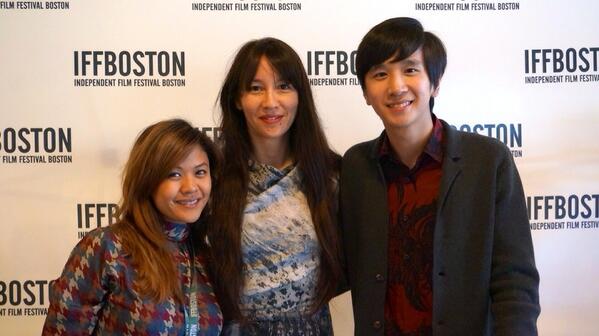

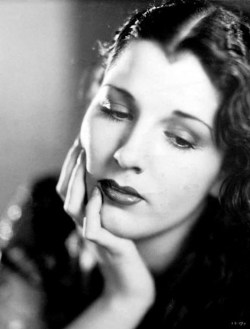


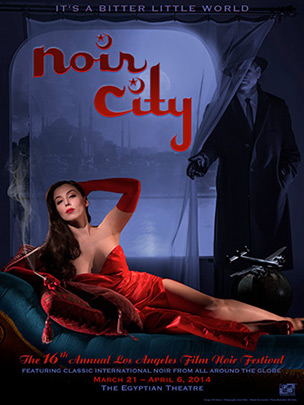
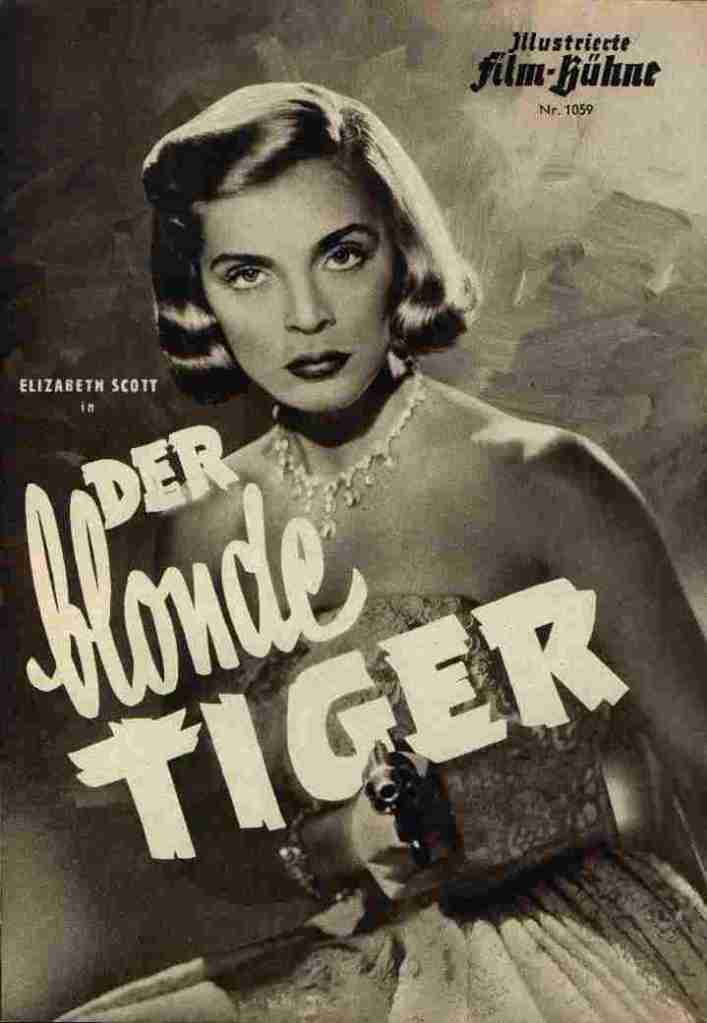
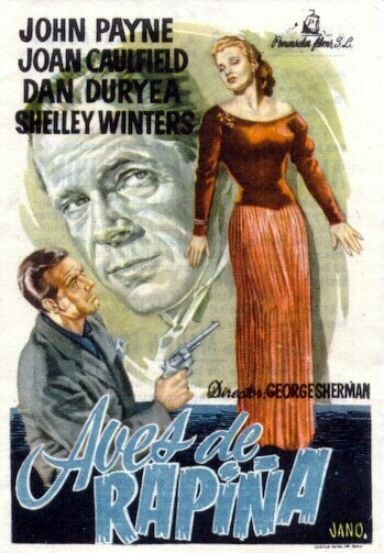

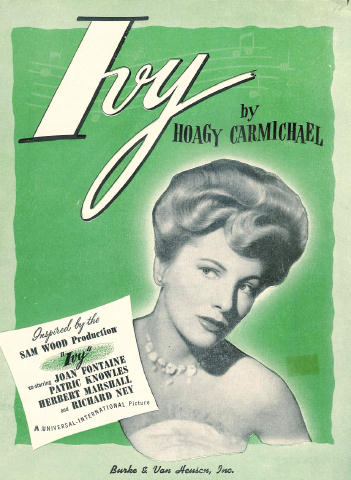
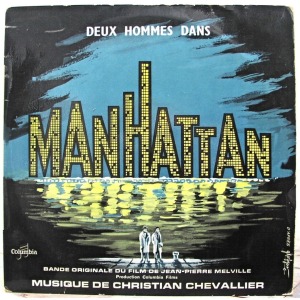
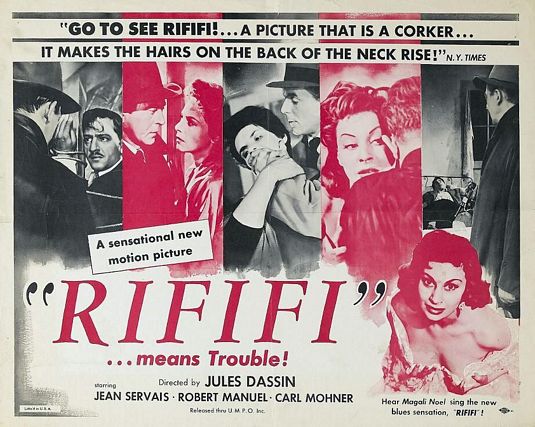

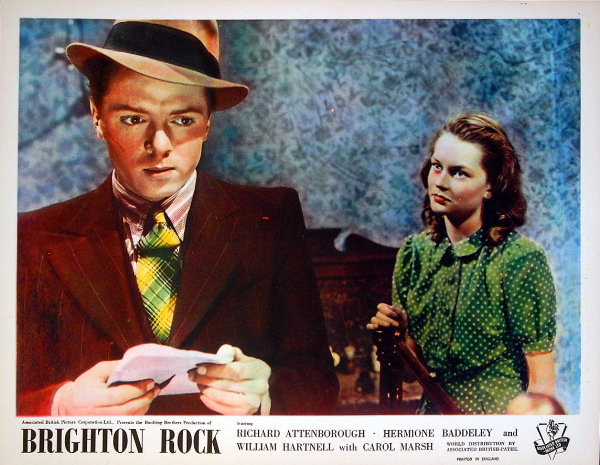
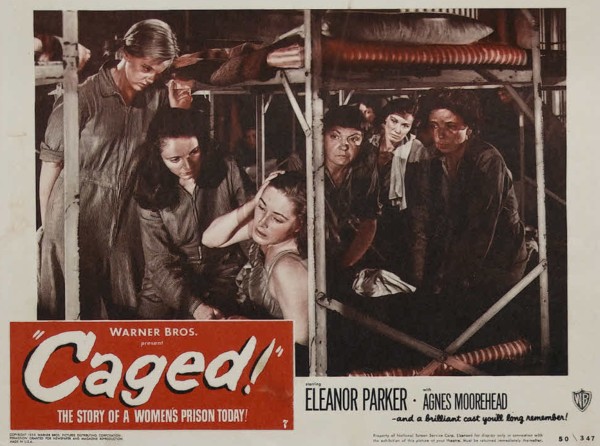
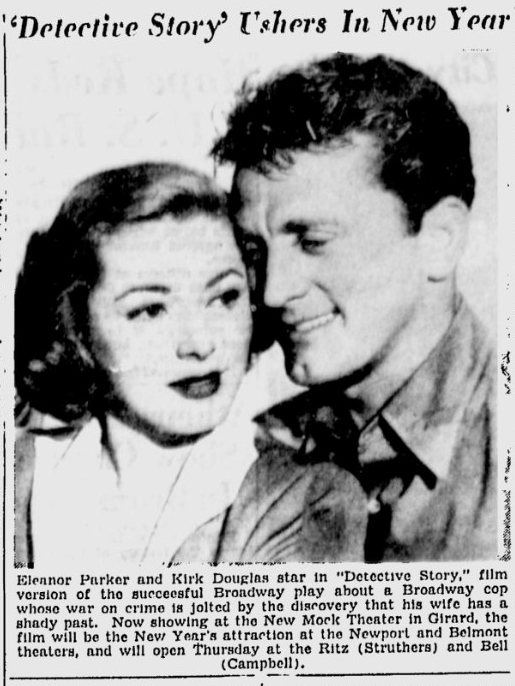


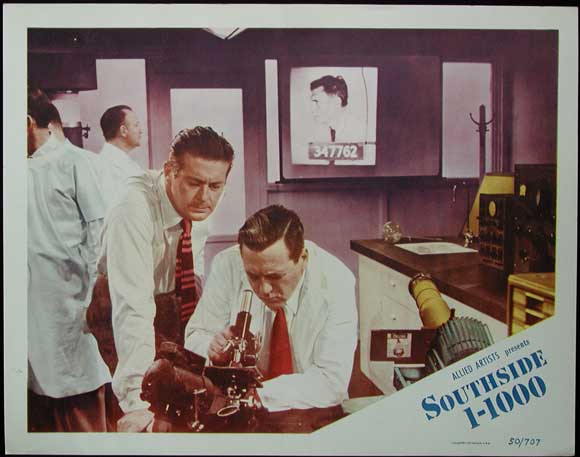
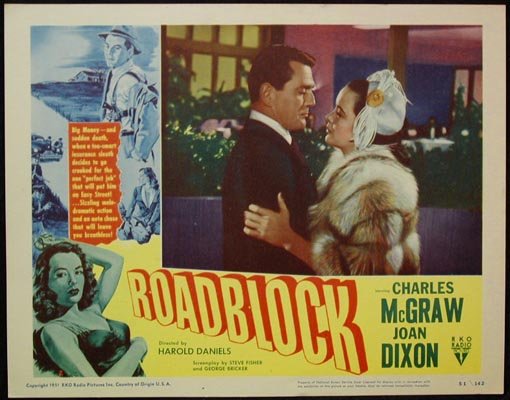

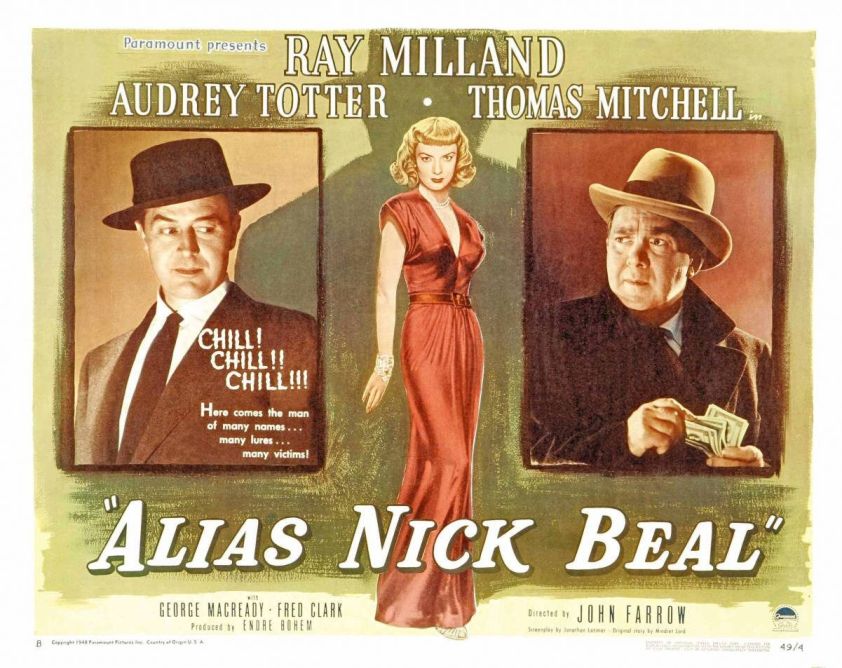

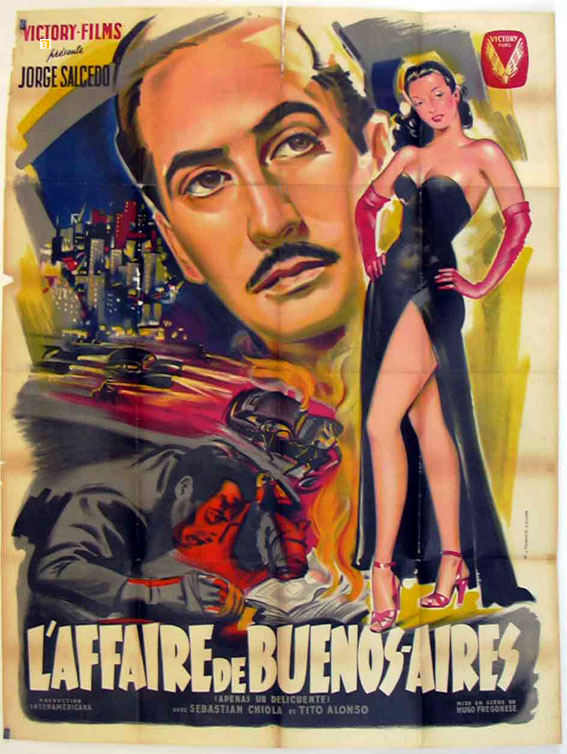

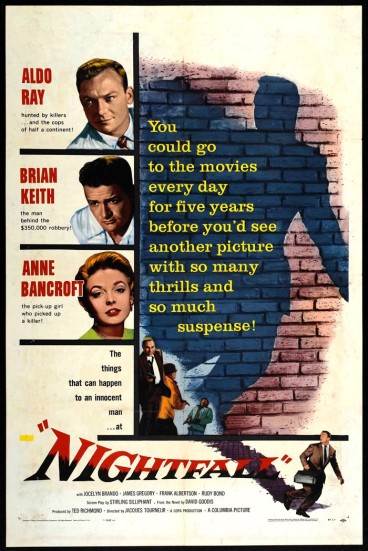

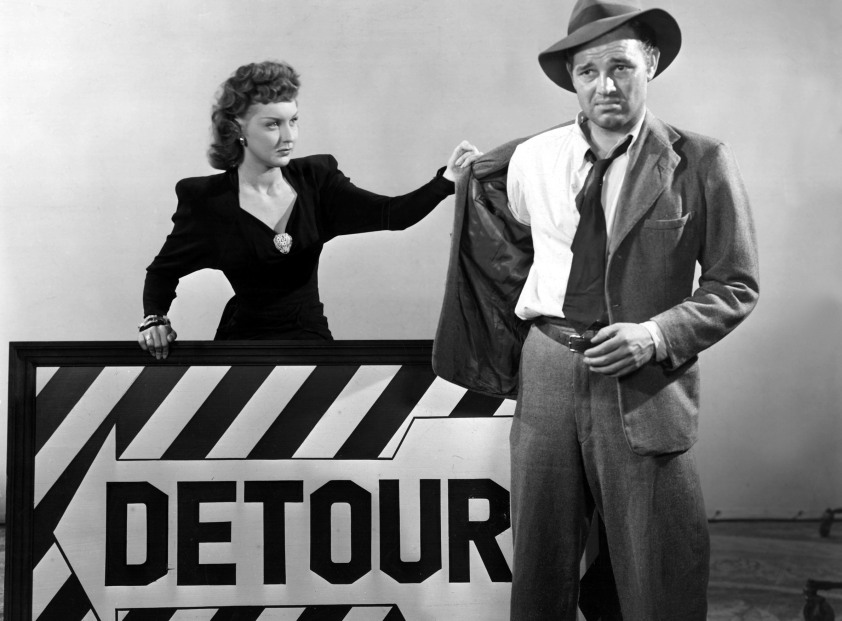
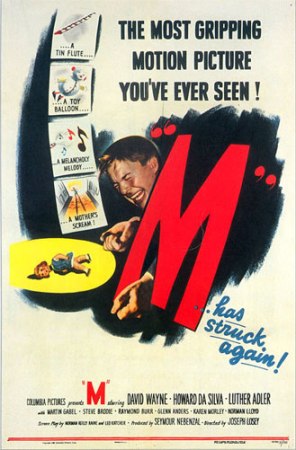

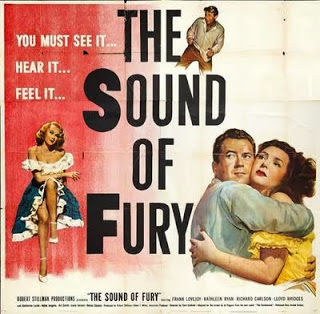
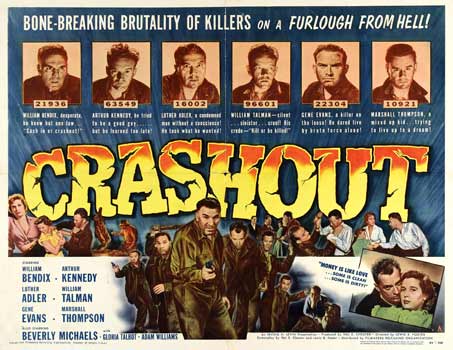
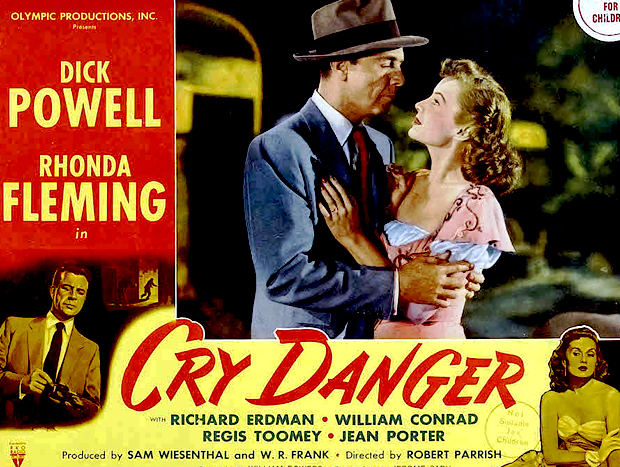
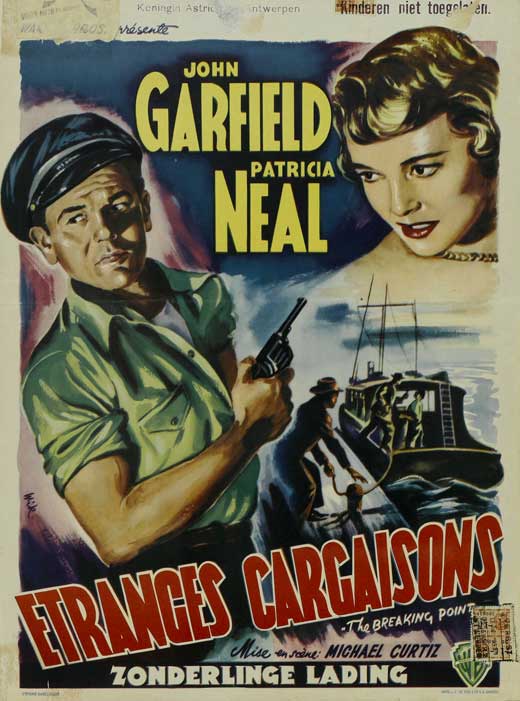
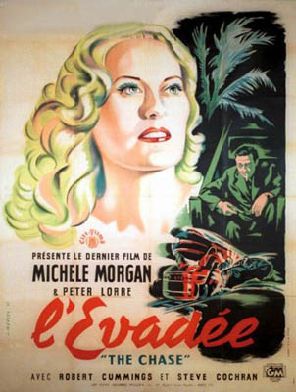
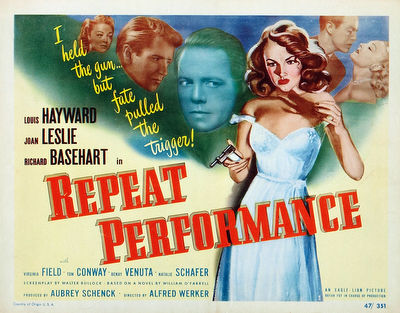
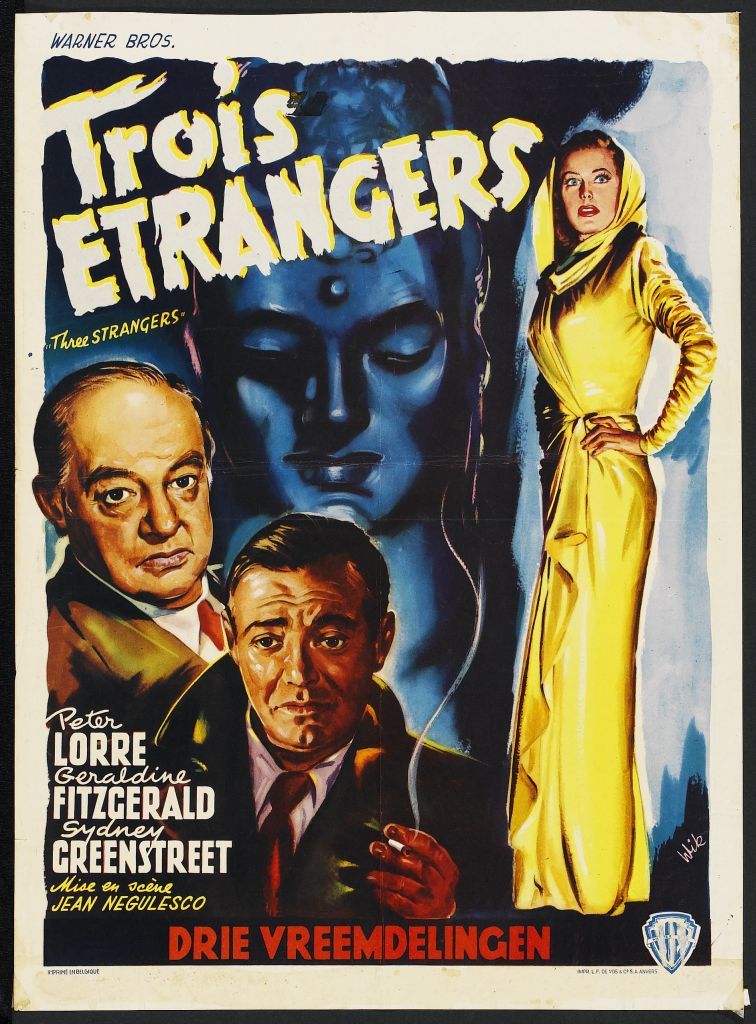
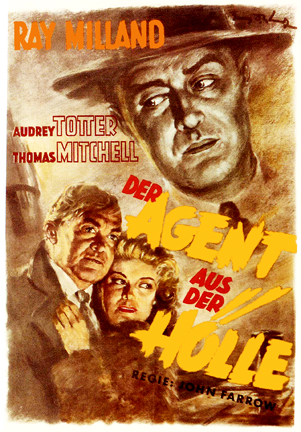


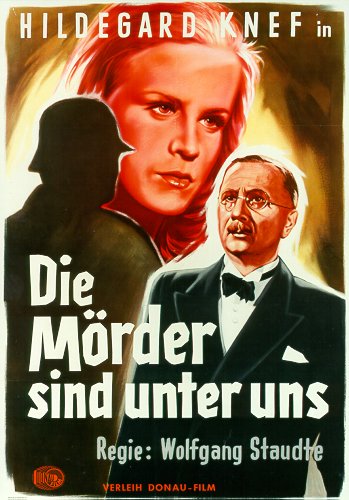
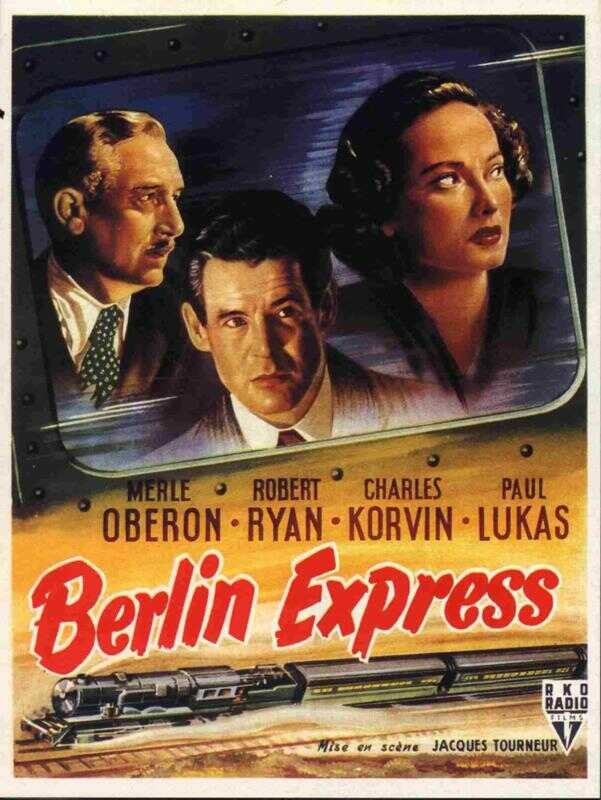
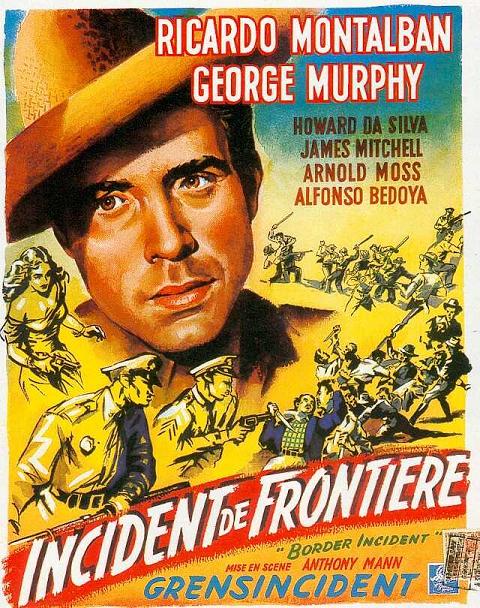
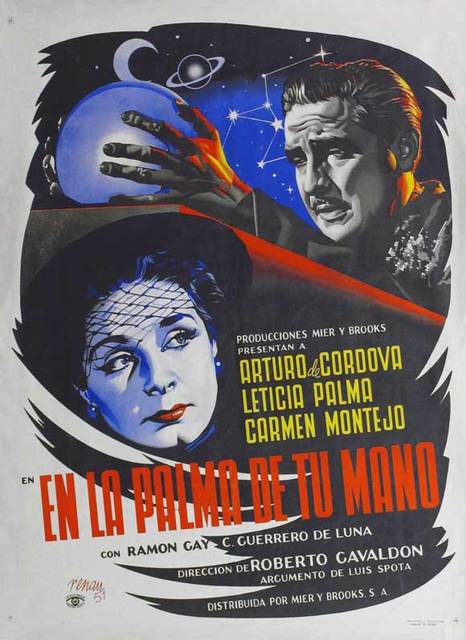
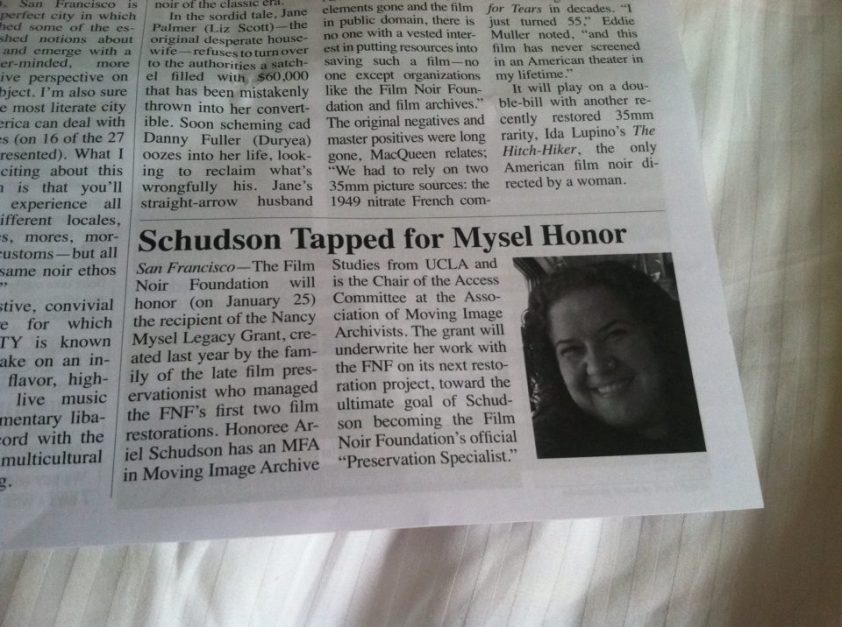
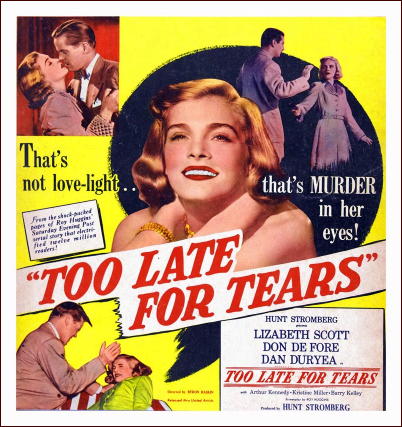
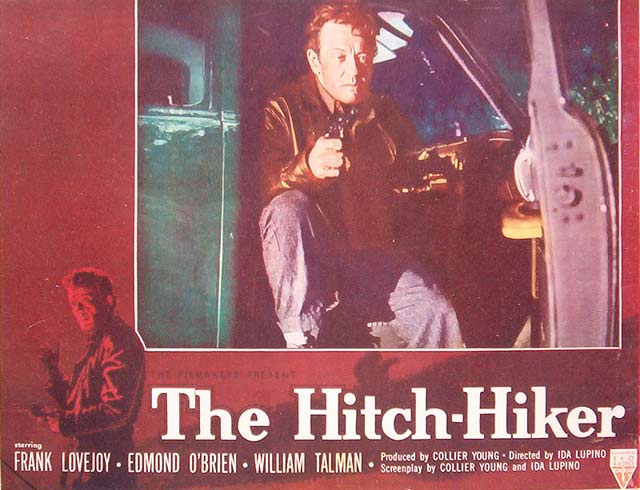

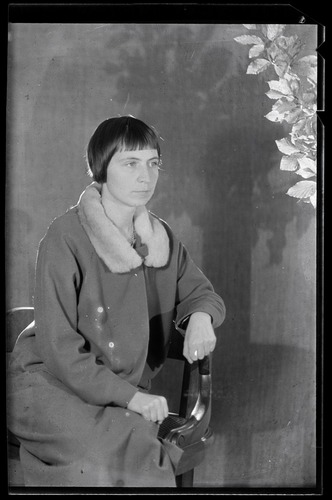

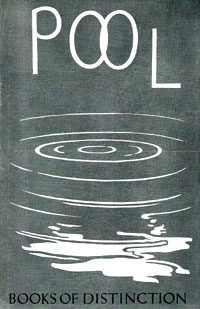

 Macpherson served as editor-in-chief, while Bryher was assistant editor. H.D. was a regular journalist/contributor, but all members of the POOL Group wrote for the magazine. Close-Up advertised itself as being the “official guide to better movies” and made demands on the cover, stating “WE WANT BETTER FILMS!!”
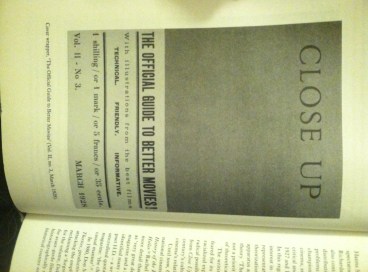


 Movies Are My Boyfriend