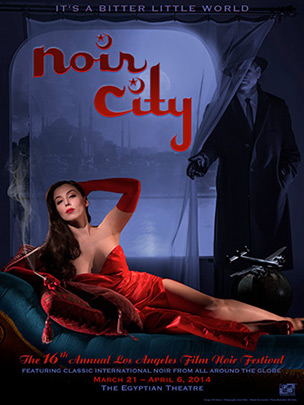
The City of Dreadful Joy: NOIR CITY 16, Los Angeles – March 21st to April 6th, 2014

NCLA16_x304

Los Angeles, California: the landscape for a criminally high number of films noir and the premiere setting for an unwieldy number of hardboiled novels and crime fiction. Of this urban environment, Aldous Huxley once remarked, “Thought is barred in this City of Dreadful Joy, and conversation is unknown.”

As a native Angelena, I quite like that my home has been labeled a “City of Dreadful Joy” and that any kind of exchange of words is somewhat mysterious. These elements (and other similarly toned descriptors) have always deeply connected me to crime fiction and its cinematic equivalent. Los Angeles has a long history with noir cinema. This film-based city and its highly urban-centered film genre/film cycle practically share genetic material. In other words, one thing would not be the same without the other.

Thusly, for a local such as me, it makes it even more exciting and appropriate when, once a year, Eddie Muller and the Film Noir Foundation bring NOIR CITY to the City of the Angels and spend some time with us at the American Cinémathèque!

I’ve been going to this festival for YEARS. Some of my dearest and greatest film memories were created here. It was here where I decided that I wanted to be a film archivist. NOIR CITY Los Angeles is the location where I have seen the vast majority of the films that knocked me out to the point of me chatting about them for the remainder of the year, until the next fest came along! My genuine joy with the quality of the prints, the acting and the stories just overflows every year. And it has been a social/film community thing, too- NOIR CITY allows me to spend a healthy amount of time in one of my favorite LA theaters, getting to see people that only come out for this festival. The Film Noir Foundation has provided quite a bit up until this point in this manner- for me and all my friends and colleagues.

I’m also in a unique position this year. As many of you may be aware, I was honored by the Film Noir Foundation in January with an award that really only happens in a noir fan’s (and recently graduated archivist’s), greatest dreams: I became the first participant in the Nancy Mysel Legacy Project, meaning that I will be working with the FNF on their next restoration project. I don’t think I have to tell you how thrilled I am. It’s all I’ve ever wanted and more.

This brings a new layer to attending this year’s NOIR CITY Los Angeles for me. It’s my home festival! For those of you in Los Angeles who may have not had the chance to go to NOIR CITY before, or may not have considered it, I would ask you to join me. Not just because it truly is one of the best film festivals, but also so that you may see what it is that I am completely and totally head-over-heels in love with, and have dedicated my life to preserving. These are incredibly special and wonderful pieces of cinema. I would love to spend some time with you experiencing these films and reveling in the dark. Shall we do so?

Last thing I will say before I go into the films themselves: since I have been to the festival quite a bit before- I have to say that this year in particular is pretty spectacular. GREAT 35mm prints, wonderful international work, exquisite restorations. And these are all things that I would say even if I were not involved somehow with the FNF.  Seriously, the line-up is truly mind-blowing, and I am so excited! Hope to see you there! Oh and one last thing- I would highly suggest buying tickets for the shows ahead of time. They have been known to sell out. Your link to buy said tickets to get you into the marvelous dark mayhem of NOIR CITY can be found right here and if you want other info about the Egyptian theater itself (parking, etc), that may be found here.

NOW, AS THEY SAY, ON WITH THE SHOW!!!!


Friday – March 21, 7:30 pm

Introductions by Eddie Muller and Alan K. Rode of the Film Noir Foundation!
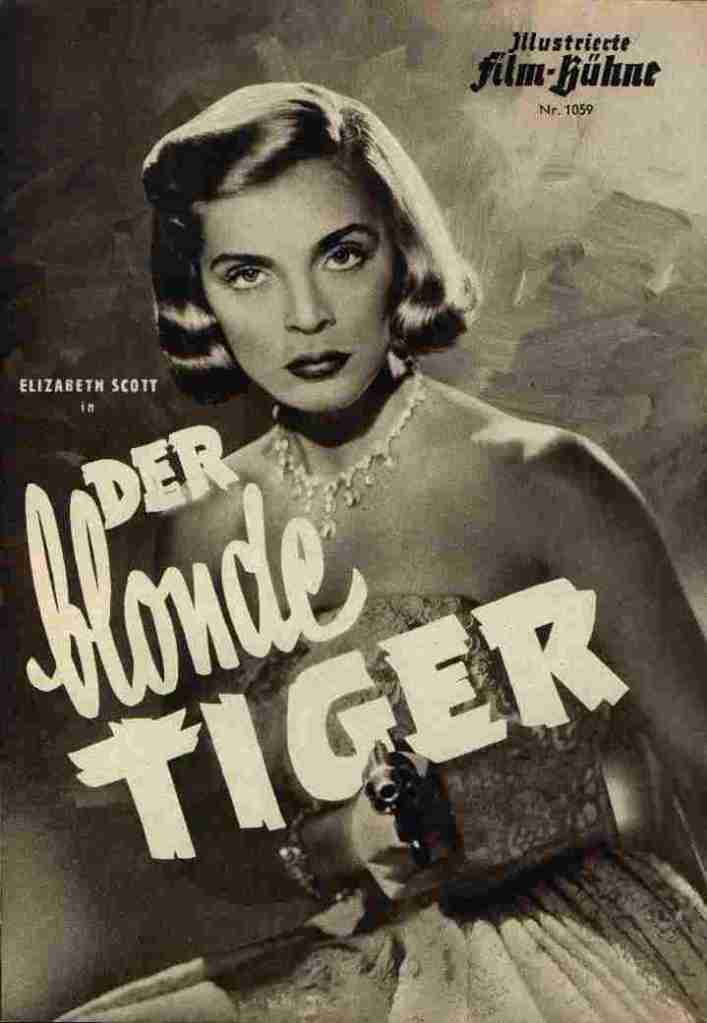
Too Late For Tears

Too Late For Tears


TOO LATE FOR TEARS – 1949, 99 min, USA, Dir: Byron Haskin – 35mm

Restored by the Film Noir Foundation and UCLA Film & Television Archive, featuring Lizabeth Scott and Dan Duryea, this film is the film noir you didn’t know you were missing and the restoration you didn’t know could look this great! Unbelievably thrilling LA-footage and unforgettable characters!

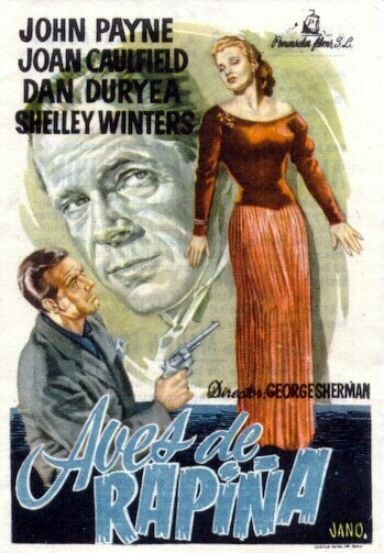
LARCENY – 1948, Universal, 89 min, USA, Dir: George Sherman – 35mm

More Dan Duryea, and there’s nothing wrong with that! A rare one with Shelley Winters and the first film work of John Payne, the title may seem dishonest but the quality is straightforward good stuff!
Larceny

Larceny

Saturday – March 22, 7:30pm

Introduction by Eddie Muller of the Film Noir Foundation

Born to Be Bad

Born to Be Bad

BORN TO BE BAD – 1950, Warner Bros., 94 min, USA, Dir: Nicholas Ray – 35mm (print from the George Eastman House collection)

Two words: Nicholas Ray. Two more words: Joan Fontaine.  If those things mixed with a healthy slap of Robert Ryan doesn’t throw ya, I couldn’t imagine what would. This one’s going to be a doozie!

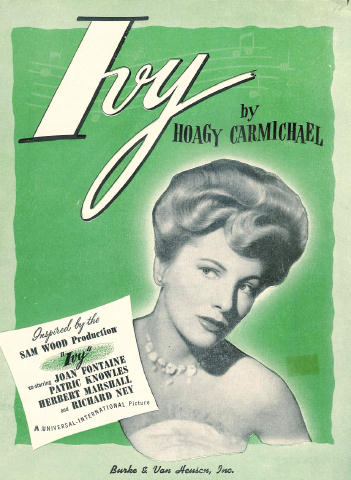
IVY– 1947, Universal, 99 min, USA, Dir: Sam Wood- 35mm

The second in this “Joan Fontaine double feature,” this film is not available on DVD so this is definitely not to be missed. Additional factoid: the role that Fontaine plays in this was originally supposed to go to her sister Olivia de Havilland! Oops!
Ivy

Ivy

Sunday – March 23, 7:30pm

Introduction by Eddie Muller of the Film Noir Foundation
Two Men In Manhattan

Two Men In Manhattan

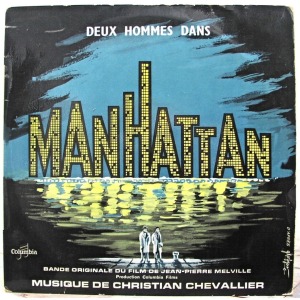
TWO MEN IN MANHATTAN (DEUX HOMMES DANS MANHATTAN) – 1959, Cohen Film, 84 min, France, Dir: Jean-Pierre Melville – DCP

Part of the monthly Cohen Film collection series, this Melville film is also part of NOIR CITY’s new focus this year on international noir works. This film is in French and English with English subtitles, and promises to be a real treasure!

RIFIFI – 1955, Rialto Pictures, 122 min, France, Dir: Jules Dassin – 35mm

A French heist picture directed by an American noir professional, this is globally considered to be one of the classics in crime cinema. French with English subtitles.
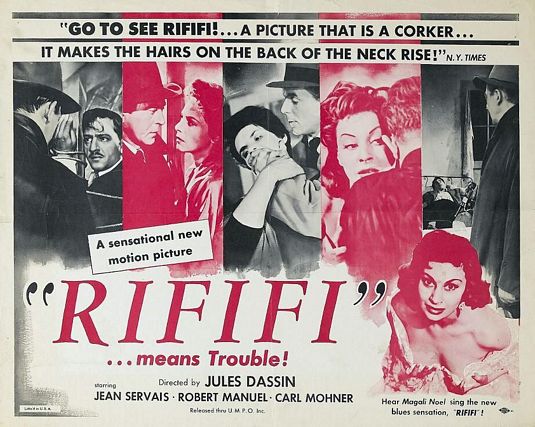
rififi

Rififi

Wednesday – March 26, 7:30pm

It Always Rains on Sunday

It Always Rains on Sunday

IT ALWAYS RAINS ON SUNDAY – 1947, Rialto, 92 min, UK, Dir: Robert Hamer – 35mm

Somewhere between kitchen sink drama and noir is this film. Googie Withers really brings it in this exciting British entry to NOIR CITY!

BRIGHTON ROCK – 1947, Rialto, 92 min, UK, Dir: John Boulting – 35mm

The baby-faced and ultra-young Richard Attenborough plays one of the most sinister and blood-curdling characters in all of film noir in this film: Pinkie. Every bit of this film is fulfilling in a way that is, once again, wholly British, reminding us of this year’s international theme.
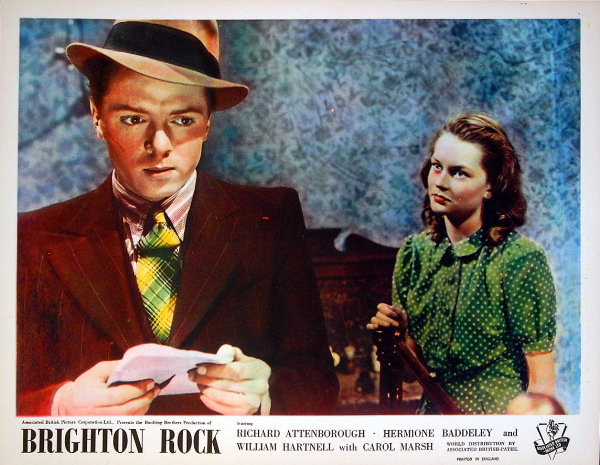
Brighton Rock

Brighton Rock

Thursday – March 27, 7:30pm
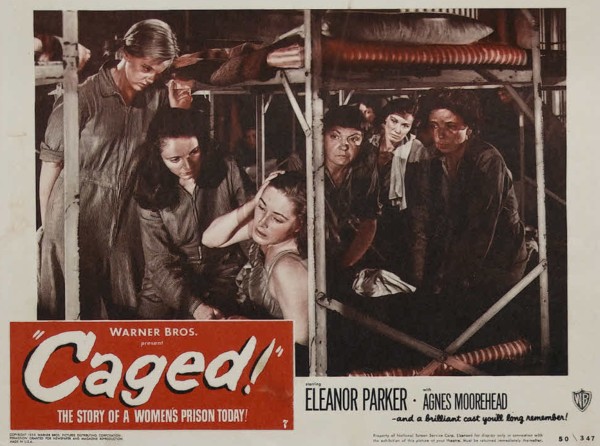
Caged

Caged

 CAGED – 1950, Warner Bros., 96 min, USA, Dir: John Cromwell – 35mm

If ever there was a film that depicted women in prison, CAGED is one of the most star-studded and powerful. The first entry in the Eleanor Parker double feature, this film also showcases Agnes Moorehead, Jan Sterling and many others. Will not disappoint!

DETECTIVE STORY – 1951, Paramount, 103 min, USA, Dir: William Wyler- DCP

Another great performance from Eleanor Parker, matched only by the presence of one, Kirk Douglas, and directed by William Wyler. This film was nominated for several awards. Come and see why!
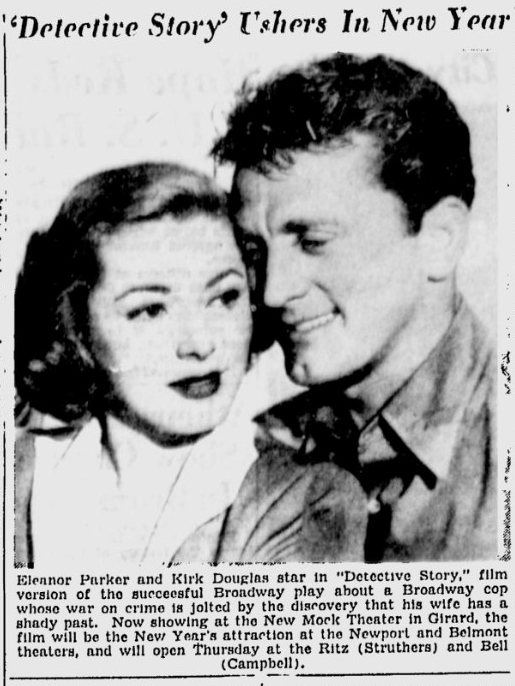
Detective Story

Detective Story

Friday – March 28, 7:30pm

Introduced by Alan K. Rode of the Film Noir Foundation

Jenny LaMour

Jenny LaMour

JENNY LAMOUR (QUAI DES ORFÈVRES) – 1947, Rialto Pictures, 102 min, France, Dir: Henri-Georges Clouzot- 35mm

A fantastic police procedural by the director of such gems as Diabolique and The Wages of Fear, this film is another look into how film noir was explored in the country of the term’s birth. In French with English subtitles.

ANGELS OVER BROADWAY – 1940, Sony Repertory, 79 min, USA, Dir: Ben Hecht, Lee Garmes- 35mm

This incomparable Ben Hecht-penned & directed film features Rita Hayworth & Douglas Fairbanks, Jr in a film about cons, gambling and moral devastation. You know- noir standards! Hecht was nominated for this screenplay- come and see why!

Angels Over Broadway

Angels Over Broadway

Saturday- March 29, panel at 6:30pm, film at 7:30pm

6:30pm – Southern CA Chapter of the Mystery Writers of America meet for a discussion on Los Angeles in noir and literature. Featured panelists: novelists Eric Beetner (Dig Two Graves), P.G. Sturges (the Shortcut Man series), and Steph Cha (Follow Her Home). Book signing will occur in lobby, shortly after the panel.

Introduced by Alan K. Rode of the Film Noir Foundation
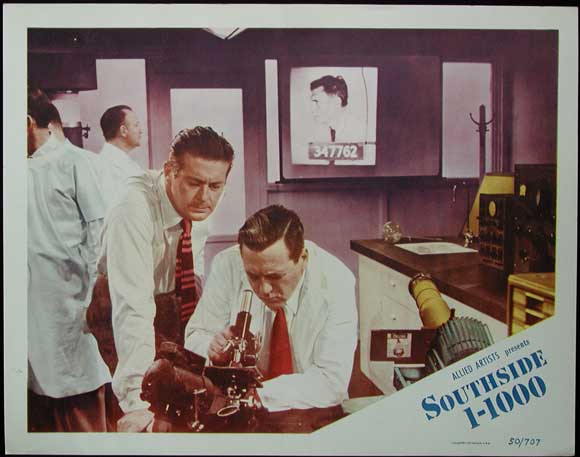
Southside 1-1000

Southside 1-1000

 SOUTHSIDE 1-1000 – 1950, Warner Bros., 73 min, USA, Dir: Boris Ingster- 35mm

Watch a brand-new 35mm print that highlights the dangers of counterfeiting and criminality within many fantastic Los Angeles locations, from downtown to Hollywood itself! Exciting!

ROADBLOCK – 1951, Warner Bros., 73 min, USA, Dir: Harold Daniels- 35mm

In the world of noir tough guys, there is only one Charles McGraw and this film says that with a vengeance. Come see McGraw in a rare leading role, playing an insurance investigator, doing what he does best- steal that screen!
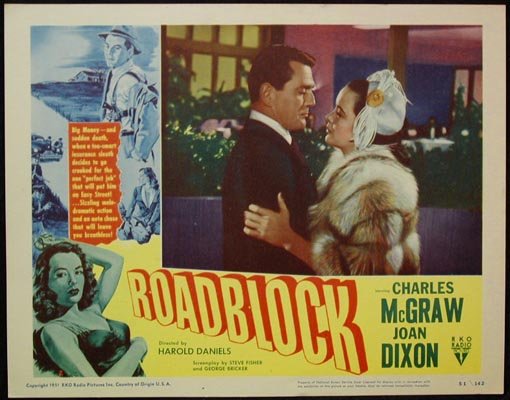
Roadblock

Roadblock

Sunday – March 30, 7:30pm

Introduced by Alan K. Rode of the Film Noir Foundation


Tension

Tension

TENSION – 1949, Warner Bros., 95 min, USA, Dir: John Berry- 35mm

We lost a real gem when we lost Audrey Totter last year. This first film in the Audrey Totter double feature shows how smoldering hot and delicious this woman could be and just what an incredible medium noir could be for women and the expression of female sexuality at the time, regardless of the…outcome.

ALIAS NICK BEAL – 1949, Universal, 93 min, USA, Dir: John Farrow- 35mm

More Audrey Totter. That should just be a slogan in life. And in a Faustian work with Ray Milland in tow? HOW can you go wrong?? You just can’t. DO NOT miss this on the big screen. You will truly regret it. This is a great film with everything in its right place and everyONE in their right role.
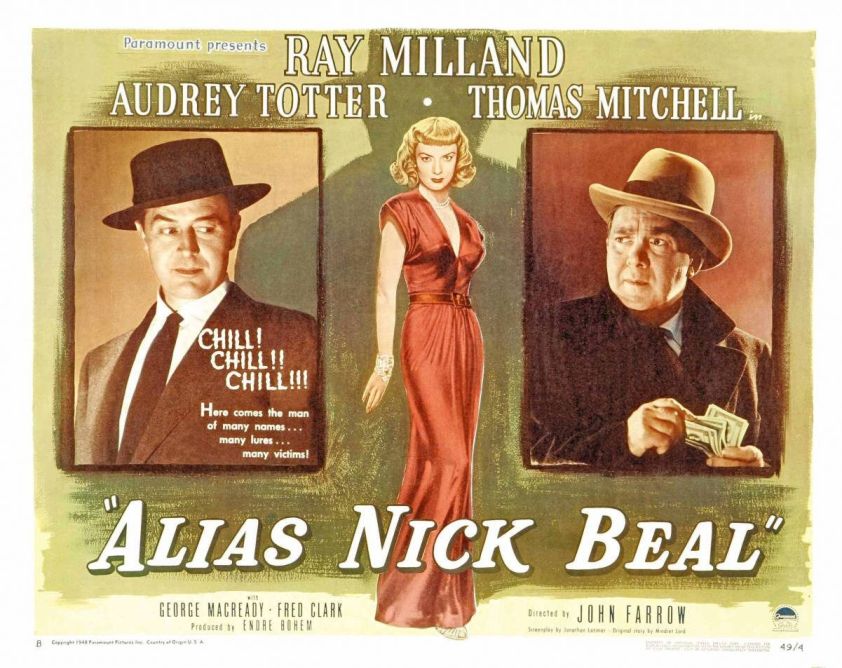
Alias Nick Beal

Alias Nick Beal

Wednesday- April 2, 7:30pm

Ossessione

Ossessione

OSSESSIONE – 1943, 131 min, Italy, Dir: Luchino Visconti

The Italian version of James M. Cain’s The Postman Always Rings Twice. Need any further coaxing? If so, let’s put it this way- this is a VERY hot film. So hot that it was banned by Italy’s fascist government and MGM confiscated and destroyed all the prints it could possibly find. This is a must-see. Italian with English subtitles.

Thursday- April 3, 7:30pm
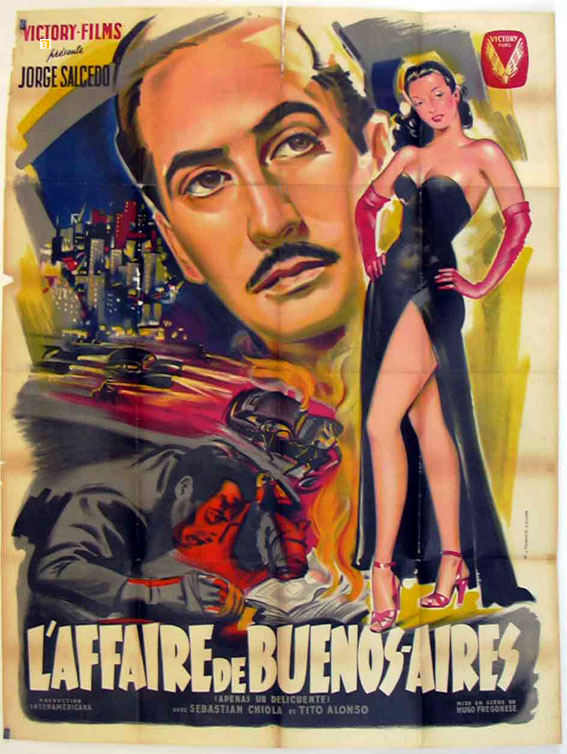
Hardly A Criminal

Hardly A Criminal

HARDLY A CRIMINAL (APENAS UN DELINCUENTE) – 1949, Film Noir Foundation, 88 min, Argentina, Dir: Hugo Fregonese

Returning to our international theme, this is the first in our Hugo Fregonese double feature. A film that investigates Buenos Aires criminality, this Argentinian noir looks at prisons and “perfect crimes” in a very familiar manner, illustrating how film language may not change when it comes to noir- the darkness is universal.

ONE WAY STREET – 1950, Universal, 79 min, USA, Dir: Hugo Fregonese

More Fregonese. This time featuring the likes of James Mason and the illustrious Dan Duryea! See what these American noir figures are like in the hands of Argentinian direction.

One Way Street

One Way Street

Friday-April 4, 6:30pm for book signing, 7:30 for film

Philippe Garnier will sign copies of his NEWEST RELEASE, Goodis: A Life in Black and White*, at 6:30PM in the lobby.

* First American publication by Eddie Muller’s Black Pool Productions

Introduction by Eddie Muller of the Film Noir Foundation
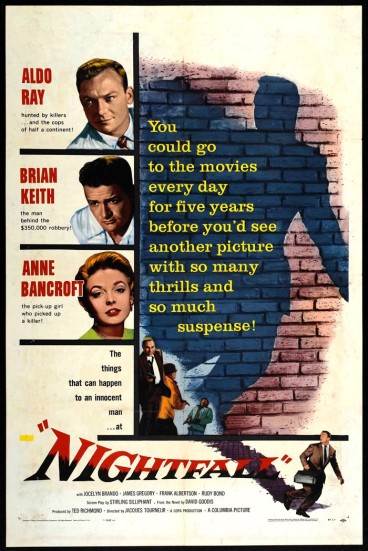
Nightfall

Nightfall

NIGHTFALL – 1957, Sony Repertory, 79 min, USA, Dir: Jacques Tourneur

Rarely played and underappreciated, this Tourneur gem features the lovely Anne Bancroft and Aldo Ray gritting out every bit of the darkness of this Goodis-penned work. Considering the cinematography on this, you will definitely want to see this on a big screen!

AND HOPE TO DIE (LA COURSE DU LIÈVRE À TRAVERS LES CHAMPS) – 1972, CCFC, 99 min, France, Dir: René Clement

1970s France, direction by Rene Clement, Robert Ryan and a French-speaking Aldo Ray and a David Goodis story to boot? Just say YES. Master heists and criminal undercurrents at every turn, this film promises nothing but satisfaction. It is a NOIR CITY essential. In French with English subtitles.

And Hope to Die

And Hope to Die

Saturday – April 5, 7:00 intro and screening, 9:00 dinner and party!

This is the BIG NIGHT!!!! There is dinner (provided by The Kitchen for Exploring Foods) and dancing and a bar and all sorts of exciting entertainment after the show! So get those tickets now and get those fancy outfits together! It’s going to be a BLAST!  Advance tix are highly recommended. This is going to be so much fun!
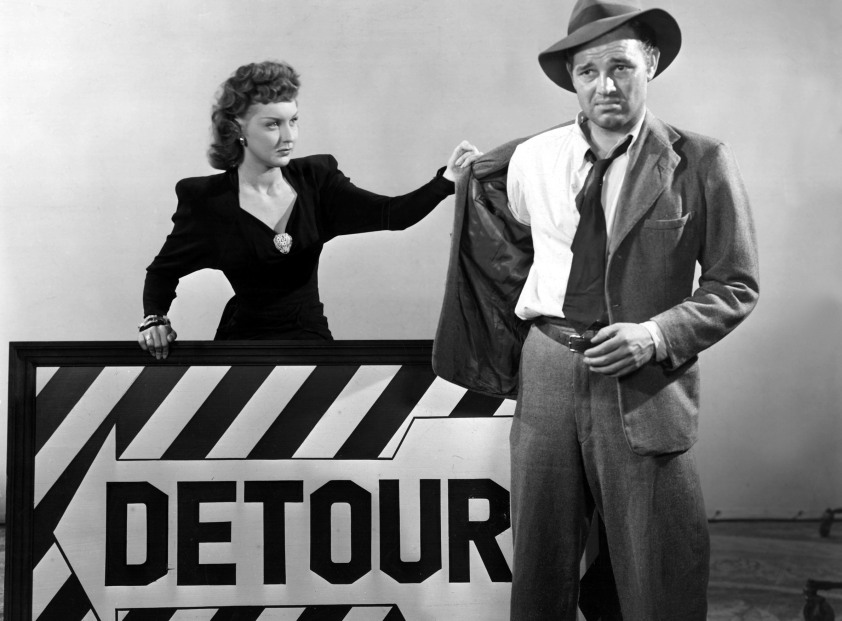
 

Detour

Detour

DETOUR – 1946, Wade Williams, 70 min, USA, Dir: Edgar G. Ulmer

If you are unfamiliar with this film, it is a MUST SEE, even more so in a theater and with an audience. It is the classic B-noir and illustrates the brilliance of cinematic economy and perfect storytelling, visually and otherwise. This is a tight picture on a tight budget and one that Hollywood could still learn a great deal from!

For complete details about the party and the ticket arrangements, please go here. It’s an event that, much like DETOUR, you will not want to miss!

Sunday – April 6, 7:30

Introduction by Eddie Muller of the Film Noir Foundation. Discussion between films with author Mary Ann Anderson (‘Ida Lupino: Beyond the Camera‘ and ‘The Making of The Hitch-Hiker‘) and Alan K. Rode.
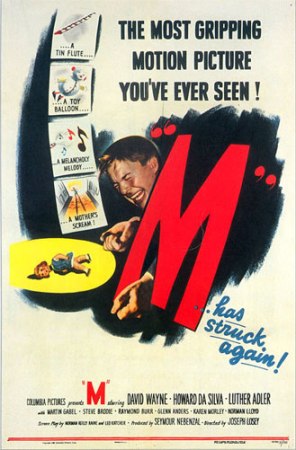
M

M

M – 1951, Superior Pictures, 91 min, USA, Dir: Joseph Losey – 35mm

If the excitement of viewing a restored 35mm print wasn’t enough, the cast for this American version of Fritz Lang’s classic should make your hair stand on end. Norman Lloyd, Raymond Burr, Jim Backus, Howard DaSilva and more keep this piece loaded with brilliance, not to mention it’s done by one, Joseph Losey. Support restoration and great works! Check this piece out! Not on DVD!

THE HITCH-HIKER – 1953, RKO, 71 min, USA, Dir: Ida Lupino – 35mm

This breathtaking restoration by the Library of Congress will have you thinking that the film was printed yesterday. But that also could be due to the content, as well. Actress and filmmaker Ida Lupino was a stellar woman in filmmaking history and this is one of the most striking pieces in her oeuvre. Come see Mary Ann Anderson discuss her work and then see it large and in charge…and restored, care of NOIR CITY, and for the final film of NOIR CITY Los Angeles 2014!hitchhiker
Still Here – World AIDS Day, 2013

WADbanner

I’m 35 years old and I’ve been a HIV/AIDS activist since I was old enough to walk the AIDS walk in Los Angeles in the late 1980s. I think my first AIDS walk was around 1986-1987.

We met at Paramount Studios, up the street from my house, and I walked a 10K with my godfather, his friends, my family and thousands of others. I did this every single year. Including the year where I made absolutely sure that I made enough money that I could go to Disneyland with the rest of the people who raised enough money to go to Disneyland. My friend Elana and I, both 9 or 10 years old at the time (if you think that I try to enlist people into my work NOW, you shoulda seen me as a chunky little kid!!) each raised at least $1000 dollars so that we could go to Disneyland. At night. By ourselves. With hundreds of awesome gay men. Buying up all of the princess costumes and fairy wands. And yes, that was REALLY what they were doing. Also? They were the most excellent babysitters you could ever ask for, by the way. We had more fun that night than…who knows. I remember that night so well. It was 25 years ago.

The adult me remembers the laughter. The adult me also wonders how many of those amazing men and women who asked us, “Who are you here with? NO ONE? By yourselves? Wow!” are still alive. HIV/AIDS became a much more serious thing in my life than something you walk for as I got older.

A few years after that fabulous (in every sense of the word) Disneyland night, I became a HIV/AIDS peer educator for Peer Education Program Los Angeles (P.E.P.L.A) and beganpepla spending time speaking at a variety of youth institutions, educating kids my own age about HIV/AIDS. I was about 13 years old. I went to all-girls-private schools where girls were given SUVs for their 16th birthdays. I went to places like Children of the Night where kids were pimped out by their parents from the age of 9. I went to homes for pregnant teens, drug rehab centers in east L.A., elementary schools (yes, we had to completely restructure our discussion for the under-10-years-old-set), and a school where they knew that we were bringing a HIV+ speaker with us, so parents came and sat in a special section, wearing latex gloves and medical masks. Because the disease is AIRBORNE.



My mother let me skip Real School sometimes to go to do P.E.P.L.A events. It was pretty amazing. I met some of the most amazing people there. Some friends that I still maintain today. The structure was an amazing one: a few teens to talk to other teens about how they specifically are at risk. Because, well, teenagers are well-known for that whole “we’re gonna live forever” thing. So condoms, protection, diseases? Yeah, none of that really comes in. And in the 1990s? Fuggetaboutit.

PEP/LA changed my life. Before that, I had one experience with AIDS. I grew up in a highly gay/queer family landscape. My godfather is gay, a HIGH population of our family friends are gay, so on and so forth. I think I had more queer people around me when I was little than straight people, come to think about it.

So while my father died in the early 80s from a car accident, we were still very close with his musical writing parter named Marc Trujillo, and his “friend” named Frank (this was my interpretation. I was so very young). I have two very specific memories of these important men in my life: Marc and Frank passed away, and they were the first men I knew who were taken due to HIV/AIDS. And my mom told me this. My mother never lied to me and she was always very honest with me. I don’t remember who passed first, how it went, it’s fuzzy. But I do remember having this knowledge. And I recall going to the memorial with my mom. Marc’s family owned a flower store on the corner of La Brea and Fountain. And I think that’s where it was. I have no idea how old I was. But I could also  be mixing memories. What I am not mixing up is the fact that they were the first people I remember being close to me and being part of MY HIV/AIDS world.

Years later, I became such a heavy-duty advocate for HIV/AIDS education that I would start arguments with people (me? no, never!) in my all-girls-Catholic school after ACT-UP was handing out condoms outside one day about how great they were and so forth. I made sure that I always attended the PEP/LA events at Children of The Nightchildren_of_the_night_logo

This was always one of our most difficult events. Many of these kids didn’t stay there and protection on the streets isn’t always an option. Sometimes we would have to talk about how to “fool a trick” into using protection or things like that. WITH YOUNG KIDS. I was 13 and they were my age. And white. And privileged. With a supportive loving family. What right did I have? Except that I cared. Also, some of the kids were already positive. So did it matter at that point? YEAH, it did. We had the information to talk about how the hell to take care of yourself and that there is HOPE. The idea that AIDS is not a death sentence was pretty damn revolutionary in 1994.

I remember the weddings and the funerals. The weddings were amazing. The funerals were fucking crushing. I had more dead friends before I was 16 than any of my other friends in school. But why count? It’s not a competition. I’m just SO MASSIVELY lucky that I got to know them before they left. And for the record, they were not all gay. My first friend who died when I got to PEP/LA was Gary- a gorgeous guy that I had a huge crush on. He had a model-type girlfriend. I used to carry the picture of him & his girlfriend around for a long time. I think that in all my moves it may have gotten lost. But I think I still have the invite to the memorial. The church is in West L.A. He was great.

However, I am deeply grateful to have been a part of my friend John Scott’s life. I was there when he married his beautiful partner, way before legal gay marriage seemed a possibility in anyone’s mind. When he did so, I was a freshman in high school, and all I remember thinking was, “I’m going to an awesome wedding,” and….not even knowing that there were things about getting married THAT WERE ILLEGAL.  My mom drove me all over town when he got sick. I visited him in the towers in Century City, at a few different other places, and at a hospice somewhere too.

But he kept coming out and speaking with us. And he was the “no-bullshit” artist. He would talk about what it was like to end up at the corner near a stoplight and not remember where you needed to go. He would talk about what it was like to always carry an extra pair of underwear with you in case you shit your pants without any warning. He would do this to little spoiled girls at Marlborough school or gangbangers in East L.A. With a smile on his face. Because he would also talk about the fact that these kids had the power not to be in his shoes. tcell1

He spoke with us on a regular basis. I spent so much time with him. I remember his laugh. His smile. These things ring on my ears, my eyes. My John Scott. He was devoted. Until he got really sick. To give you an idea of who my beloved friend was, I need to tell you one more thing. One of the things that I loved the most about John Scott is the fact that he named his T-Cells.  tcell count By the very end, he was going down from 7 to 5 to 4. He would say, “Oh, well!  We’re down to Marlena, Joan, Bette and Judy, now! But they’re tough gals! They can handle it!” I may be a little off on the names, but I am 100% certain on Marlena and the idea that he chose tough film stars to name his T-cells after so they could fight for him. John Scott. I have yet to meet his equal in my lifetime. That was 20 years ago.
I left to go to Israel for high school in the spring of 1994, and that April I got a phone call from the head of my program, Wendy.

“John Scott died this morning, Ariel,” my body went cold. He was supposed to wait until I got back so we could talk about cute Israeli boys. I didn’t know what to do with this. I was a world away with people who I didn’t know and who didn’t know me, even if we had been climbing mountains together and traveling through deserts for months. “Hey Ariel, did you hear me?”

“Yeah, Wendy, I heard you.”

“I was there with him at the end and he wanted me to tell you goodbye. Specifically.”

“?”

“John wanted me to say goodbye to a few people. He said to say goodbye to Erin and to you. So I want you to know that. You were important to him.”

My 15-year-old-self was numb. My now-35-self still doesn’t know how to process that kind of statement. I mumbled thank you, that I would write (there was no email or cell phones…Imagine THAT, y’all!) we both knew how expensive the phone call was, and hung up.

So here we are, and I still feel a responsibility to my dear friend to remind the rest of the world that AIDS still exists. It may be a more manageable condition here in the US and North America, but it isn’t in many places in the world; places where sex education is a privilege not a right; places where protection isn’t even an option. There are many places in the world where masculinity, war landscapes and other ugliness takes precedence over health concerns. In addition, in any country (our own included), anal sex still leaves women “virgins” in many cultures and anal sex is the most at-risk sexual activity when conducted in an unprotected manner. Think on that. So this is most certainly not a gay disease. It is blind to color, race, sexuality and age.

It doesn’t care. But I still do.

AIDS hasn’t gone away. And it’s not like migraines or a bad knee, either. This is still here and it still needs to be attended to. Because I spent most of my young adult life watching my pals die and speaking to kids about it and hoping that someone listened. Because I have friends who still are HIV+ for 20 or 30+ years. Because we want to stay happy and healthy and we don’t want to be the last name on someone’s lips before they are really really really old. Because this is a subject that requires our continual attention- for our health and for the health of those we love. So that next year we will ALL be Still Here.


If You Don’t Cry, it Isn’t Love: Art & Peter Gabriel

If you don’t cry, it isn’t love. That’s a quote from a song by the Magnetic Fields and it’s how I feel about most art. Film, music, theater, experimental dance.


It’s gotta have you in its CRAW, not letting go. It could be so funny that you don’t know if you’ll ever breathe again, it could have visuals that are so striking that you simply don’t understand how science could connect eyes and emotion that fucking hard.
Any way you slice it, from eyeball to eardrum, if you don’t cry, it isn’t love.
I’m going to see Peter Gabriel tonight & I’m listening to Mercy Street which makes me cry every time.I cannot even imagine what it might sound like at the Hollywood Bowl, a location I have been visiting since I was a small child (if not since I was in utero!).  Just the thought fills me with awe.

Some artists command their work like a preacher commands a church. It’s a terrible analogy, but Gabriel’s grip on music is so far-reaching it seems spiritual to me. So perhaps he is more of an old style mystic reborn into soundtracks and rock bands? John Cusack lifting that boombox up in SAY ANYTHING is iconographic, to be sure, but it is not entirely for Cameron Crowe-reasons, or Cusack-reasons. It is the spirituality of Gabriel.
His last name, Gabriel, is the name of an angel.
This has not gone unnoticed by me.
So in late 1999 or early 2000, I was in these really shitty seats in London, seeing The Magnetic Fields do their opus album, 69 LOVE SONGS over 2 nights at the Hammersmith Odeon. I was beside myself. This was my favorite band, a favorite album, the whole thing. So I’m in the balcony, and they bring out some guy to sing with them, but, as it was so far below me, he was completely unrecognizable visually. I got disgruntled for a minute. “Who’s that old guy?” I thought, in my early 20’s idiocy.

Then he opened his mouth and began to sing “Book of Love.” I will, for the rest of my life, be apologetic for ever having been initially disgruntled at the man I didn’t recognize as Peter f-g Gabriel being on stage with my favorite band. I nearly fell over the balcony and died that night. No joke.

Tonight I will cry.
A great deal.
Unapologetically and without any kind of sadness. In fact, I will do so with great joy.
I will cry because I am in love with the fact that music makes me feel. I will cry because music reminds me that I have opposables and that I’m not always attached to a computer or a phone or technology. That humans can connect to each other through sound, touch, feel and sight. Because art is as real as any relationship you might have with a friend because it CAN effect you that deeply and you can get that much out of it.
If you don’t cry, it isn’t love, if you don’t cry you just don’t feel it deep enough and that means the universe to this L.A. girl.

It always will.

It’s Been 20 Years: The L.A. Riots…This Revolution WAS Televised.

Today is the 20th Anniversary of the L.A. Riots. 20 years ago I was sitting in a classroom, wearing a Catholic school uniform.

In my personal life, I was listening to Guns’n’Roses, Metallica, Queensryche and Nelson, about to be 14 years old (my birthday is in May), and things were…well, as good as they can be when you are an adolescent girl with a heavy metal-loving and high culture obsessed personality. That is to say, I was a normal kid with abnormal interests and thus…miserable.

But that day I was just like everyone else. I was an Angeleno, and I was terrified, angry, confused and hurting. At that age I had no ability to break apart the confusion of the news footage. And when I say “confusion” of the news footage, I mean CONFUSION. When the verdict was announced, and Los Angeles blew the hell up, these white, privileged reporters had no clue how to handle it. As a certified media scholar and media archivist in-training, I am beyond grateful that they went nuts on live-camera. We now know WHAT NOT TO DO and who not to hire in a city as diverse as the one that I have been born and raised in. Did I consider this at the time? Not a stitch. I was just scared. I had a baby brother. I had a family that I loved (still have both those things, although the “baby” brother is WAY taller than me now, so…maybe not so “baby” anymore). I had a city that I revered and…It had just erupted into pure, unadulterated chaos, and….THAT was NOT supposed to happen. Only was supposed to have that happen. I was the one with the adolescent whacked-out hormonal shit going on. My city was supposed to be my ROCK. What was going on?

The interesting thing is that as the 1992 “Civil Unrest” (and as an aside- I’ve never understood that term- who came up with it? It was not civil in any way, shape or form. Sure, it was unrest, but…these were RIOTS. Pure and simple. Is it more politically correct to candy-coat them? Is “civil unrest” an academic term for what occurred?) is one of the best examples of the term “this revolution will be televised.” Every breath taken, every person pulled out of a car, every store looted, every shop owner who fought back…was displayed in full color on our screens at home, at work, at university, where ever we might have been, 20 years ago today.

Even more fascinating, in looking back on this event, the footage I wanted to find for this, I was unable to find. I could not find any footage from news reporters from that first day and the initial announcement, when everything went crazy and they didn’t know what to do. When they were “off the script” as they say, and things were not exactly going according to plan. I’ve seen that footage twice- once live, when it was happening and then again when I took a class on television studies, and we discussed the racial make-up and transitions of newscasting in Los Angeles post-April 29, 1992.

If you weren’t watching or didn’t see it, it took on a beyond ridiculous architecture. Some people could argue that people in the middle of an emergency simply handle situation poorly and say things that they, perhaps, do not actually mean. However, it soon became ragingly clear that the sheer WHITENESS and economic disparity of the televisual news medium was ultra-present and to have that be the link to what was happening in South Central Los Angeles? Wow. The individuals and authority figures who had been chosen to give The People the information about an emergency situation were, quite obviously, so far removed from anything like this or, quite frankly, from Los Angeles herself, that it was a media disaster. No wonder I couldn’t find any of the footage when I was looking for it today.

It changed soon after, but that was the revolution of this situation on television. After this happened, we saw more reporters of color, we saw more documentation of different economic situations and we saw a different news-reporting engagement. While the ethnic situation still reflects this, news has gone back to fluff and fodder, but for a minute, we had some real “news” events. Now, not everyone reflected this. Certain reporters have always managed to be reasonable. But the vast majority of Los Angeles news reporting collapsed in upon itself and had a crisis, some of which can be reflected in this video here:

Or this one. This reporter’s discussion of her relationship to the Watts Riots really underscores the huge distance that these individuals have from the communities that they are reporting on. While the act of looting is, indeed, illegal, is it not of interest to her that quite a few of the folks they were just looking at were carrying out diapers?

Anyone who was in Los Angeles on April 29, 1992 remembers the smell, the sights, what they were doing, everything about it. Everyone from Los Angeles remembers what they were doing as well, even if they weren’t here. I can’t speak to the rest of y’all. I was in my science classroom with my teacher Ms. Michaels and the rest of the girls. Ms. Michaels had a crazy buzz-type haircut with a rat-tail and spikey-ness in the front. She was pretty cool. She wheeled out the TV, and we sat there, totally silent as things unfolded and we waited for our parents to come and get us.

I didn’t feel so tough then.

I remembered my mother telling me about the gas lines as a result of the 1973 Oil Crisis, so I forced her to get a full tank on the way home…just in case we had to leave town. There was a curfew enforced, and the looting and fires didn’t remain contained to South Central. They were a few steps from my front door, in Hollywood.

But that stuff didn’t disturb me. I watched my city burn, sitting atop a ladder in my backyard. I smelled the smoke, I listened to my girlfriends talk about “looting at the Beverly Center” and shook my head.

I was, quite literally, glued to the television. And I didn’t remember that until I sat down to write this. We were watching every little thing. I can’t count the number of store-owners I saw sobbing outside their property on live-television. I can’t fathom all the people I saw discussing how wrong they thought it was that people were burning their own damn neighborhoods. I think if I had a nickel for every time I had heard something about burning Beverly Hills or Simi Valley, I’d have a better chance of paying off my student loans faster!

Realistically, seeing Reginald Denny getting pulled out of a truck at age 13 made my skin crawl and I will never ever know what it’s like NOT to have that feeling and image and experience now. It wasn’t like a horror movie, it was something beyond a horror movie. It was the horrors of the real world. That is something that you will never come back from. The remainder of my time spent watching the television and watching the footage only exacerbated that situation. Like the Vietnam War footage (another salient example of how visual media has revolutionized our eyes, ears, selves and souls), the live Los Angeles Riot media work really created a new realm for many people like me.

My first experiences with action footage, really. I watched people with guns. Many many guns. And not the  police, either. I do like a good action movie. But when action is mixed with reality with injustice? I’ll take that in my fictional media, but not in my real life. Revisiting these instances has been not only difficult but enlightening. This video was a doozy.

The L.A. Riots was an incredible event that centered on the visual and what was being watched. It was catalyzed by a video (the Rodney King tape), followed up by the court case (I have distinct memories of a goodly sum of photographs from the trial decorating every news station and paper in town) and completed by the event itself with the voracious coverage, from every angle possible. Not only were the helicopters filming, people were filming, photographers were snapping pictures constantly and every news channel was rabidly running around every strata of the city to get it all covered.

The media archivist in me loves this. We have footage of a historical event, and tons of it (provided it has been archived and preserved properly).

The Angeleno in me doesn’t give a shit and thinks it’s all exploitation anyway. How many of the reporters even cared? This was our city; these were our people. They were hurting, angry, in pain. Justice was not done and everything went to hell and people were just trying to pass judgement and get a good story. People died, lost their homes, jobs, physical and mental well-being. People were scarred for the rest of their lives because of this and half of our news media was simply there to TMZ-it, pre-TMZ. No one gets on top of their roof with a gun, prepares to shoot people and comes out of the situation in a happy place, mentally. Well, not unless they’re in an action film. And how many of those guys are truly “stable” when you think about it?

The revolution has been televised. It was done so via the televised events of the 1968 Democratic National Convention in Chicago  , it was done by the broadcasting of hours upon hours of the bloody Vietnam War. This event was no different. What was different was that with certain figures who were involved, they were able to synthesize their situation, both event and media-wise, and reflect it back to those who would listen.

This example has a few pretty interesting pieces in it, and a great deal of discussion about the Riots from the social and internal perspective of people within the community.

However, the best example I found within my research was an interview that was conducted by Ted Koppel with two opposing gang members.

There’s a song by Iggy Pop and Kate Pierson. It’s a duet on Brick by Brick  called “Candy,” and it has a line in it that keeps running through my head, “The big city, geez, it’s been 20 years…” While that song is technically about a lost love, sometimes I feel like my innocent affection for Los Angeles was lost that spring day in April when I climbed to the top of the cafeteria steps at Immaculate Heart, high up on the corner of Franklin and Western; that cafeteria that meets the American Film Institute campus, and watched all the fires start with the rest of the girls I went to school with. It doesn’t mean I no longer love my city (that would be impossible), it simply means that this set of experiences forced my hand a bit. Instead of a gradual development, I had to open my eyes really quickly and see the “big city” (and its media) for what they really were.

As it stands today, I look at what everyone else is remembering, and it’s fascinating. I look at what I am remembering and I think that is interesting too.

How far we have come in 20 years and yet…we have not come very far at all. Many of the places that were destroyed during that time are still vacant lots. The dead are still dead and…Rodney King? Well, he is still unimportant. He was only the masthead to the boat. Let it fall, and the larger vessel remains. What will never disappear is the power of the media to change everything and as technology progresses so will the power of the media. A film like KICK ASS (Matthew Vaughn, 2010) used the same Rodney King-DIY-video-principle only constructed it via the internet, having a video made on a cellphone go viral within an extremely short span of time. This is the world we exist in now.

Not much different from the video camera of yesteryear. Just different formats and tools. As we move forward, perhaps we can remember this and try to keep that in our thoughts as we deconstruct both our media and the tools that we use to create it. The more it changes, the more it (and we) stay the same. If we did not take the time to fix ourselves and the problems that we had 20 years ago, how do we expect to move forward with proper and responsible media now? Do we? Can we realistically expect to have a diverse and representative media world if we were unable to rebuild the Los Angeles that broke itself apart almost a quarter of a century ago? Or do we continue to ignore the empty lots?

Los Angeles is a place where you can walk down the street and hear a multiplicity of languages, taste a variety of foods, see a gutload of moving images in different languages. This is a beautiful thing. But awareness is a key feature of any intelligent person and if you think that things have changed much in the last 20 years, you’re dead wrong. The interview that Koppel took with the gang members could’ve been done yesterday. The L.A. Riots changed the landscape of our fair city, but did they solve the problem? Not quite.

To me, the idea that the role of the responsible news media is slowly dying out scares me more than anything else. It means that not only are they no longer being demanded but they are no longer wanted.  When something like this occurs, we are that much closer to Los Angeles Civil Unrest 2: Electric Boogaloo, once more with feeling. Let’s try not to go that direction. I don’t have an answer for what to do, I only know that the first step is awareness and y’know, maybe that’s enough for now.

Made it, Ma! Top of the World!: TCM Classic Film Fest, 2011–PART 1

I guess I didn’t realize exactly how excited I was about the TCM Classic Film Festival until I got there that first day. I rolled in, locked up my bike, collected my pass, and sat down to get some food. I looked around me, and I realized that I was surrounded. It was like a scene from John Carpenter’s They Live, only instead of being beset by alien creatures I was actually surrounded by people who were, more or less, my people. They were the kinda folks that could chat at length with me about Ida Lupino’s career or discuss why Ball of Fire (1941) is probably one of the greatest examples of “ensemble cinema” ever created.

It was at that point that I started feeling like I was walking on air. THIS WAS IT!!! A full weekend-plus that was just full of film. I had done something right. Yep.

Last year I had just sorta gone about my business, running into pals and such, maniacally running from film to film, overflowing with anxious joy and wonder at the fact that I was getting to see such an astonishing number of my favorite films on 35mm. I had lived off the food and coffee provided me by the concession stand at the Chinese theater, and gotten little to no sleep. But I was more concerned about getting into the screenings due to the fact that I didn’t have a pass. I was on stand-by. This year proved to be, well, very similar. However, I had a pass. Did that make things easier? Not really. I still ate very little and pumped even more coffee through my poor sleep-deprived body. But having the pass definitely made me less stressed out about whether or not I was going to get into the screenings I wanted to get into, and that was worth every bit of it.

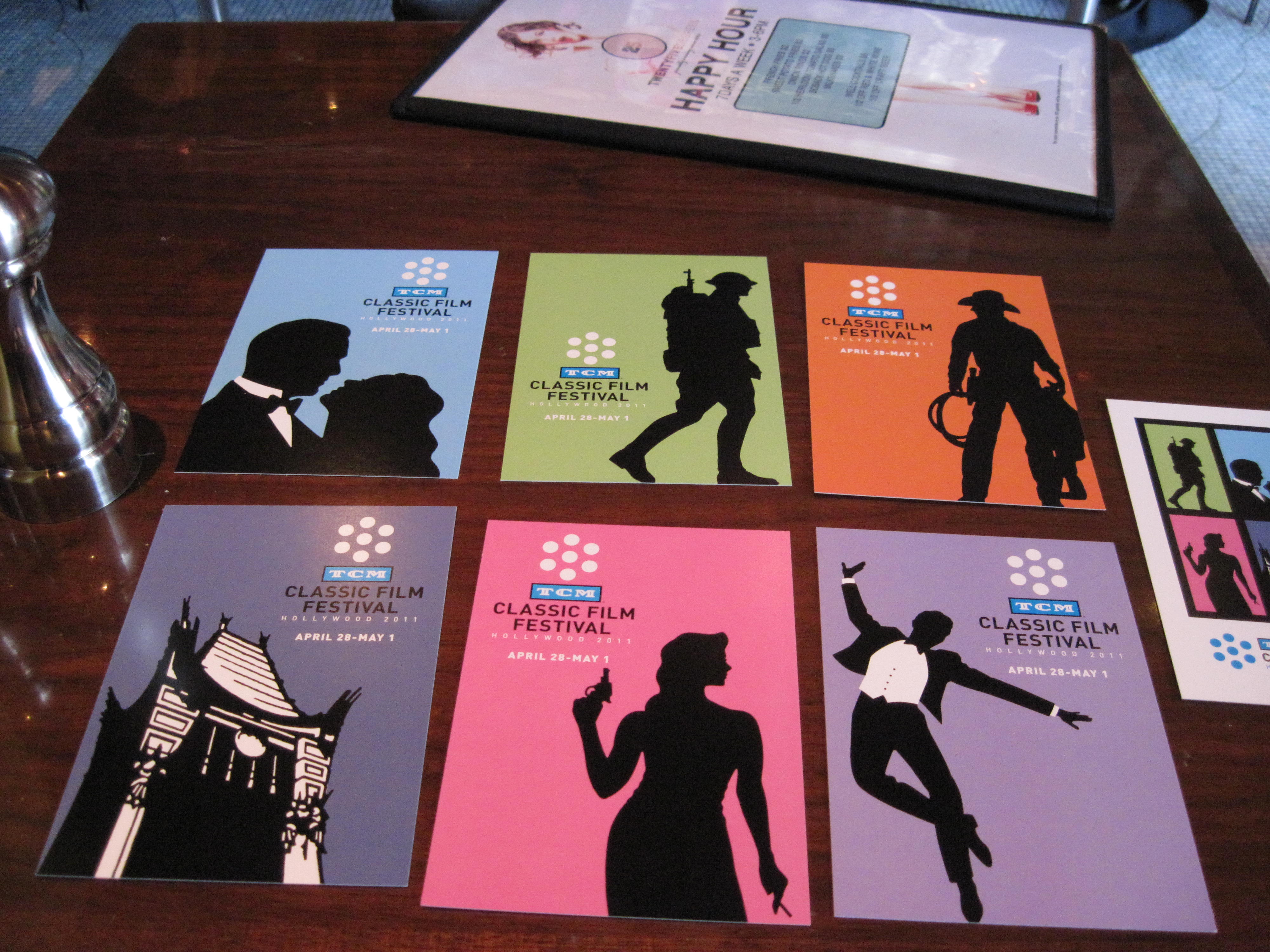
The postcards for this year...I like them so much better than last year!

So as I sat there, having one of the only relaxed nice meals I would have for the next 3 days, I was giddy. It was what I call “conference energy” and it was wonderful. I’ve done so many of these damn things, from purely academic to absurdly geeky and…the buzz on the TCM Festival went up to 11, in the way that Spinal Tap truly intended it to. EVERY table had the schedule out and was eagerly arguing and planning out their course of events for the next 3 days.

:::NIGHT ONE:::

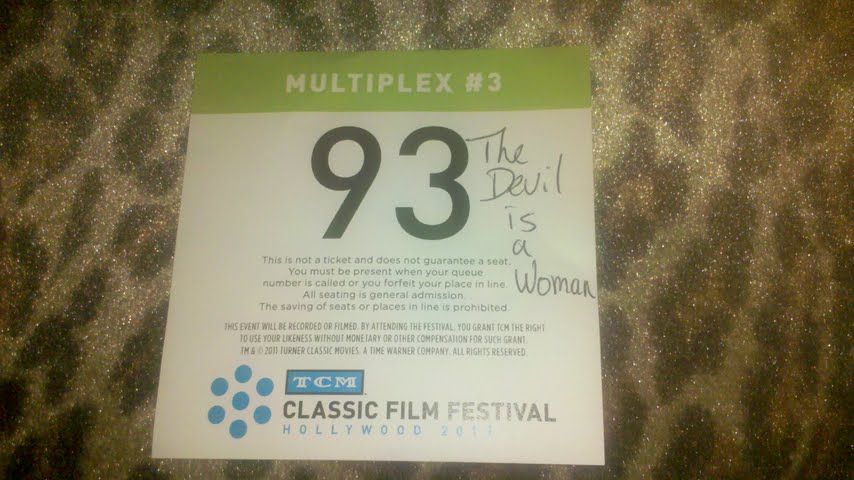
“I kissed you because I loved you…for a minute!”–THE DEVIL IS A WOMAN

I finished up, tipped my good-looking waiter, said good-bye to the Gregory Peck that was playing on the screen. Timely as ever for film-related events, I entered the welcome party in the Hollywood Roosevelt Hotel just at the perfect moment to hear Robert Osbourne give the “Welcome to the TCM Classic Film Festival” address. I schmoozed a bit, met up with some lovely folks that I had gotten to know due to the wonders of the internet such as the lovely and wonderful Sales on Film (who I was also lucky enough to spend some quality time with over the weekend), and ran into some old and dear friends like my good pal Eric Caiden of Hollywood Book & Poster.  Looking at  the time, we realized

Not gonna lie. As many times as I could, I saved my silly ticket stubs. They make for good copy! And, well, that archiving thing ya know...

that social time was over and Film Time was ON. So…we scrambled over to the Chinese and grabbed seats for Night at the Opera (1935). The guests that they had were Robert Bader and Groucho’s grandson, Andy Marx. The Q&A was lovely, with a good discussion about different parts of comedy and the place that it had within the relationship between Andy and his grandfather.

One of the things that interested me most was the discussion that Bader and Marx had about technology and comedy routines. Having recently watched the Bill Hicks documentary and cried my ever-loving EYES out (if you haven’t seen it, see it. NOW. Even if you don’t know who Bill Hicks IS), I’ve been thinking about good comedy quite a bit and so their revelations were most enlightening.

The two men discussed how they used to record people’s comedy routines off of the television and play them back and memorize them that way. Marx said he used to do that with his grandfather’s own work. To me, that kind of translatory learning is fascination. Visual learning is one thing, but to realize that comedy, good comedy is so damn multi-faceted…that is clearly another. And while the Marx Brothers are incredibly physical comedians, their other major strength is in the pure, unadulterated speed and complicated linguistic play that took place within their dialogue- something that could only be learned through an aural reification.

After the Q&A, and just before the feature, they showed the Warner Brothers’ cartoon “What’s Opera, Doc?” As many of my friends can attest, I am a junkie for old cartoons and this was a REAL WINNER. As my research showed, it was indeed what I thought: a condensed version of Wagner’s operas. You can’t get much cooler than that. And with Chuck Jones at the helm? HELL YES!!

Merris Melodies does Wagner!

Then it was time for a complete change around. From the zaniness and chaotic anarchism of the Marx Brothers, it was time for Joseph Von Sternberg’s The Devil is a Woman (1935). While this film is notorious for a multitude of reasons, it is apparently most well-known for the fact that it really hit a nerve with the Spanish government officials who hated it with a passion, due to its portrayal of the police guard. They threatened to ban all Paramount pictures completely if the studio didn’t do something about Von Sternberg’s film so…Paramount pulled the picture and destroyed the master. Because, ya know, it’s important to throw the baby out with the bathwater (I know, I know, different time…different time…).

Paramount also decided, in their infinite wisdom, that it would be a good decision to release Von Sternberg from his contract early. And once again, hindsight is 20/20, but GOOD LORD. What hindsight!! Can you imagine what the situation would have been if…this had not been Marlene’s favorite movie? The thought gives me chills. Because this was one of the best films I saw over the course of the festival and it is one of the best Marlene movies ever. Don’t get me wrong- she’s done great stuff- but her out-and-out petulance and lust for life in this film is incomparable. I’ve never seen anything like it before, and I’ve watched a good deal of old movies with great divas, Dietrich included.

Asked why this film was her favorite, Marlene Dietrich simply replied, "Because it is my favorite."

The Devil is a Woman is a film that stands apart. It is to be noted that the festival background gives it a flavor of defiance and exoticism that is all-at-once erotic and, in the Bakhtinian sense of the word, Carnivalesque. Ideas of the fool and the grotesque populate the film as often as the drippingly sensual flowers carefully placed within Dietrich’s hair. It would be dismissive to call this film a “movie.” It is, by my count, both a stunning prayer to the alter of Marlene (and we all know the Von Sternberg-Dietrich thing, so…) and an exquisite exploitation of the cinematic medium.

The woman who came up beforehand, Katie Trainor, is the Film Collections Manager (read: killer moving image archivist and who I wanna be when I grow up!!) at MoMA, and is a total rockstar. She explained that although the master of the film had been destroyed, per Paramount’s instructions, Marlene Dietrich actually had a print of Devil in her bank vault. She gave the print to MoMA, who restored the film a while back, but restored it again now, this time to polyester film stock, making it good for another 300 years! Of course, I was sitting there while she talked about this stuff geeking out mercilessly, hoping she would continue talking about it for a good time more. Luckily, I was able to hear her speak one more time during the festival, but sadly I was not able to talk to her in person.

After the films were completed, we all went our separate ways in order to get some sleep in preparation for Friday- a day that I knew was going to be exciting, difficult, and invigorating all at once. It proved to be all of these things.

:::DAY 1::: 

“That’s Neat! I like That!”–BECKET

I got up incredibly early. Like REALLY early for me. Having not had to get up early for a very long time, this was a challenge. But, surprisingly, it went incredibly smoothly. Got up, showered, dressed, got on the bike, grabbed a breakfast sandwich & a huge bucket full of espresso (4 shots and the rest filled with coffee, please…yes, I do know how many ounces it holds, I’ll be drinking from this all day, I appreciate the concern!) and I was off.

When I got to the Egyptian, I was actually surprised to see that there was a mass of folks that had gotten there WAY before I did, and we still had about an hour and change to go before we got let in!

It's all about the Saxons. And the Normans. And...well, the O'Toole of course!!!

The doors to the Egyptian finally opened, and I shuffled up to the front of the theater. It may be a little intense for the screen, but if I want to see a guest at the Egyptian…I’m gonna try to be at the front. And so? I found myself a lovely little chair and patiently waited.

For me, this was a fairly big thing to check off my list. I had DVR’d Becket (1964) a few months back, but when I heard that it was going to be at the Festival, I had quickly erased it and been anticipating this moment the whole time. Especially since I knew that Peter O’Toole himself was going to show. At this point, I can’t wait to see what O’Toole film TCM Fest’ll play next year, since last year I saw The Stuntman (1980)! In any case, there we all were, waiting, anticipating, patience dwindling to nothing like a 10-year-old child’s on the tram to Disneyland. You could literally look at the people beside you in the theater and they had the “Are we there yet?” look on their faces. Considering the various age-ranges (a good percentage retirees or thereabouts), the look of wonder and child-like excitement was fantastic. It gave the audience a wonderful sense of democracy that technical generation gaps were not permitting.

And then it happened. Ben Mankiewicz appeared and the crowd went nuts. He came out and chatted a bit, making a few jokes about the Royal Wedding that had happened the night before and the film Royal Wedding, since that was going to be presented later in the day (all I could think at that point was how hard that made me laugh and…oh boy- I must be a really BAD film nerd if those are the jokes that get me! I’m sunk for good!). Mankiewicz was even more charming and a hellovalot smarter and cooler than he is on tv, and I like him on tv, so that’s saying a lot!  After his initial presentation, he gives a bit of historical background on Becket and they run the film.

Is the film good? It’s better than good, it’s great. When I call this the first “bro” movie, I’m not kidding. I say that in a slightly off-the-cuff joking way, but I do mean it in the sense that it does discuss all the issues that pertain to that which we have come to look at as “bro” culture. Perhaps not what it is now, in that it has completely been degraded and turned in upon itself in some kind of commodified and trivialized way (like most other things), but in the sense that there is a sense of loyalty and masculinity that two men can share with each other that women have no place in.

On the other hand, I recognize that there is a highly sexual element of this film, between Henry and Becket. It is quite exciting and enthusiastically celebrated, in fact. This may be one of the first films that I have seen in a long while where, with one notable exception, women are portrayed as horrific, evil creations, and I’m…almost down with that struggle. Mostly because I am so dearly and desperately in love with the relationship as it evolves/devolves between Henry and Becket.

The colors were beautiful. The story exquisite. I could write about this film alone for an entire entry. However, I cannot do so, as I have to discuss the actual in person visit from Henry II, himself! You know a film is good when it closes and it feels like a lover pulling away in the morning…you know they have to go, but that doesn’t make it any easier. And thusly, Becket wrapped for me, and Mankiewicz returned to the stage.

"They found Burton at the Pair of Shoes and I was under a piano at the Garrison club. They had to get us all dressed up like a king and a priest again for those final shots. We were very confused."

And then came the man. There’s no getting around it. I’m prejudiced. His eyes and his acting got me one day and…I was sold.

Well, I wasn’t any less sold that morning. He was elegant and charming, and seemingly surprised at the film. I don’t think he had been there the entire way through, but he mentioned that it was quite something to hear the way he sounded “all those years ago.”

The discussion wound its way through all sorts of topics: theater, Lawrence of Arabia, drinking, Burton, their relationship, cricket, and Katharine Hepburn. The most memorable moments, of course, were when O’Toole would go “off the script” as they say, and add something that truly was a personal touch. When discussing Richard Burton, he asked Mankiewicz if he was familiar with the cricket expression a “pair of safe hands” (the generosity of this made me smile- Americans? And cricket? I love you, Mr. O’Toole!). When Mankiewicz replied in the negatory, he responded that it referred to someone who was reliable and could be counted on not to make a mistake, someone who would back you up properly. “I knew with Richard Burton it would be like that,” O’Toole said.

His stories were wonderful. I could have listened to them for hours. But the one that stuck with me the most was the one that he told about Lawrence of Arabia. “I find acting very difficult,” O’Toole commented, and then discussed David Lean in some detail. “To sit on a camel, in the non-existent shade, covered in vermin, is not my ideal platform. But I came out, and David said, ‘It’s an adventure!'”

And Peter O’Toole himself is an adventure. Even as an older gentleman his eyes sparkle and his wit is sharp. “It’s an adventure!” No doubt. His life could not have been more of one and his films could not have expanded that if he had tried. Seeing him before me that morning was a dream. Theatrically, scholarly, and filmically, Peter O’Toole will remain one of the greatest actors in the world and I feel irascibly lucky to have been able to see him have a live Q&A after the masterpiece that was Becket!

I rushed out of there like a house on fire, unlocked my bike, and slid amongst Friday morning cars along Hollywood Blvd on my bike. I have to say- it was SO much quicker than walking! I love my bike! So I found a place to lock her up, and charged straight up to the Chinese 3 for Nicholas Ray’s Bigger Than Life (1956). Some of you may remember that I have written about Nicholas Ray before or know my passion for his films, so you can imagine how excited I was. Well, quadruple that. It was a spectacular event, in the true meaning of the word spectacular originating from “spectacle.” Not only was star Barbara Rush there to do the Q&A with Robert Osborne, but it was in glorious DeLuxe color and Cinemascope.

Words fail to describe how good Barbara Rush looked. The fact that a woman who is in her 80’s looks like she just popped off the screen is almost unfathomable. Yet there she was, plain as day, gorgeous, funny, bright and quick as hell!

For a young actress to work with Nick Ray was a big thing, but James Mason...that VOICE!

When Robert Osborne asked her to talk about some of her leading men, she quipped back in the middle of his question, “I had ’em all!”

Her discussions on Paul Newman’s aspirations to character actorhood were especially enlightening. due to the fact Indeed, looking at his career and certain roles he chose to take on, you can see that desire manifest itself more than once. However, due to the fact that he was deadly good-looking,  he lost the character-actor lottery and was more leading-man stock (can’t say I’m complaining much). She said that he always really wanted to be Wallace Beery.

Rush was also on very good terms with Sinatra, too. He made sure to let her know that he had her back, no matter what. “Kid,” he said, “If you ever need help…” to which Rush replied “You would be the last person I’d call! You’ll kill ’em!!”

For someone who was extremely unfamiliar with her work, this Q&A was a godsend. Not only was she delightful and funny, but she was informative, incisive and analytical about the Hollywood system then and now. She stated, pure and simple, “There were no Lindsay Lohans because of the Studio System. They would give them picture after picture, shape them and mold them, protect them.” It was an interesting and saddening thing to consider. It’s not like people were partying any less back then. It’s just that the Studios and the Agents and the assorted folks in and around that circus authentically cared more (not about the person, mind you, about their product/commodity) and that, in effect, prevented a great deal of mishap. Don’t get me wrong, bad things still happened, but the covering up and shaping/molding/continuing to provide pictures after scandal may have saved more lives than we think.

Then there was the film itself Bigger Than Life is aptly named. And no, it could not have been shot in black and white or any other aspect ratio. It was a deliberate use of tools for a deliberate study on addiction, psychosis and different kinds of abuse-related traumas. It felt like a Douglas Sirk movie that had gone to the circus but in that upside-down, ten-in-one, freakshow kind of way, not the cotton candy and ferris wheel. It was dark and twisted and over the top, and while many might see this as the basis for a cult film and cause for laughter, I saw it as hauntingly beautiful and uncontrollably disturbing. It was meticulously thought out in the way that only a Ray film is, and is very clever at disguising itself as simply the American dream gone wrong. The issue is that this is the American dream gone to Hell in a handbasket. It deals with drug abuse, sure, but it deals with all kinds of other abuses and their repercussions on the psyches of the most vulnerable. We’ll put it this way- I adored the film and will be writing on it more at a later date, I’m sure.

So I believe I might have had something to eat at that point. I honestly don’t remember. I think I did, but that seems highly unlikely seeing that there was no possible way that I was going to miss the next screening. The bits and pieces in between the screenings at the Festival seems so meaningless unless you are in the company of fantastic and awesome people (which I was for good portions of the weekend) or getting to know some new ones, so anything less than that pales.

The next thing I knew, I was making my way into the Chinese 3 again, when who should I see but my good friend and companion, writer-on-film extraordinaire, and all around excellent being with opposable thumbs, Dennis Cozzalio. I was THRILLED to pieces. I always love spending time with him and so every time I see him it’s like some cool holiday. I snagged a seat right by him, sat down, and we immersed ourselves in the glory, the magic, the unbelievable brilliance  that is The 7th Voyage of Sinbad (1958). In my notebook, as I was watching, I scribbled the following phrases:

1) Indiana Jones and Goonies totally bit off this!! Dude!!

2) Pixar for nerdy grown-ups!! [ok, so maybe I shoulda written Aardman. SUE ME.]

3) Who let the dragons out? Who? Who? Who? [YES. I went there. TO MYSELF. In the movie. THANKS.]

My decision, right then and there: any film that has such beautiful and skillfully battling skeletons has won my heart. Now I know you might say- hadn’t you seen Harryhausen’s work before? The quick answer is yes. The longer answer is a) never a full film (but many clips, pieces of documentaries, and virtually hours of footage on the making-of stuff) and b) NEVER ON A BIG SCREEN.

Never let anyone tell you that the big screen doesn’t change the way you seen a film. Even one you have seen a bazillion times. It is a complete falsehood. Seeing this film on the big screen with Bernard Herrman’s excellent score ripping its way through my ears was life-changing. The 13-year-old boy in me was doing cartwheels and flips. It was so brilliant. I’m surprised that my seat remained in one piece considering how much I was bouncing around in absolute glee.

Delightful doesn’t begin to describe this film. ROCK an ROLL comes close, but…that doesn’t sound too scholarly, now does it. Perhaps we shall split the difference?

When that came to a close, I walked out into the lobby with Dennis and we ran into a friend of his. As it turned out, his pal John is finishing up the same program that I will be starting up in September! So after a bit of movie dishing, Dennis moved towards his next film and John and I chatted about film archiving and all sorts of fun stuff. Also how fencing/fighting skeletons essentially just rule. After grabbing some coffee with him, I made my way down to the courtyard in front of the big Chinese, so that I could get in line for Spartacus (1960).

It wasn’t so much that I felt a need to see it on the big screen (although seeing anything in the big Chinese is almost like seeing the face of a god…well, maybe a junior deity, seeing as it’s all digital now and I’m a sucker for a good print. But still- stuff in the big Chinese? GREAT) as I wanted to see Kirk Douglas. I love the man. Lonely Are the Brave (1962) (Douglas’ favorite film of his career, by the way!) is possibly one of the best modern Westerns to grace the silver screen, and Ace in the Hole (1951)? Well, let’s just say I still don’t go to church. It still bags my nylons. I’ve also read his autobiography (the first one, anyways) and have a very keen sense of him due to my minor obsession with the blacklist and blacklist history. So aside from the fact that my mother had seen the very same film in the very same theater when it came out, 50 years ago (sorry for outing your age, mom! Forgive me for the sake of journalism?), I had my excitement gauge set firmly to “Elder Statesman of HELL YES I RULE” Douglas. Needless to say, I was not disappointed.

Kirk Douglas has had multiple strokes over the years which have made his speech difficult to understand. I can’t say I got everything, but I got most of it. His poise was brilliant. His timing? SPOT ON. Whatever neurological explosions happened within the Douglas anatomy, they have not, for even one instanteffected his ability to turn on a crowd and keep them going.  People were laughing at his jokes (damn funny), murmuring in agreement at his statements and watching intently as he discussed certain elements of his life now in comparison to back then. He actually said that he was happy that he had the strokes, as they taught him to stop taking things for granted.

"I think for a guy who can't talk, I'm saying a lot!"

My favorite story that he told was when he called Stanley Kubrick and wanted to make Paths of Glory (1957) (another GENIUS performance from this man). He said he had to cajole Kubrick into it a little, and his stance on Paths when he decided that he wanted to make it, verbatim, was: “This picture won’t make a nickel. But we have to do it.” That attitude ruled his career and it still rules him. It was inspirational to see clips from his one-man show and to know that this man has the strength of a thousand winning armies. Kirk Douglas is Spartacus, still.

He received a standing ovation in response to his statement about breaking the blacklist by using Dalton Trumbo’s name as an actual credit and making sure that Trumbo was let on the lot when no one had the balls to do that, and with that we said our farewells to the man who changed Hollywood (and my personal film life) forever, and got on with the show.

Spartacus itself was quite enjoyable. It was made a little less enjoyable by the people in the audience who persisted in taking pictures of the screen. I knew when the flashes would go off, too. It was like clockwork. People’s credits at the beginning? FLASH. Laurence Olivier and Tony Curtis in the now-infamous “snails-oysters-bathing scene” FLASH FLASH FLASH.

I do understand that there were a ton of people attending this festival from different cities, states and countries. I also understand that those places may not have theatrical screenings of these films, thus you make the journey to the seriously amazing TCM Classic Film Festival. But…it was quite distracting and disappointing. There are amazing screen captures that you can get online. It is entirely unnecessary to disrupt other people’s film-going experience by shooting pictures through it. If the staff could’ve done something, I think they would have. But quick flashes in a large group of people…well, not much you can do.

Spartacus is truly an amazing film. Due to the emotional attachment to storyline/characters I am always guilty of when I go to the movies, I tend to forget how many extraordinary actors are in it together. You can probably play Six Degrees of Kevin Bacon and connect him to any one of these actors because of this one picture. How poignant, too, that I was seeing another Tony Curtis movie at the TCM Festival, as last year I had seen one of my ALL time favorites, Sweet Smell of Success (1957), and he had been the guest for the Q&A beforehand.

As the film let out, I had to throw in the towel. I was spent. This broke my heart because I was so looking forward to seeing William Castle’s The Tingler (1959) at the Egyptian. Castle is one of my 100%, no-question-about-it, favorite humans to have come into the world of the cinema. But I had to admit defeat, and so I biked home, opened my door, put the bike down with my stuff, and promptly passed out completely. It was necessary. I’m kinda glad I did, too, as Saturday turned out to be the biggest and most movie-filled day of ’em all!!

****WATCH THIS SPACE SOON FOR PART 2 OF THE TCM CLASSIC FILM FESTIVAL SAGA!!!!!!!****

TCM Classic Film Fest, 2011-Initial Preparations and Looking to the Past

And so it goes. A year passes, things change, and…here we are. About to enter the insanity that is the TCM Classic Film Fest once again.

I experienced it last year, and submitted my review to a local magazine. It ended up going unpublished,  however, that doesn’t mean I can’t post the review here, one year later, right? In short, I would like to share with you my experiences from the TCM Classic Film Fest 2010.

First of all, let me preface this by letting you know that when I wrote this, I was still on my “festival high” and the magazine audience that I was writing it for not nearly as advanced as I feel that this one is. So I apologize if the tenor of the piece feels somewhat…less. In any case, you are a forgiving audience (I feel), so I will give you the writing and hope that you will at least be cheerleaders along with me.

I will tell you this: The TCM Film Festival of 2010 was remarkable in so many ways that I have to publish this piece before I let you know what my plans are going to be this upcoming weekend. So here goes….

Firstly, I must confess: I am not a morning person. It takes me a while to get out of bed. However, the Turner Classic Movies (TCM) Film Festival that took place at Grauman’s Chinese and the Egyptian Theater on Hollywood Blvd, from April 22-25, was a whole different story. In fact, all I needed to know to jump out of bed that first day was: my breakfast is going to be made out of Kirk Douglas, Lana Turner, Dick Powell, and Gloria Grahame and cooked up by Vincent Minnelli in 1952. While most people I know can barely make it to work by 9:00am, I had gotten on my bike, booked it up to the Walk of Fame, bought a ticket, and was in my seat ready to watch one of my favorite films: The Bad and The Beautiful.   

And it was worth every little bit of sleep lost, as there was so much gained! First off, there was a Q&A with Robert Osborne and Cheryl Crane, Lana Turner’s daughter. Most famous for her, um, “run in” at 14 years old with mommy’s gangster boyfriend Johnny Stompanato, (she showed her approval of the relationship by stabbing him to death), Crane was actually most charming and spoke lovingly of Turner. But it had nothing on the film itself. This motion picture can knock any modern day movie trying to “expose” Hollywood’s evils flat on its proverbial ass. Twice. The bad?  Waking up early after being out way too late the night before. The Beautiful? Seeing a gorgeous 35mm print of this, pristine and larger than life…the way it was meant to be seen!

After this, I blasted through hell incarnate (read: tourists and people dressed like SpongeBob Squarepants) to get much needed sustenance and garner a spot for one of THE best and THE most cynical and downright nasty films ever placed on celluloid: Sweet Smell of Success(Alexander Mackendrick, 1957). It was in the Grauman’s Chinese, large and in charge, with a Q&A with one of the stars, Tony Curtis.

The man, the myth, the legend. See Sweet Smell of Success. Just do it.

I shouldn’t say much about this except that it was a disappointment and it was not Tony’s fault. The guy is 84 years old, and he’s more than welcome to ramble. But if you are the Q&A guy, your JOB is to keep him on track. Oh, and…try and make sure he keeps the microphone up to his mouth. It was tragic, as I would’ve liked to have had a good Q&A for this film. If you have never seen this film, you must. Mike Patton (Faith No More, Mr. Bungle, etc) really likes it. He’s used several lines from it in Tomahawk songs.

The remainder of the festival was amazing. Later that first day, I saw Mel Brooks present The Producers, and that was phenomenal. He’s sharp as a tack, funny as hell, and had great stories.

Mel Brooks outdoes everyone and probably will...forever. Flanked by Mitch Glazer on the right and Vanity Fair's Sam Kashner (who, thankfully, let Brooks have centerstage as well he should have!)

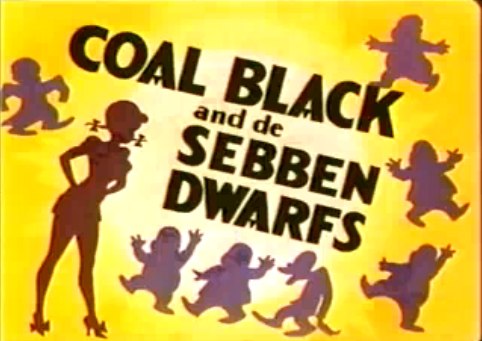
I did another 9:00am run on Saturday to see Billy Wilder’s Sunset Blvd (but I’d do almost anything for a Billy Wilder screening…you should too), and Nancy Olsen was there, looking barely any older than she did in the film! It was impressive. I visited the Egyptian Saturday night to see Donald Bogle (read his book “Toms, Coons, Mulattoes, Mammies and Bucks: A History of Blacks in Film”- educational and extremely well-written!) present some of the most exquisite 35mm transfers of out-of-circulation cartoons (such as “Coal Black and the Sebben Dwarves”)

The 35mm prints of these cartoons were magnificent and the historical discussion by Donald Bogle was beyond that.

done by folks like Bob Klampett and Tex Avery. That show blew my skull apart and made me simply ecstatic to live in a city where I could bear witness to this on a big screen!

Then there was Three Alarm Sunday. Heard of a three alarm fire? I have 3 alarms to wake me up. I used ‘em for Sunday. One was Good, one was Bad, and one was Ugly. Because that was the film I saw. It was life changing. Out of all the films I have seen in my life (and I have seen a ton), I had never seen this, and I had especially never seen it with 94-year-old Eli Wallach doing the Q&A. What do you want me to say? He was witty, funny, charming. He let loose an “I’ll stop acting when I die!”

"I'll stop acting when I die!"

and brought along a birthday card someone sent him that played the beginning theme from the film. The movie and the music were so beautiful that they made me cry. Not once, not twice, but several times. I felt lucky to have eyes and ears, and thanked Italy and Mr. and Mrs. Leone for having some sexy times to create Sergio. I walked out of Grauman’s a changed woman, and will never forget that morning.  While I saw several more films that day, including The Stunt Man (Richard Rush,1980), Murder, He Says (George Marshall, 1945) and one of my all-time-favorites, In a Lonely Place (Nicholas Ray, 1950), The Good, The Bad and The Ugly is a film that went beyond the pale, and really “tied the room together, man.” Thank you TCM, and thank you Los Angeles for providing me with a nice little film vacation! Can’t wait until next year!

And so we have come full-circle. It is now next year. I have been chatting excitedly with my good friends Karie Bible from Film Radar and Dennis Cozzalio of Sergio Leone and the Infield Fly Rule and we all agreed in our different conversations that this year’s schedule is *just* as difficult to prioritize as last year’s. Realistically, the fact that I even have a pass to go to the thing makes me feel like Charlie Bucket getting a Golden Ticket to Willy Wonka’s factory.  That said, when you put certain things against each other at the same time, it truly is like a filmic Sophie’s Choice. That said, I am going to now present you with what I feel will be my schedule for the TCM Classic Film Festival 2011. Feel free to comment on it at will!

THURSDAY, April 28th

7:15- A Night at the Opera with What’s Opera, Doc? on 35mm, guests: Andy Marx and Robert Bader

-I’m not sure if I have seen a Marx Brothers film on the big screen before. So…I’m gonna make sure that I have.

10:15-The Devil is a Woman on 35mm, guest: Katie Trainor

-totally problematic, TOTALLY Von Sternberg/Dietrich, and to quote the TCM site- “When Spain threatened to ban all Paramount pictures over the film’s depiction of their police guard, the studio pulled it from worldwide distribution and destroyed the master. They also released von Sternberg from his contract prematurely ending a level of artistic freedom that the director would never enjoy again.”  This is the world premiere of a new restoration from MOMA. Can we say excited, boys & girls?

FRIDAY, April 29th

-9:00am, Becket on 35mm, Q&A/Discussion w/Peter O’Toole

-I am getting up SUPER early in order to be able to see this. If I do not get a good seat for this I will be crushed. I am soooooooo looking forward to this it’s kinda silly. As I have commented to friends of mine, this is kinda one of the first “bro” movies. But, as far as I’m concerned, it’s the kind of “bro” I LIKE watching. Peter O’Toole in person. Need I say more???

-12:45pm Bigger Than Life on 35mm, guest: Barbara Rush

-It’s on scope. It’s by Nicholas Ray. It’s got Walter Matthau. 2008 restoration. I’ve never seen it. It’s about drug addiction and the ripping apart of the “picket fence” thing. I’m SO IN.

-3:45pm The 7th Voyage of Sinbad on 35mm, guest: Bruce Crawford

-DUDE. Harryhausen. 35mm. Are you out of your mind?? I may resemble a female in all the ways I am supposed to, but when it comes to things of this nature, I WANT ADVENTURE AND BIG MONSTERS ON THE BIG SCREEN. I will not hide the 14-year-old-boy that resides in my brain. And he gets treated to some rockin’ good times with this. Thanks. I could lie and tell you that it was just because I wanted to write about the Bernard Herrmann music, but why beat around the bush???

-8:00pm Spartacus, digital, guest/Q&A: Kirk Douglas

-So I have dreamed of seeing Kirk Douglas in person since…oh…forever. I love that he is a man that doesn’t let anything keep him down and I love his dedication and his passion. I just want to see him in person. I have also never seen Spartacus on the big screen. There is something somewhat romantic to me about seeing it at the Egyptian. So…I am going to do this. I am *hoping* that it will let me out early enough to make the midnight at the Egyptian, however….

-12:00am The Tingler, 35mm, guest: Bruce Goldstein

-I love William Castle. I love Vincent Price. I make it a point to never miss a chance to see a Castle movie when it is being projected, if i can help it. So…if I can help it, I’m gonna try to make it! If I can’t then, ah well.

SATURDAY, April 30th

-9:30am This is the Night, 35mm, guest: Jennifer Grant

-It’s the film that launched Cary Grant’s career, got Thelma Todd in it (aka “Hot Toddy” who died under very mysterious circumstances), it’s pre-code-era, and it’s a new restoration from the UCLA Film & TV Archive. Sounds good for breakfast!

-12:00pm The Outlaw Josie Wales, digital

-Clint Eastwood. Big Chinese. Need I say more?

-3:45 Went The Day Well?, 35mm, Guest: Kevin Brownlow

-OK, so this is where it gets super painful for *me*…I need to see Outlaw Josie Wales so therefore I cannot go to the “Conversation with Kevin Brownlow” that they are having. This part SUCKS. If you don’t know who Kevin Brownlow is, he’s the guy I wanna be when I grow up. He got an Academy Award for the work he’s done with film preservation, ok? So instead of the “Conversation with…” I’m going to see this film. Don’t get me wrong. This film looks incredible!!! It’s loosely based on a Graham Greene story, it’s a North American premiere of a new restoration, it has all the right stuff. And Brownlow is going to speak on its merits! But…it’s playing at the same time as Carousel, one of my favorite musicals in the entire world, a film I have NEVER gotten to see on a big screen, and a film that never PLAYS on a big screen. Yeah, Sophie? You and your choices can go to hell. I’m still loving my Golden Ticket, though. Oy vey.

***here’s my two options that I haven’t decided on yet:

-6:15 Niagara, 35mm, guest: Foster Hirsch

-Love me some Hathaway, great dark Marilyn film, and Foster Hirsch is a badass mofo when it comes to film noir-y writing and that kinda stuff. I would LOVE to see him talk about this film. To be honest, 50% of the draw of going to Niagara is Hirsch. But…I haven’t decided yet.

OR

-6:30 Pennies From Heaven, 35mm, guest: Ileana Douglas

-Don’t think I’ve seen it on a big screen, wonderful film, Steve Martin…pretty irresistible. This slot is a REALLY HARD CHOICE. I may not know what I’m going to until a little while before I go…

-9:30pm One, Two, Three, 35mm, guest: Michael Schlesinger

-It’s Wilder. We do not miss Wilder. It is a rule. Kinda like breathing. ‘Nuff said.

-12:00am The Mummy, 35mm, guest: Ron Perlman

-I think I would have to be mildly stupid to miss seeing the 1932 film The Mummy at the Egyptian theater. If I can make it there in enough time from the Wilder…I’m there. Plus…uh, RON PERLMAN?????? Yeah.

SUNDAY, May 1st

-9:15am The Sid Saga, 35mm, guest: Ross Lipman

-I’m not going to lie. I’m going to this purely because of the film preservationist/restorationist. Ross Lipman is fantastic and everything he has worked on is so fascinating and to me that I pretty much trust his name at this point. He’s also an incredibly nice guy. I am very much looking forward to watching this piece. Once again, it looks like another really exciting and super cool film preservation achievement.

-12:30pm Bright Boulevards & Broken Dreams: The Story of Black Hollywood, Speaker: Donald Bogle

-I’m a sucker for a film academic who can entertain while also educate. And Donald Bogle fits that bill to a T. Therefore, I think I may go ahead and check him out again. He was awesome last year with the cartoons, so…sure! Let’s go for it!

-3:15pm A Place in the Sun, Guest: Rose McGowan

-Why Rose McGowan is the guest for this film…I have no clue. I know she was on TCM, so I have to conclude she digs this film a whole lot. To be perfectly frank, I’d rather have Alec Baldwin tell me why he likes George Stevens, but hey- not up to me, right? In any case, I’ve never seen the film and I just finished a book that uses it as a fairly central plot point, so I think it might be a good idea to finally see it.

So…there are a lot of TBAs still on Sunday, and I might catch Westside Story  or Manhattan, but I’m not sure. This is where my schedule is at this point. All I know is I’m going to be EXHAUSTED on Monday. This is like Comic Con, just less smelly and crowded and more (dare I say it?) nerdy! In any case it is equally so. And I cannot wait. So there you have it. That is my plan. Perhaps I will see you there?

March Madness at the New Beverly Cinema: The Whole Bloody Affair

Standing in line tonight I had an infuriating conversation.

“Yeah, I only went to Grindhouse and Kill Bill. But I came to Kill Bill yesterday and today, and I’ll be coming some other days too. I’m a huge Quentin Tarantino fan,” the young man said, nodding at me wildly, trying to assure me of his fandom.

My eyes widened. They must’ve gone fiery. “No. You. Are. Not,” I calmly informed him, “if you were a ‘huge’ fan, you would’ve been to at least a few of the other shows that he programmed this month. You would not have just attended the films that he directed.”

The young man fumbled a bit and came up with a few reasons that he couldn’t be at the other shows during the month. Work, life, and so forth. Now, I will readily admit- not everyone is as big of a cinephile as I am. Very few people are. I know most of the ones in Los Angeles, and I treasure them like they are my Holy Grail. However, this specific argument upset me.

I’m not going to blame this particular gentleman. For all I know, he could have been insanely busy, and these occasions very well could have been the only times he was able to come to the New Beverly. However, what he is bringing up is an issue that I take issue with. This month we had a very special calendar. One that was very carefully and lovingly put together by Quentin Tarantino himself, as it was his birthday month.

Now, whether or not you are a fan of Tarantino, there is one thing that you cannot deny no matter how hard you try: the man LOVES film. When someone loves film as much as he does, there is a better than average chance that in a month of programming movies, there are going to be at least a couple of great choices. In addition to this possibility, even if you dislike every film on the roster, the chances of you getting to see some of them again, in actual print format, on a big screen…? Well, I don’t think I have to tell you the likelihood of that. So, if you’re into rarities, you got that going for you too. And, for those out there who are fans (and this is what really gets my goat), this month of movies is essentially serving as a microscope onto HIS films. Each film shown this month had something in it that was directly related to his own work (aside from the pieces of his own work that he showed). For me, that was the true gift. All the kids out there complaining about the fact that Quentin hasn’t done any commentaries or doesn’t take pictures with fans or assorted other excruciatingly shallow comments missed the point of the festival: this was his commentary track, guys.

I saw a plethora of great films this month. I saw a double feature of Blume in Love and Bob and Carol and Ted and Alice, with a Q&A with Quentin and Paul Mazursky himself. Not only did these films floor me, but they were perfectly programmed.

Paul Mazursky, 1969

While Bob and Carol will fill your heart with joy and hope for relationships and teach you that marriage CAN work and that human beings CAN properly communicate with one another if they wish to, Blume in Love will disturb the hell out of you, and teach you how one person’s ego can completely ruin a relationship to the point of disaster. Blume is fascinating in its dark horrific complexity where Bob and Carol is equally fascinating in its comedic intricacies.

Paul Mazursky, 1973

I got to put another notch on my Clint Eastwood belt and see Escape From Alcatraz (I have a goal which is to see every film either starring or directed by Clint Eastwood on a big screen- silly, I know, but whatever. It’s my dream, lemme have it!!) alongside this INSANE film called I Escaped From Devil’s Island. What can I really say about Devil’s Island except that any movie that has alternative male sexuality, native nymphomaniac women wielding coconuts as weapons (and no tops), a prison camp narrative, and random bits of stock footage shark sequences pretty much automatically has my heart. That movie don’t fool around, no way, no how.  And will I ever get to see such a beautiful print of that again? Nope, I seriously doubt it.

William Witney, 1973

And then, of course, there was Rod Taylor night…the night that so many of my friends were looking forward to and I was so very interested in. To be frank, I had only a peripheral knowledge of Taylor. I knew him slightly, but so many people whose opinions I valued so very highly were so very very excited about this event that I knew I had to attend. Once again, my lovely cineaste-cohorts were not mistaken. While I felt a bit embarrassed about not knowing more about the actor and yet being excited about the night, I was more excited about learning what I had been missing. See, I’m not one of those people who will fake it if I don’t know something or haven’t seen something. I will come right out and tell you, here and now, I have never seen Jaws. Go ahead, make fun if you like, but my first time seeing it will be on a big screen dammit, and I. Will. Have. A. Blast. In any case, I figured that this could only be another case of me getting to know a new person in my life! So, I strapped on my Rod Taylor MAN-boots, and went to the double of Dark of the Sun and Hell River. While I greatly preferred Dark of the Sun, Quentin’s intro to the films and his enthusiasm for Taylor was catching. I was an instantaneous fan, and a few days later at stupid o’clock in the morning, I found a Rod Taylor film playing on TCM, and I totally watched it.

Jack Cardiff, 1968

I saw so very many things this month from Tarantino’s programmed calender. I watched Richard Franklin’s Road Games (1981) along with Sydney Lumet’s The Anderson Tapes (1971). I finally got to see Stone (Sandy Harbutt, 1974) and enjoyed the living HELL out of the moonshine double-feature of White Lightning (Joseph Sargent, 1973) and Last American Hero (Lamont Johnson, 1973).

While I didn’t see everything, I saw quite a bit of what was offered. While I didn’t like everything I saw, what I liked, I loved. I think my favorite part of the whole deal was that for a month straight not only did I see my film-friends at the movies (who also seemed giddy at the chance to see rare films on the big screen) but we were all having fun. The main theme in all of these films was a kind of energy that is endemic to the Tarantino product. Each film projected held some kind of spice that Quentin has used to build his own works, and not in some “rip-off” way as I used to believe. I also do not believe it to be simply homage either, but that is due to tonight’s viewing of Kill Bill: The Whole Bloody Affair.

I will readily admit that I was never a huge Tarantino fan. I always adored him for Rolling Thunder Pictures and was forever grateful for his help in making Wong Kar-Wai a “film household” name. I always respected his film knowledge and I always admired his passion for cinema as it seemed as gargantuan and as intense as my own. While I have often gotten made fun of over the years for my obsessive devotion and outspokenness in regards to the Seventh Art, so, too, have I heard people knock him for the very same thing. But in my world there is absolutely nothing wrong with getting seriously excited about something that you love dearly and that gives you so much joy .

In any case, suffice to say that I certainly liked his films a lot but didn’t love them. Except maybe Jackie Brown. For some reason, I really loved that one. But that’s a whole other blog entry for another time. My fandom was basically predicated primarily on his self-achieved academic success and only partially on cinematic product. Things have since changed a bit. And this is where his March programming at the New Beverly fits in.

As I moved through the month with my friends and we cheered and clapped and laughed our way through the films, I noticed other things besides the fact that there were certain running themes of moonshine, racing cars/motorcycles, Dyan Cannon, and prison escape. There was cinematic tension to be sure, but I also started recognizing elements that Tarantino had taken from these particular types of films (and sometimes exact films) and used for his own- the “spice” I mentioned earlier. Many people have seen this as a kind of “lifting” or “borrowing,” which would ultimately mean that a Quentin Tarantino film is nothing but a collage. People accuse him of being nothing but a rip-off artist. Years previous to now, I might have agreed. But after having seen many of the films being paid homage to and worked with, I see that that is not at all what Tarantino ends up creating in his own pieces. Even by placing actual set-pieces that are almost identical mirror-replicas from the original source (ie the fight scene in Kill Bill between Lucy Liu and Uma Thurman in the snow is shockingly similar to one in a film called Lady Snowblood) it does not mean that the film itself is a “rip-off.” In fact, to me, it is the exact opposite. While that scene may end up becoming part of the history of that piece, certainly, it does not cause the initial piece of cinema any harm nor does it mean that the new cinematic creation is carrying all the little bits and pieces of meaning from the “first draft.” After all, no one got angry at George Lucas for “ripping off” Joseph Campbell’s Hero with a Thousand Faces with Star Wars, did they?

What Tarantino manages to do is something that I have written on many times- he creates a kind of cinematic palimpsest; something that only someone who truly loves the originating work can do with any modicum of success. Now whether you like/love/hate/feel indifferent towards his own films, his meticulous ability to create new and exciting media while reworking older visuals and themes is to be respected. There is indeed much within Tarantino’s film content that may indeed seem familiar. OK, fair enough. But to oversimplify the work and say that his films are mere pastiche is to underestimate the original content and downplay the effect of the newly created feature. I have many compatriots who are not fans. To each their own. My take is that, regardless of personal feelings on the content, one should be able to respect the construction. And as far as that is concerned, Tarantino just keeps getting better every film he makes.

What happened this month for his birthday celebration that was so very fabulous was that he revealed that construction- he told his New Beverly audience what goes into making a Tarantino film. This was quite a bit different to the last festival he did at the New Beverly, which was the Grindhouse Film Festival, back in 2007. That was another one that knocked my socks off. In fact, I went to so many shows, I couldn’t remember the exact number! My ex-boyfriend reminded me that I only missed 2 out of 25. It was another awesome engagement, but that one was focused on celebrating the release of the film Grindhouse (2007), thus they were all GRINDHOUSE features. This month? It was a slow build-up, and you HAD to be there. If you missed it, then you missed out.

As a cinematic architect, Quentin Tarantino built up the entire program this month in accordance with showing the grande finale which was Kill Bill: the Whole Bloody Affair. The last films I saw before I saw Kill Bill were the films contained in the triple martial arts feature: Avenging Eagle (1978), Duel of the Iron Fist (1971), and Fighting Fists of Shanghai Joe (1973). I believe that the first two films were the very first Shaw Brothers films I had ever seen in my life, although I cannot say for certain. Going to college in Santa Cruz, I have to admit that there were several times I found myself hanging out with young men who would light up a joint and toss on a kung-fu movie, while I sat there amused on the couch, drinking a beer. In any case, I was totally consumed by the ones I watched at the New Beverly. Unlike those lazy college afternoons, I was sitting in my favorite movie theater watching an incredibly colorful print and engulfed in some pretty intense storylines regarding honor, friendship and respect. Avenging Eagle was undoubtedly my favorite (and not just because the stars were super hot). This film got me due to the fact that the narrative had a wild amount of humor intermixed with the drama and the physical dynamics that were truly on a different level than anything I had seen (at least recently). It was shot in such a way that the camera work itself seemed balletic alongside the intensely beautiful martial arts.

What I remember noticing as well was that each fight told its own story. Being a noir scholar, I felt that these fight sequences were not dissimilar to the way that noir cinematographer John Alton used to talk about physical darkness in film: he said that there was more contained within and more fullness/usefulness to shadow than there was in light. Thus he used more dark. If you see any of his films, they are some of the BLACKEST films ever committed to celluloid. Now, I’m definitely an action girl. I dig me some Die Hard, some Commando, some Lethal Weapon and many more. But what action films seem to do and martial arts films do not is weave the action directly into the narrative. Martial arts films create a very significant and almost sacred space for the action to take place in. Within the films we are used to, the action simply is part and parcel of the film, just as most films are shot using light as a method of focus. Alton’s theory of using darkness to flip things around was significant. It said: read this film differently- this is not your standard film, with your standard everyday narrative. And, indeed, Alton’s films were most definitely not standard fare. Watching these Shaw Brothers films and seeing these action sequences spoke to me on that same level.

I didn’t think I was going to get a chance to see Kill Bill: The Whole Bloody Affair, to be honest. It sold out in no time flat. I was gut deep in the middle of writing something for the Film Noir blogathon when they went on sale, and totally missed out. To be honest, I wasn’t that upset. I thought, “No big deal, so there’s gonna be s’more gore, in color, it’d be cool…but I missed my chance at a ticket. Oh well!” I got lucky. And I am so very very thankful that I did.

New Beverly Cinema, March 28, 2011

I would like to point you towards two lovely write-ups that have been done on Kill Bill, as they are smart, succinct and perfectly written. They also go into quite different arenas than I will. However, I think they deserve to be read, as they assist me in my argument on why this version of the film is so wonderful. The first, from Mr. Beaks at Ain’t it Cool News, is a beautifully composed piece that essentially posits: “Shorn of commerce-conceding baggage, turns out KILL BILL is a masterpiece after all.” The second, from Todd Gilchrist over at Cinematical, discusses all the things that were done correctly in this updated version and the things that he feels were not necessary. Both pieces say much of what I feel on the subject and are exceptionally written. In addition to those pieces, however, I have a few thoughts that I would like to share.

I like to refer to myself as a feminist film theorist. People bristle when I say that…I could care less. But I’m that chick that has a raging hard-on for horror films, action films, Giallo, pre-code and noir and finds very little that is “anti-women” in any of it. I don’t think violence inflicted upon a female in a film is, in and of itself, misogynistic. You have to really prove to me that there is misogynistic intent. Then again, there are so many films that are furiously angry towards women in such a way that it cannot be immediately understood. To me, those are the most dangerous pieces of media. Then again, it’s a very tricky area with lots of fine lines. That said, I would like to argue that Kill Bill:The Whole Bloody Affair is, by and large, one of the strongest pro-female films I have ever seen. Indeed, I feel that Tarantino himself is an incredibly pro-female director. Unlike many filmmakers who divest their female characters of all their agency (and yes, this does include some female filmmakers sometimes) Tarantino’s modus operandi is to instill as much power in his ladies as possible. Powerful examples of this (aside from basically every female character in Kill Bill) include the characters played by Pam Grier in Jackie Brown (1997),

Pam Grier as Jackie Brown...The New Beverly showed several trailers of her early films during March; films that clearly influenced the way Tarantino chose to portray women in film

Zoe Bell, Tracie Thoms and Mary Elizabeth Winstead in Death Proof (2007), and both Diane Kruger and Melanie Laurent in Inglourious Basterds (2009).

Melanie Laurent as Shosanna/Emanuelle in Inglourious Basterds, the brave and talented projectionist who, essentially, wins the war through her actions in the film

The empowerment that the women in his films receive is, by and large, more effective than the empowerment that I have seen any women receive in “chick flicks.” But then again- perhaps Kill Bill is just my kind of Chick Flick. Tarantino uses the Kung-Fu rhetoric within Kill Bill to establish and discuss the reclaiming of power within one woman, played by Uma Thurman.

Uma Thurman as The Bride/ Beatrix Kiddo

He leads us, through several different time shifts, through her multiple rebirths. He shows her powerful as a well-oiled machine and as helpless as a newborn baby and aligns us with her each time through her direct address. And just at the point in the film when she is the most powerless, when she has been stripped of all possibilities of escape and the world at large thinks she has been, literally, laid to rest…she is reborn yet again through her inner strength that she was trained to translate into outer strength. Now…seriously…how new-age-y does that sound, right? But that’s what happens. And it’s damn BLOODY. Holy CRAP.

The devastation of the Crazy 88 in The Whole Bloody Affair takes on a whole different meaning than it did before. The additional footage and the fact that it was entirely in color made the scene completely seamless. By repairing the color consistency and removing the black and white shots, the whole thing reads more like the gore-filled ballet of beauty it was intended to be.

Just as I noticed that the Duck hood ornament from Deathproof was the same one featured prominently in the trailer for Convoy showing right before Five Minutes to Live (Bill Karn, 1961), I realized that many of the elements that had been featured in the martial arts triple feature were the ones focused upon in Kill Bill. Honor, integrity, physical dexterity/ability, and (most importantly) revenge. However, placing it within western confines and the female spectrum lent it a uniquely new flavor. While Tarantino clearly used the original Kung-fu films as part of the original thematic parchment, the strong female iconography was the other main layer he put on top, in addition to the other, more aesthetic ones (the anime section, the graphic violence, etc). In total, his Kill Bill palimpsest reflected the Shaw Brothers title card that he slated at the very beginning of the picture, but also each of the additional filmic influences, from Lady Snowblood to The Searchers. Through this combinatory tactic, Quentin Tarantino created a new product that we know as Kill Bill and is best seen as Kill Bill: The Whole Bloody Affair.

If one were to look closely at Deathproof or Inglourious Basterds or his other works, you could see the same kind of architecture. They are all cinematic palimpsests: layered parchments that reflect the past but have new stories written upon them. Cinema itself is like that, a kind of self-reflexive medium, so it is no surprise that Tarantino’s work would constant reflect and refract its own history. But his twist is that it is not simply mirroring, it is creating as well. And to me, that is impressive.

I know that what I learned this month was that I really don’t need any damn commentary for a Quentin Tarantino film, because I needed to know about Tarantino films, I learned at the New Beverly Cinema. Thanks again guys for an amazing month. See ya in the front row soon!

Let Your Seoul Glow: My Journey to Korean Cinema

This will be my last and final piece for the Korean Blogathon. It has been a pleasure to participate in it, and I can’t wait to watch a slew of the films that have been written about by everyone else! Thanks to everyone that put this together and to Martin for designing such a lovely page to showcase our writing! It’s been fantastic. So, in conclusion…..

I live in a city where everyone is obsessed with the motion picture industry. If you aren’t pitching a script or don’t have one on the backburner, then you’re on your way to a meeting or to meet with your agent. If not that, then you are location-scouting or bitching about budgets or other production issues. Yes, that’s right folks, I live in the Devil’s Playground- Hollywood, CA. I was born and raised here, and it’s what I know. Is it always what I enjoy? Not by a longshot. But it’s where I’m from, for better or for worse.

In any case, try as I might, I was unable to get away from the cinema. It was like the siren’s call to me, although not in the same way as everyone else. While I fought anything and everything cinematic up until college (I was going to be a social worker, dammit!), I was unable to distance myself from the silver screen any longer, and got several degrees in it- but all in theoretical writing. Not as useful as building construction per se, but I loved it, and still do.

Within my film education, I encountered several kinds of Asian cinemas from my professors- but never Korean cinema. So I became very fond of Japanese cinema, and Hong Kong cinema and different Chinese filmmakers. From there, it was all up to me. So, being a rather exploratory person, I dove in head-first and didn’t come up for air for a very, very, very long time.

The first filmmaker I fell for was Wong Kar-Wai. His films came highly recommended by a friend, and that friend could not have been more correct. They were beautiful, sensual, graceful and smart. Some were action-type films and still contained the afore-mentioned descriptions. Wong Kar-Wai sold me, and got me involved.

About the same time, I developed a keen fascination with the Japanese New Wave and wondered intensely why no one knew more about it or was writing more about it. From there, I found Kenji Mizoguchi and became deeply obsessed with his work as well. To compliment the highly sexualized New Wave and the historical-yet-feminist-tinged-Mizoguchi, I was then introduced to my first slightly Korean figure- Takashi Miike. While born in Japan, he was from an area that was dominated by Korean immigrants. In addition, his father was actually born in Seoul. Miike had multiple Korean connections, a fact I was not aware of until a little while ago. He was still, however, a Japanese filmmaker, more or less, and so I added him to my bundle. However, his style added to the New Wave and Mizoguchi really made the kettle start to boil.

Miike has been described as “controversial and prolific” (both of which he is) and his films have been described as being “perverse and extremely violent” and also “dramatic and family-friendly.” Watching Miike’s work made me interested in seeing what else the Asian world had to offer.

Takashi Miike's film "The Happiness of the Katakuris" (2001) was a remake of the Korean film "The Quiet Family" (1998) by Kim Ji-woon

It was not until much later that I became aware of Korean cinema and what it had to offer, but I have to say that the previous films mentioned were the items that whetted my appetite. J-horror and all of its various offerings was starting to get a little repetitous, tragically, and I was not always a fan of how perverse Miike could get. Or at least not his methodologies. It wasn’t my bag, baby.To quote Huey Lewis and the News, I was in the cinematic mindset of: “I want a new drug.”

And lucky for me, I found one: Korean cinema. While doing my research and writing for this blogathon, I remembered that the first Korean film I ever saw was Tell Me Something (1999). To be honest, I have to congratulate Chang Yoon-hyun. While I may forget things about movies I saw last week or last month, I saw this movie over 10 years ago and it still stuck with me. I have thought about the film over the last few years, not remembering the title, but vaguely sure of the storyline and definitely remembering the imagery, and always thinking: “Damn. I need to find that movie and see it again.” So thanks, Chang Yoon-hyun. I’ll be making that purchase soon.

"Tell Me Something" really told me something about Korean cinema...

Continuing onwards, what I have discovered about this country’s cinema is that it has the unique ability to pull the rug out from under me in every single movie I have seen. Just when I think I know what’s going on, I don’t. I can’t think of another country that does that as well as Korea. Really, sometimes the content itself pulls the rug out from under the viewers feet. Look at Oldboy!

But that is what I like the most about Korean cinema and why I cannot stop watching it. My good friend (and fabulous writer) Dennis Cozzalio just recently pointed me in the way of a Korean cinema in my city. The CGV. It looks great. Some American films with Korean subtitles and recent Korean films with English subtitles. It’s got a little cafe, apparently, and I happen to know that it is surrounded by really great (and inexpensive) local food establishments. I’m sold, hook, line and sinker.

When I saw Mother (2009) and Memories of Murder (2003) on a double bill at the New Beverly Cinema, all I could think was that Good Suspense Films had returned to the silver screen. Alfred Hitchcock would be proud. I could just imagine him, sitting in the back, smirking away. I was astounded at how good they were.

July 6, 2010- New Beverly Cinema, Los Angeles, CA

Every time I see a new piece of Korean filmmaking I am blown away. I’ve seen Kim Ji-woon’s I Saw The Devil twice now, and I finally feel like I may be ready to write something coherent on it. It’s a pretty fascinating piece to me. I think what I am seeing come out of Korea is what Japan has not been able to do for me. There is something unexpected, every time. And living in a land where I have come to call almost everything in every film I see, it is a more than welcome facet to a film.

In addition, the humor makes me happy as a bird in springtime. It is so damn dark. This is a characteristic that I find endearing. Here in the US we find cynicism and sadism enjoyable, especially in our “dark” humor. I find that pathetic and super unfunny. I’m not a fan of Todd Solondz. I think he intentionally tortures his audience. But the Korean sense of humor comes from a pretty nasty history anyway, so why not laugh? If one looks at the random aside comments that are made in certain films, or the things that we are asked to find funny…not everyone I’ve been in the theater with has laughed, but I think that they are being played for fun. Almost all of the films that are serious films have a great deal of humor in them.

I know I’m new. I know I haven’t seen everything. But you know what? I’m really damn lucky.Now I get to go and watch all these other films that all the other folks in the blogathon have written about (and ones I’ve found while I’ve been researching for my writing) for the first time. And to me, watching a film you’re really excited about for the first time is like kissing someone you are really attracted to for the first time: you can only do it once, and it is destined to be amazing, even if it might seem a little sloppy at first.

I’m glad that I started out with my background in the Japanese New Wave and ghost stories, John Woo, Wong Kar-Wai, Miike, and all that. It was great stuff. There are aspects within those cinemas (especially horror-wise) that are shared. However, I am mostly glad to have seen those films/those cinemas so that I can appreciate  the Korean cinema on its own terms.

Son of a Gun: An Ode to the Trumbos

Christopher Trumbo died today. And that saddens me greatly. As I sit here, tap-tap-tapping away at my computer, I have Johnny Got His Gun on in the background. Not only does it remind me of why I am here and why I became interested in the film world in the first place, but it also reminds me of why I became passionate about political issues, and where the two collided.

In the early ’90’s, when people were obsessively concerned about heavy metal music turning kids suicidal or into massive drug-fiends, heavy metal music was very busy turning me into a history buff and a cinephile. See, in 1988 Metallica released an album called …And Justice For All, which included a song called “One.” I didn’t get my grubby little adolescent paws on it until a few years later when I was hip-deep in the penny loafers and uniform skirt of an all-girls Catholic school (needless to say, being a metal fan in that location earned me more than a few detentions-that and the fact that I wore black nail polish on a regular basis). But I purchased …And Justice because I was a big Metallica fan and I had seen the video for “One” on MTV, most likely on Headbanger’s Ball with Riki Rachtman. When I saw that video, my life changed forever.

As many people are in their early teen years, I was a complete jerk to my parents. However, I had some presence of mind and enough brain cell capacity to reach out to my mother (who is exceptionally awesome) and tell her all about this video I had seen. I had also done my research in the academic journals of the time (Metal Edge, Circus, Hit Parader, and especially RIP) to find out more about this phenomenal piece of work. “One” seemed different to me. The sentiment was strange (ie outwardly political, and liberal at that!), the video structure was unusual…the entire assemblage was ground-breaking in my eyes.

The conclusions to my research were good and bad: the film was unavailable to be rented. The book however? My awesome mother got it for me. I ate it up like pie.

Johnny Got His Gun was my gateway drug. I became obsessed. I decided to find out all about the man who wrote the book, and all about the movie, and I quickly did so. I may have been the only underage kid who was spending time (without my parents’ consent or knowledge, of course!) outside Gazzari’s trying to get a date by talking about the blacklist and literary activities of Dalton Trumbo and how that tied into heavy metal. To this day, I am very thankful that approach never worked!

Due to the fact that the internet was not what it is now, it was not until I got to college that this obsession continued in full effect. As I began my film career, I renewed my interest in the subject when I was taking a film history course. To me, the Hollywood Blacklist was one of the most horrifying and awful marks on the industry that we’ve had. I could write for hours and hours simply on that but this is about the Trumbos.

In college, not only did I find that my own family had ties to the Blacklist, but I wrote several pieces exploring the ways that it brutalized people’s souls. At the end of the day, what I found was that Dalton Trumbo, the man who had started this whole journey and catalyzed my interest in this section of American filmic history was a man who, as his son Christopher Trumbo said, “wasn’t able to break the blacklist, to smash it into pieces or obliterate it or crumple it up into a ball and throw it in the trash can — but he was able to cripple it, and when his name appeared on the screen when ‘Spartacus’ and ‘Exodus’ opened within a few months of each other in New York, it became easier for other writers to get their names on what they had written without having to sign statements about what their political beliefs currently were or what they had been in the past or needing to justify themselves to their employers about anything at all.”


Dalton Trumbo's mugshot, prisoner #7551, upon being jailed for "Un-American Activities"


Trumbo’s “crippling” of the Blacklist served a great purpose and essentially opened the employment floodgates so that a great many people who had previously been economically and professionally cowed by this terrible tragedy were no longer handicapped in that regard. Dalton Trumbo, to me, was a hero. He had been a hero to me since I had first read about him as a teen, and he became even more of one as I read further.


The blacklist was a time of evil, and that no one on either side who survived it came through untouched by evil.

I believe that it was with the introduction of the Blacklist to my life that I realized the importance of the writing community to Hollywood, as a good portion of those that were Blacklisted (and almost all of the Hollywood Ten) were, in fact, writers. It was also at this point that I started visually “collecting” blacklisted writers’ and artists works, Trumbo being foremost on that list.

One of the first films Dalton Trumbo's name ever was allowed to be attached to, "breaking" the Blacklist

Kirk Douglas, by insisting that Dalton Trumbo be allowed on the set (and then putting his name on the film), essentially helped catalyze the "breaking" of the Blacklist


Life can never cage a man like this! And it never could...a great film of Trumbo's and very telling.

Tonight I returned home from the movies to the tragic news. Christopher Trumbo, Dalton Trumbo’s son, had passed away at the age of 70. My heart sank. A few weeks ago, I had snuggled myself up with some cross-stitch and blankets, and put on one of the best documentaries I have seen in many years, and (I will stress this) it was not just because of the subject matter.

In 2003, Christopher wrote a play called Trumbo: Red, White and Blacklisted. Directed by Peter Askin, this piece constructed a narrative about the Blacklist and Trumbo’s life based on his correspondence. It played off-Broadway, and had an intense amount of star-power attached to it at different points. In 2007, this became the basis for the documentary, Trumbo.

Trumbo is not only an excellent documentary, but it is a fabulous example of theater put onto film. It not only shows the talent that Dalton Trumbo himself had, but the skill that Christopher possessed in being able to communicate his father through two different mediums (theater and film) that were so thoroughly enmeshed on the screen. Christopher also adds an even deeper layer. Alongside the aforementioned play/film marriage, there are interviews scattered throughout, reminding us that this is not only players recreating correspondence, but real figures recalling real events. The Trumbo family as well as other Hollywood Ten families are contained within the text, relating their own lives with Dalton, while figures like Liam Neeson and Nathan Lane are reading the letters and playing their “parts” so to speak. There are also interesting connections. Kirk Douglas, a very significant figure in Dalton’s life is an interviewee, while his son is a participant in the performance/dramatic readings.

The following clip is one of my favorite sections from the documentary. But there are oh-so-many more!!


Not that Christopher didn’t have his own separate career. He did! Aside from being the assistant director and associate producer on Johnny Got His Gun and assistant director on Exodus, directly out of college, he also had a long and successful career in television (shows such as Falcon Crest, Quincy, Ironside). Christopher Trumbo was widely considered to be, as Peter Askin said, ” a very smart, funny, articulate guy. He was enormously gifted himself, and with the work he did in respect to his father.”

He was indeed his father’s son. He became one of the preeminent scholars on the Blacklist, devoting much of his life to being as learned about the subject as he possibly could. His sister, Nikola, noted that “His passion for the last 20 years or more was to learn as much as he could about the blacklist and then educate others about it, and I think he went about it using each of those attributes.”

Trumbo once wrote that making the film version of Johnny Got His Gun was his father’s response to the insanity of Viet Nam. It is tragic now that we don’t have anyone as poetic or striking as either Dalton or his son to make such bold and original filmic statements about the way of the world. Rewatching JGHG tonight, it reaffirmed my love for Dalton Trumbo, and my feeling that there is some writing talent that, like Haley’s Comet, only comes around every so often. With Christopher’s passing, and my recent viewing of his documentary, my heart breaks even moreso, as there is also one less historian who was Really There, and can talk about what it was Really Like to live through that kind of persecution.

I suppose that all we can do now is all we have ever done: watch, remember, and never forget.


I know that nothing can happen if I remain silent and that everything becomes possible when people find each other and take each other’s hand. I know that when enough of us are able to put aside our fears and find courage in the name and power of our common humanity, that when we do that one by one and then another and another, again and again, every day and day after day that we will become a great and irresistible multitude and that this war will end.

So be it.

Christopher Trumbo