Hitchcock

This post was originally published on the New Beverly Cinema blog on August 29, 2017. It is being republished here with full permission of the New Beverly. For the original post (with different artwork) please see the original post here.

In 1964, Alfred Hitchcock appeared on the CBC (Canadian Broadcasting Channel) documentary series Telescope. Interviewed by Fletcher Markle, the Master of Suspense revealed one of his primary approaches to filmmaking. “Please don’t think me presumptuous if I give you the analogy of, say, a painter who paints a tree, a landscape, or even a bowl of fruit,” said the legendary director, “I’m sure that the painter is not a bit interested in the apples for themselves alone, but in the technique of his work which stimulates the emotion of the viewer of his picture. After all, all art is experience. People look at an abstract and say, ‘I hate it!’ but the mere fact that they use the word ‘hate’ means that they are going through an experience…therefore if you apply these principles to film, as I see it, it is not the pure manner of the content, in other words it is not just the story but what you do with it.”

Alfred Joseph Hitchcock was a summer baby, born on August 13, 1899. His father was a grocer and his mother had other children to raise so Hitchcock’s description of himself as a well behaved but lonely child is reasonable. Hitchcock’s nondescript yet religiously strict upbringing played a large role in many of his films later. Raised Catholic but sent to a Jesuit School, Hitchcock said to Francois Truffaut, “It was probably during this period with the Jesuits that a strong sense of fear developed – moral fear – the fear of being involved in anything evil. I always tried to avoid it.” Works such as I Confess (1952) and The Wrong Man (1952) are explicit examples of how Hitchcock utilized religious themes and visuals to provoke and examine ideas of terror in works of suspense. This skilled director was even able to centralize the benevolent precept of “love thy neighbor as thyself” and quilt it into a tale of ultimate anxiety in the Technicolor tale, Rear Window (1954).

After studying art, Hitchcock became an advertising man. Many years later, career in full bloom, his past in the ad industry makes sense. No other director in film history is as commercially recognizable as Hitch. The famous 9-stroke-line-drawing of his silhouette (designed by Hitchcock himself), the portly shadow on any screen (film or TV) are enough for almost anyone to make the connection, let alone the highly publicized series of posed photographs promoting his later films like The Birds (1963) or Psycho (1960). These shoots feature him with his conspicuously expressionless face and a prop item signifying his latest production. Advertising indeed!

Truth be told, Paramount certainly had some weight behind the Psycho (1960) campaign, but its promotional work changed film exhibition and directorial sway for good and was truly incredible. Take a look:

Hitchcock’s gift for commercial work and talent was balanced entirely by his partner/wife, Alma Reveille. He met Alma, herself a film editor and a script girl,  just after moving on from designing the art for intertitles (the dialogue or narrative cards that accompany or assist in the continuity of silent pictures). For the rest of his/their careers, there would never be one single film that she would not advise him on. According to their daughter, Patricia, if Alma wasn’t keen on a script, Alfred wouldn’t even give it a second glance. Their team efforts provided them a happy life and a happy career. Whatever you may have heard, you have only to go to the Academy of Motion Picture Arts and Sciences and see the AMAZING home movies in the Alfred Hitchcock Collection to see the loveliness of Hitchcock family life. I particularly recommend the home movie where Hitch is pretending to “uneat” a banana.

After meeting Alma, Hitch made a few more silent films. He directed the Jack the Ripper-inspired work, The Lodger (1926), the first of his many films to look at issues of wrongly accused individuals. It began his style of recurring visual motifs and, most importantly, is a great example of Hitchcock’s tremendous capacity for thinking outside the box. His ability to translate what was inside his head to what made it to the camera’s lens was legendary. In the production of The Lodger, a plate-glass floor was specially manufactured in order to show the lodger pacing back and forth (this was shot from below). The “ceiling” also allowed for a chandelier to swing with the lodger’s stride. Later on, this would have been unnecessary – the pacing, the chandelier – could have been done with sound. But not in 1926.

The director carried this method over into other films. It was, in fact, part of what he felt was the language of cinema. Being able to tell a story with a greater concentration on image and less on dialogue is critical to understanding Hitchcock’s work. He created all kinds of props and manipulated a variety of visual cues in order to underscore the more emotive factors of a given scene. For 1938’s train thriller, The Lady Vanishes, Hitchcock had extra large glasses fabricated and shot through them in order to intensify the drama but not detract from the actors. For the highly Freudian and Salvador Dali-dream-sequenced Spellbound (1945), a gigantic hand and gun were created for a finale sequence. The infamous coffee cup in Notorious (1946) is far bigger than any caffeinated beverage container I have ever held (although I have never had the glory of being served by Cary Grant so perhaps I do not know from whence I speak).

Hitchcock’s careful attention to his visual topography was not to be outdone by those motifs that ran through his films. The aforementioned “wrong man” scenario is huge in his cinema as is the idea of guilt or a guilty conscience (he was raised Catholic, even if he did go to a Jesuit school). Explorations of male desire and sexuality can be found in every film he ever made. Many Hitchcock films examine sexual fetishes, psychoanalytic ideologies and address what is deemed as “deviant behavior” or some level of deviancy in terms of the homoerotic. While films like Rebecca (1940), Rope (1948), and Strangers on a Train (1951), are famous examples of Hitchcock’s involvement of intense queerness, other films such as Rear Window (1954) and Vertigo (1958) reveal the perversity of those men who might seem to be the “average Joe.” While Hitch’s queers are murderous, his normal dudes are voyeurs and perverts. Which is worse? The landscape that this British gentleman painted may not be comfortable, but boy howdy is it fun to dig into! As Hitchcock said about his masterful Shadow of a Doubt (1943), “What it boils down to is that villains are not all black and heroes are not all white; there are greys everywhere.”

Alfred Hitchcock may work mostly in the suspense and thriller genres but his comic ability is top-notch. It is true that the majority of his films do carry an overall serious tone and the topics that are covered are somber (murder, mystery, horror). But please note: you are allowed to laugh. And not nervous laughter either. Hitchcock is funny. INCREDIBLY FUNNY. While it would be wildly inappropriate to laugh at his films for being outdated (that’s never cool when dealing with classic cinema, folks, get with the program), what many fail to realize is there is a level of comedy included in Hitch’s darkness that allows you (as an audience member) to enjoy the film more. Whether it is the inclusion of a wacky side character or sewn into the skillful dialogue, laughing is ok. The Trouble With Harry (1956) is unapologetically a murder-comedy while To Catch a Thief (1955) and North by Northwest (1959) are truly some of the more hilarious suspense thrillers made. Every Hitchcock film includes his humor. And if you doubt his comedic intent, simply look at a few of the introductions to his television show that ran from 1955-1965 on CBS and NBC, respectively.

Who Killed Teddy Bear?

This post was originally published on the New Beverly Cinema blog on May 18, 2017. It is being republished here with full permission of the New Beverly. For the original post (with different artwork) please see the original post here.

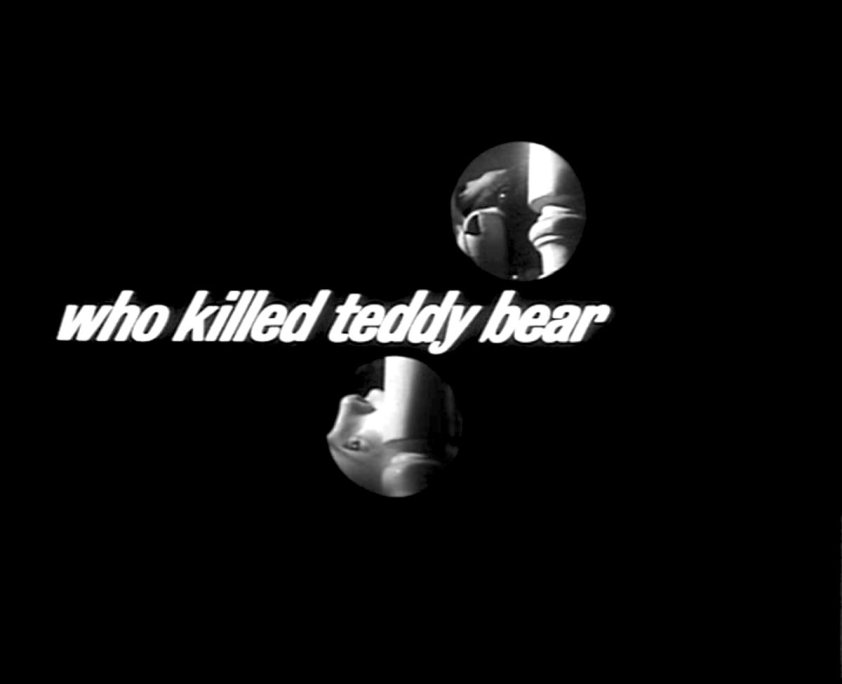
Lurid. Sleazy. Trashy. Sordid. All words used to describe Joseph Cates’ 1965 thriller, Who Killed Teddy Bear? Is it an exploitation film? Is it part of the queer panic canon? Was this film the motion picture to inspire works like Taxi Driver (Martin Scorsese, 1976) or even Black Christmas (Bob Clark, 1974)? It is notable that practically every written review from those who have seen this film has included a kind of defense, no matter how damning their take. While discussing the film as pure filth on celluloid… they couldn’t completely hate it. Their final remarks always ended up recommending Who Killed Teddy Bear?, struggling with their own feelings on it and resolving to see it as a skillfully done art film, perhaps part of an independent cinema movement that was just beginning to be born.

It’s easy to compare Teddy Bear to Scorsese’s Taxi Driver. Not only do both films feature lengthy and explicit tours of New York’s more seedy areas like 42nd Street and Times Square (not the tourist Mecca it is today), but they also both give prominence to a character that is in deep psychological pain, aligning him with isolation and sexual deviance. The other incidental is that Michael Chapman, the man who would go on to be Martin Scorsese’s cinematographer for Taxi Driver and other films, was the assistant cameraman on Who Killed Teddy Bear?. Whether that last factoid is coincidence or something that Chapman brought with him to the Taxi Driver set, remains a mystery but…the visual and thematic parallels are incredibly strong.

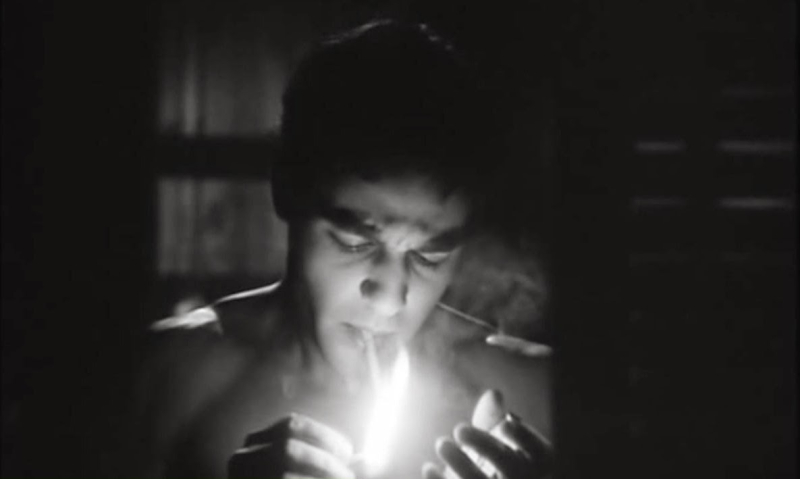
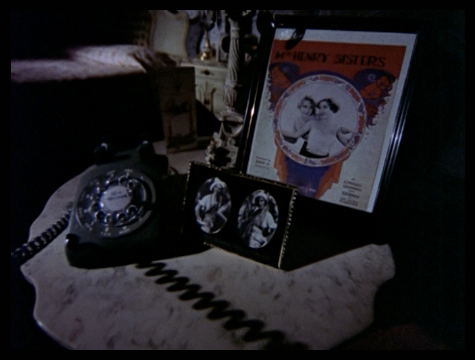
In Michael Gregg Michaud’s biography of Sal Mineo, the young actor talks about the character he plays in Teddy Bear. [mild spoilers ahead] “I played a telephone freak, and we were having this problem with the censors. In some of the shots while I was on the phone they wanted to sorta suggest that I was masturbating, but I couldn’t be naked. So I was just wearing jockey shorts. It turned out that was the first American film where a man wore jockey shorts on-screen.”  Mineo’s comment here about the “problem with the censors” was a big one for this film.

This film, expertly shot by Joseph Brun, belongs to that special set of grindhouse films that were less exploitation and more Cinema On The Edge. Who Killed Teddy Bear? may offer up lesbian nightclub owners, anonymous stalker/phone callers dripping with beefcake beauty, independent lady DJs and totally over the top police detectives with axes to grind against sexual deviants (how can you miss this film, folks??) but it also has some real acting and narrative threads that are more than pure sex and shock economics.

The character of Nora Dain (Juliet Prowse) has always struck me as intensely fascinating. She’s independent, clearly the best DJ at the nightclub (the ladyboss tells the other girl to “Keep ‘em dancing, cookie!” with a judgmental raised eyebrow), and has ambition. In this 1965 film, she is told by nightclub owner Marian Freeman (played by the inimitable Elaine Stritch) “I think you’re stupid living in that silly walk-up all by yourself,” when Nora informs her of the phone calls she has started to get. As the film blossoms, we watch and, despite the deepening intimacy of these obscene phone calls, she does not want to leave her own space. Nora doesn’t want to allow this Unknown Quantity to win over what she has built for herself, all the way from Rochester. While she may eventually get convinced in small ways to spend some time with the more than a little odd police detective (Jan Murray) and his precocious daughter (Diane Moore, real life daughter of Jan Murray), Nora still maintains a sense of autonomy and self-determination.

As women, this is something that we have all had to face in the age of stalkers, creepers and Internet threat-y folks. We want to be Nora Dain and be able to stay in our houses, be brave, go to work anyway, walk to/ from bars alone, maintain. But the problem is something that Who Killed Teddy Bear? reveals in the first 20 minutes of the film: the audience is as complicit in this story as the caller. NOWHERE IS SAFE. EVERYONE IS IN ON IT. When Nora returns to her apartment after a visit to the police and begins to get undressed, Joseph Brun’s skilled camera watches her carefully. But it gently draws back and subtly aligns us with someone else’s eyes. We are not a quarter of the way through this motion picture and we have been informed that we (the audience) are as guilty of voyeurism (and more?) as the individual who is causing this woman upset?
How do we process this film? Trauma. Through the exploration of the traumatized and those who have caused it – in Who Killed Teddy Bear? those people are, sometimes, one and the same. This is a complex film about fucked-up people and while it may seem like a cesspool on the outside, it’s got genuine depth to it. While Lt Dave Madden (Jan Murray) is dead-set on helping Nora catch her caller, his obsession with abnormal psychology and deviant criminal behavior is a little, um, awkward. Even the police captain (Frank Campanella) tells him, “Dave, you’ve gone over the line. You’ve joined them.” Madden’s trauma? His wife was raped, killed and left in an alley the previous year.

Sal Mineo plays Lawrence Sherman, a young man who has clear psychological damage beyond the desire to make obscene phone calls to Nora Dain. While many might find it easy to position him as a clear-cut villain, Who Killed Teddy Bear? is not a film of such definitive good/evil standings. Even visually, the work commits itself to that cause. While most films in 1965 were shot in bursting color, this one was shot in blacks, whites and grays, moving in and out of focus, in and out of the timeline, sliding backwards/forwards, not maintaining the traditional narrative that most are used to- visually, temporally or, indeed, morally. Who Killed Teddy Bear? exists in a world of ambiguity and pain for many of its primary characters.

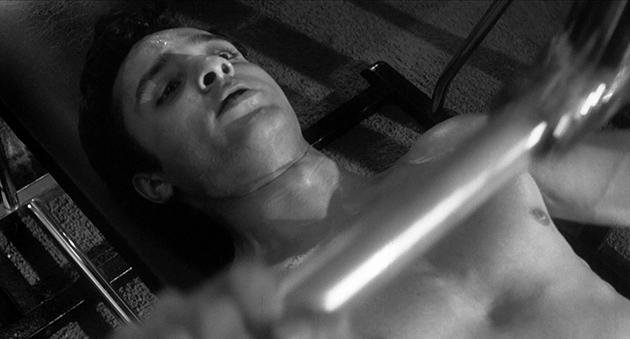
Even the workout scene where Mineo pushes himself to the edge of physical endurance is an example of this. In this gym sequence, Mineo revels in his own beauty, sensuality and sex; he indulges in own body as we, the audience, watch (and revel in it ourselves). This film centers on the performances of character(s) whose internal worth is damaged, broken and isolated and cannot be “worked out.” Lawrence cannot ever “work out” all of his pain, isolation or feelings through this process of attempted physical change and transformation, no matter how hard he tries. We, as audience, are willing participants in the narrative. But we are silent and we do nothing. We can do nothing. That is our role to play. We watch as the pain continues and the shattered fall to pieces and cannot regain composure. Control is a joke in Who Killed Teddy Bear? because everyone wants it but no one can have it, over themselves or others.

Who is right and who is wrong? Ambiguity reigns supreme. Yet we know exactly what behaviors are incorrect to the point of horrific. Sexual assault, murder, physical violence, these are ugly and appalling. Grotesquely painful. Joseph Cates’ film does not shy away from emphasizing this or portraying these grisly acts. This is not an easy film to sit through. But it’s damn good.

Giant – Playing at New Beverly!

My new piece on the continued relevance of George Stevens’ GIANT, its fortuitous casting & adaptation. Only on the New Beverly Blog. Check it out!

Married to the Mob

This post was originally published on the New Beverly Cinema blog on April 14, 2017. It is being republished here with full permission of the New Beverly. For the original post (with different artwork) please see the original post here.

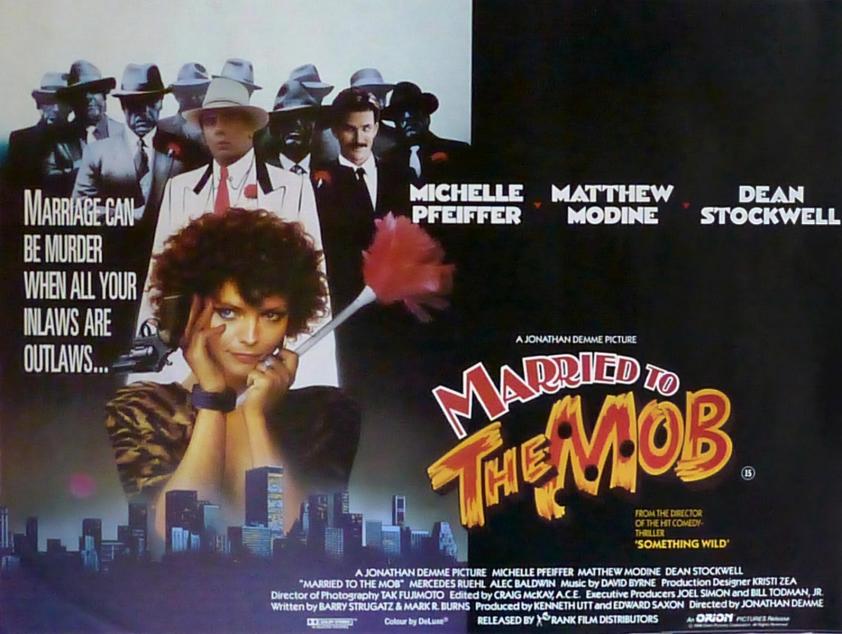
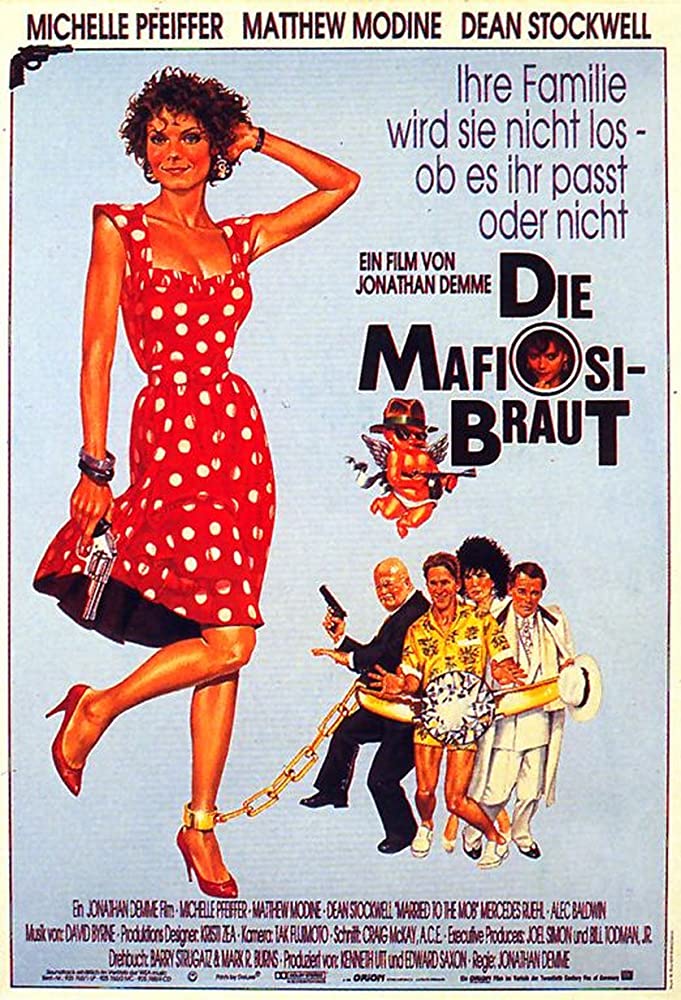
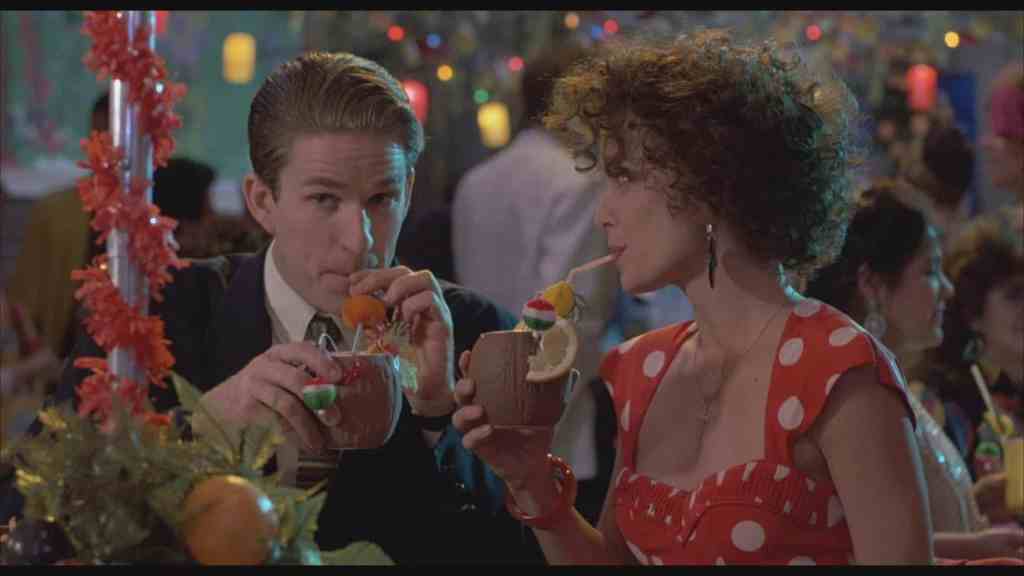
Married to the Mob (Jonathan Demme, 1988) is the S’mores of mafia comedies: created from everything delicious and best when consumed with people who enjoy wild adventures. This film is like a drug: it will make you high as a kite, flush with the kind of endorphins that only a Jonathan Demme film can produce. Upon the opening credits, it is clear that this landscape is entirely different than most films. It is aurally dynamic, visually bold and entirely inviting. This is what you will get with Married to the Mob – I hope you’re ready.

The only bad thing about this film? Married to the Mob ended up being Jonathan Demme’s final voyage into the fantastic land of bright visuals, Daliesque narratives and ’80s vitality that he had made his cinematic calling card. The Demme universe, a cosmos expanding with kitsch, cool and pop culture, explored previously in works like Something Wild (1986) and Stop Making Sense (1984), was singular in its ability to balance noir /criminal themes, gut-busting comedy and a through-line of surrealism. These films displayed Demme’s unique and wacky creativity, and pointed directly to his beginnings as a Roger Corman-initiate. The films’ anarchism and utter disregard for normalcy reflected Demme’s early experiences in the Corman contingent and easily allow us to see the connections between films like those already mentioned and earlier works like Crazy Mama (1975).

Married to the Mob was Demme’s grand finale of fun before he began developing a fascination with themes like psychological darkness or deep humanity as shown in films like Silence of the Lambs (1991) and Philadelphia (1993). Demme’s oeuvre is wonderful and embraceable at any given point but there is something innately glorious about the work he made in the ‘80s. These films glow, like a nitrate print, when watched. You can’t help but be taken by them.

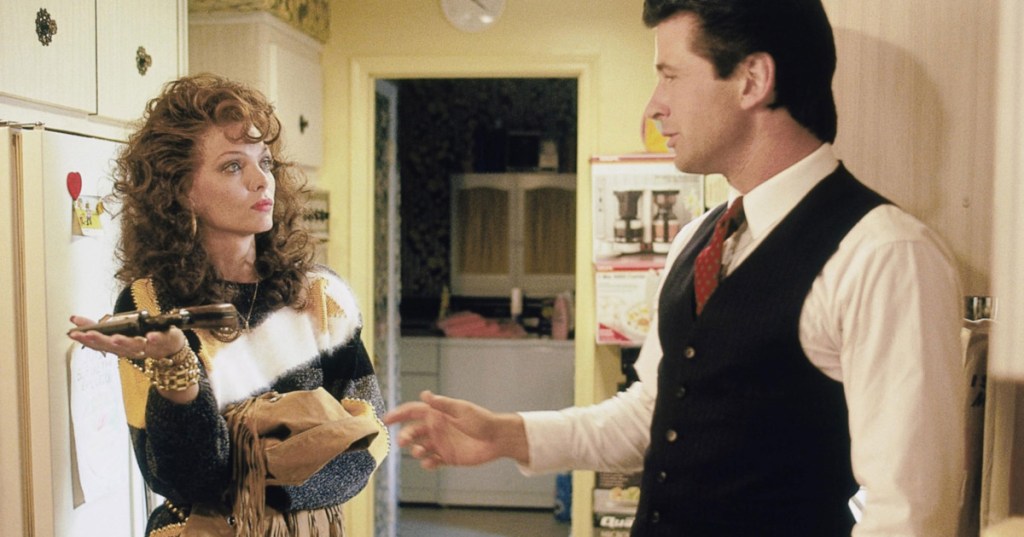
From DePalma to Demme, actress Michelle Pfeiffer has rocked the role of the mobster wife. But the role of Elvira Hancock in Scarface (Brian DePalma, 1983) differs quite a bit from that of Mrs. Angela DeMarco in Married to the Mob (1988). While DePalma designed his female character to fit the mold of the stereotypical mob companion (corrupt, unpleasant, deferring everything to her Mafioso man), the woman in Demme’s mob parody flips that stereotype in order to create a figure that is everything that the standard Mob Ladywife is not. Angela DeMarco, from the get go, is bored with money, doesn’t want to play cards with the other mobsters’ wives, and is livid when she finds her son is gambling with the other kids in the backyard. She believes (correctly) that living within mafia confines is setting a horrible example for her child, especially when her no-good philanderer husband can’t find his gun and their son easily locates it in a kitchen drawer. “It wasn’t loaded,” he shrugs. Angela’s eyes get even wider and her mouth drops. How can she live like this?

One of the more wonderful components of Married to the Mob is that while it may be a comedy predicated upon stereotypes and boilerplate mafia representations, its depiction of the female protagonist is set firmly in a feminist narrative. This narrative wreaks havoc with Demme’s perfectly sculptured mafia archetypes and leads to one of the most delightful and charming films produced in the 80s. While it ended up as a cable staple later on and many have tossed the film off as a “lesser Demme,” Married to the Mob is smart, stocked to the brim with “OMG! THAT GUY? WOAH!” moments, and is a great example of genre parody done by a master filmmaker.

Married to the Mob mirrors films like Desperately Seeking Susan (Susan Seidelman, 1985) in tone, tapping into the theme of women looking to achieve more in their lives than white picket fences and TV dinners. Films throughout the 1980s operated on this thesis, depicting unhappily married women determined to break free from the unsatisfying lives in the suburbs that were sucking their souls dry. Married to the Mob takes this a step further.

Angela DeMarco (Michelle Pfeiffer), married to (cool as a) “Cucumber” Frank DeMarco (Alec Baldwin), is not like other mob wives. She cares and wants the best for her kid. She abhors the way their family lives and what it lives on (embezzled money, stolen furniture, dishonesty). Angela has no real friends as she rejects anything having to do with her husband’s life, especially the mob wives, played impeccably by Mercedes Ruehl, Joan Cusack (and a few others). When Frank gets iced, Angela takes the opportunity to get the hell out of Dodge. Unfortunately, her loathsome past catches up with her in the form of mob boss, Tony ‘The Tiger’ Russo (Dean Stockwell) as well as handsome (but awkward) FBI agent Mike Downey (Matthew Modine), both of whom have the wrong idea about her in slightly differing ways. As the film continues, we watch as the rest of the New York City male population treats Angela poorly and denies her the respect she deserves. From sexual harassment to flat-out blackmail, Angela suffers non-stop misogyny at the hands of almost every man she meets. Mind you, those men happen to be the hilarious Tracey Walter and noted character actor Trey Wilson (both Demme “regulars”). But Angela refuses to give up: she does not suffer fools. She makes it past these obstacles and is able to continue her journey. And we are able to enjoy watching these men fall by the wayside.

Married to the Mob is a mixed genre film. It is part of the Women’s Film genre as it follows the trials and tribulations of Angela DeMarco, victimized by the mob culture that she has fallen into and now struggles to escape from. Like Women’s Films of the past, Angela works her ass off to support herself and her son, and is continually put in precarious situations due to her “shady” past. But, like most Women’s Films, Demme demonstrates in this work the courage and fortitude that it takes to brave a landscape like this. It ain’t easy. As strong as the reference to that genre is, the film maintains its core as a hardcore spoof of the mafia and gangster culture. We shake with laughter at the various mobster-related cameos by people like Chris Isaak or Buster Poindexter. Even though names like Vinnie “The Slug” (Frank Ferrara), Nick “The Snake” (Frank Gio) and Al “The Worm” (Gary Klar) may seem like basic monikers, in Married to the Mob sometimes the most obvious joke is the funniest. These are just slimy, dirty guys!

This film is insanely enjoyable from beginning credits to the very end where, under the final credit sequence, we are given a special vision of footage that was not included in the main narrative. In a world that is not predicated on DVD/Blu-rays, director’s cuts and extended scenes, this final credits sequence is highly unique. Demme shot an entire scene with Joe Spinell for Married that never made it to the final cut but he desperately wanted the audience to see it so….BOOM. Just put it in at the end. Make sure people see that Spinell was, indeed, part of the picture. There’s a lovely extended scene with Modine and Pfeiffer on the steps of a building. Never happens in the actual narrative. But you will see it as the credits are rolling! The character Chris Isaak plays? Apparently you get a feel for his creepy back-story…but you have to watch those credits! Pay attention or you’ll miss it.

The format of 35mm film and its shooting economy are platformed in this credit sequence. These added moments underscore how Demme developed a sense of the film narrative, physical film limitations and editing techniques. As much as he may have wanted to use those scenes, they did not belong within the beginning to end of the Married story. But as a post-script? OH HELL YEAH! He could take that beloved “excess” footage and use it to cap off the film, no problem! Audiences could and would remember these extra scenes and it would end up being a highly memorable part of their Married to the Mob experience, if not an aspect of the actual plotline.

Near Dark – New Beverly Blog

New post on the New Beverly blog!

An article on the film Near Dark (Kathryn Bigelow, 1987) and interview with lead actress Jenette Goldstein.


Check it:

Near Dark

Ariel’s Print Resource Guide for TCMFF 2017: Moving Pictures

It’s that time again! Time for TCMFF (TCM Classic Film Festival)!!!

Last year I decided to make an official film guides to assist in examining the program and schedule and use that data to do a format breakdown. Using my skills as a film archivist and preservationist, I thought that these things would be useful for fans and attendees to have.

This year I think this is an ESPECIALLY useful tool since we have an all new item to add for our viewing pleasure: 35MM NITRATE!!!

So first of all, let’s get a few rumors settled: nitrate is not OMGZFIRECAUSING and it will not blow up if you simply touch it. The chemicals that are released when the film begins to deteriorate (called “off-gassing”) can lead to some nasty toxicity though and the more you pack nitrate in…the more likely you are to cause a fire. Nitrate doesn’t like close quarters and it doesn’t like to to be under pressure. Think of Nitrate as the hippie film base- it just wants to chill, man. But if it gets a bad dose (ie, starts to deteriorate) or is put under bad pressure/circumstances, it could really blow.

BUT HAVE YOU SEEN A 35MM NITRATE PRINT??????????

Don’t miss the chance to do it this year.

Seriously, guys.

PART I: PREPARATION & PLANNING

Listed below, in the alphabetized spreadsheet, is all the films that are playing as of Friday, March 31, 2017. The spreadsheet moves down and also moves to the right and includes notes, theaters, times, formats and all kinds of details!!

If you want to download the spreadsheet and organize it according to your own wants (format, notes, theater, day/time, etc.) that link is here:

https://docs.google.com/spreadsheets/d/1BZuaCal1g9zZu0GYSdGScDKBWjB8uDpIuffrWImC6Q0/edit?usp=sharing

PART II: DATA BREAKDOWN

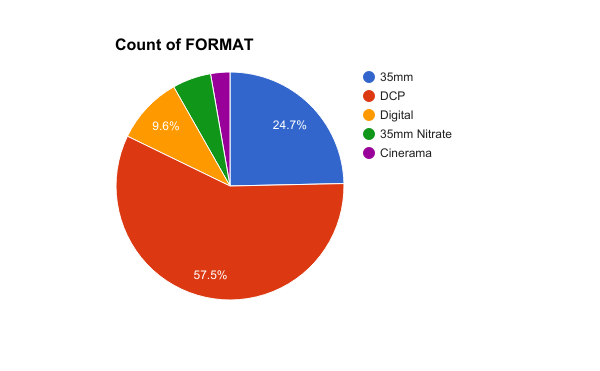
This (obviously) is the way that the formats broke down this year. The wonderful thing to notice is that we still have a thick chunk of rare kinds of films to see, including different kinds of formats. While there is no 16mm or 8mm (except digitized in the Hollywood Home Movies program which usually occurs on Saturday afternoon in Club TCM), the Cinerama and 35mm nitrate is pretty nifty stuff. We’re pretty spoiled on basic technicals.

Format Chart TCMFF 2017

TCMFF 2017

Last year’s stats looked like this:

Screen Shot 2016-04-20 at 12.34.25 AM

TCMFF 2016

So I think we’re doing pretty well for 2017!!! Analogue has gotten a more diverse face this year, which is definitely a plus. That is, of course, thanks to the Egyptian Theater/American Cinematheque for taking that risk and refitting their projection booth with all the necessary items for the projection of nitrate. Not every theater is able to project nitrate. We’re exceptionally blessed that they were able to do that in time to work with wonderful people like the UCLA Film and Television Archive and access prints from their MASSIVE nitrate collection.

I can personally assure all of you that UCLA FTVA’s nitrate collection is brilliant. I helped move their archive from where it used to be in Westwood and Hollywood to where it resides now, in a glorious archival palace in Santa Clarita. Their collection is beyond compare.

PART III: WHATCHA SEEIN’?

So I have some definite “MUST SEES” this year:

One of my favorite films of all time and a film that I wrote about for the National Film Registry/Library of Congress, Born Yesterday.

A film I’ve seen a gazillion times but it’s also one of my FAVORITE FILM IN THE UNIVERSE EVERZ, The Court Jester.

Last year I saw Larry Peerce’s One Potato, Two Potato at TCMFF and it was a revelation. This year I plan on seeing The Incident, come hell or high water.

I missed the screenings & talks for the restoration of The Front Page this year. But I won’t miss it at TCMFF!!! Especially with one of my favorite professors and awesome people from archiving school giving the intro!

There are plennnnnttttyyyyyy more that I’m thinking about & considering but that’s all I’m committing to on blog right now.

See ya at the movies!

Anarchy in the TV: 2016 Discoveries in UK TV

I’ve given up on a great deal of media work in the US. It just doesn’t do it for me anymore. The representation of women is awful, discussions on culture, ethnicity and class are disappointing, and my crime shows are just not satisfactory.

So, I’ve turned to the English. They have an insane amount of content that not only centers women & POC as dynamic and powerful players but also examines class and subcultural topics.

For a punk rock intersectional feminist like myself, it’s good media food.

Also, they just hit it so much better with crime/detective things (or at least they have in the past) and I’m getting to discover a bunch of stuff that I didn’t know about before. So, although I am picky, if it’s British, I’ll usually give it a shot over any US TV program.

I can’t say that all of these are easy to find. Sometimes you have to work at it. But they are ALL worth it.

Here are my pix for this year.

1) HAPPY VALLEY (2014-

happy-valley

Available on Netflix.

While I LOVE Olivia Benson & Law & OrderHappy Valley is all that and then some. If the first 10 minutes don’t grab you, I don’t know what will.

2) SCOTT & BAILEY (2011-

scottandbailey

Available on Amazon.

Another show by Sally Wainwright. Best cop team ever. Suranne Jones and Lesley Sharp are insanely great actresses.

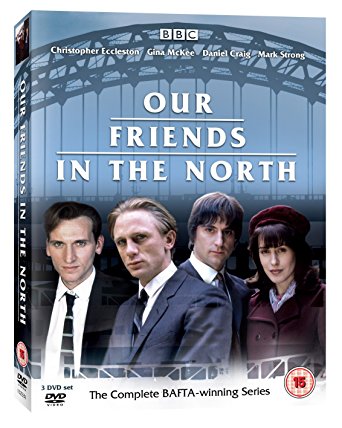
3) OUR FRIENDS IN THE NORTH (1996)

our-friends

Mark Strong. Christopher Eccleston. Daniel Craig. Malcolm McDowell. Gina McKee.

After I watched this, I was stunned. I wished there was more than 6 eps. But…no. There’s a cadre of reasons that it won a bunch of BAFTAs. Tells the story of a bunch of friends in the north of England from the 1960s to the 1990s. Brutally good.

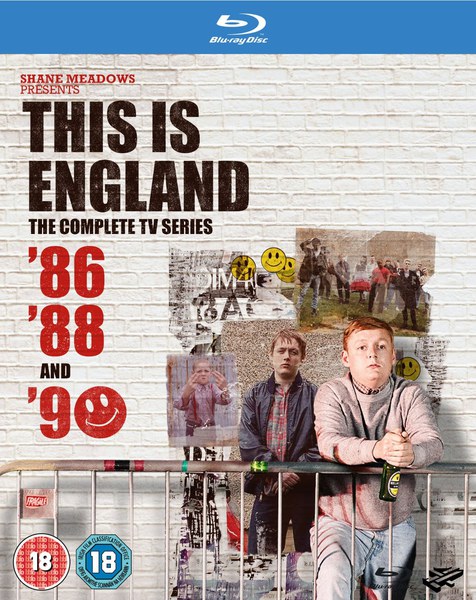
4) THIS IS ENGLAND (2010, 2011, 2015)

this-is-englandthis-is-england-all

If you haven’t seen the movie This is England (Shane Meadows, 2006) you should. This show is a continuation of those characters and it’s ABSOLUTELY GREAT. If you have (or have had) any history in the punk rock or ska scene, it’s a must. But even if you haven’t, the writing is great, the characters are unusual and well-formed, and, like Our Friends in the North, it does an amazing job of covering long periods of time in people’s relationships.

5) PRIME SUSPECT (1991-2006)prime-suspect

Available on Hulu

Helen Mirren is the best DCI that I have come across. Sarah Lancashire, Lesley Sharp & Suranne Jones are amazing in their own ways, but Helen was first. This show is so great at discussing feminist issues in the workplace AND being a top notch crime show that it’s bonkers.

Black Christmas

This post was originally published on the New Beverly Cinema blog on December 12, 2016. It is being republished here with full permission of the New Beverly. For the original post (with different artwork) please see the original post here.

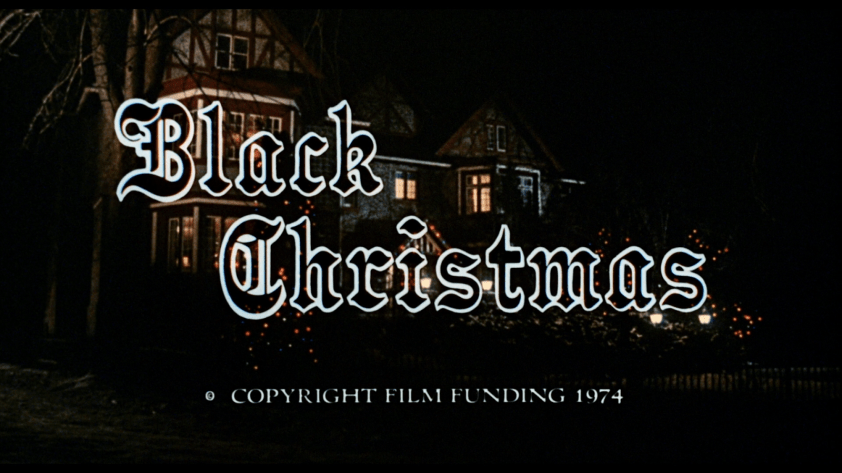
Bob Clark made movies that stand the test of time and was phenomenally gifted at the art of good storytelling. Not many filmmakers can do this. But the director of the holiday classic A Christmas Story (playing Saturdays at Midnight this month at the New Beverly) has made as many people laugh as his slasher classic Black Christmas has made people feel total fear. Black Christmas is as frightening and nightmare inducing as A Christmas Story is hilarious and gut-busting.

Some may wonder: why Christmas? Was Christmas a “thing” with Clark? Perhaps. To an extent, we may examine the idea of Christmas as a holiday that is joyful and anxiety-ridden, thus Clark made two of the most iconic films in the holiday film oeuvre to study the holiday from two very different ends of the spectrum. Of course, A Christmas Story is jam-packed with neurotic holiday discourse so while the movie is certainly a loving paean to family memories, it cannot help but be a bit dark at the edges. On the other hand, nothing within the A Christmas Story narrative could compare to the relentless terror presented within the landscape of the small town of Bedford and residing within the Pi Kappa Sigma sorority house of Black Christmas.

Clark was no dummy. Naming the town Bedford was as willful a move as anything else in Black Christmas. If this location sounds familiar, it should: Bedford Falls was the name of the town from Frank Capra’s quintessential Christmas classic, It’s A Wonderful Life (1946). But that’s where the similarities between Capra and Clark’s works end. This 1974 horror film centers on a group of young women living together at a sorority house preparing for the holidays as the school term ends.

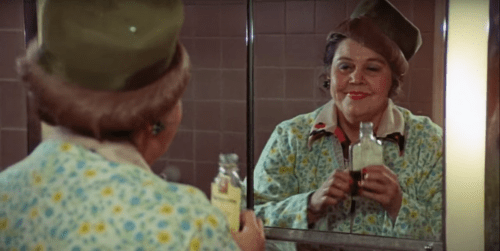
With a cast that features Olivia Hussey, Margot Kidder, Andrea Martin, Keir Dullea and John Saxon, this motion picture is stacked with talent. Even the little known Marian Waldman is brilliant as the booze-hiding den mother, Mrs. Mac.

The triumph and tragedy of Black Christmas is that it does not age and it is just as effective now as it was over 40 years ago. Clothes, haircuts and styles may have changed but the filmmaking is so fresh and the anxiety is so real that this work does not feel dated. The major topics raised within the narrative of Black Christmas – abortion (fun fact: Black Christmas was released the year after Roe vs. Wade was passed), stalkers, domestic violence and abuse, sexual independence, a woman’s right to choose her own way to live her life/career – are still hotly debated in 2016. This horror film is made more horrifying because those topics are knitted into the very fabric of the feature and they are still, sadly, hot-button issues.

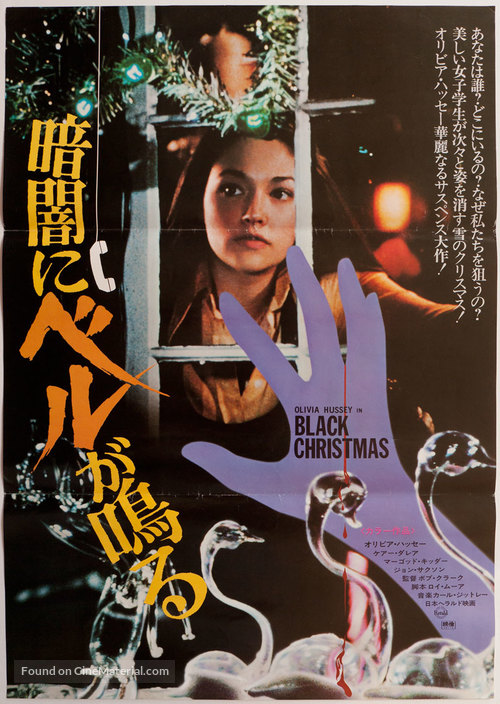
Black Christmas is a critically important film as well as decidedly scary. Clark’s work never underestimates any of the female characters. He spends time showing their relationships, vibrant personalities and strong individual identities. He contrasts them to the men in the film who are complete liabilities: entirely useless or dangerously toxic and angry to the point of becoming monstrous themselves. While Black Christmas is certainly a slasher film (predating John Carpenter’s Halloween) and lives up to the byline on the poster: “If this movie doesn’t make your skin crawl, it’s on too tight!” it’s also a look at male/female relations and the ways in which they are presented on-screen.

Black Christmas is startlingly unique, both in the way that it handles its protagonists and in the way that it seeks to turn the terror up to 11. If this film doesn’t scare you, you can’t be scared. And let’s be clear about this – Clark’s film isn’t about body counts, gory details (you see little to no gore at all) or surprises.  Black Christmas is pure unadulterated terror from the very first phone call.

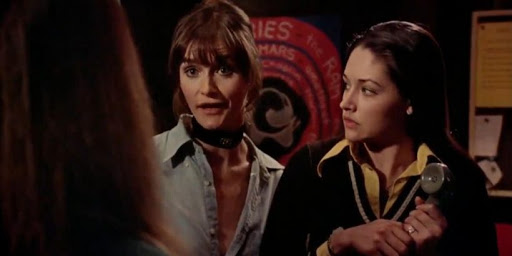
The sorority house is having a Christmas party and Jess (Olivia Hussey) answers the phone. The young women all stand around to listen to this caller who (we have learned) has called before. The more sexually graphic the call gets, the more interested the camera becomes in each young woman’s face and reaction to the words, screams and almost unintelligible gurgling sounds pouring out of the receiver. This perverse aural symphony is contrasted to the softly lit living room and background sound of “Hark! The Herald Angels Sing.” Barb (Margot Kidder) grabs the phone from Jess and gives the caller a bit of her tough girl “don’t fuck with me” attitude. The caller’s response? The only crystal clear words that come from that phone during the whole film – a calm, direct sentence: “I’m going to kill you.” That scene might be one of the scariest things that this author has experienced in a movie theater.

It is usually what you cannot see or do not fully grasp that makes a film so ultimately disturbing. And so it is with Black Christmas. The film is a complex quilt of aural and visual stimuli, running the gamut from killer’s POV to female protagonists’ perspective. While we can hear these phone calls as much as the women in the sorority house do, we cannot understand them any better than they do. We are equally as scared by the deeply frantic and distressed energy that increases with each call.  These sounds are not just heavy breathing or the standard prank dirty talk.  Clark’s audio in Black Christmas is meant to hit us on a whole other level: the caller could be a tortured child, someone with multiple personality disorder, a perverted sex offender, or…? The calls are an unknown quantity that we cannot put our finger on, in any recognizable manner. This is perfectly stated in Clare (Lynne Griffin)’s comment on the first call: “Could that be one person?”

We get the opportunity to see through the eyes of the killer but it feels unstable, voyeuristic and wholly uncomfortable. Reginald H. Morris did most of the camera work for the film (and went on to do both Porky’s films, A Christmas Story and Turk 182! with Clark) but Albert J. Dunk strapped a camera to his back to shoot the POV material.  The audio for the phone calls was also highly specialized and not created by one voice – the calls came from Bob Clark himself, Nick Mancuso (of Under Siege, 1992 fame) and an uncredited female performer. 

Black Christmas will unnerve you because it doesn’t bother to answer your questions.  It categorically refuses to help you out as a viewer and yet it satisfies you completely on the level of character development. It is perfectly damning for everyone involved, audience and fictional personae alike. On an even more bone-chilling level, a work like Black Christmas has high critical value and relevance because violent stalkers still exist, unstable men continue to threaten/intimidate women in all kinds of weird ways (phone, mail, etc) and legal authorities don’t believe them until it’s too late. This movie should scare the shit out of you because the story could just as easily happen today as in 1974. It may be a horror movie and one of the first slasher films, but the happenings at the Pi Kappa Sigma house delve into seriously dangerous territory that still need attention.

Nancy Kwan

This post was originally published on the New Beverly Cinema blog on November 1, 2016. It is being republished here with full permission of the New Beverly. For the original post (with different artwork) please see the original post here.

“Life is too short to not have dreams! I have been in the film industry for a long time. Show business is not for sissies, but it’s been a great ride!’

–Nancy Kwan

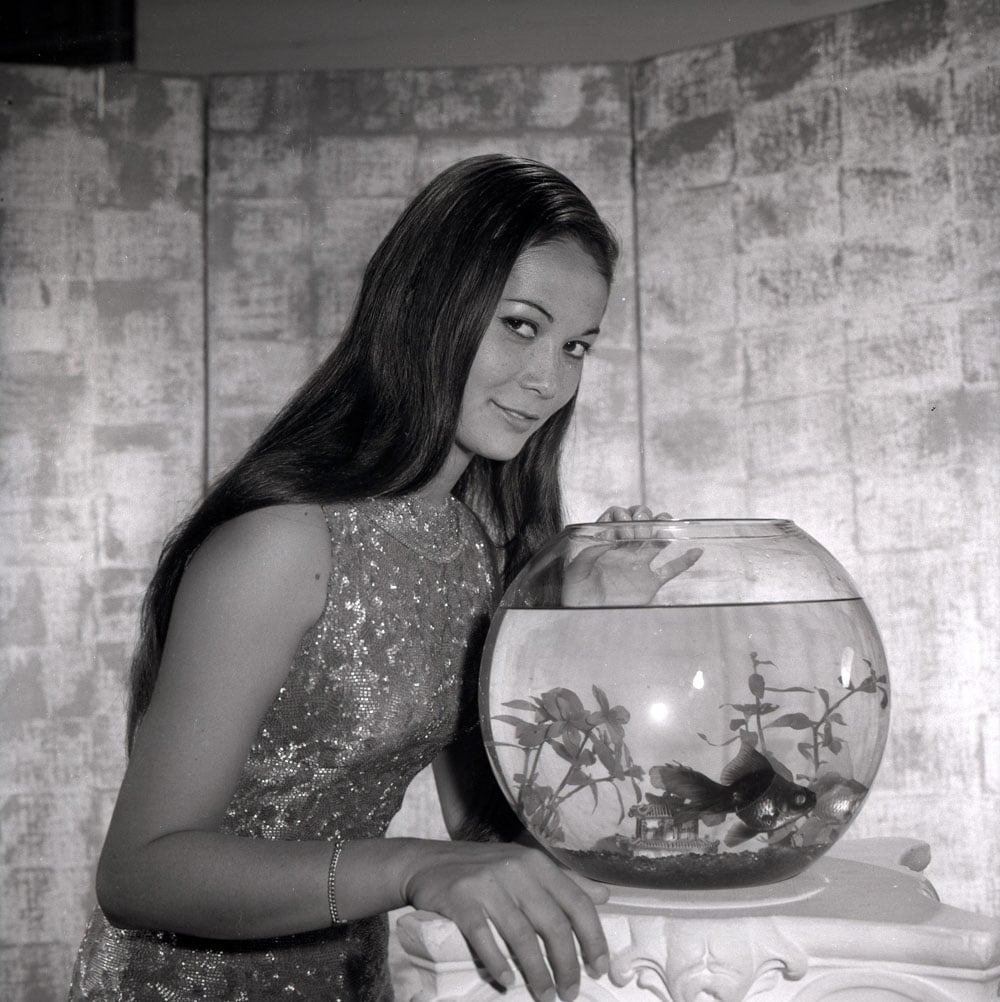
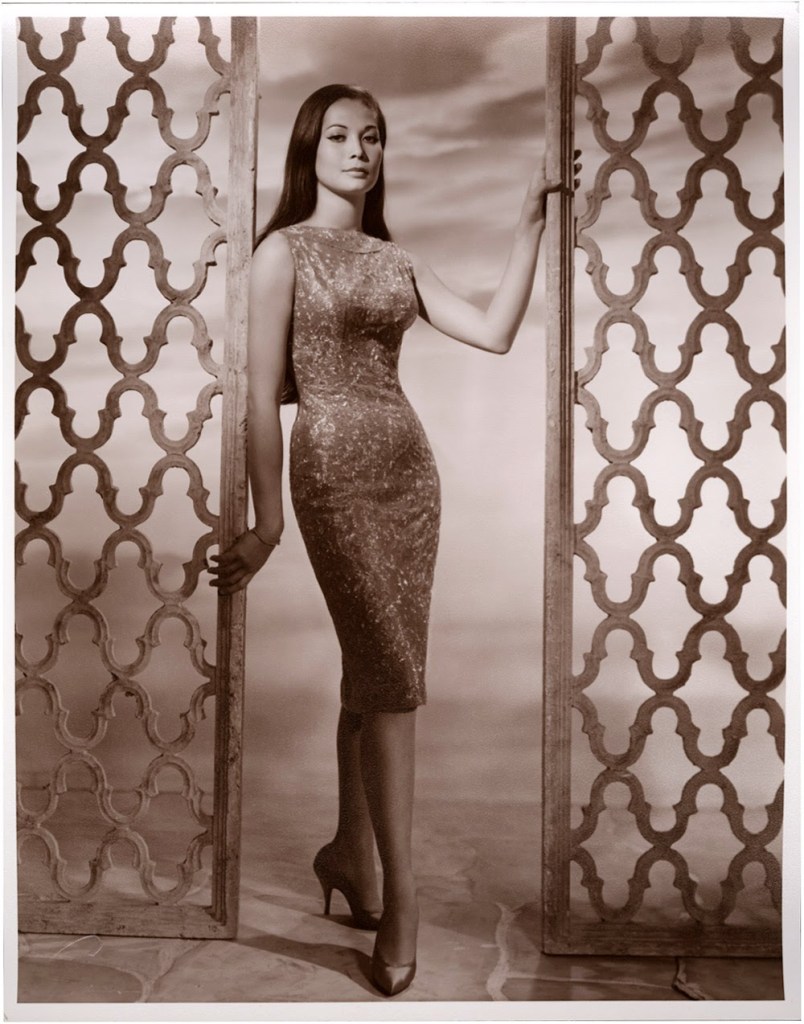
Nancy Kwan was born Kwan Ka Shen in 1939 in Hong Kong. Her mother, Marquita Scott, was a British fashion model who worked for the Harry Conover Modeling Agency. Her father, Kwan Wing Hong, was from Hong Kong and had a Cambridge degree in architecture. Ka Shen’s parents divorced at an early age, leaving her to be raised by her father. Her early years showed a keen interest in and talent for performance. She was a ballet dancer with the Royal College of London and involved with various theater groups before becoming a Hollywood actress. Ka Shen/Nancy Kwan has established a strong body of work within a multitude of film genres ranging from action to comedy. The discussions on race and representation that she has catalyzed (and begun herself) are important to the Asian community and women in film. Nancy Kwan is a figure of power.

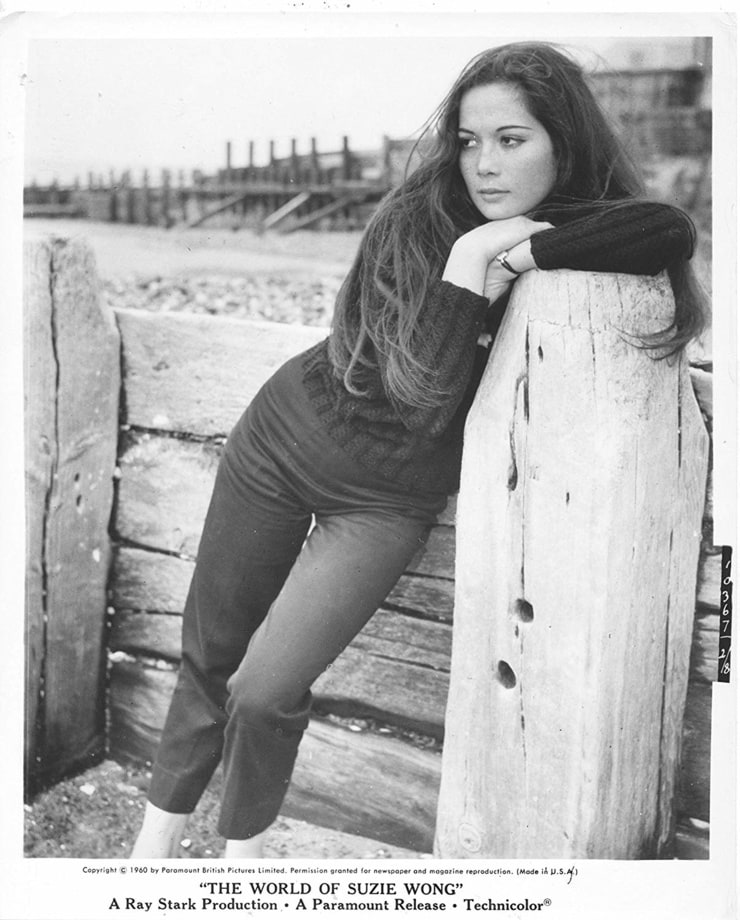
Her career has been quite varied. After her debut in the highly popular The World of Suzie Wong (Richard Quine, 1960), Nancy moved into films like The Main Attraction (Daniel Petrie, 1962) and the remarkable Fate is the Hunter (Ralph Nelson, 1964) with Glenn Ford and Rod Taylor.  Her performances in films like Arrivederci, Baby! (Ken Hughes, 1966) and The Wrecking Crew (Phil Karlson, 1968) platform her fun demeanor as well as her ability to combine a uniquely choreographed physicality with hip and swingin’ characters.

The roles Nancy played in Suzie Wong and Flower Drum Song (Henry Koster, 1961) are of critical consequence to the Asian American community both then and now. At the time of release, these films were recognized as being revolutionary in breaking racist barriers in Hollywood and increasing Asian representation in film. In the modern era, Asian American communities have reconsidered this response and found it wanting. There is validity in looking at these films and saying: the archetypes and Hollywoodization of Asian culture and characters is hurtful and harmful.

There is certainly value in modern readings of these films as not being the most positive portrayals of Asian culture or even interracial romance (in the case of Suzie Wong). However, many of these same cultural critics that dislike the roles Kwan was cast in still maintain an affection for, and attachment to, Nancy Kwan. I posit that it is her existence as a leading Asian woman in film that is at least part of that.  The lack of women of color in strong or interesting leading roles has been one of Hollywood’s biggest faults and Nancy Kwan has been able to play some of the most dynamic and fun characters, regardless of the film’s social content. The reason? Quite simply, she’s Nancy Kwan. Once you’ve seen her, you’re never the same.

While most refuse to give up Nancy Kwan as a strong symbol of Asian representation, one of the first women they ever saw on the big screen, the Asian American community now makes a delineation between the roles she played and the importance she has as an Asian woman in cinema. This is a critical part of her story.

Many roles that Kwan played over the years- non-Asian, non-Chinese, stereotypical Asian “insert archetype here” – are quite problematic. Kwan’s talents as a comedienne were of high caliber. While the content of Lt Robin Crusoe, U.S.N (Byron Paul, 1966) is certainly questionable (island girl, “exoticism” etc), the cast is heroically great (Akim Tamiroff! Dick Van Dyke! WOW!!), Nancy Kwan’s comic timing is epic. As any great actor will tell you, a great comic performance is worth thousands of dramatic ones. It’s hard to get people to genuinely laugh, but she has that skill.

Nancy Kwan’s bravery is also nothing to sniff at. She left Hollywood against the better advice of her agent to take care of her sick father in the 1970s. In an environment where even white women did as their agents were told this was an incredibly risky move. It could’ve been a career killer!

While away, Kwan set up a film company and continued to be productive. According to her,

“I was looking to the other side of the camera and I felt it would be nice to have an overall knowledge of the film business. So when I was in Hong Kong I did a lot of films in Southeast Asia. I worked in the Philippines, I worked in Thailand, I worked in Hong Kong, I did well, I only did one Chinese speaking film but the rest was shot on location and I would come back here [USA] once in a while and do a TV show or a movie of the week… at this point I consider myself a filmmaker and I’m glad that I started out acting… as a producer I learned more. I think the more knowledge you have, the better you become.”

The woman who was nicknamed the “Chinese Bardot” and had a haircut specially designed for her by the one and only Vidal Sassoon is not simply a sum of the films that she was cast in. Unless, of course, you count some of the lesser known delights like Wonder Women (Robert O’Neil, 1973) or Walking The Edge (Norbert Meisel, 1985) where she kicks as much ass on the screen as she does in real life. 

Nancy Kwan’s work over the last 50 years is nothing short of groundbreaking. She has formed her own production company (Nancy Kwan Films), made a documentary about her life, won a slew of awards based on her political activism and film/TV work, and been adjunct faculty for MFA film students at CAL State Los Angeles. She’s also still a working actress. Her most recent credits are this year- 2016 – in Amber Tamblyn’s recent film, Paint it Black.

There are very few women in the film world who can say that they have been good friends with Bruce Lee, played opposite William Holden, Rod Taylor and Dean Martin as well as made it a point to retain a personal sense of self within her career, both as a woman and as a person of Asian/biracial heritage. In an industry that doesn’t look fondly on that, Nancy Kwan is a heroine of high class. Plus, the fact that she can play a kick-ass action gal, melodramatic role, and comedienne beautifully really doesn’t hurt.  When asked about the kinds of characters she would/wouldn’t play (since she does have a fairly diverse catalog of roles), her response was eloquent:

“Are there characters I wouldn’t play at all or would consider demeaning to an Asian? Yes. If it was demeaning, I certainly wouldn’t do it, or I would say, hey, this is demeaning. I mean, I have a big mouth too… I think it’s very important that I set standards because I have to live with them.”

Ask An Archivist Day: October 5th, 2016

archive1

Archivist – ar·chi·vist \ˈär-kə-vist, -ˌkī-\

a person who has the job of collecting and storing the materials in an archive

see archive 

Archive – ar·chive \ˈär-ˌkīv\

  1.   a place in which public records or historical documents are preserved; also :  the material preserved —often used in plural

  2.   a repository or collection especially of information

Tomorrow, OCTOBER 5TH, 2016, is #AskAnArchivist Day!

Have you ever wondered what it is we do? What our favorite part of being an archivist is? What great pieces are in our collections? What we think about when we see archivists portrayed in popular culture? Well **NOW** is your chance to ask!

Just use the hashtag #AskAnArchivist on Twitter and Instagram and check out all the archival magic happening!!!

If you are particularly interested in film/moving image archiving, a few of the fabulous archivists/archives who will be participating will be the following:

American Archive of Public Broadcasting @amarchivepub

MIAP (Moving Image Archiving Program) and the NYU Cinema Studies department archive @NYUMIAP

USC Shoah Foundation @USCShoahFdn

Snowden Becker @SnowdenBecker

UCLA Film & TV Archive @UCLAFTVArchive

Access Committee will be RT’ing archival tweets all day at @AMIAnet

Rachel Beattie at Media Commons Archive, University of Toronto @MediaCommons_TO

Pamela & Juana will be answering in both English and Spanish at @secondrunpres

Other General Archival participants who have sent me their info:

 Special collections/university archives folks will answering questions at @uoregonlibnews

The Kappa Alpha Theta fraternity  will be participating. @bettielocke